
Boat trips and experiences in Seychelles
2 experiencesPort guide →
No experiences match these filters. Try another port or type.
From the blog
Guides and news
 Destinations · 27 October 2026 · 6 minMnemba from Zanzibar: a snorkelling day
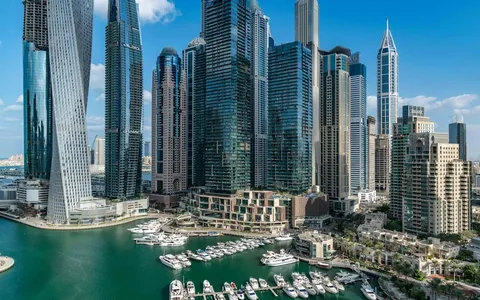 Destinations · 27 October 2026 · 5 minDubai from the sea: Marina, Atlantis and sunset
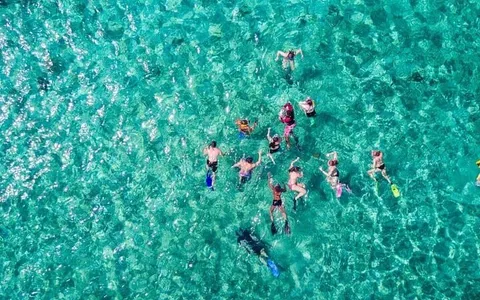 Destinations · 11 November 2026 · 11 minEgypt’s Red Sea by Boat: 5 Places You Shouldn’t Miss
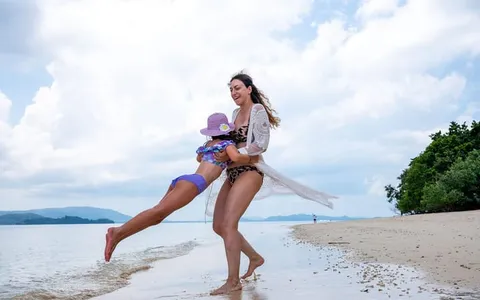 Destinations · 24 November 2026 · 12 minPhi Phi with Kids: Snorkelling Ages and Safety Guide
More places to sail
Every destination has its own guide and its own trips.
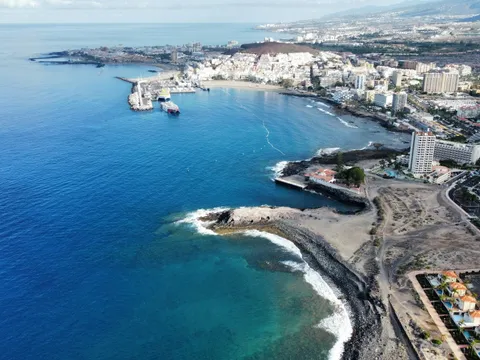 Tenerife26 experiences
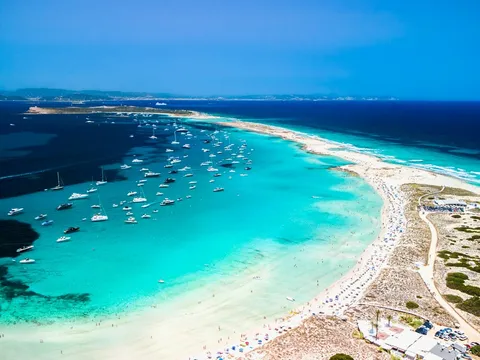 Ibiza11 experiences
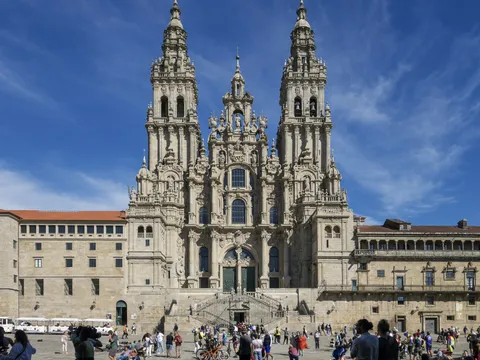 Santiago de Compostela4 experiences
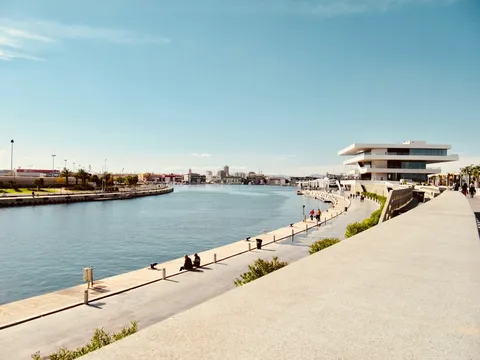 Valencia3 experiences
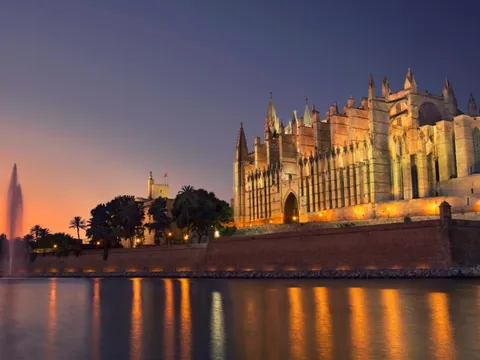 Mallorca3 experiences
 Lisbon1 experience
 Porto1 experience
 Amsterdam6 experiences
 Santorini26 experiences
 Athens11 experiences
 Paros10 experiences
 Crete10 experiences
 Naxos6 experiences
 Mykonos5 experiences
 Skiathos5 experiences
 Samos5 experiences
 Ithaca4 experiences
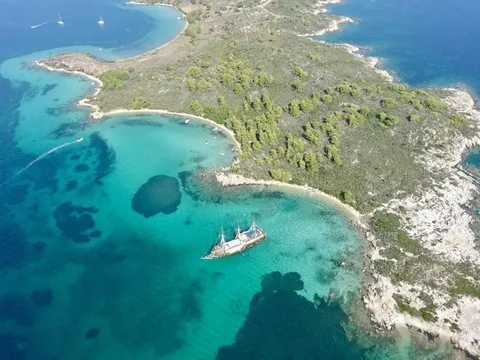 Halkidiki4 experiences
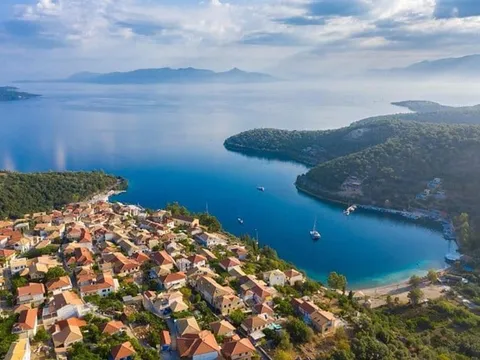 Lefkada4 experiences
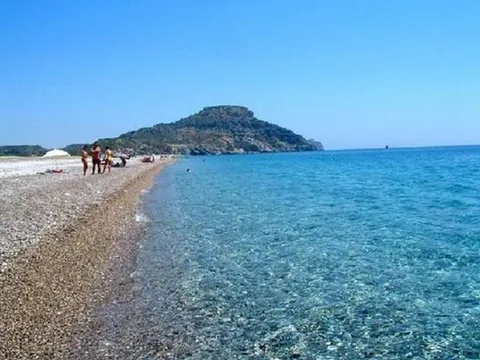 Rhodes4 experiences
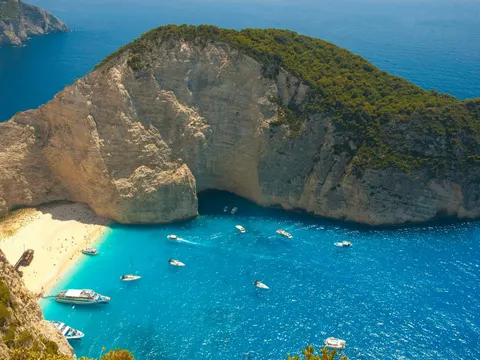 Zakynthos3 experiences
 Lesbos3 experiences
 Milos2 experiences
 Corfu2 experiences
 Kos2 experiences
 Split12 experiences
 Milan2 experiences
 Malta4 experiences
 Cyprus3 experiences
 Reykjavík12 experiences
 Akureyri2 experiences
 Puerto Plata13 experiences
 Samaná12 experiences
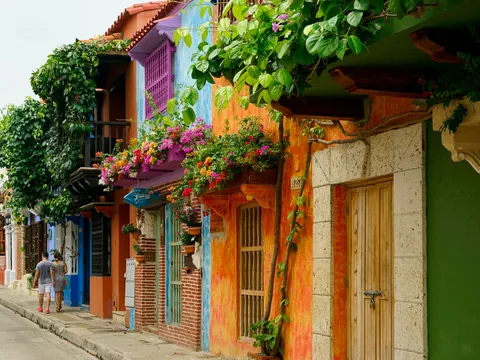 Cartagena9 experiences
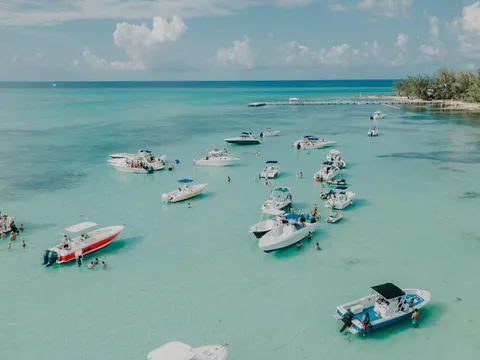 Grand Cayman7 experiences
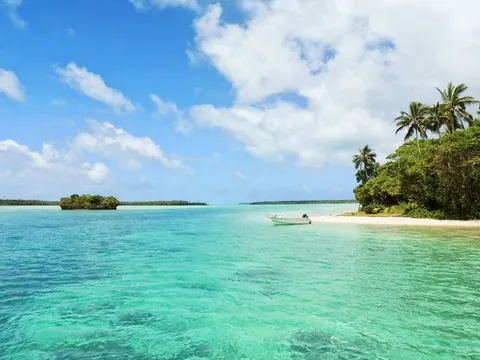 Montego Bay6 experiences
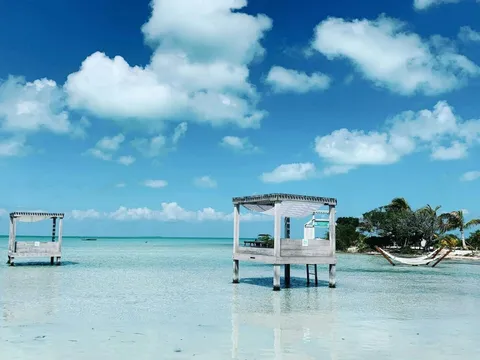 Belize4 experiences
 Barbados4 experiences
 Ocho Rios4 experiences
 Negril3 experiences
 St Maarten1 experience
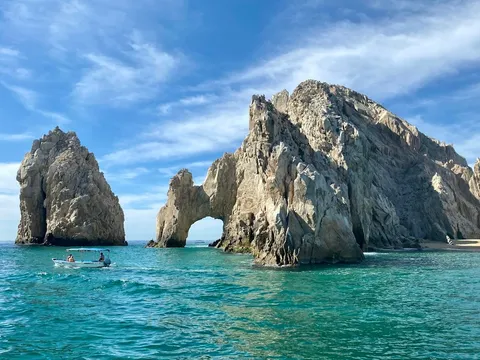 Cabo San Lucas44 experiences
 Cancun23 experiences
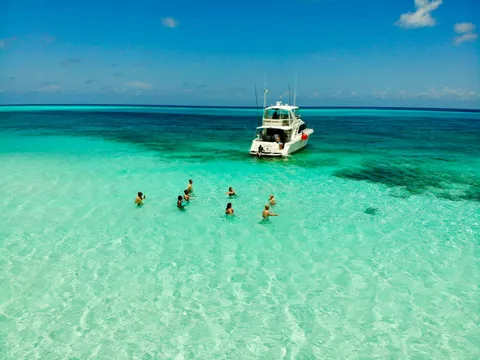 Cozumel10 experiences
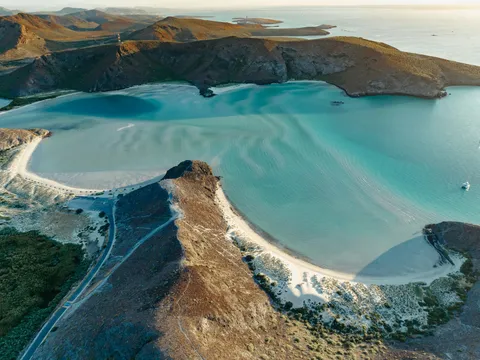 La Paz9 experiences
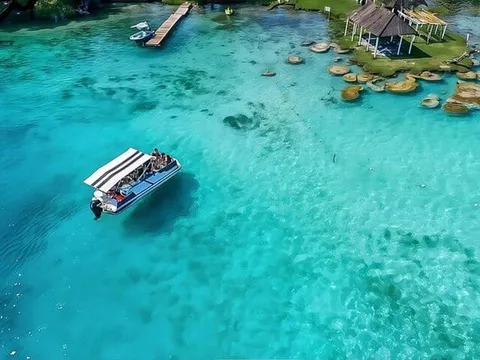 Bacalar6 experiences
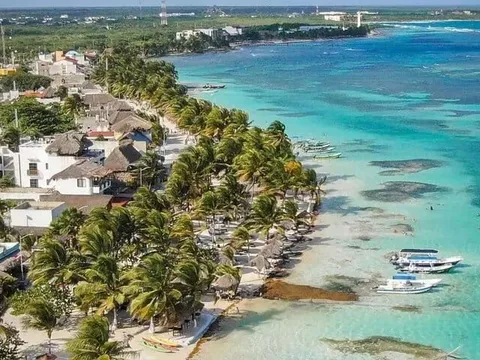 Mahahual4 experiences
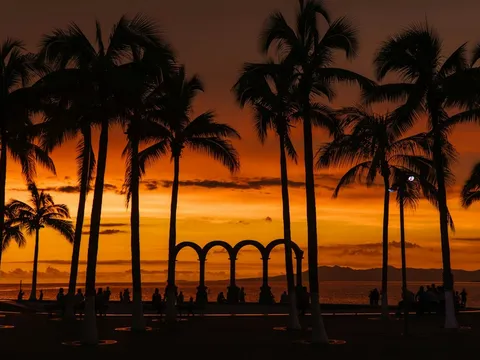 Puerto Vallarta3 experiences
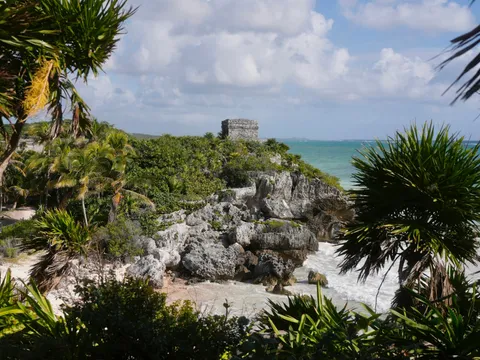 Tulum3 experiences
 Loreto1 experience
 Puerto Morelos1 experience
 Costa Rica15 experiences
 Panama3 experiences
 Bocas del Toro2 experiences
 Zanzibar48 experiences
 Hurghada6 experiences
 Sharm el-Sheikh4 experiences
 Marsa Alam2 experiences
 Dahab1 experience
 Sri Lanka28 experiences
 Phuket21 experiences
 Dubai1 experience
- All port guides →
Frequently asked questions about Seychelles
When is the best time to visit Seychelles, and what is the weather like?
It is warm all year round. According to the Japan Meteorological Agency’s normals for 1991–2020 at Seychelles International Airport on Mahé:
- Temperature: monthly means range from about 26 °C in July and August to about 28.5 °C in April.
- Rain: January is the wettest month, with about 420 mm, and July the driest, with about 80 mm.
The Seychelles Meteorological Authority describes a rainy season from December to April, peaking in December and January, and a dry season from May to October driven by the southeast trade winds. Which suits you depends on whether you care more about calm seas or dry days.
When is the sea calmest for a day on the water?
This is how the Seychelles Meteorological Authority’s climate guide describes conditions at sea through the year:
- February and March: fairly good in February, more pleasant in March.
- April: ideal for fishing, with light, variable winds.
- June: choppy, especially late in the month.
- July and August: rough and forbidding for inexperienced sailors; the west and northwest coasts are more sheltered.
- November and December: quite pleasant.
Our trip page gives October to May as the best time for fishing. These are general patterns, so check the forecast close to your date.
What kind of fishing trip do you offer?
A private fishing trip from Eden Island, Mahé: not a sightseeing cruise or a sailing day. The boat is for your group and the price is per boat.
- Options: half day, full day and an option listed as drop-off fishing. Each has its own price and departure time, shown in the booking calendar.
- Methods: bottom fishing, trolling or both; the trip page also mentions jigging.
- Experience: the page presents it for first-time anglers as well as experienced ones.
- Included: rods, lures, jigs, line and bait, snacks, bottled water, soft drinks, private transport and all fees and taxes. Lunch is not included on the half-day option.
Which fish might we catch?
The trip page names red snapper, amberjacks, groupers and dogtooth tuna. It lists these as seasonal:
- yellowfin tuna and wahoo;
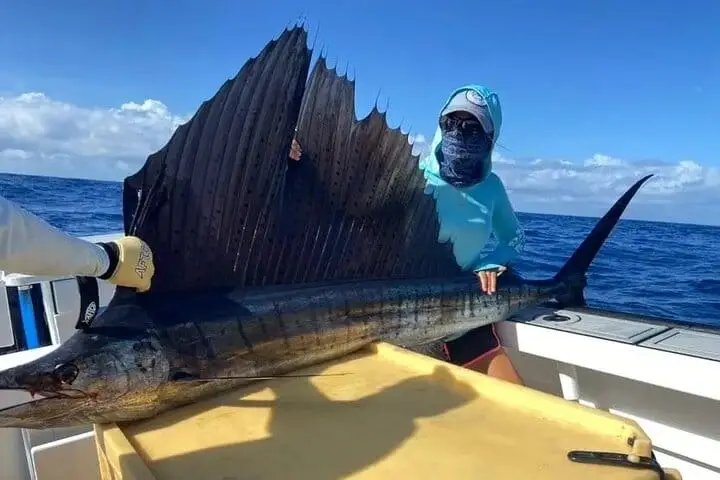
- sailfish and marlin;
- dorado and rainbow runners.
These are wild fish, so we cannot promise any species or catch. The page does not say what happens to the fish you land: ask before you go, and bear in mind that selling it is restricted by law.
What are the fishing rules in Seychelles?
The main points published by the Seychelles Fisheries Authority, including its 2021 regulations for the Mahé Plateau:
- Banned methods: spearguns, explosives, poisons and noxious substances are prohibited in all fisheries.
- Bag limits: per person per day, no more than five emperor red snapper (bourzwa) and five green jobfish (zob gris), including on charter vessels. The Authority also gives sport anglers a limit of 20 demersal (bottom-dwelling) fish per person per day.
- Minimum size: bourzwa and zob gris under 32 cm, measured to the fork of the tail, must go straight back into the water.
- Selling: fish caught in recreational or sport fishing may not be bought or sold without written exemption from the Authority.
A new fisheries law took effect in 2025 and rules can be updated, so follow your skipper’s instructions and check with the Authority if you need certainty.
Where is fishing not allowed?
According to the official Seychelles Beach and Sea Safety Guide, all six marine national parks are strict no-take zones, and the Seychelles Parks and Gardens Authority states that fishing is not allowed in the marine parks. Near Mahé they include:
- Sainte Anne Marine National Park, a group of islands off Victoria;
- Baie Ternay and Port Launay Marine National Parks, on Mahé.
The guide also mentions an entrance fee for non-residents visiting the marine parks. Other protected areas have their own rules.
What do I need to enter Seychelles?
According to the Seychelles Department of Immigration and Civil Status and the UK government’s travel advice:
- Passport: it must be valid for your whole stay.
- Online procedure: all travellers complete the immigration procedure online before travelling; most foreign passport holders do not need a visa.
- On arrival: have a return or onward ticket, confirmed accommodation and enough funds for your stay.
Rules depend on your nationality and can change, and a yellow fever certificate may be required depending on where you travel from. Check the official sources before you book your flights.
How do I get around Mahé and reach Eden Island?
The international airport is at Pointe Larue, about 11 km southeast of Victoria. Eden Island is a man-made island off Mahé near the capital, with a yacht marina.
- Buses: the Seychelles Public Transport Corporation runs services on Mahé and Praslin.
- Driving: traffic keeps to the left.
- For the fishing trip: choose your accommodation from the pick-up list when booking the private boat. Very distant addresses carry an extra charge paid to the driver, and you can also drive to Eden Island yourself.
The trip page says there is no public transport nearby, and the booking form has no drop-off option, so confirm your way back with the operator.
What happens if it is windy or the sea is rough?
The trip page does not set out a bad-weather policy: the operator confirms whether the boat goes out and what your options are. Contact us before your date if the forecast worries you.
- The official Beach and Sea Safety Guide advises knowing the local weather conditions and stopping boating or swimming as soon as you see or hear a storm.
- It also advises using licensed and legally registered boat charter operators.
- The UK government advises paying attention to safety briefings on boat trips and making sure life jackets are provided.
How should I prepare for seasickness and sun?
For motion sickness, the UK’s National Health Service suggests:
- sitting in the middle of a boat and looking at the horizon;
- getting fresh air;
- avoiding heavy meals, spicy food and alcohol shortly before and during travel;
- asking a pharmacist about remedies before you go.
For the sun, the Seychelles Beach and Sea Safety Guide advises sunscreen of SPF 15 or higher, a hat, sunglasses, covering clothes, shade when the sun is strongest and plenty of fluids. It also warns of biting midges (sand flies), for which insect repellent helps.
Is the fishing trip suitable for children, and is it accessible?
The trip page does not give a minimum age. It does say:
- infant seats are not available and infants must not sit on laps;
- it is not wheelchair accessible or stroller accessible;
- it is not suitable for pets;
- it is not recommended for pregnant travellers or for people with back problems or heart conditions.
If you are travelling with children or have any health or mobility need, ask before booking. We also do not publish how many people the boat takes, so tell us the size of your group.
What currency, languages and plugs should I expect?
- Currency: the Seychelles rupee. According to the Central Bank of Seychelles, customers may pay in rupees or foreign currency, and a business cannot refuse rupees.
- Languages: Seychellois Creole, English and French are the official languages.
- Plugs: British-style three-pin sockets (type G), at 240 V and 50 Hz, according to the reference site WorldStandards. Bring an adapter if your plugs differ.
What is the drinking age, and is it safe to swim?
The Seychelles Licensing Authority’s conditions for bar licences forbid selling or delivering alcohol to anyone under 18, or letting them drink it on the premises.
Swimming needs care. According to the UK government:
- the west coast is unsafe during the northwest monsoon (about December to March) and the east coast during the southeast winds (about May to September);
- beaches at the southern tip are not suitable for swimming at any time;
- Beau Vallon and some other beaches may have dangerous rip currents when the sea is rough, and lifeguards are scarce.
For life-threatening emergencies, the same advice gives the numbers 999, 151 or 111.
What else is worth seeing besides a day’s fishing?
- Victoria: the clock tower, the market, the Botanical Gardens and the museums.
- Morne Seychellois National Park: forest trails around the highest mountain in the country.
- Praslin: reached by ferry or air from Mahé; its Vallée de Mai, a palm forest where the coco de mer grows, has been a UNESCO World Heritage Site since 1983.
- La Digue: another inner island served by ferry.
- Aldabra: a remote raised coral atoll, a World Heritage Site since 1982, where tourism is limited and strictly controlled.
Plan your island-hopping days around your fishing trip and check ferry times and access conditions before you set off.
