
Boat trips and experiences in Crete
1 experiencePort guide →All of Greece →
No experiences match these filters. Try another port or type.
From the blog
Guides and news
 Destinations · 27 October 2026 · 7 minKefalonia by boat: cruises, beaches and islands
 Destinations · 27 October 2026 · 5 minBarcelona from the sea: sailing from Port Olímpic
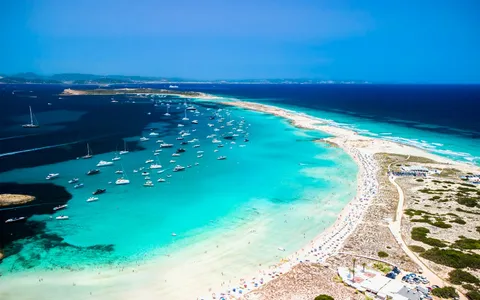 Destinations · 27 October 2026 · 5 minIbiza and Formentera by boat: anchoring and posidonia
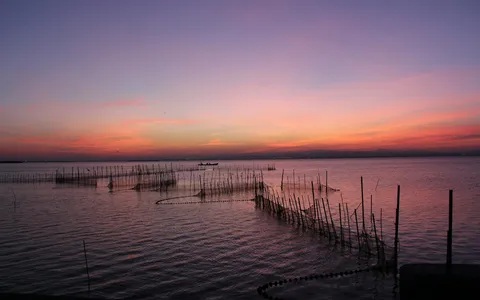 Destinations · 27 October 2026 · 5 minAlbufera at sunset: a boat ride from Valencia
More places to sail
Every destination has its own guide and its own trips.
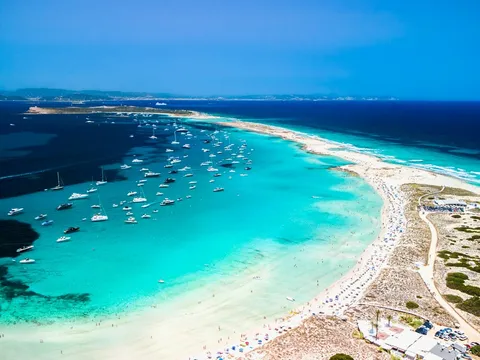 Ibiza4 experiences
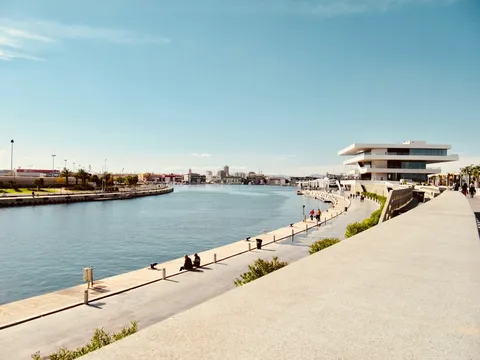 Valencia3 experiences
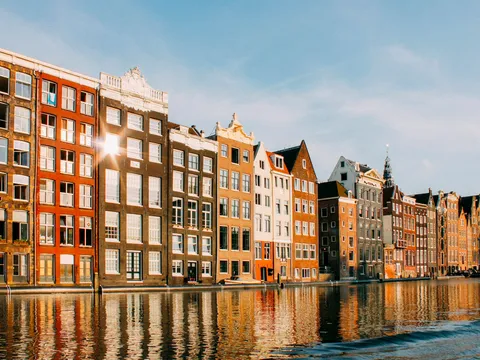 Amsterdam4 experiences
 Athens5 experiences
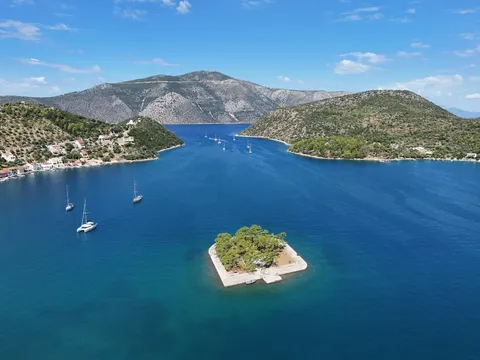 Ithaca4 experiences
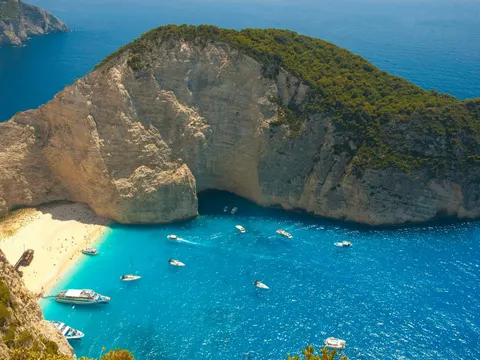 Zakynthos1 experience
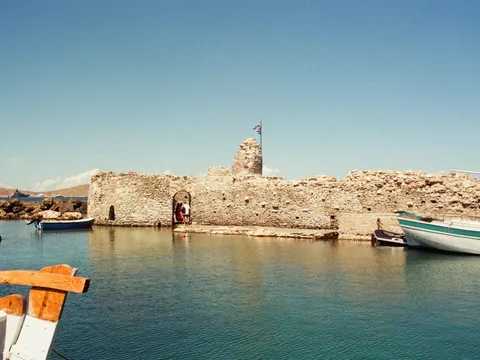 Paros1 experience
 Split5 experiences
 Reykjavík1 experience
 Grand Cayman7 experiences
 Montego Bay6 experiences
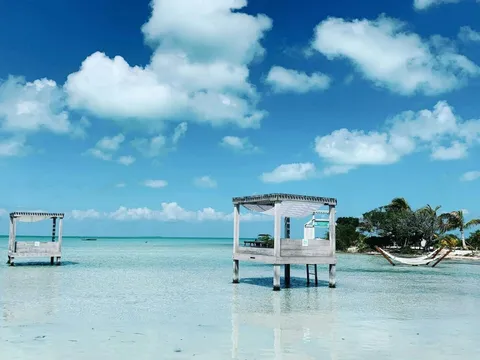 Belize3 experiences
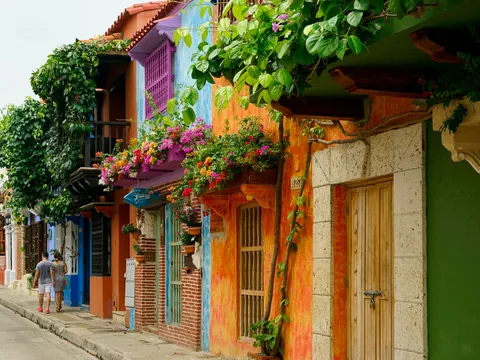 Cartagena3 experiences
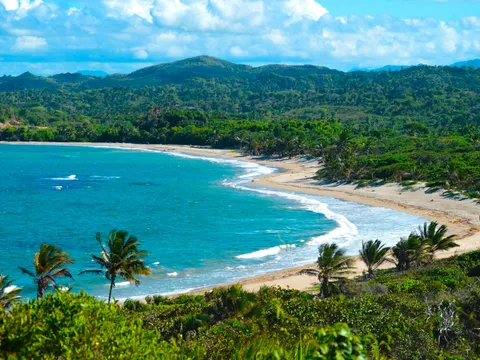 Puerto Plata2 experiences
 St Maarten1 experience
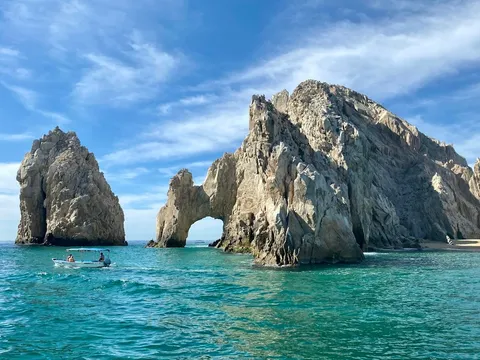 Cabo San Lucas18 experiences
 Cancun13 experiences
 La Paz5 experiences
 Cozumel4 experiences
 Puerto Vallarta3 experiences
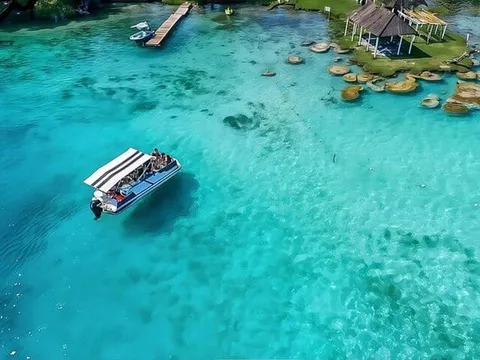 Bacalar3 experiences
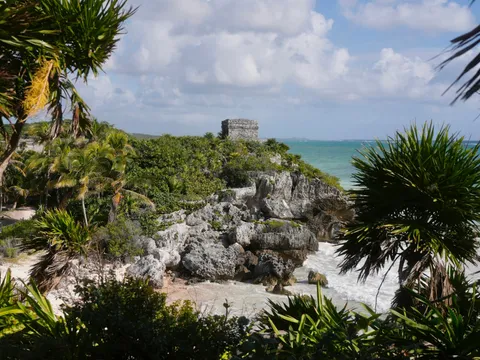 Tulum2 experiences
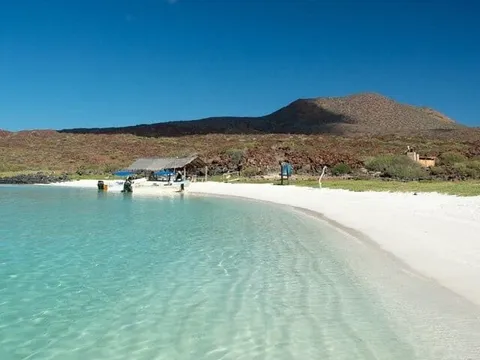 Loreto1 experience
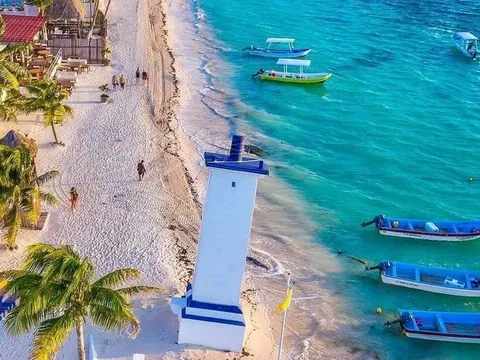 Puerto Morelos1 experience
 Mahahual1 experience
 Costa Rica3 experiences
 Zanzibar7 experiences
 Hurghada6 experiences
 Sharm el-Sheikh5 experiences
 Marsa Alam3 experiences
 Dahab1 experience
 Phuket8 experiences
 Dubai6 experiences
- All port guides →
Frequently asked questions about eastern Crete (Elounda, Agios Nikolaos and Spinalonga)
Is Spinalonga worth visiting?
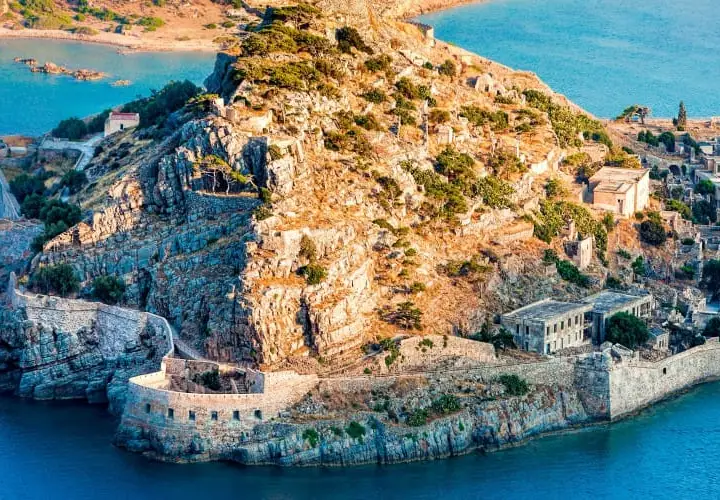
For anyone in eastern Crete, yes: it is a small island (about 8.5 hectares) with a 16th-century Venetian fortress and, later, a leper colony that lasted until 1957. According to Wikipedia it is the second most visited site in Crete after Knossos, and you can tell: a travel guide puts the peak hours in July and August between 10:30 and 14:00, so it pays to go first thing or last thing.
It is not a beach trip: it is a historical walk through an open-air archaeological site. If that is what you want, it is worth it; if you want a day of coves and swimming, combine it with the beaches of the area.
How do you get from Elounda to Spinalonga?
By boat. According to the Ephorate of Antiquities of Lasithi (Greek Ministry of Culture), which runs the site, boats leave daily from Agios Nikolaos, Elounda and Plaka. From Plaka there are only about 750 m of water to the island (Wikipedia); from Agios Nikolaos the crossing is longer. On our tour, the traditional wooden boat covers the Elounda–Spinalonga stretch in about 20 minutes.
The boat ticket and the entrance to the island are paid on site, which is why we give no figures. If you prefer a full day with hotel pick-up and drop-off, see the private tour of Elounda, Spinalonga and Agios Nikolaos and check on its page whether dates are open.
What is the history of Spinalonga?
The island has had three lives:
- Venetian fortress. According to the Greek Ministry of Culture, the Venetians built a fortress here in 1579. It stayed Venetian after the Ottomans occupied Crete in 1669, and passed to them in 1715 by agreement (Wikipedia).
- Leper colony. A law of the Cretan government in 1903 made it the place of stay for the island’s lepers; the first 251 patients arrived in October 1904, according to Wikipedia, and in 1957 they were moved to Attica.
- Archaeological site. Today it is visited as a monument. The Ephorate lists among its buildings the hospital, the dormitories, the cemetery and the colony’s disinfection chamber.
What does Spinalonga have to do with Victoria Hislop’s novel The Island?
The novel The Island (2005), by the British writer Victoria Hislop, revolves around the Spinalonga colony. According to Wikipedia it was translated into 25 languages, was adapted for television (To Nisi) and is credited with boosting tourism to the island; Visit Greece also says it brought Spinalonga international attention.
It is fiction. For the real history, the Ephorate’s website (spinalonga-island.gr) has a timeline, an interactive map and an app, Spinalonga Guide.
When is Spinalonga open, and when is the best time to go?
The Ephorate of Antiquities of Lasithi publishes a summer season from 1 April to 31 October, with daily opening, and a closure from November to March except for group visits on request. Some public holidays have closures or special hours, and the website itself warns that a visit depends on the weather and the boats. Check the current hours at spinalonga-island.gr before you go.
Within the season, a travel guide (crete.direct, March 2026) recommends May–June and September–October, with milder temperatures and fewer people. July and August are the hottest and busiest months.
How long should you spend at Spinalonga and in the area?
Spinalonga is small, and a travel guide estimates 45 to 90 minutes for its marked route, depending on pace. With the crossing there and back, count on half a day. Our private tour lasts about 9 hours and adds Agios Nikolaos and Lake Voulismeni.
For the whole area, two or three days let you add Elounda, the beaches and an excursion. If you have more time, the Greek national tourism site mentions the nearby village of Kritsa, which keeps traditional weaving alive, and further east the palm grove of Vai and the Minoan palace of Zakros, one of the Minoan palatial centres added to the UNESCO World Heritage List in 2025.
What is there to see in Agios Nikolaos and at Lake Voulismeni?
Agios Nikolaos is the capital of Lasithi and looks out over the Gulf of Mirabello, which Wikipedia describes as the largest bay of the Greek islands. Its trademark is Lake Voulismeni, a small lagoon that locals call “the lake”: a narrow canal joined it to the sea in 1870 (Visit Greece), and tavernas, restaurants and bars cluster around it. Legend says it is bottomless; a survey in 2000 measured a maximum depth of 48.8 m (Wikipedia).
The modern town began to be built in the mid-1860s, when eastern Crete needed a port, on the ruins of Kamara, the port of ancient Lato. According to Wikipedia, every year at midnight on Orthodox Easter much of the town gathers by the lake for fireworks.
What can you do in Elounda besides going to Spinalonga?
Elounda is a small harbour in a lagoon between Spinalonga and the Gulf of Mirabello, about 11–12 km from Agios Nikolaos, known for its luxury resorts and calm atmosphere (Visit Greece).
- Olous. Elounda stands where this ancient city was, now partly underwater; according to Wikipedia, what is visible is scattered wall bases, and the official tourism site places the submerged remains near the Alykes salt pans.
- The salt pans, created in Venetian times and supplying salt to part of Europe, according to Visit Greece.
- Plaka, a fishing village about 5 km north of Elounda’s main square, facing Spinalonga (Wikipedia).
- The sea: diving, windsurfing towards Plaka and swimming at the beaches behind the Kolokytha peninsula (Visit Greece).
What beaches are there near Elounda and Agios Nikolaos?
Near Agios Nikolaos, the Greek national tourism site names the beaches of Ammos, Ammoudi, Almyros, Ammoudara, Karavostasi, Agios Panteleimon, Kitroplatia and Voulisma, and Wikipedia adds small beaches inside the town. Near Elounda you can swim at the beaches behind the Kolokytha peninsula. Further east, Vai is known for its palm grove, inside a protected area in the municipality of Sitia.
We give no Blue Flag or services data, which change every season. Before choosing, check the sea state and the wind of the day.
How do you get to eastern Crete?
- By plane. The island’s international airports are Heraklion and Chania; Sitia, in the east, is small, and Wikipedia lists only destinations in Greece for it. Heraklion is the closest to Elounda and Agios Nikolaos; a new airport at Kasteli is planned to replace it, so confirm which one your flight uses.
- By ferry. There are several daily sailings from Piraeus to Heraklion (Wikipedia) and, according to Visit Greece, you can also reach Agios Nikolaos by ferry from Piraeus. Check routes and timetables on the operators’ websites.
- By road. Agios Nikolaos is 64 km from Heraklion (Wikipedia), and from Heraklion airport to Elounda the official tourism site estimates a little over an hour by car. You can also continue by bus, taxi or rental car.
How hot is it, and what is the wind like in eastern Crete?
The climate is hot-summer Mediterranean. In Agios Nikolaos, using 2010–2019 data from the National Observatory of Athens given on Wikipedia, the mean daily maximum in August is 31.6 °C, the mean in January is around 13.0 °C, about 447 mm of rain falls a year and July and August are the driest (2 mm each). A travel guide puts the sea, for the island as a whole, at 22–23 °C in June and 25–26 °C in July and August.
From mid-May to mid-September the etesian winds (meltemi) blow: according to Wikipedia they are strongest in the afternoon, can reach force 7–8 and in the Cretan Sea come from the north-west, with clear skies. The official Spinalonga website warns that a visit depends on the weather and the boats, so leave some margin.
Is this a good outing with children?
It depends on their age, but it is easy to plan. Spinalonga is an open-air site, with walls and fortifications and a highest point of about 50 m (Wikipedia): keep little ones close. The Ephorate’s website has a printable map, suggested routes, an app and two quizzes that help you prepare the visit. Admission for minors is checked on site.
In Agios Nikolaos, Lake Voulismeni has a small park above it with views (Wikipedia), and the town has small beaches. In summer, bring shade, water and sun protection.
Is Spinalonga accessible for people with reduced mobility?
We can only say what the Ephorate publishes: there is a possibility of touring the island’s main perimeter road. It gives no detail on slopes, steps or boarding the boat. According to Wikipedia, EU funding for improving accessibility has been available since 2014, and further funding for accessible exhibition spaces was approved in 2023. If you need assisted mobility, ask the Ephorate and the boat operator before booking; this is an island of fortifications, and the situation can change.
What should you wear and bring to Spinalonga?
Light clothing, a hat, sunglasses, sun protection and comfortable shoes with a firm sole: it is an island of fortifications and stone, with a mean daily maximum of 31.6 °C in August. Bring water. Do not assume there are services on the island, because sources disagree: Wikipedia mentions a small snack bar by the dock and a travel guide says there is no café, shop or toilet. In wind or outside the summer season, add a windproof layer. Swimwear is only needed if you plan to stop at a beach in the area.
