
Boat trips and experiences in Cyprus
3 experiencesPort guide →

No experiences match these filters. Try another port or type.
From the blog
Guides and news
 Destinations · 11 November 2026 · 11 minEgypt’s Red Sea by Boat: 5 Places You Shouldn’t Miss
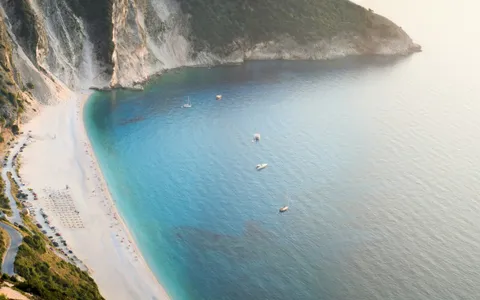 Destinations · 27 October 2026 · 7 minKefalonia by boat: cruises, beaches and islands
 Destinations · 27 October 2026 · 5 minDubai from the sea: Marina, Atlantis and sunset
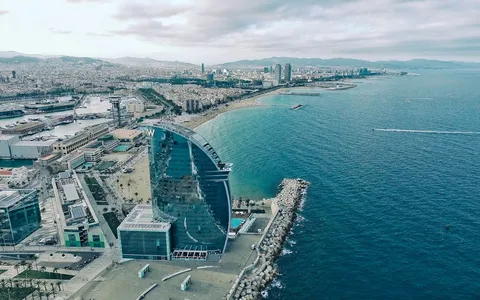 Destinations · 27 October 2026 · 5 minBarcelona from the sea: sailing from Port Olímpic
More places to sail
Every destination has its own guide and its own trips.
 Tenerife26 experiences
 Ibiza11 experiences
 Santiago de Compostela4 experiences
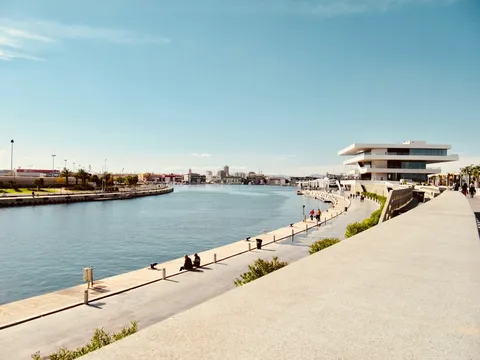 Valencia3 experiences
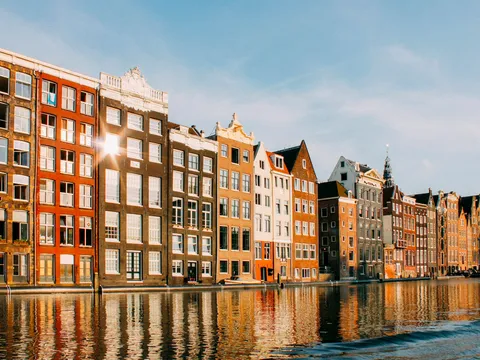 Amsterdam4 experiences
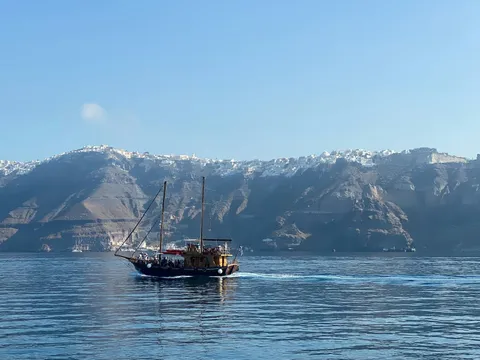 Santorini19 experiences
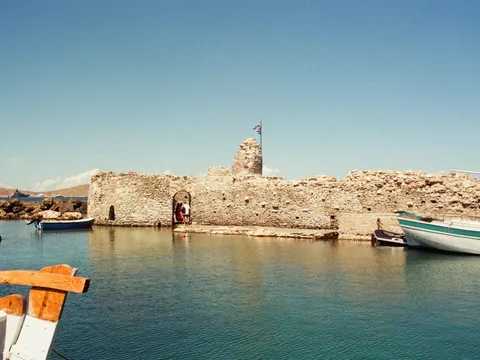 Paros9 experiences
 Athens8 experiences
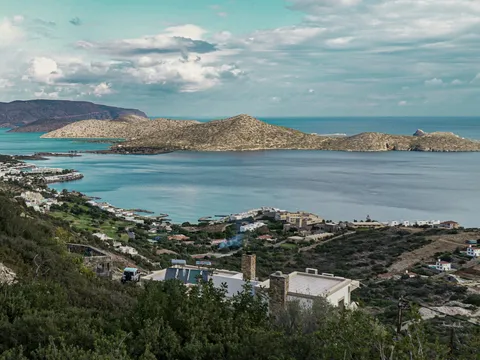 Crete8 experiences
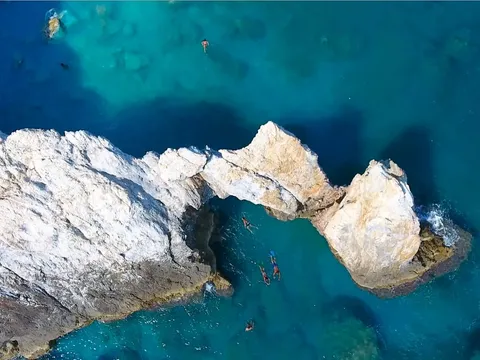 Skiathos6 experiences
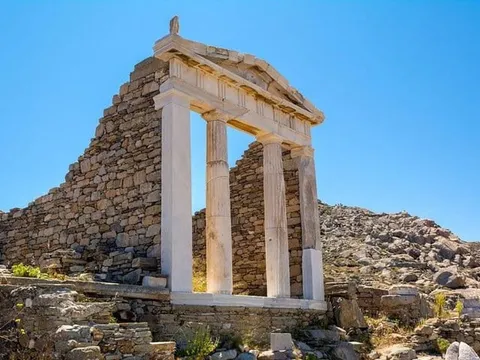 Naxos5 experiences
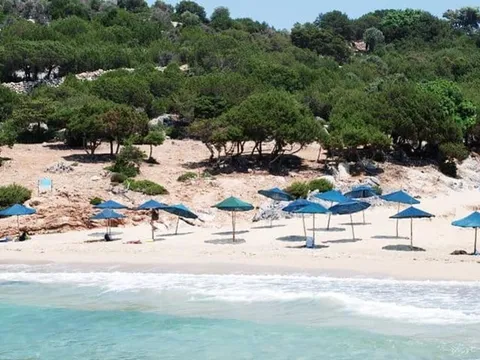 Samos5 experiences
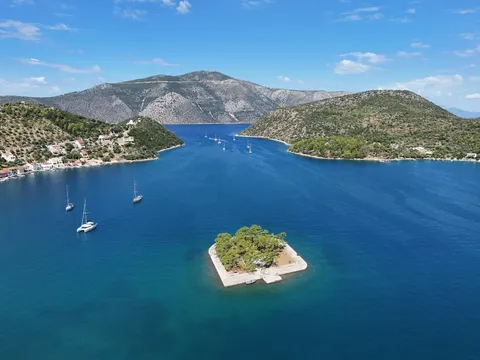 Ithaca4 experiences
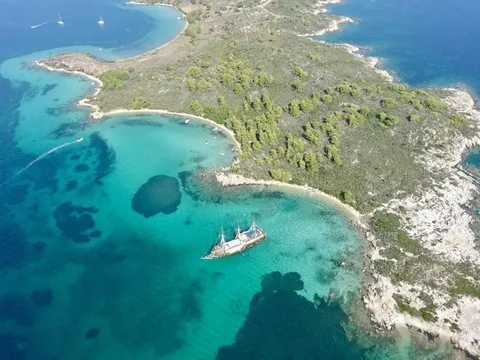 Halkidiki4 experiences
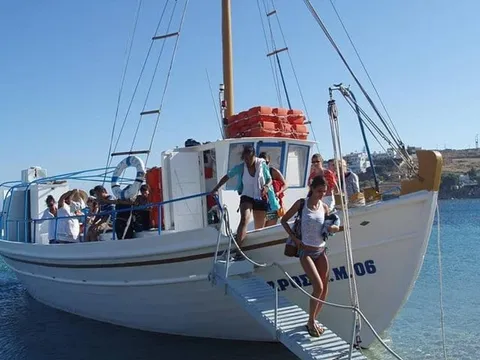 Mykonos4 experiences
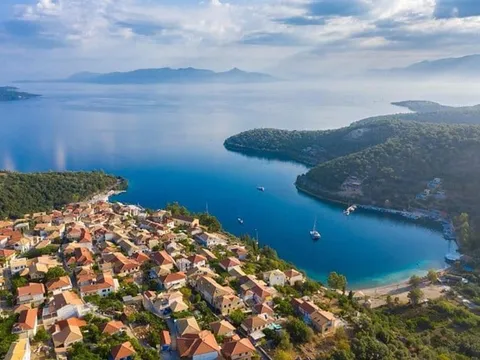 Lefkada4 experiences
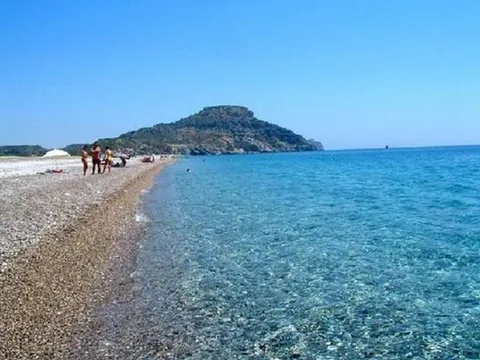 Rhodes4 experiences
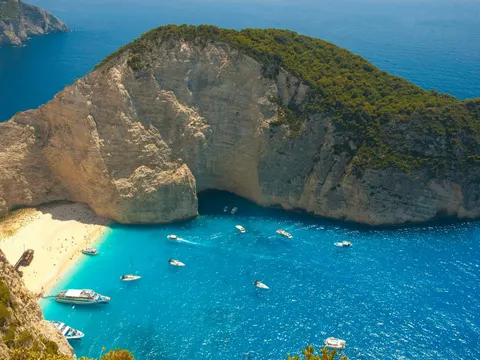 Zakynthos3 experiences
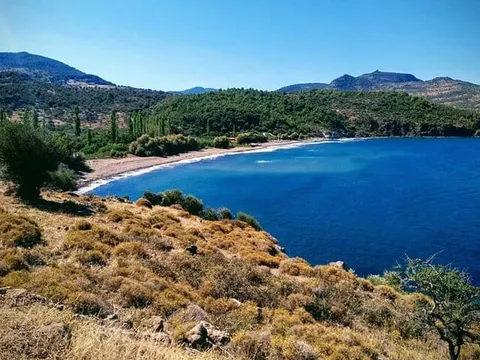 Lesbos3 experiences
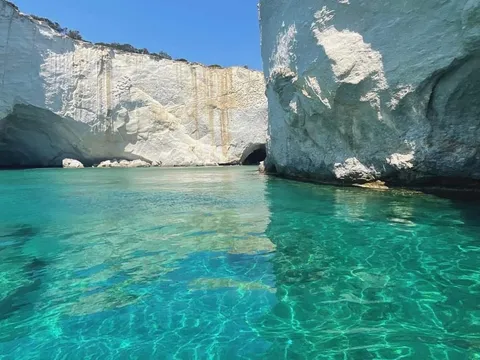 Milos2 experiences
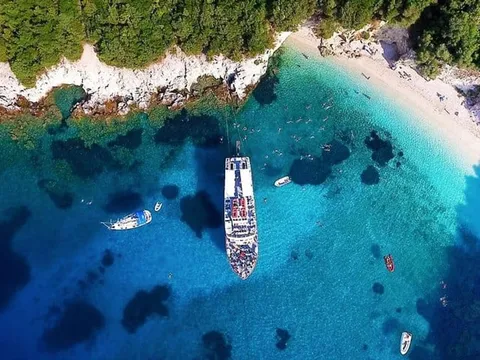 Corfu2 experiences
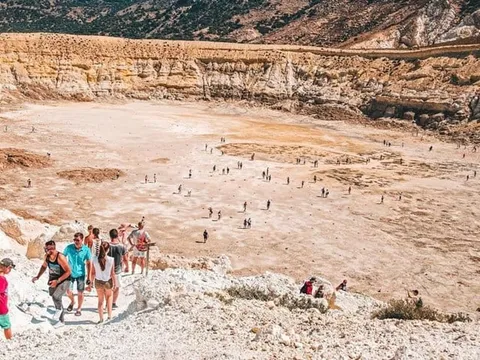 Kos2 experiences
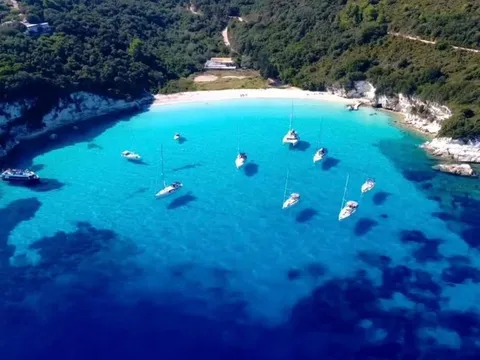 Parga1 experience
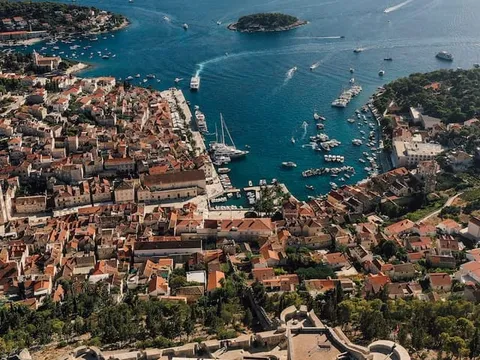 Split5 experiences
 Reykjavík12 experiences
 Akureyri2 experiences
 Puerto Plata13 experiences
 Samaná12 experiences
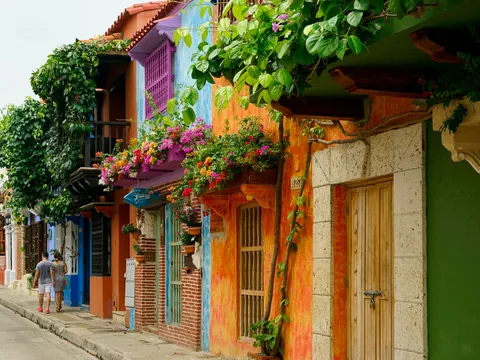 Cartagena9 experiences
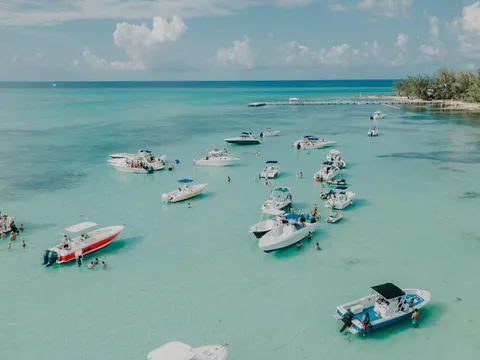 Grand Cayman7 experiences
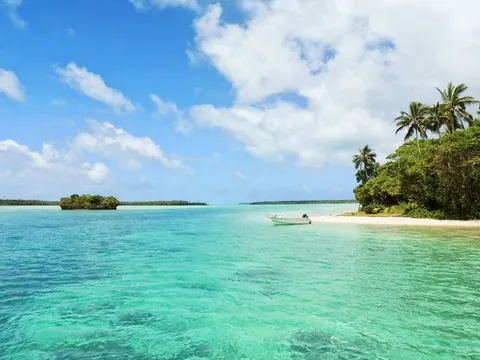 Montego Bay6 experiences
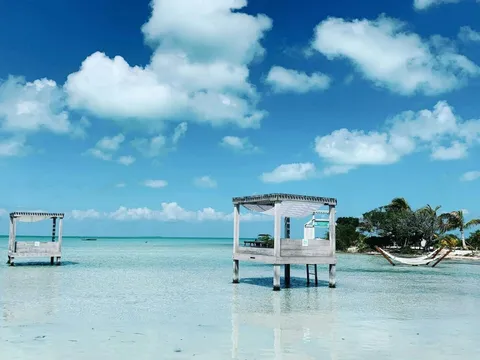 Belize4 experiences
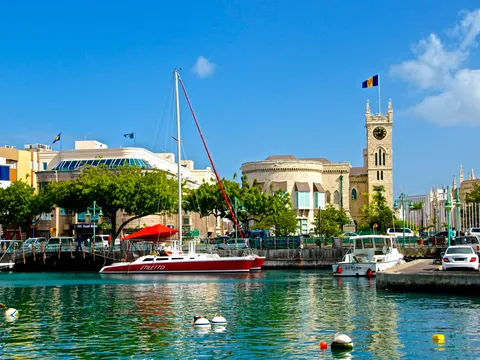 Barbados4 experiences
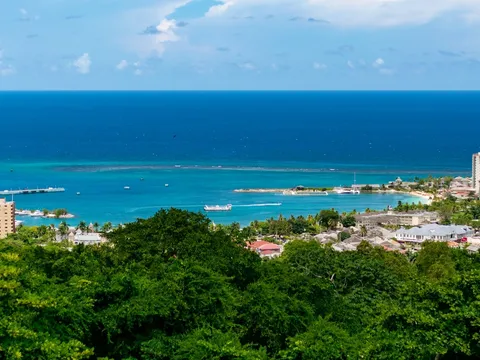 Ocho Rios4 experiences
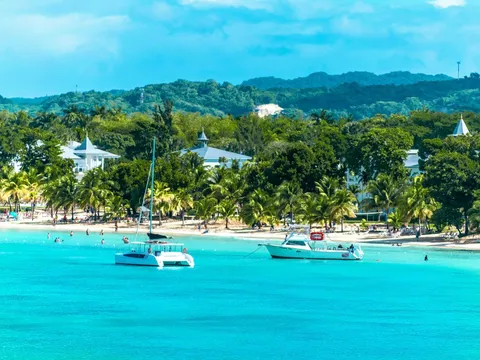 Negril3 experiences
 St Maarten1 experience
 Cabo San Lucas40 experiences
 Cancun20 experiences
 Cozumel10 experiences
 Bacalar6 experiences
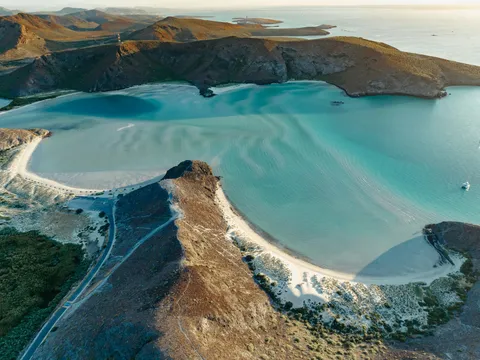 La Paz5 experiences
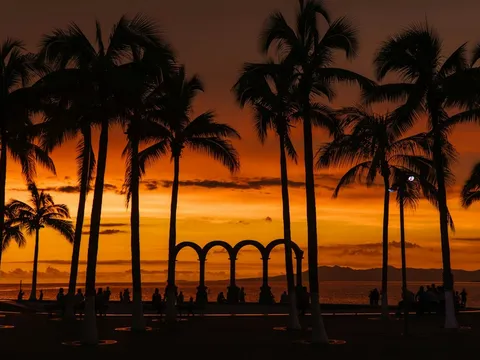 Puerto Vallarta3 experiences
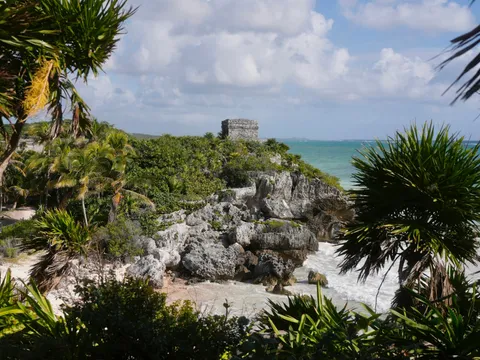 Tulum2 experiences
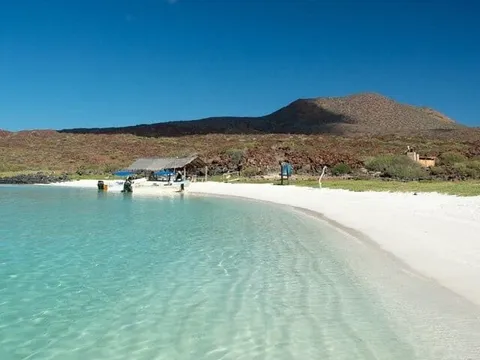 Loreto1 experience
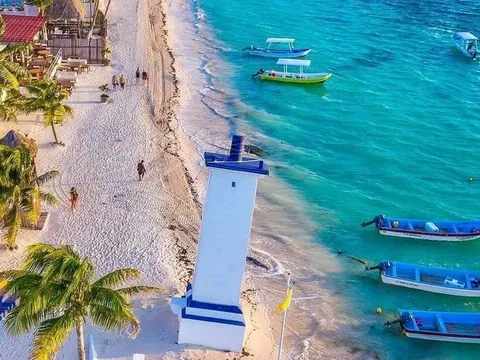 Puerto Morelos1 experience
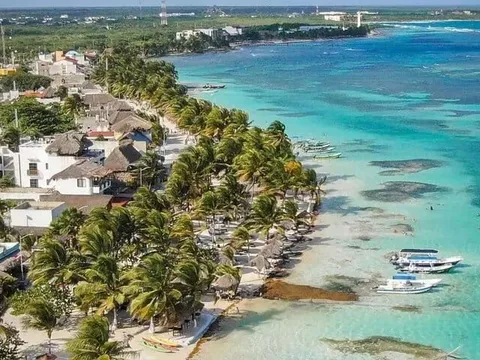 Mahahual1 experience
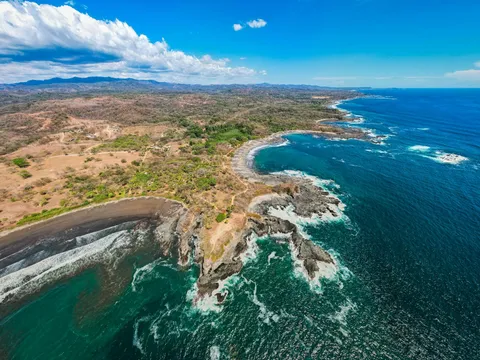 Costa Rica10 experiences
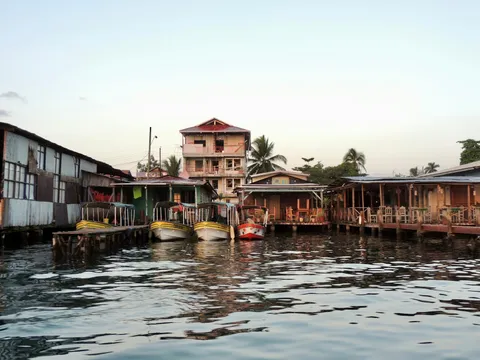 Bocas del Toro2 experiences
 Panama2 experiences
 Zanzibar38 experiences
 Hurghada6 experiences
 Sharm el-Sheikh5 experiences
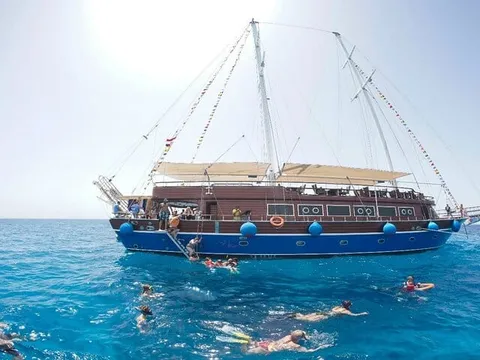 Marsa Alam2 experiences
 Dahab1 experience
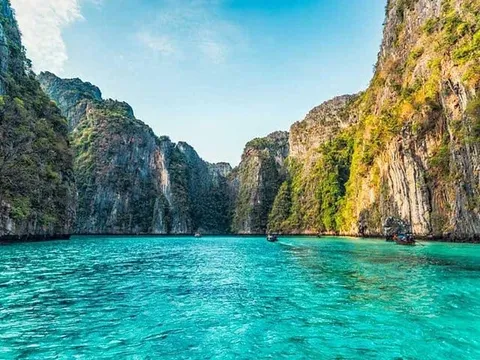 Phuket19 experiences
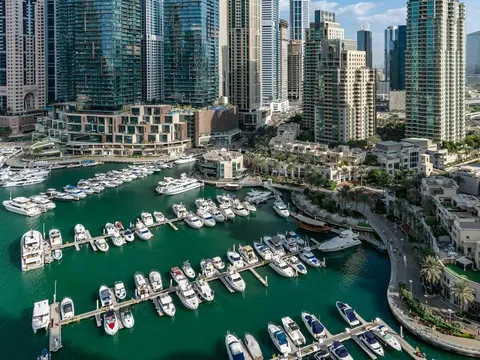 Dubai1 experience
- All port guides →
Frequently asked questions about Cyprus
What are our trips in Cyprus and where do they start?
Cyprus is one zone on our site, but the three trips start from different towns, so check the page of the one you want:
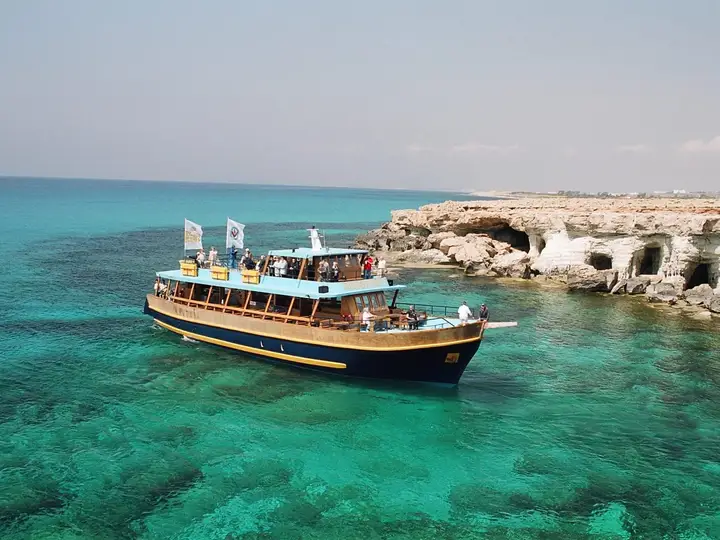
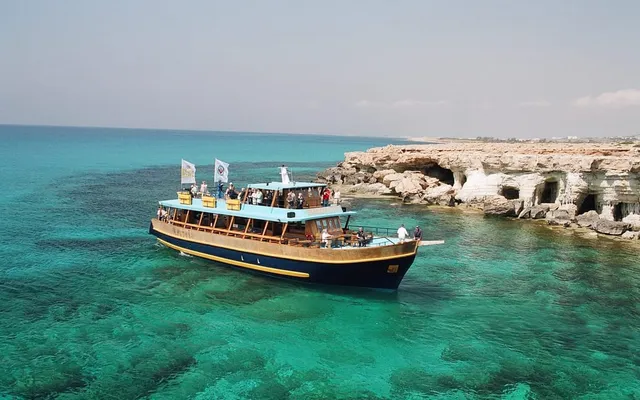
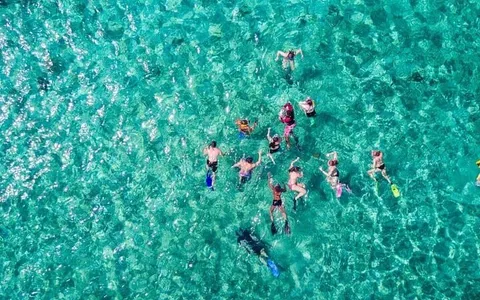
- Discovery boat trip from Ayia Napa: about 5 hours by boat along the east coast, with swimming stops and lunch on board, starting at Ayia Napa harbour.
- Akamas 4x4 adventure and Blue Lagoon boat trip from Limassol: about 9 hours, mostly a 4x4 tour of the Akamas peninsula with a boat cruise that boards at the harbour of Latchi.
- Famagusta and Blue Lagoon jeep safari and cruise: about 8 hours, a jeep safari that includes Famagusta, in the northern part of the island, followed by a boat leg from Ayia Napa harbour.
Only the first is a boat trip along the coast; the other two include long stretches on land.
When is the best time to go to Cyprus for a boat trip?
According to the Cyprus Tourism Organisation, Cyprus has a Mediterranean climate with long dry summers from mid-May to mid-October and mild winters from December to February, with short spring and autumn seasons. It says the open sea is above 22 °C from June to November, reaches 27 °C in August and averages 16–17 °C from January to March.
For swimming, June to September gives the warmest sea. Our trips are scheduled in the warm season: the calendar of each page shows the open dates.
How hot does it get, and how do I protect myself from the sun?
The Cyprus Tourism Organisation gives 38 °C and 27 °C as the average July and August maximums for the central plain and the Troodos Mountains, and says the six summer months average about 11.5 hours of bright sunshine a day, against about 6 hours in December and January. It adds that summer midday humidity is very low.
The trip pages list a hat, sunglasses, sunscreen and swimwear as things to bring. The Akamas and Famagusta days include walking and time on land, so carry water. The UK government also warns of a high risk of wildfires from April to October and advises registering your phone for emergency alerts; the emergency number is 112.
How do I get to Cyprus?
The Cyprus Tourism Organisation says that visitors arriving by air may enter the Republic of Cyprus only through the international airports of Larnaka and Pafos, and that airport transfer buses link both airports with the towns. It also says that for the time being there is no ferry connection between Cyprus and other countries.
A passport is required, except that EU citizens, and citizens of Switzerland, Iceland, Liechtenstein and Norway, may enter with a national identity card with a photograph, according to the same organisation. Check the requirements for your own nationality before you travel.
How do I get around Cyprus?
According to the Cyprus Tourism Organisation, Cyprus has no train or underground. It has airport, interurban, urban and rural buses, metered taxis in the towns, and car and motorcycle hire. Four-lane motorways link Nicosia with Limassol, Larnaca, Paphos and Ayia Napa.
Traffic drives on the left. The UK government warns that driving standards are poor and that you can be heavily fined for not wearing a seat belt or for using a mobile phone while driving. Our trips are booked with pick-up, and the trip page says what applies; the operator confirms the exact place before your date.
Does the Famagusta trip really go into the north of the island?
Yes. The page of the Famagusta and Blue Lagoon jeep safari and cruise says that the jeep crosses into the northern part of Cyprus, passes the abandoned quarter of Varosha and stops at Famagusta’s old city and its Venetian walls, before returning to Ayia Napa harbour for the boat.
The Cyprus Tourism Organisation says that the government of the Republic of Cyprus is not in a position to exercise control over the northern part of the island and that it is possible for foreign tourists to cross from the government-controlled area. The trip page does not list documents, so bring your passport or identity card and ask the operator which ones it requires. The UK government adds that cars hired in the Republic often have no insurance cover in the north, so check with your rental company if you plan to drive there yourself.
Does the Ayia Napa boat trip go to Famagusta?
No, it does not land there. The page of the Discovery boat trip from Ayia Napa says the boat sails along the east coast, passing Konnos Bay, the Blue Lagoon and Green Bay, and reaches the viewpoint of Varosha and Famagusta, with several swimming stops on the way and lunch on board. It is a view from the sea, not a visit.
What is the Lara–Toxeftra turtle reserve and what are the rules?
The Department of Forests says the coastal region of Lara–Toxeftra, about 15 km from Pafos, was declared a marine and coastal reserve in 1990 to protect the green turtle and the loggerhead turtle that lay their eggs on its sandy beach. The reserve covers 650 hectares, 100 on land and 550 at sea.
The Department lists these regulations for the area:
- no camping and no umbrellas or sunbeds;
- no people in the area in the evenings and no cars on the beach;
- no entry or mooring of boats in the gulf, and no fishing except with fishing rods.
It also says that the Department of Fisheries and Marine Research runs a nest-protection station every year from 1 June to 30 September. This information comes from an older Department of Forests publication, so ask the operator what applies on the day. The Akamas 4x4 adventure and Blue Lagoon boat trip from Limassol stops at Lara Bay by 4x4; follow your guide’s instructions there.
What is the Akamas peninsula, and what are the rules for visitors?
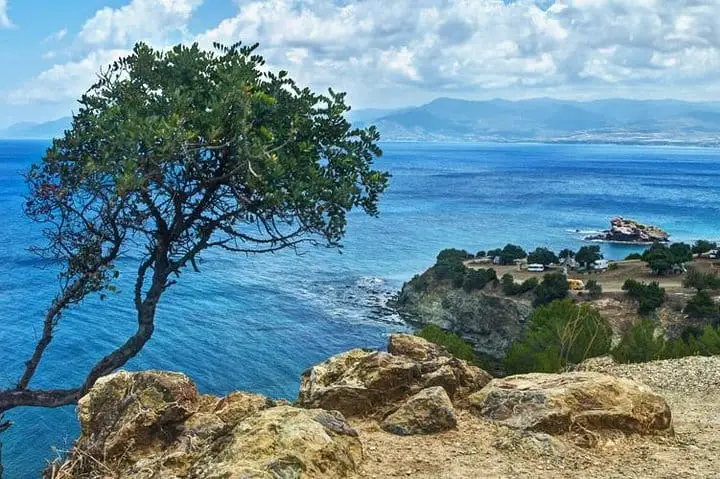
The Department of Forests describes Akamas as the westernmost tip of Cyprus, covering about 17,000 hectares, of which about 7,000 are state forest. It says the state is promoting its declaration as a national park and proposes it for the Natura 2000 network, and that the Baths of Aphrodite lie between Polis and Cape Arnaoutis.
Its visitor code asks you not to light fires except in the barbecues of picnic and camping sites, not to litter, not to disturb animals and birds, not to cut branches or uproot plants, and to avoid smoking when walking along nature trails. The Akamas 4x4 day from Limassol visits the Avakas Gorge, Lara Bay and the Baths of Aphrodite; your guide leads the walk.
What is Cape Gkreko, and can I see the sea caves?
The Cyprus Tourism Organisation describes Cape Gkreko, east of Ayia Napa and south-east of Protaras, as a 385-hectare National Forest Park and Natura 2000 site with many caves along its coast, popular for diving and boat trips. It lists a 4 km linear sea caves trail of about 1.5 hours, rated 1 on its difficulty scale, that ends at the church of Agioi Anargyroi, built over a sea cave.
On our Famagusta and Blue Lagoon jeep safari and cruise the boat passes the sea caves and Cavo Greko, according to the trip page. Cave visits depend on the sea state: the operator confirms what is possible on the day.
What if the sea is rough or the weather is bad?
The trip pages do not say what happens to a booking when a trip cannot run, and they do not describe the operator’s rules for rough sea: the operator confirms any change to the itinerary or the date.
On general sea safety, the UK government says bathing in Cyprus is generally safe but that there can be strong waves and currents, and it advises following warning signs and swimming only on approved beaches. An older Cyprus Tourism Organisation handbook describes the lifeguard flags: red over yellow means good conditions with the lifeguard on duty, yellow means swim with caution and red means do not swim.
Are the trips suitable for children, and are they accessible?
The trip pages set these age categories: on the Ayia Napa boat trip a child is aged 3 to 11; on the Akamas day an adult is 13 or older, a child is 3 to 12 and an infant is 0 to 2; on the Famagusta day a child is 3 to 12. The Akamas and Famagusta days accept up to 15 people in one booking.
The trip pages do not describe accessibility, car seats or the terrain of the walks, so ask the operator before booking if anyone has reduced mobility or travels with a baby.
What if I get seasick, and what should I wear?
The NHS advises sitting in the middle of a boat, looking at a fixed point such as the horizon, getting fresh air, avoiding heavy or spicy meals and alcohol shortly before or during travel, and asking a pharmacist about tablets, patches or acupressure bands.
For clothing, the trip pages list swimwear, sunglasses, sunscreen and a hat. On the Akamas and Famagusta days add comfortable shoes for the walks, which is our suggestion rather than a requirement of the trip page.
What do I need to know about money, language and plugs?
According to the Cyprus Tourism Organisation, the euro is the currency, and hotels, shops and restaurants widely accept credit cards, with Visa and Mastercard the most accepted. It describes tipping as optional but appreciated. English is spoken by nearly everyone, according to the same body, and Greek is an official language.
An older Cyprus Tourism Organisation handbook gives the electricity supply as 230 volts, 50 Hz, with sockets usually 13 amp and square-pin. Check that your plug fits. Tips and personal expenses are not included in any of our trips.
