
Boat trips and experiences in Sri Lanka
23 experiencesPort guide →
⏱ 12 h · 👥 up to 15
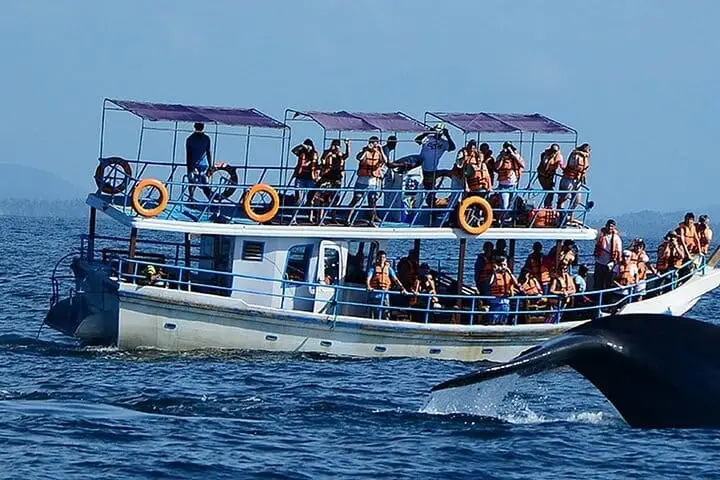
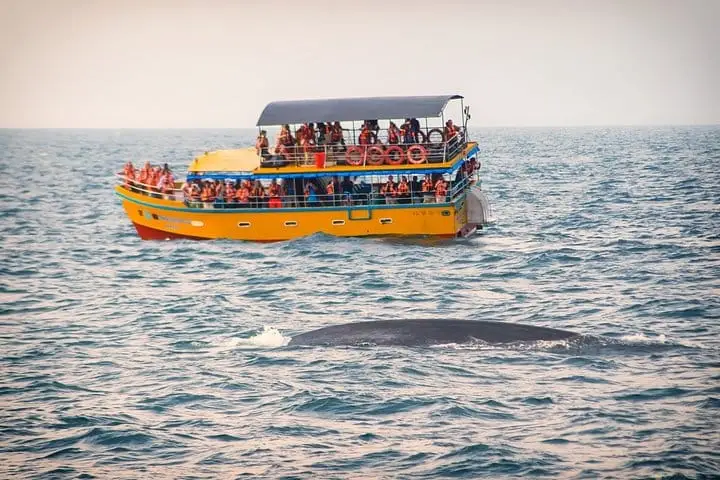
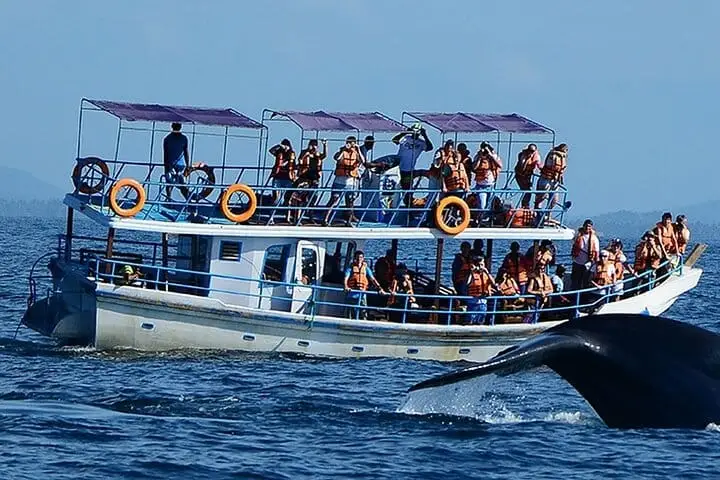
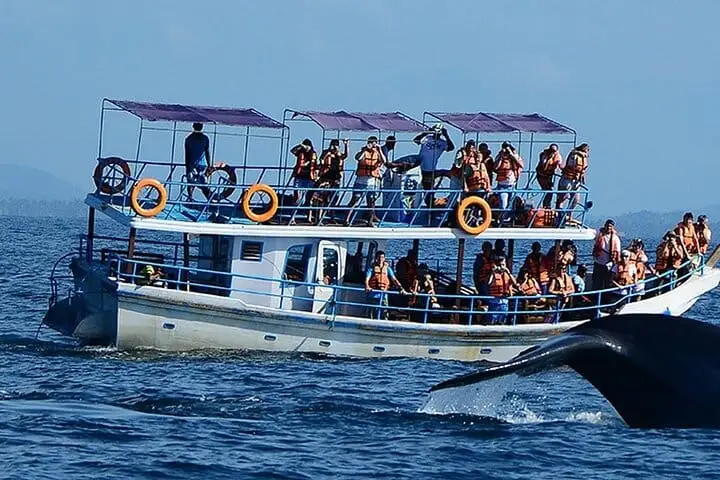
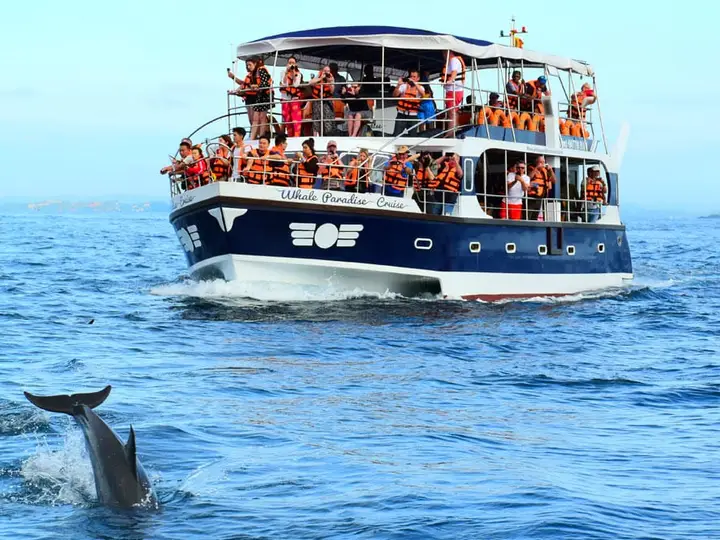
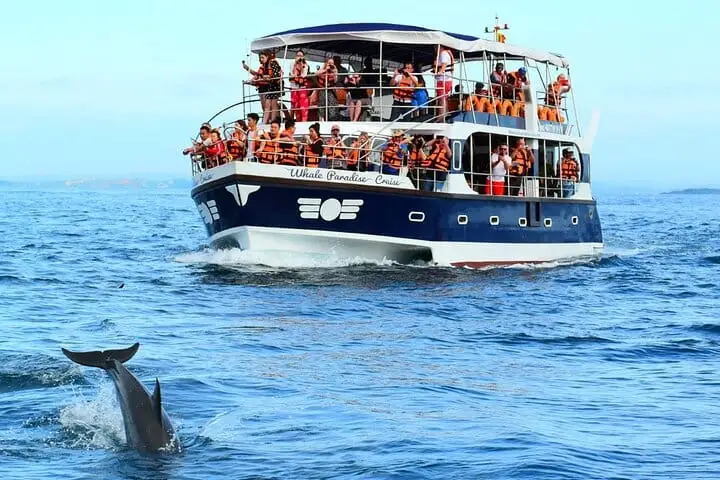
Mirissa Whale Watching from Negombo, Full Day with Spanish or English Guide
from €91.36 / person
⏱ 3 h · 👥 up to 42
Madu River boat safari with Hikkaduwa, Galle and Kosgoda turtle hatchery from Colombo
from €109.63 / person
⏱ 6 h · 👥 up to 15
Madu River boat safari and Kosgoda turtle hatchery from Bentota
from €31.98 / person
⏱ 7 h 30 min · 👥 up to 15
Muthurajawela Sanctuary bird watching and Negombo Lagoon boat trip from Colombo
from €164.45 / person
⏱ 7 h · 👥 up to 15
Muthurajawela Sanctuary boat safari with bird watching and Negombo town, from Colombo and Negombo
from €54.82 / person
⏱ 12 h · 👥 up to 40
Muthurajawela lagoon boat safari with bird watching, long day from Colombo, Negombo and Katunayaka
from €68.52 / person
⏱ 9 h · 👥 up to 15
Madu River boat safari, Hikkaduwa coral reef and Galle city from Bentota
from €114.20 / person
⏱ 9 h · 👥 up to 15
Madu River boat safari, Hikkaduwa coral reef and Galle city from Colombo
from €146.18 / person
⏱ 9 h · 👥 up to 15
Madu River boat safari, Hikkaduwa coral reef and Galle city from Galle
from €137.04 / person
⏱ 9 h · 👥 up to 15
Madu River boat safari, Hikkaduwa coral reef and Galle city from Hambantota
from €127.91 / person
⏱ 9 h · 👥 up to 15
Madu River boat safari, Hikkaduwa coral reef and Galle city from Tangalle
from €150.74 / person
⏱ 9 h · 👥 up to 15
Madu River boat safari, Hikkaduwa coral reef and Galle city from Udawalawa
from €155.31 / person
No experiences match these filters. Try another port or type.
From the blog
Guides and news
 Destinations · 24 November 2026 · 12 minPhi Phi with Kids: Snorkelling Ages and Safety Guide
 Destinations · 20 November 2026 · 9 minThailand Entry Requirements: TDAC, Passport and Insurance
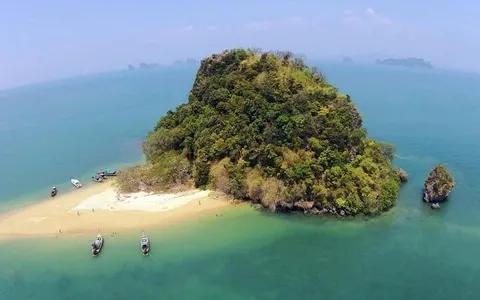 Destinations · 17 November 2026 · 12 minPhi Phi, Phang Nga or Krabi: Which Day Trip from Phuket?
 Destinations · 13 November 2026 · 10 minPhuket Sunset Boat Trip: Phi Phi, Sharks and Season
More places to sail
Every destination has its own guide and its own trips.
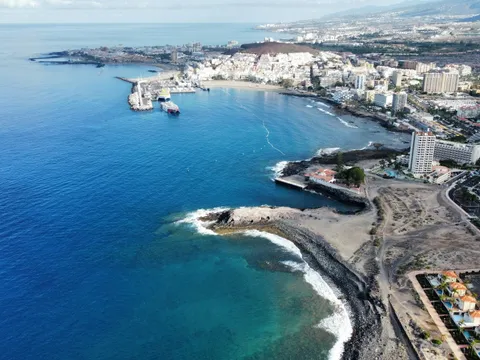 Tenerife26 experiences
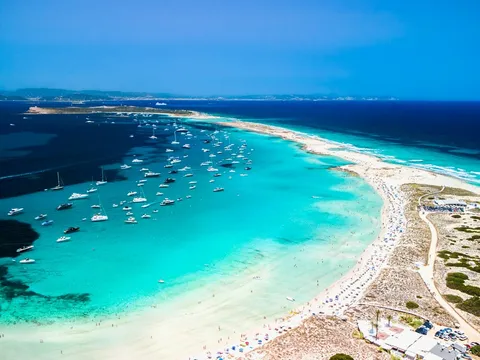 Ibiza11 experiences
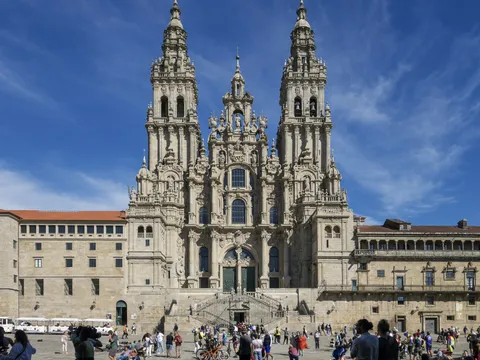 Santiago de Compostela4 experiences
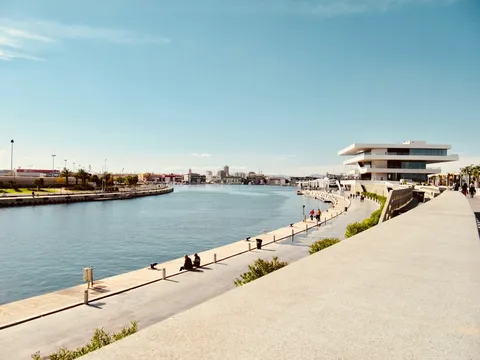 Valencia3 experiences
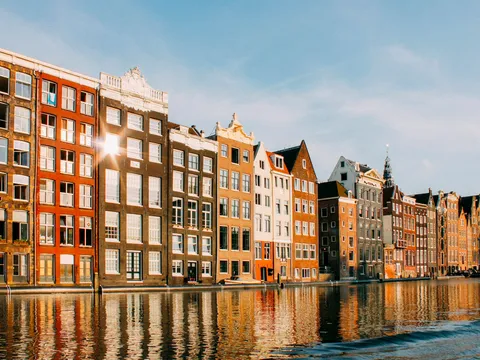 Amsterdam4 experiences
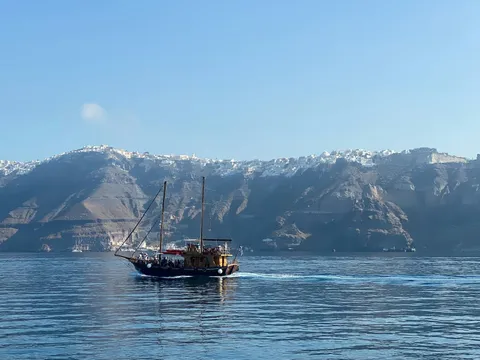 Santorini19 experiences
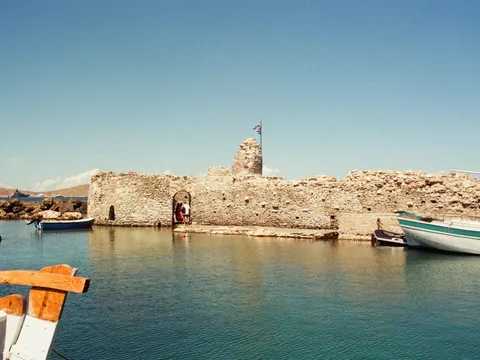 Paros9 experiences
 Athens8 experiences
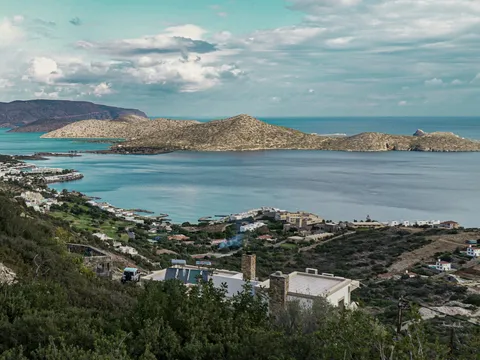 Crete8 experiences
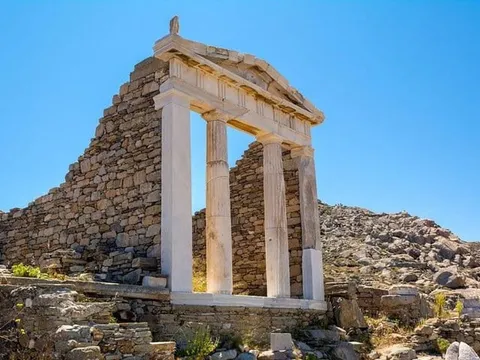 Naxos5 experiences
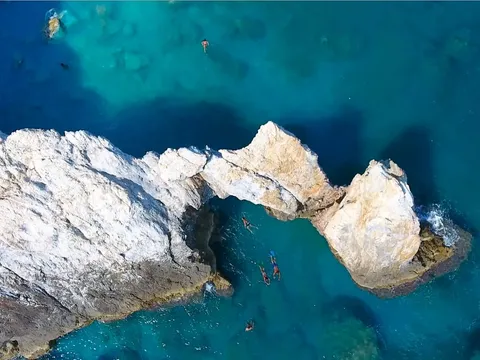 Skiathos5 experiences
 Samos5 experiences
 Ithaca4 experiences
 Halkidiki4 experiences
 Lefkada4 experiences
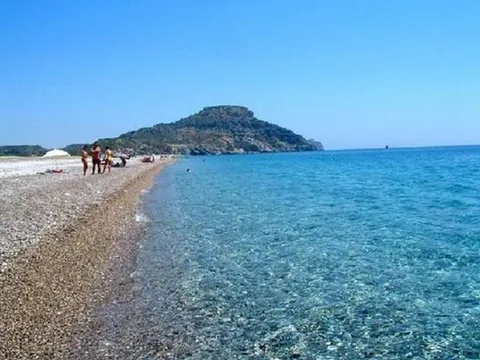 Rhodes4 experiences
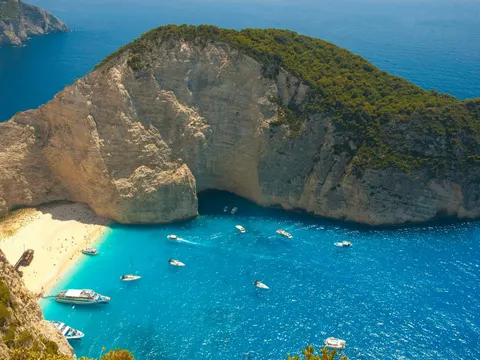 Zakynthos3 experiences
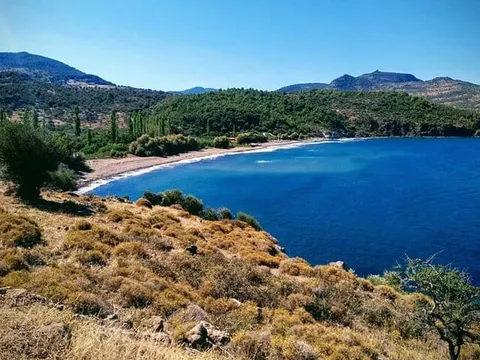 Lesbos3 experiences
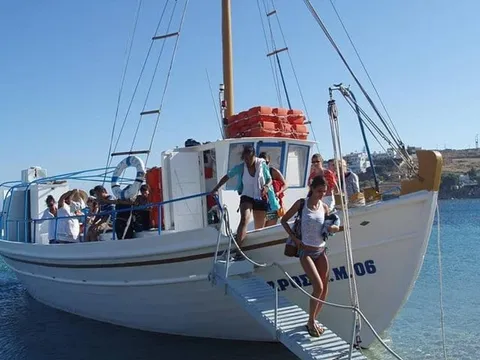 Mykonos3 experiences
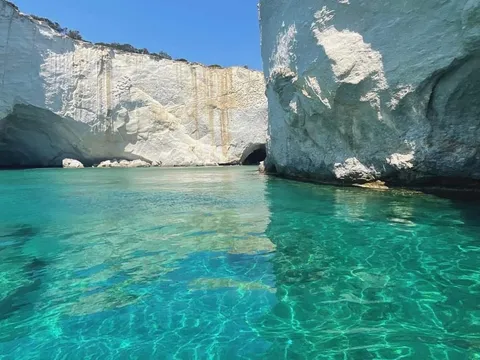 Milos2 experiences
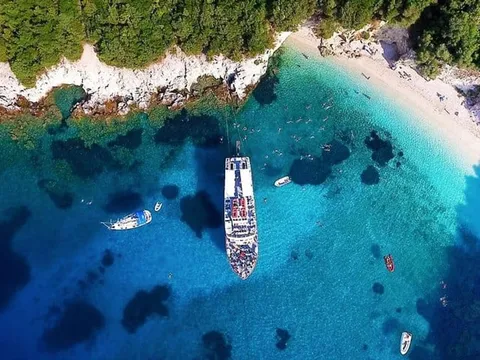 Corfu2 experiences
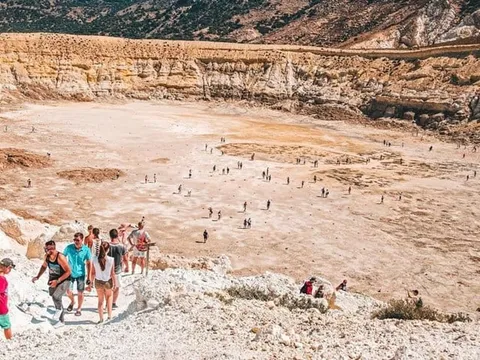 Kos2 experiences
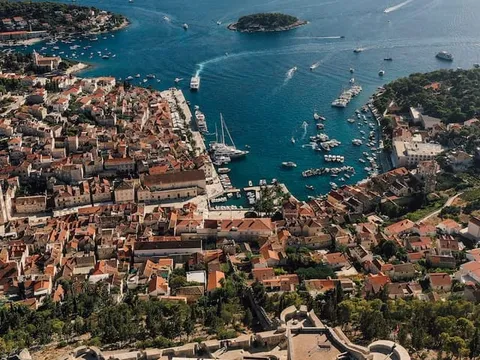 Split5 experiences
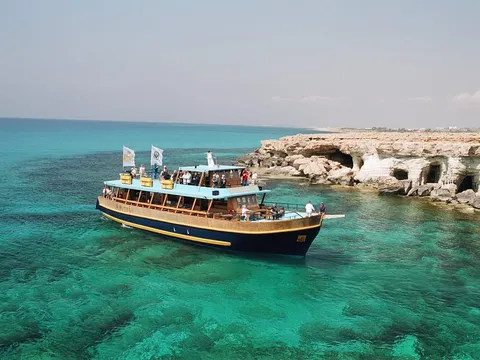 Cyprus3 experiences
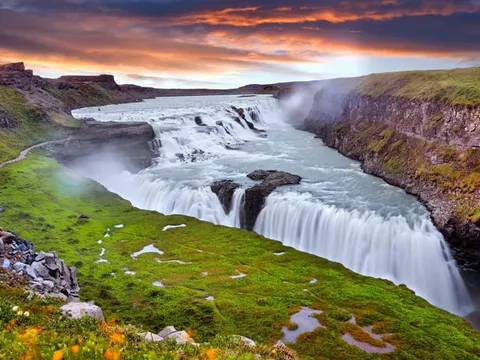 Reykjavík12 experiences
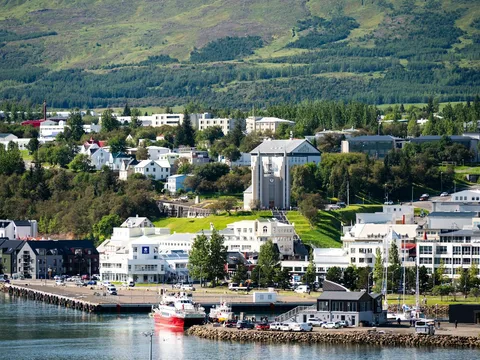 Akureyri2 experiences
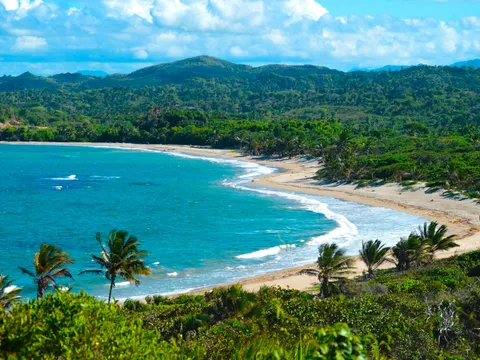 Puerto Plata13 experiences
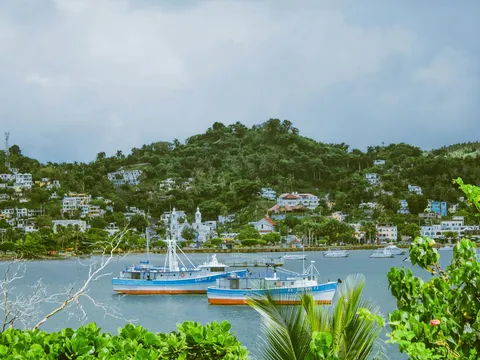 Samaná12 experiences
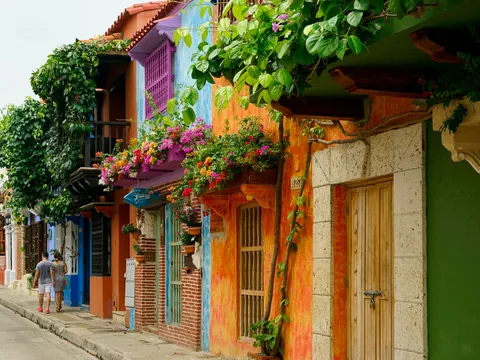 Cartagena9 experiences
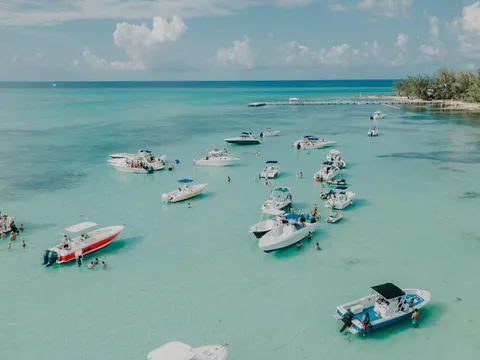 Grand Cayman7 experiences
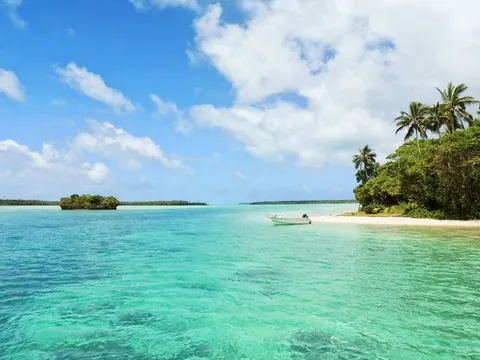 Montego Bay6 experiences
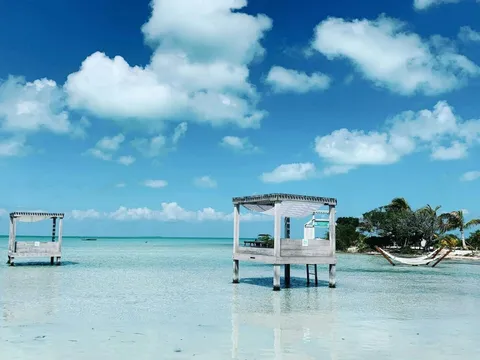 Belize4 experiences
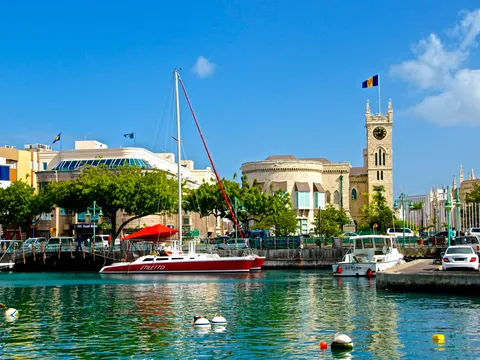 Barbados4 experiences
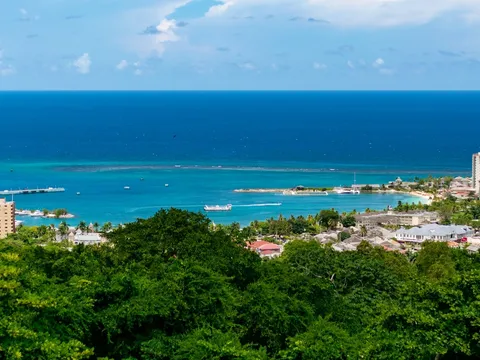 Ocho Rios4 experiences
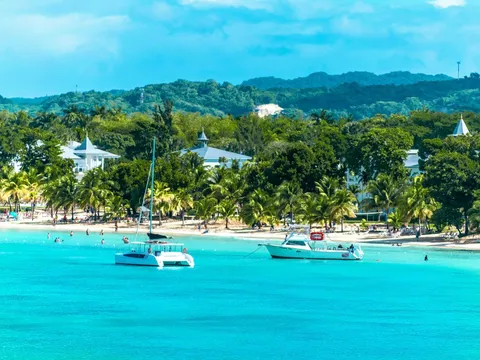 Negril3 experiences
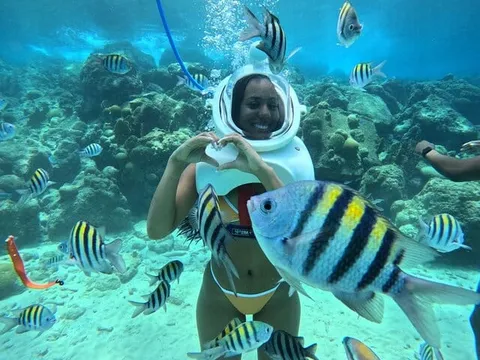 St Maarten1 experience
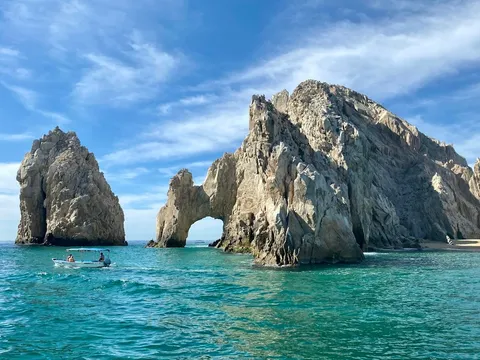 Cabo San Lucas40 experiences
 Cancun20 experiences
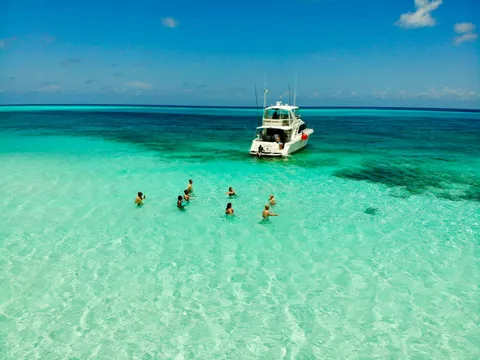 Cozumel10 experiences
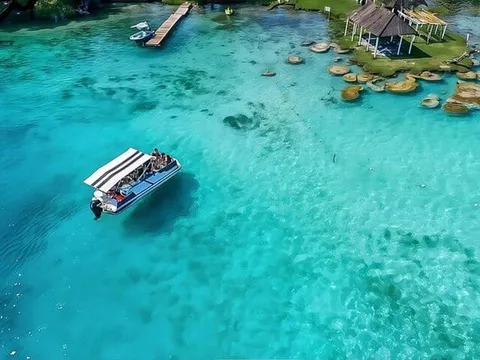 Bacalar6 experiences
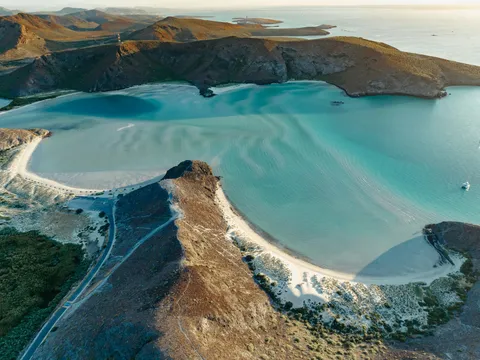 La Paz5 experiences
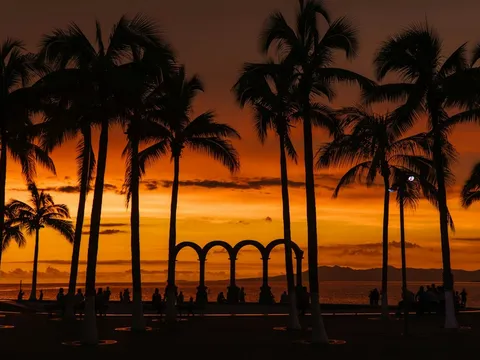 Puerto Vallarta3 experiences
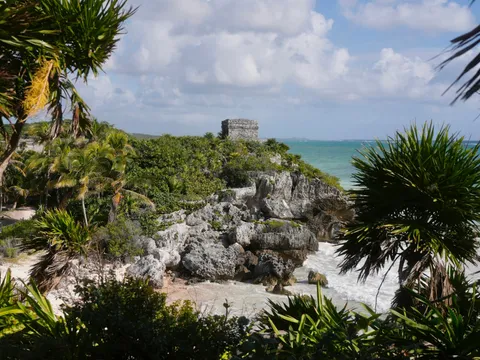 Tulum2 experiences
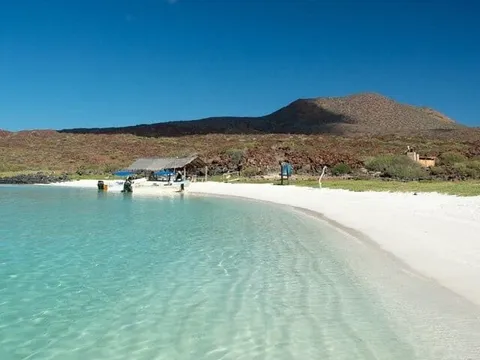 Loreto1 experience
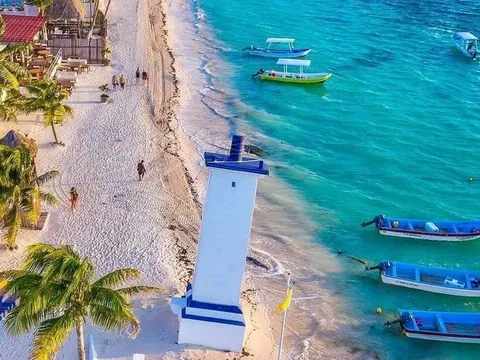 Puerto Morelos1 experience
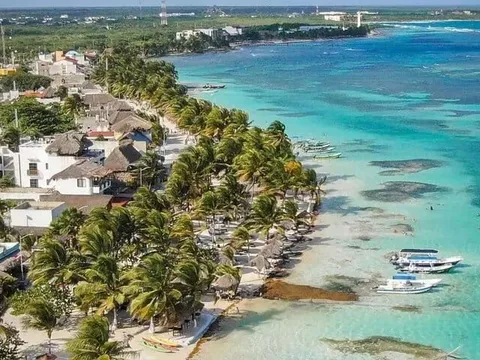 Mahahual1 experience
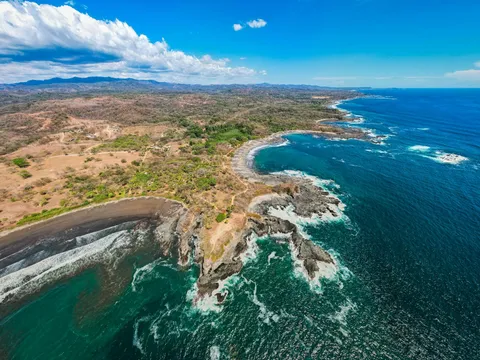 Costa Rica10 experiences
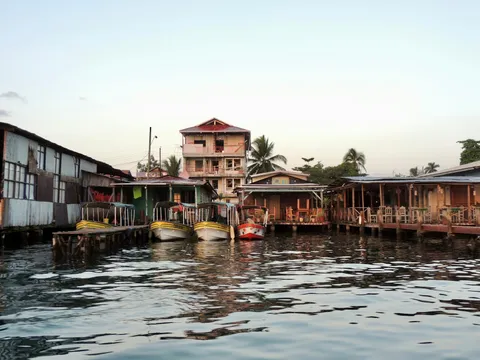 Bocas del Toro2 experiences
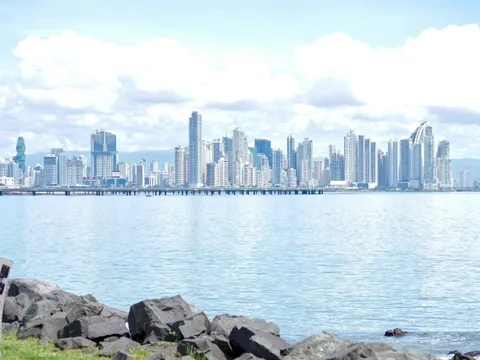 Panama2 experiences
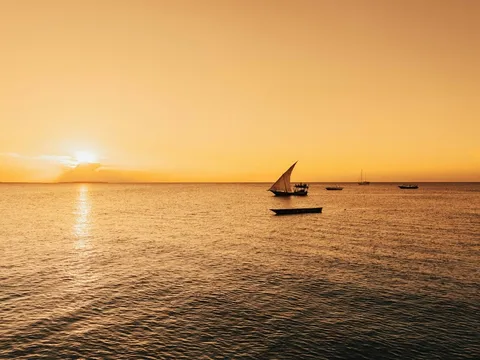 Zanzibar38 experiences
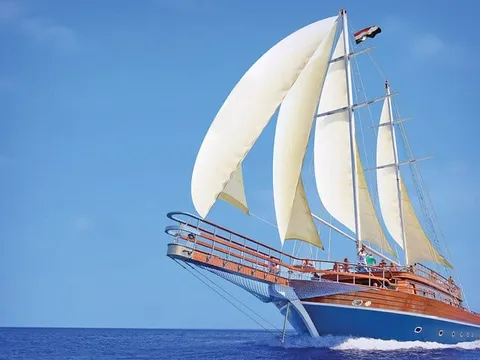 Hurghada6 experiences
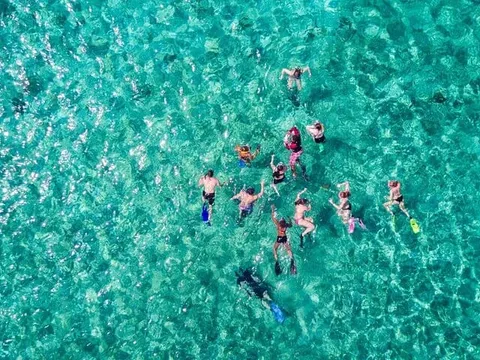 Sharm el-Sheikh5 experiences
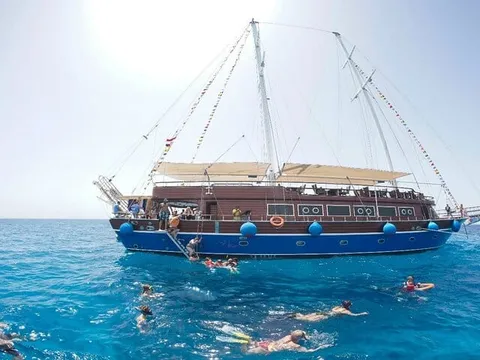 Marsa Alam2 experiences
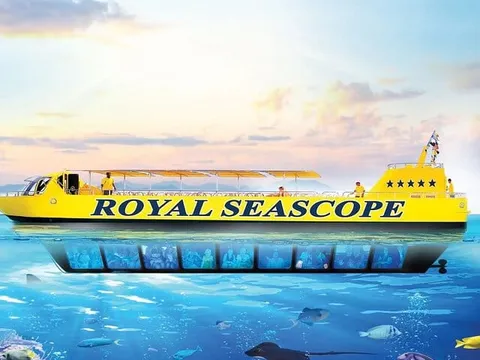 Dahab1 experience
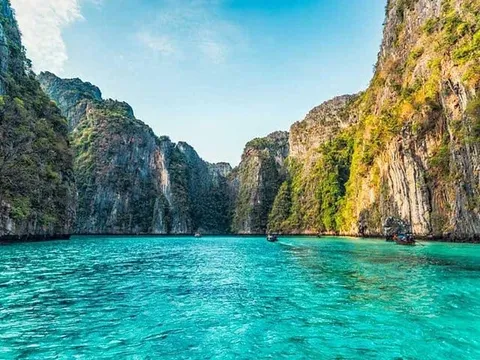 Phuket19 experiences
 Dubai1 experience
- All port guides →
Frequently asked questions about Sri Lanka’s south-west coast
When is the best time to go to Sri Lanka’s south-west coast, and what is the weather like?
It depends on the monsoons. According to a summary by India’s Meteorological Department of the data of Sri Lanka’s Department of Meteorology, the year has four seasons:
- December to February: the north-east monsoon.
- March to April: the first inter-monsoon.
- May to September: the south-west monsoon, which the Department of Meteorology said in May 2026 had established over the island, with more rainfall expected across the south-western parts.
- October to November: the second inter-monsoon.
The Marine Tourism Roadmap of the Sri Lanka Tourism Development Authority (SLTDA) describes the season around Galle as winter-centric and names June, July and August as the traditional off-season months on the south coast. We found no official source with temperatures or sea conditions by month, so we give none: check the Department of Meteorology forecast a few days before you go.
When can I see whales from Mirissa?
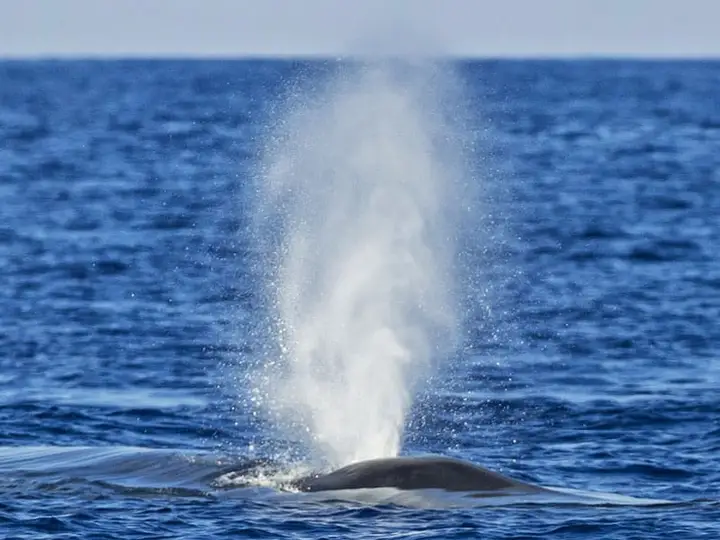
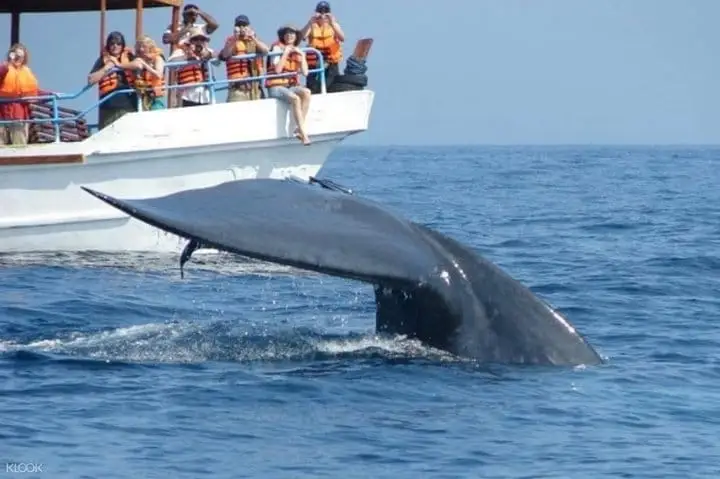
We cannot give you months. The official pages we could read do not state a whale season for Mirissa, so we do not state one either. Whales are wild animals and no outing can promise a sighting.
What we can say is which dates are on sale: the calendar of each trip shows them. The same boat day is listed from several pick-up towns, for example the Mirissa whale watching from Mirissa, the Mirissa whale watching from Colombo or the Mirissa whale watching from Galle.
What kind of outing is this? Do we sail from a harbour?
These are road-and-boat days. All our outings on this coast include road pick-up from your hotel or area, so there is no single harbour where everyone meets. You choose your pick-up town from the list when you book, and the operator confirms the pick-up time and details.
The boat part depends on the trip: a day at sea for whale watching, a boat safari on a river or lagoon, or a boat visit to a coral reef. Product pages give the durations, for example about 7 hours for the Mirissa whale watching from Mirissa and about 12 hours for the Mirissa whale watching from Negombo (12 hours).
From which towns are you picked up, and how do I choose?
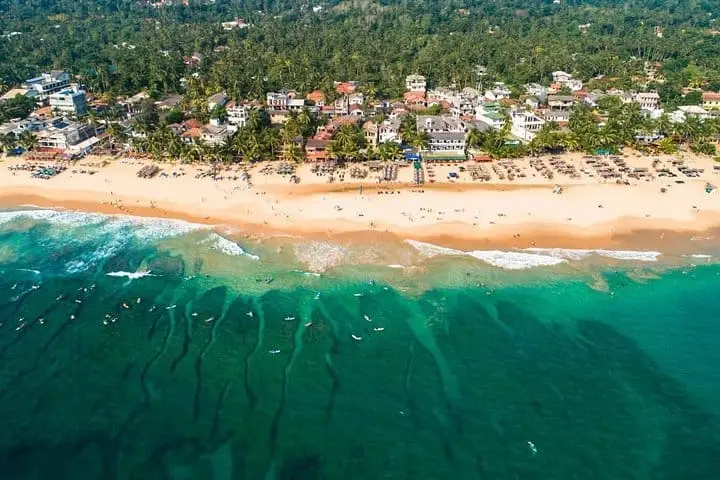
Our outings list pick-up from Mirissa, Bentota, Colombo, Negombo, Galle, Hikkaduwa, Koggala, Tangalle, Hambantota and, for the reef and Galle day, Udawalawa. Each pick-up town is its own trip on the website, so choose the town where you are staying.
- Whale watching from Mirissa: for example from Bentota, Hikkaduwa, Koggala, Tangalle, Hambantota or Negombo.
- Hikkaduwa reef and Galle: from Galle, Bentota, Colombo, Hambantota, Tangalle or Udawalawa.
If your hotel is between two towns, ask us before you book; the operator confirms the exact pick-up time.
How do I get to Sri Lanka and to my pick-up town?
Most visitors arrive at Bandaranaike International Airport (CMB), at Katunayake, north of Colombo and close to Negombo (Wikipedia, as support: about 32.5 km north of Colombo). Check the official airport pages for flights and facilities.
From there, our outings start with a pick-up at your hotel in the pick-up town you chose, so you do not need to find a harbour. We give no journey times or fares, because we found no official source for them: ask your hotel how long the transfer to your pick-up town takes.
Do I need a visa or an ETA to enter Sri Lanka?
According to the official Sri Lanka ETA website, foreign nationals must obtain an Electronic Travel Authorisation (ETA) before travelling; its alert of 25 May 2026 says this applies to all foreign nationals, and it lists 40 countries whose nationals receive a free visa valid for 30 days. Conditions, fees and exceptions depend on your nationality and change over time, so check the official ETA website for your case before you book flights. We cannot advise on your individual situation.
What are the rules for watching whales, and what is not allowed?
The guideline for registration with the Sri Lanka Tourism Development Authority (SLTDA) says:
- No swimming or diving with whales or dolphins: it is not offered in Sri Lankan waters, and touching the animals is strongly discouraged.
- Distances and boats: the guideline (file dated March 2024) sets a no-approach zone of 100 m and a caution zone of 300 m, with no more than three vessels in the caution zone at any time. A 2026 draft of SLTDA criteria refers to the Sea Mammals Regulations of 2012 and keeps the ban on head-on approaches; figures differ between the two documents, so we rely on the rules the operator follows.
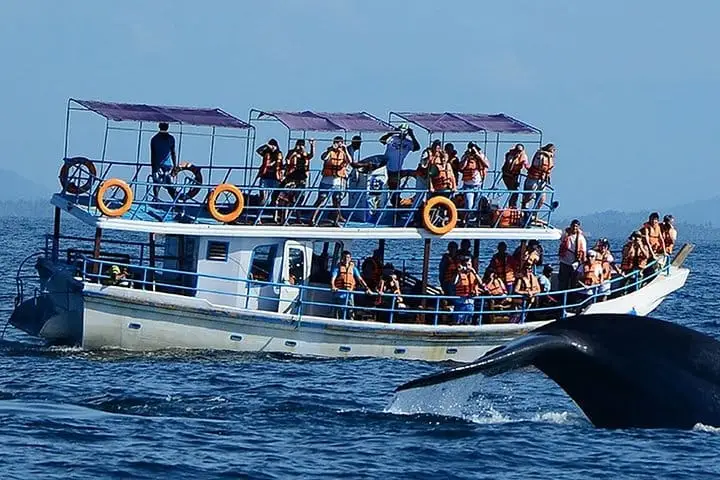
- Life jackets: all participants and crew must wear approved life jackets on board, and a safety briefing must be given before the activity starts.
- Craft: personal motorised craft such as jet skis may not be used for whale watching.
- Engine: if whales approach the boat, the engine goes to neutral until they have passed.
The Department of Wildlife Conservation is the authority for the protection of marine mammals. These are the rules as published; the operator confirms how they are applied on your day.
Can I swim or snorkel with the whales?
No. The SLTDA guideline for whale and dolphin watching says that no swimming or diving with whales is offered in Sri Lankan waters, and a 2026 draft of its criteria lists swimming or diving with whales, dolphins or any other species, and any physical interaction with marine mammals including feeding, as prohibited. Our whale-watching outings, such as the Mirissa whale watching from Mirissa, are for watching only.
What is a Madu River boat safari like?
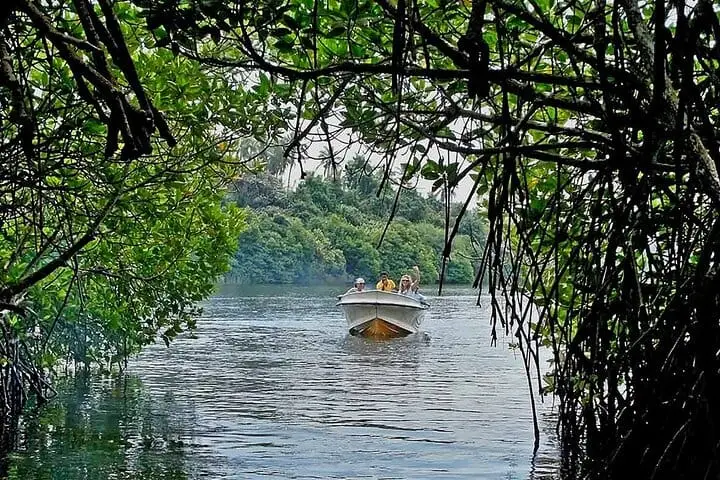
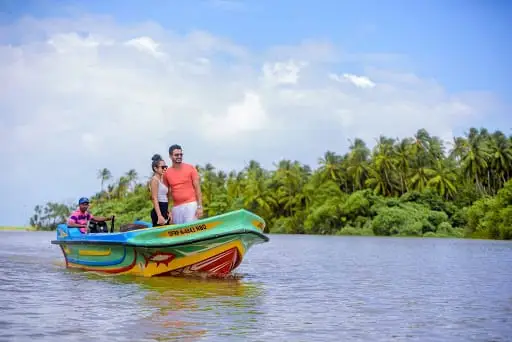
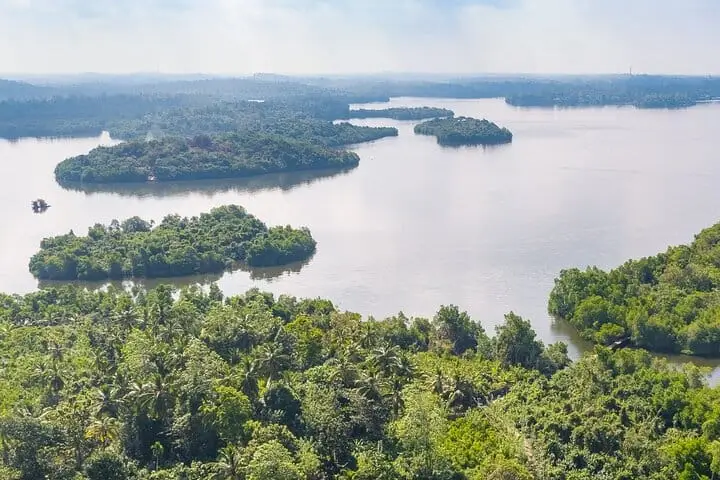
The Madu Ganga is a mangrove lagoon in Galle District, near Balapitiya. According to the Ramsar Sites Information Service it is Ramsar site no. 1372, designated in December 2003, a wetland of international importance. A boat safari there is a quiet trip through the mangroves, a very different pace from a day at sea.
We have two trips: the Madu River boat safari from Colombo and the Madu River boat safari and Kosgoda turtle hatchery from Bentota. Which animals you see is not guaranteed.
What are the Muthurajawela and Negombo boat safaris?
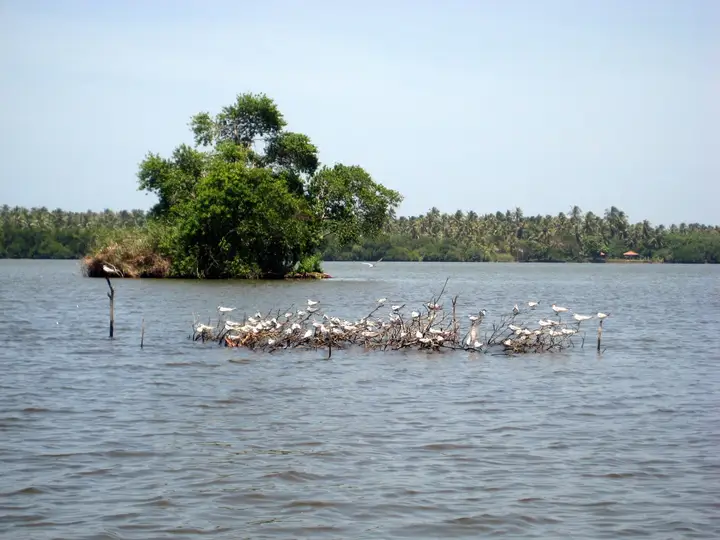
Muthurajawela is a coastal marsh south of Negombo Lagoon; Wikipedia, as support, describes it as the country’s largest saline coastal peat bog, about 20 km north of Colombo, and says its northern 1,777 hectares were declared a wildlife sanctuary under the Fauna and Flora Protection Ordinance in 1996. Together, the marsh and the lagoon form one coastal wetland system.
Our boat trips there are: the Muthurajawela Sanctuary boat safari with bird watching (also listed as this second trip), the Muthurajawela bird watching and Negombo Lagoon boat trip and the Maha Oya River boat safari and Hamilton Canal, Negombo. We do not name species, because no official source we could read lists them.
What is the Hikkaduwa reef and Galle day?
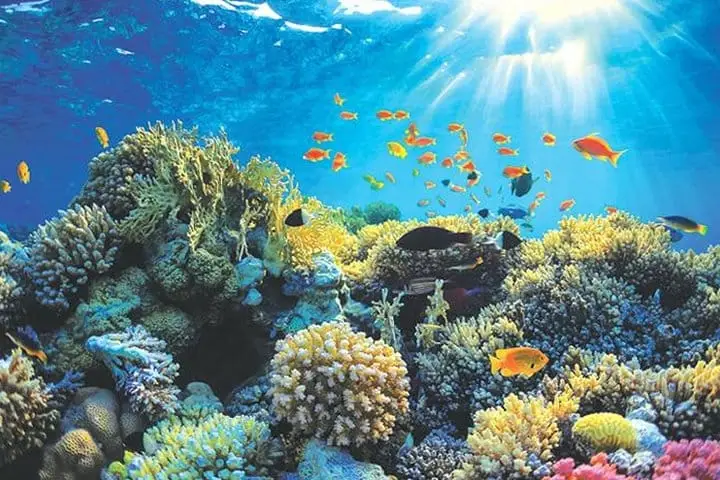
It is a road-and-boat day: a boat visit to the coral reef off Hikkaduwa combined with the city of Galle. According to Sri Lanka’s Clearing-House Mechanism (CBD), Hikkaduwa was declared a wildlife sanctuary on 18 May 1979 and its fringing reef holds 60 coral species and more than 170 species of reef fish. Hikkaduwa is also described by the Department of Wildlife Conservation among its marine tourism sites, with boat safari and snorkelling.
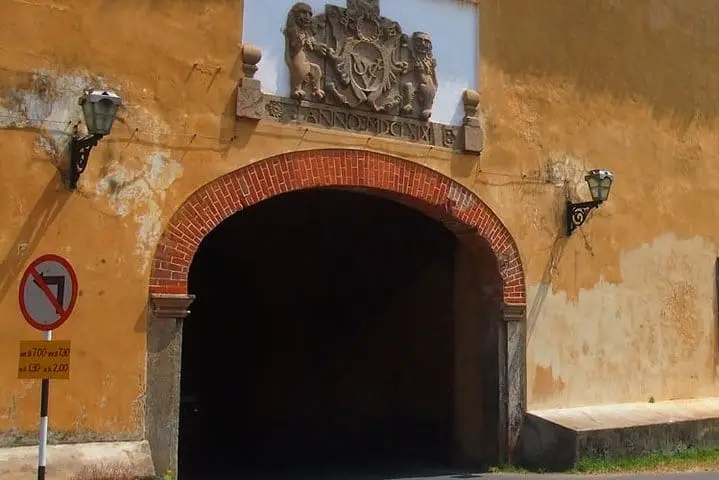
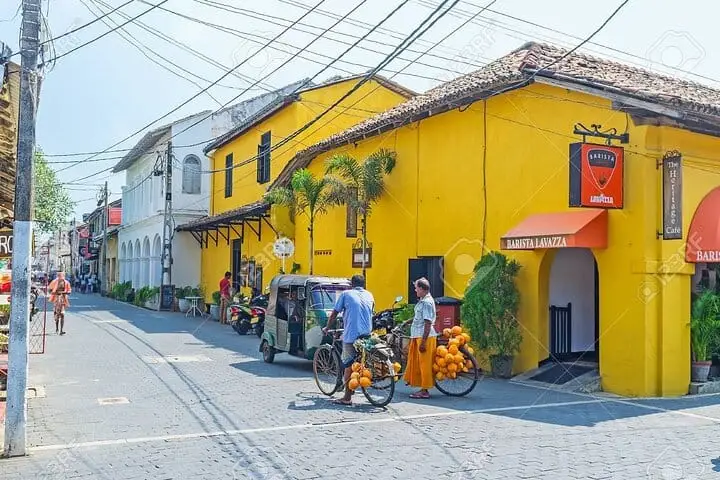
The old town of Galle and its fortifications are UNESCO World Heritage Site no. 451, inscribed in 1988. You can choose the pick-up town, for example from Galle or from Colombo. Coral is fragile: do not stand on it or touch it.
What if the sea is rough, or is it safe for children and anyone who gets seasick?
We found no official page that says what happens to a boat day in rough weather, and the product pages do not describe a weather policy, so we do not invent one: the operator confirms whether and how your outing goes ahead.
- Official guidance for whale watching requires approved life jackets for all participants and crew, and a safety briefing before departure (SLTDA guideline).
- If you get seasick, ask your doctor or pharmacist what suits you before you board, and bring it with you.
- Ages, minimum numbers and accessibility are on each product page; if a page does not say whether the boat or the pick-up is suitable for a wheelchair, ask us before you book.
What currency and language are used, and what voltage?
Currency: the Sri Lankan rupee (LKR), according to the Central Bank of Sri Lanka. Languages: Sinhala and Tamil are the official languages, with English widely used as a link language, according to Sri Lankan embassy pages. Electricity: Sri Lanka Tourism gives a nominal 230 V AC at 50 Hz, and notes that a plug adaptor alone does not change voltage. We found no official page that states the plug type, so check your adaptor before you travel.
