
Boat trips and experiences in Panama
2 experiencesPort guide →All of Panama →
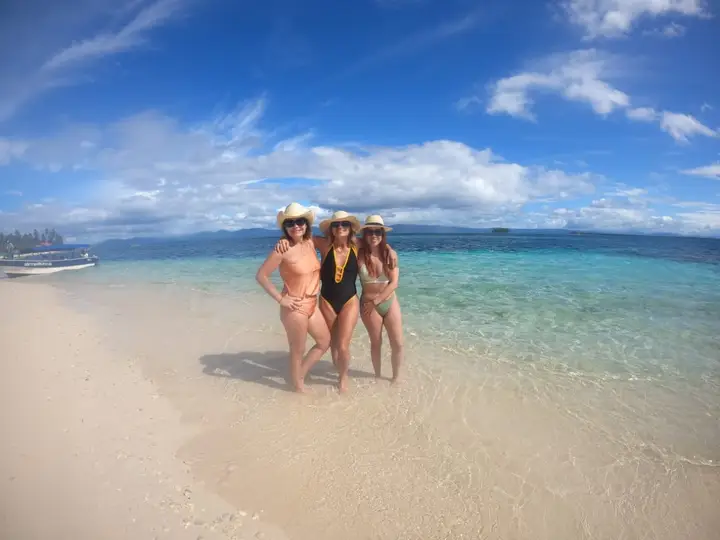
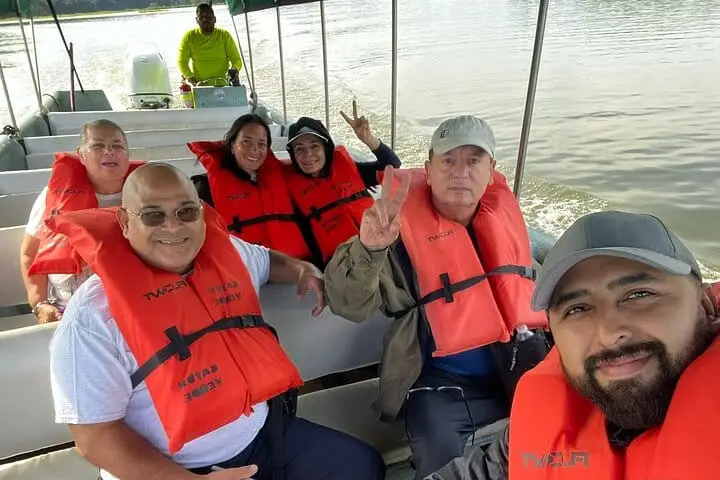
No experiences match these filters. Try another port or type.
From the blog
Guides and news
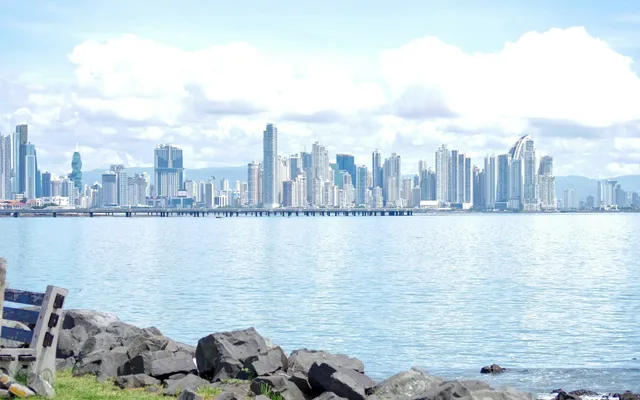
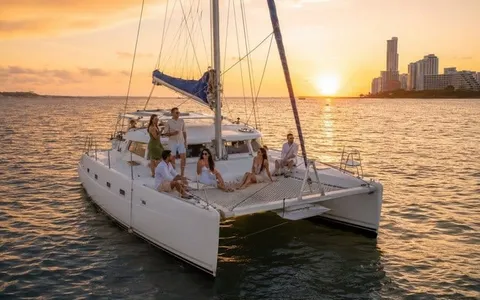 Destinations · 27 October 2026 · 5 minRosario Islands from Cartagena: which tour to choose
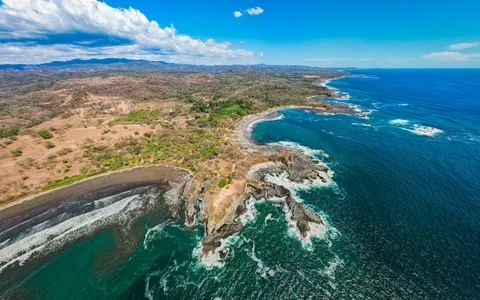 Destinations · 27 October 2026 · 4 minCatamaran from Playa Flamingo: morning, sunset or snorkel
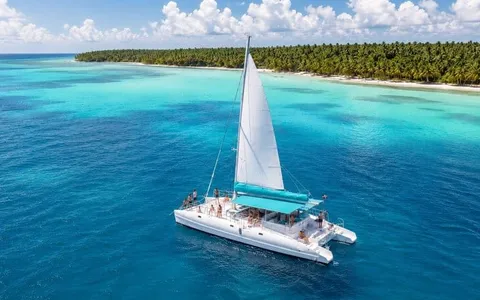 Destinations · 26 October 2026 · 11 minThe Caribbean by Boat: Catamaran and Boat Trip Guide
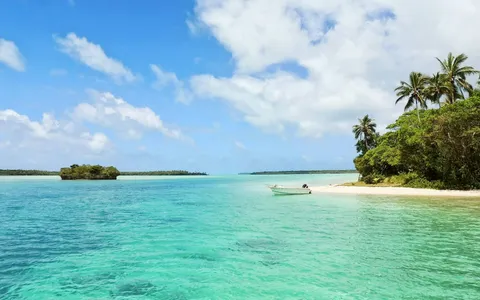 Destinations · 27 October 2026 · 5 minMontego Bay by catamaran: how to choose your trip
More places to sail
Every destination has its own guide and its own trips.
 Ibiza4 experiences
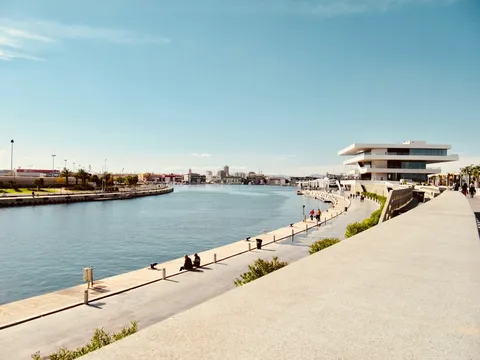 Valencia3 experiences
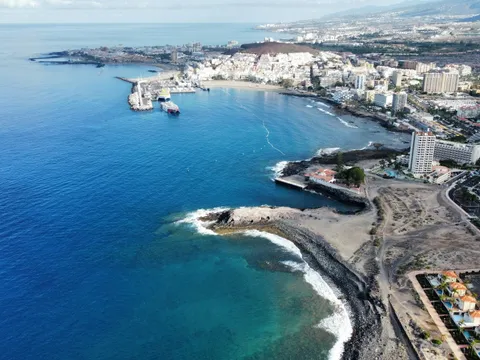 Tenerife2 experiences
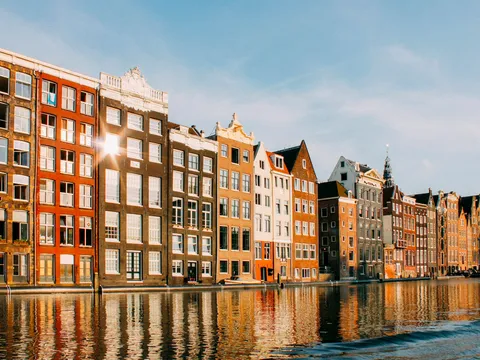 Amsterdam4 experiences
 Athens5 experiences
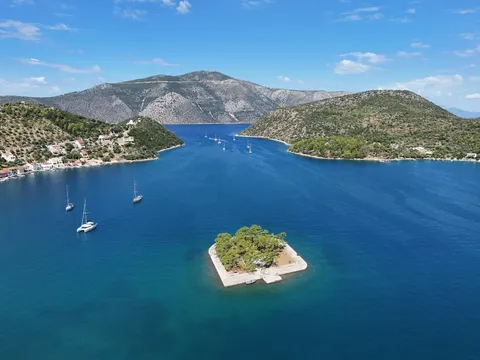 Ithaca4 experiences
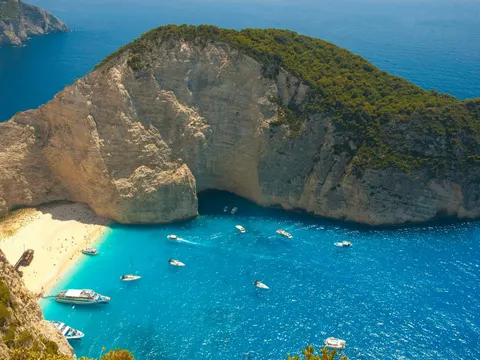 Zakynthos1 experience
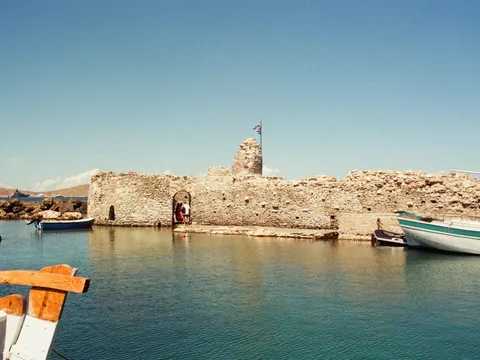 Paros1 experience
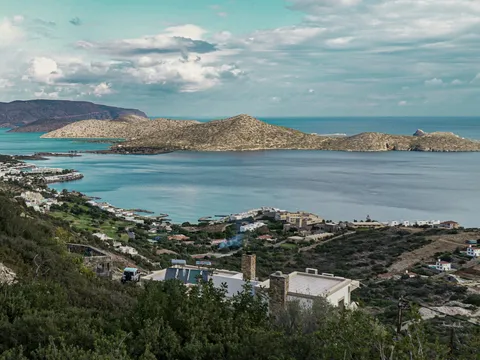 Crete1 experience
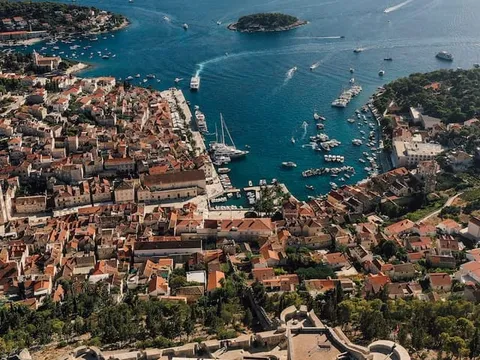 Split5 experiences
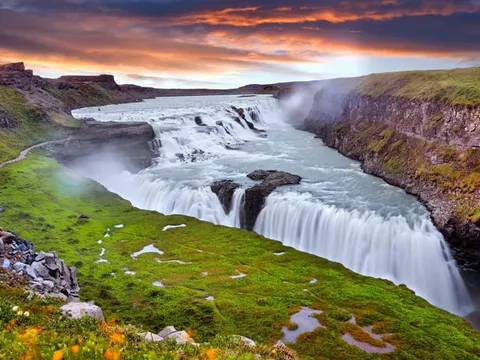 Reykjavík1 experience
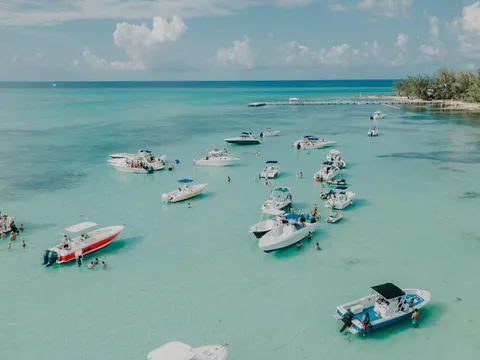 Grand Cayman7 experiences
 Montego Bay6 experiences
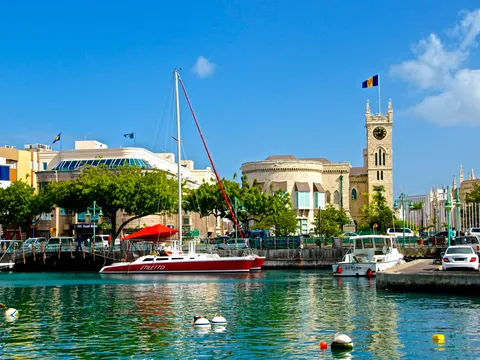 Barbados4 experiences
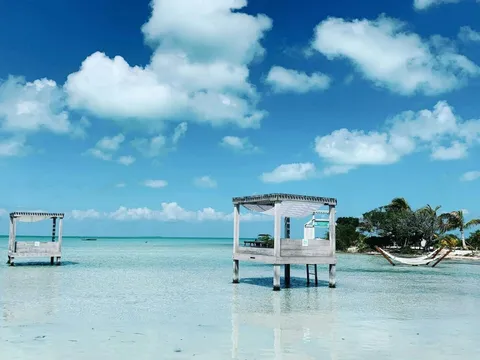 Belize3 experiences
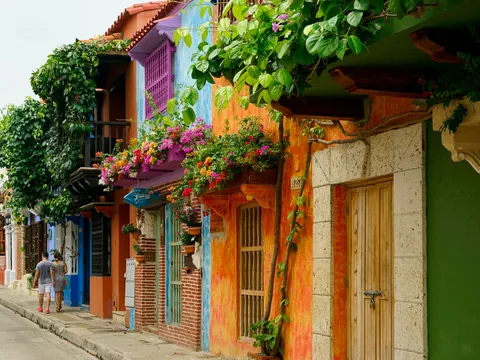 Cartagena3 experiences
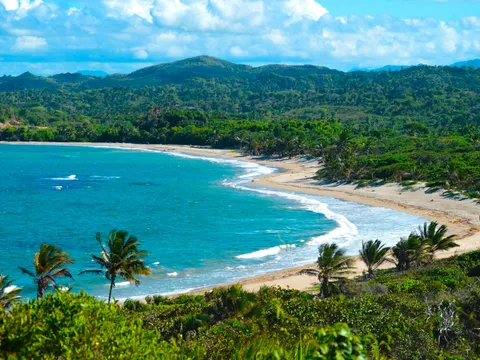 Puerto Plata2 experiences
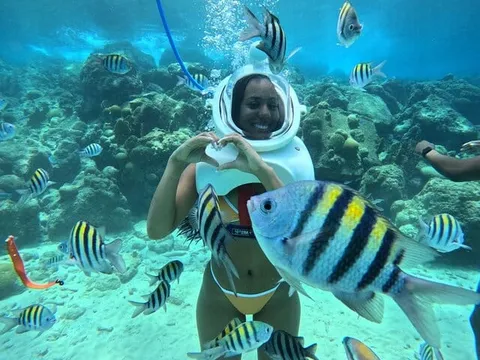 St Maarten1 experience
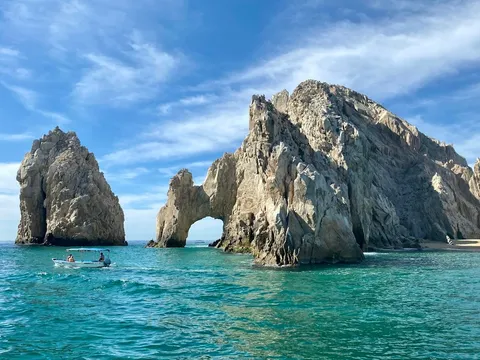 Cabo San Lucas18 experiences
 Cancun13 experiences
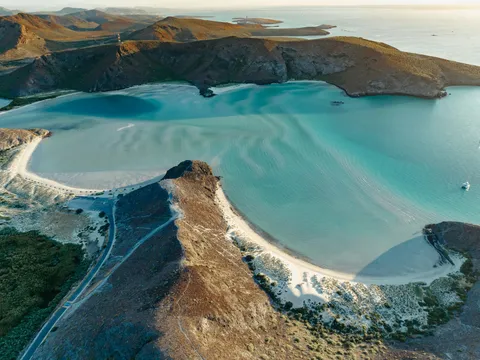 La Paz5 experiences
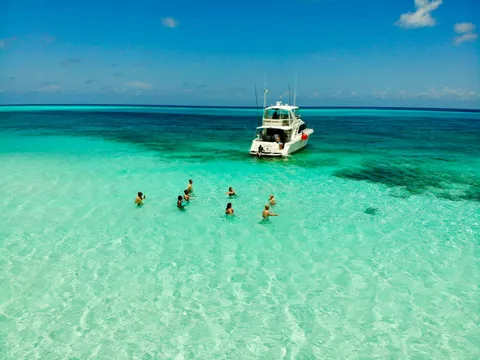 Cozumel4 experiences
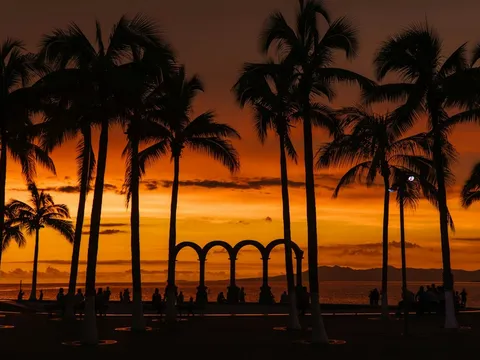 Puerto Vallarta3 experiences
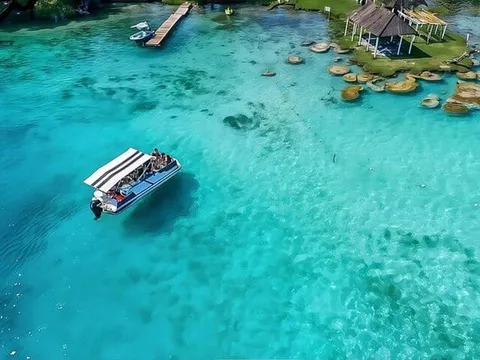 Bacalar3 experiences
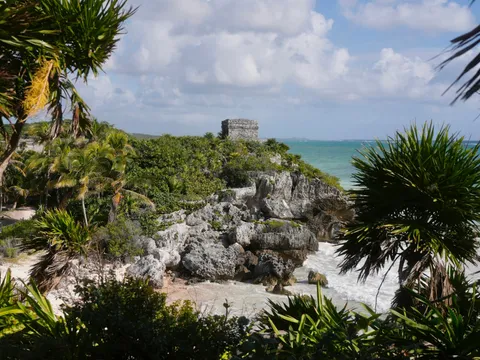 Tulum2 experiences
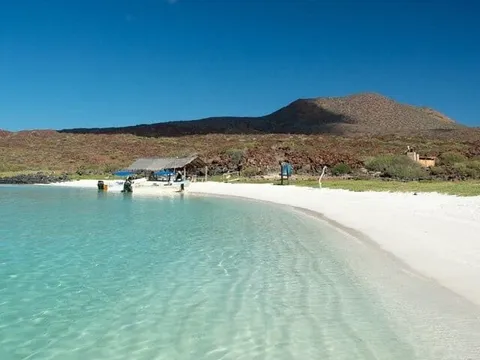 Loreto1 experience
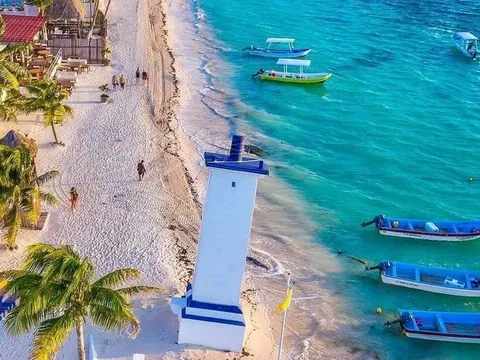 Puerto Morelos1 experience
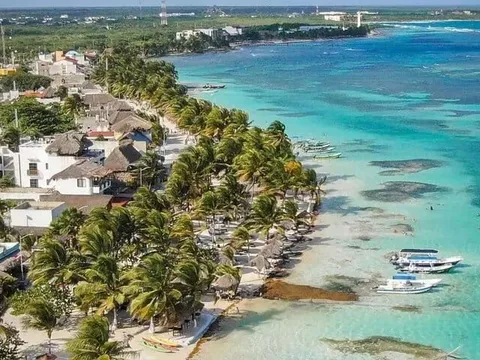 Mahahual1 experience
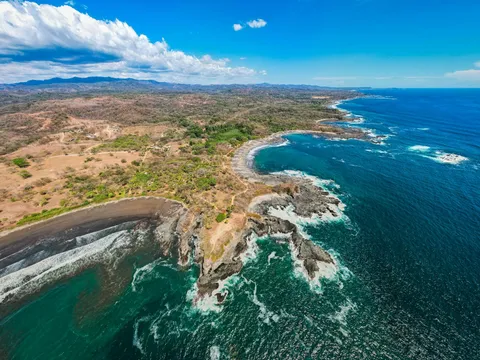 Costa Rica3 experiences
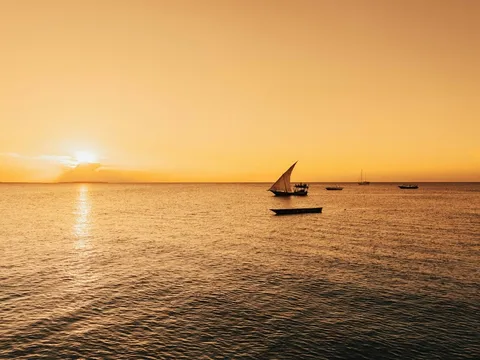 Zanzibar7 experiences
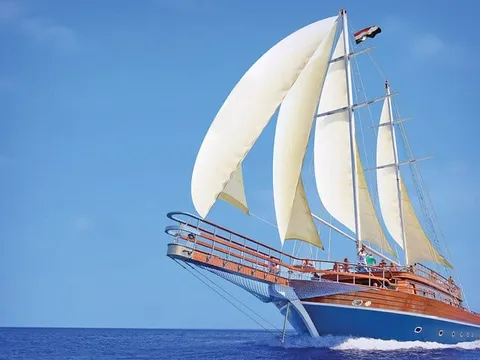 Hurghada6 experiences
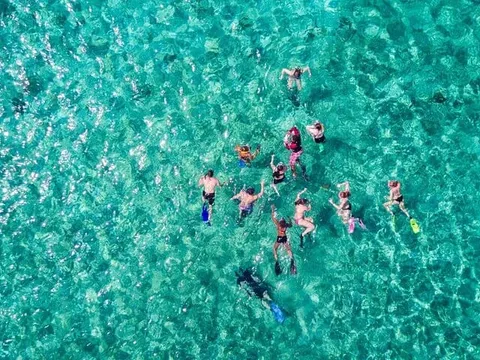 Sharm el-Sheikh5 experiences
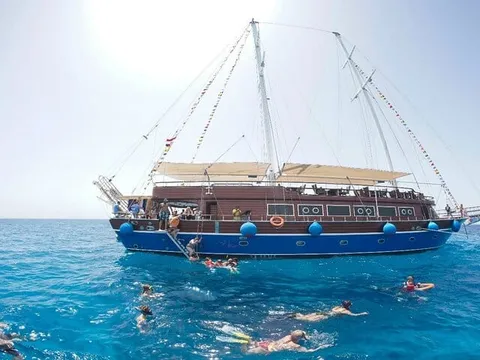 Marsa Alam3 experiences
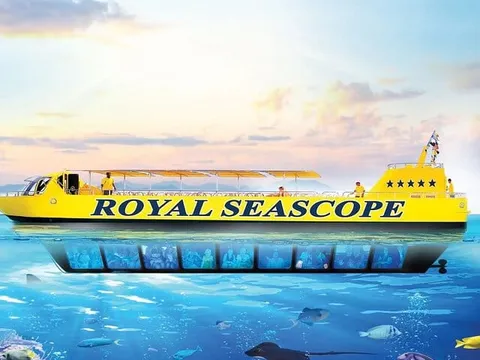 Dahab1 experience
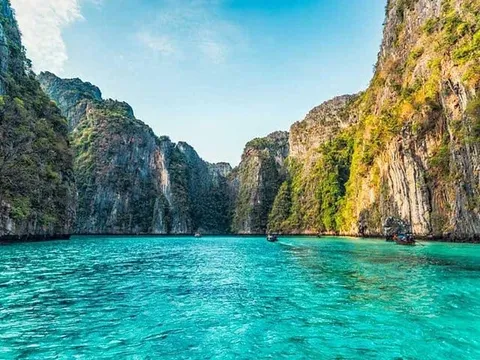 Phuket8 experiences
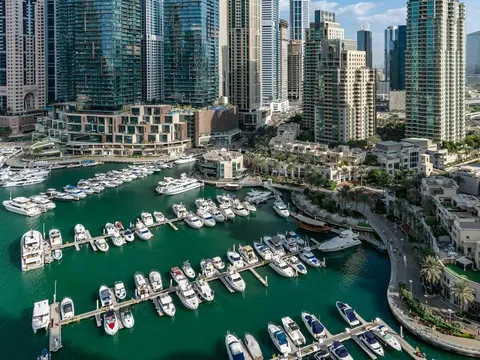 Dubai6 experiences
- All port guides →
Frequently asked questions about Panama
When is the best time to visit Panama, and what is the weather like?
According to the climate characterisation by ETESA (Panama Climate Centre), hosted on the IMHPA website, Panama City has a hot, sub-humid climate (Aw in the Köppen classification): rainy from May to December, with a dry, or “less rainy”, season from January to mid-April. April and May are considered transition months.
- Rain: the Tocumen station averages (1977-2010) add up to about 1,917 mm a year. February is the driest month (10 mm and about 2 rain days on average) and October the wettest (about 330 mm and 20 rain days).
- Temperature: the annual mean is 27.3 °C. Average daily highs run from 32.6 °C (October) to 35.3 °C (April) and average lows from 19.4 to 21.9 °C.
- Humidity: mean annual relative humidity is 75.7 %, and it is around 80-82 % from June to November.
- Sun: average daily sunshine goes from about 3.4 hours in June to about 7.5 in February.
These are historical averages from a land station, not a forecast. For the sea and the islands, the weather on the day rules: ask the operator before you sail.
What happens if it rains, the sea is rough or the weather changes?
The pages of the two trips do not explain what happens with rain or sea conditions, and we will not invent a policy. For anything about your day’s trip, ask the operator, Panamaroutes, who decides whether and how the trip goes ahead.
- The Spanish Ministry of Foreign Affairs warns that Panama is prone to torrential rain that can cause floods and landslides, and advises checking the official forecasts.
- On Pacific beaches, the same ministry mentions strong swell and rip currents. The San Blas islands are in the Caribbean and Gatún Lake is an inland lake, so that warning does not refer to them.
- The Panama Canal Authority recommends its app for weather, operations schedules and news.
What the pages do say: the full-day San Blas islands tour includes a speedboat ride across the sea and asks you to bring swimwear, sunscreen and your passport; the 3½-hour Gatún Lake boat ride is by motorboat on a lake. Neither page guarantees the weather.
How do I get from Tocumen airport, and how do I get around Panama City?
The international airport is Tocumen (PTY). Its official website offers advance booking of an official airport taxi and links to a “Shuttle Bus” page, although we could not read its route or conditions: check both on the airport website.
- Metro: according to Wikipedia, the airport branch, part of Line 2, opened on 16 March 2023; there are no through trains to the airport and you change at Corredor Sur. The Metro de Panamá website confirms that Lines 1 and 2 are operating, that Line 3 is under construction and that the airport branch is part of Line 2. Fares and hours: check them there.
- Taxis: the Spanish Ministry of Foreign Affairs advises taking only registered taxis, preferably app-based ones, and avoiding yellow taxis at night or when they already have passengers.
We give no fares, distances or journey times because we found none in official sources. For our trips you do not have to reach a pier: we collect you at your hotel in Panama City and the operator confirms the exact pickup time (San Blas · Gatún Lake).
What is the Panama Canal, and what are its numbers?
The canal links the Caribbean Sea with the Pacific Ocean across the isthmus. According to Wikipedia, it opened on 15 August 1914, is about 82 km long and passed fully into Panamanian hands at noon on 31 December 1999, when the Panama Canal Authority (ACP) took command. A third, wider lane of locks, for larger ships, entered commercial service on 26 June 2016.
The ACP itself states on its website that there were 13,404 transits in 2025. Every passage uses fresh water: Wikipedia cites about 200 million litres per transit and notes that low water levels in droughts are a threat.
Traffic changes every day, so we cannot promise which ships you will see. The page of the 3½-hour Gatún Lake boat ride speaks of seeing up close the giant ships that cross the canal, along with local wildlife and tropical birds.
What is Gatún Lake?
According to Wikipedia, it is an artificial freshwater lake (slightly saline near the locks) formed on 27 June 1913, when the spillway gates of the Gatún Dam on the Chagres River were closed. It sits about 26 m above sea level, makes up a large part of the canal route and supplies the water that operates the locks. It also provides drinking water for Panama City and Colón. Sources give different surface areas (about 431 or 470 km²), so we give no figure.
Its largest island, Barro Colorado, was set aside for scientific study and is run by the Smithsonian. Dense rainforest surrounds much of the lake.
That is the landscape; what you see on the day depends on the day, and the pages do not guarantee sightings. What the page of the 3½-hour Gatún Lake boat ride describes: a motorboat, local wildlife and tropical birds, with a bilingual local guide (English and Spanish).
What is Guna Yala, also called San Blas?
Guna Yala is an indigenous comarca of Panama, home of the Guna people. According to Wikipedia, it was created in 1938 (Law 2 of 16 September) as the Comarca de San Blas, and Law 99 of 23 December 1998 renamed it Guna Yala; that is why many people still say “San Blas”. It is an autonomous territory that the Guna govern themselves with the support of the state, and its highest political authority is the Guna General Congress, which brings together representatives of all communities and meets twice a year.
The archipelago has 365 islands. The two Wikipedia pages we read disagree on how many are inhabited, so we give no figure. According to the same source, tourism is a source of income, mostly through small ecotourism hotels.
The page of the full-day San Blas islands tour names Yandub (Isla Saíno), with its Guna culture and handicrafts, and Wissudub (Chichime), with the Caribbean lunch and kayak included.
Do I need a passport, pay fees or follow rules in Guna Yala?
The page of the full-day San Blas islands tour asks you to bring your passport, along with swimwear and sunscreen. The Spanish Ministry of Foreign Affairs states that, to enter the comarca, foreigners must show their passport and that an entry fee is charged, at a different amount for residents and non-residents. We give no figures because they can change.
We do not know whether the local community fees are included in the booking: ask the operator what is paid there. Nor did we find a published official visitor code, so follow the instructions of your guide and the operator, treat the communities with respect and ask before photographing people.
The page does not say whether snorkelling gear, life jackets or drinks are provided: ask before you book if you need them.
What do I need to enter Panama?
Entry requirements depend on your nationality and change, so we do not give them. Check them with Panama’s National Migration Service (migracion.gob.pa, which has a “Requisitos Turistas” section) and with the foreign ministry or consulate of your country.
As an example of what such pages usually cover, the Spanish Ministry of Foreign Affairs page for Spanish travellers deals with passport validity, a return ticket, proof of funds and the sworn customs declaration; for other nationalities the conditions may differ.
For the full-day San Blas islands tour, carry your passport with you, as the page asks.
What currency is used, what language is spoken, and what plugs are used?
Currency: the balboa, which has been pegged 1:1 to the US dollar since 1904, according to Wikipedia. There are no balboa banknotes: US dollar notes and balboa coins circulate. The Spanish Ministry of Foreign Affairs notes that cards are widely accepted (with warnings about possible counterfeiting or card cloning), that many shops do not accept 50 and 100 dollar notes (20s are the most used), and that it advises travelling with dollars rather than euros, because not all banks change euros. You can exchange money at Tocumen, at international banks and at exchange houses; hotels do not usually do it. We found no source on tipping, so we give none.
Language: Spanish is official; Wikipedia also lists recognised indigenous languages, among them Guna and Emberá. The guides on our trips speak English and Spanish, according to the trip pages.
Plugs: types A and B, at 120/240 V nominal and 60 Hz, according to Wikipedia. Check that your device accepts that voltage.
What do the official sources say about health and vaccines?
We are not a medical source. The Spanish Ministry of Foreign Affairs says the following in its travel page (check the current version, because it changes):
- Mosquitoes: there is dengue, chikungunya and Zika, especially from April to November, and a health alert for dengue in several provinces. Repellent is advised.
- Guna Yala: the ministry mentions recent malaria cases in Guna Yala and Darién, and names it among the areas most affected by dengue.
- Water: tap water is safe in Panama City and provincial capitals; in remote areas, bottled water is better.
- Vaccines: yellow fever is required of travellers arriving from certain origins. Other recommendations depend on your case: check them with your country’s travel-health service.
- Insurance: it recommends travelling with medical insurance that covers medical evacuation.
For the full-day San Blas islands tour, bring sunscreen, as the page asks.
Is it safe to travel to Panama, and what official advice is there?
Always check the travel advice of your own country’s foreign ministry, because it changes. The Spanish Ministry of Foreign Affairs recommends travelling with caution and, among other advice, notes:
- Robberies have been reported in the San Blas archipelago and other Caribbean tourist areas: avoid carrying valuables.
- Use the hotel safe for documents, cards and valuables, and take only registered taxis, preferably app-based.
- It ranks different areas of Panama City and other provinces by risk level; among the lower-risk ones it names the tourist zones of the Casco Antiguo with a police presence. Read it before planning walks on your own.
- The emergency number is 911.
On our trips we collect you at your hotel and the operator confirms the pickup time (Gatún Lake · San Blas).
Are the trips suitable for children and babies?
The pages distinguish age categories but do not say the trips are more or less suitable for children: decide with these facts.
- San Blas: adults (16-80), youths (10-15), children (5-9) and infants (0-4). It is a day of about 13 hours with a 05:00 start, a 4x4 transfer to the coast and a speedboat to the islands. It is the full-day San Blas islands tour.
- Gatún Lake: adults (12 and over), children (6-11) and infants (0-5). It lasts 3½ hours with departures at 07:00, 08:30 and 14:00, and there are no infant seats. It is the 3½-hour Gatún Lake boat ride.
Dengue and other mosquito-borne diseases appear in the official warnings; if you travel with children, ask your doctor or your country’s travel-health service. The exact categories and conditions are on each trip page.
Is it accessible for visitors with reduced mobility?
The page of the 3½-hour Gatún Lake boat ride says it is not wheelchair accessible and not suitable for pets. The page of the full-day San Blas islands tour says nothing about accessibility, and its route includes a 4x4 transfer, a speedboat and time on the islands; we found no official sources on this, so we cannot promise it.
Ask before you book: the operator will tell you whether the trip can be adapted to your case.
What is there to see in Panama City besides the trips?
Some ideas, with the sources we could consult:
- Casco Antiguo: according to the UNESCO World Heritage Centre, the Historic District of Panamá was inscribed in 1997 and in 2003 it was extended with the archaeological site of Panamá Viejo. Panamá Viejo was founded in 1519 and destroyed after a pirate attack in 1671; the Casco Antiguo is the relocated town.
- Amador Causeway: according to Wikipedia, four small islands linked to the mainland by a causeway at the Pacific entrance of the canal, built with rock excavated for the canal. It has a road, a bicycle and jogging path, marinas and restaurants.
- Canal visitor centres: the ACP’s official site lists Miraflores, Agua Clara and Gatún, with online tickets and the daily ship-transit schedule. Check opening hours and conditions there.
- Food: the Panama Tourism Authority notes that the city has been a UNESCO Creative City of Gastronomy since 2017.
If you want to see the canal from the water, look at the 3½-hour Gatún Lake boat ride.
