⏱ 11 h
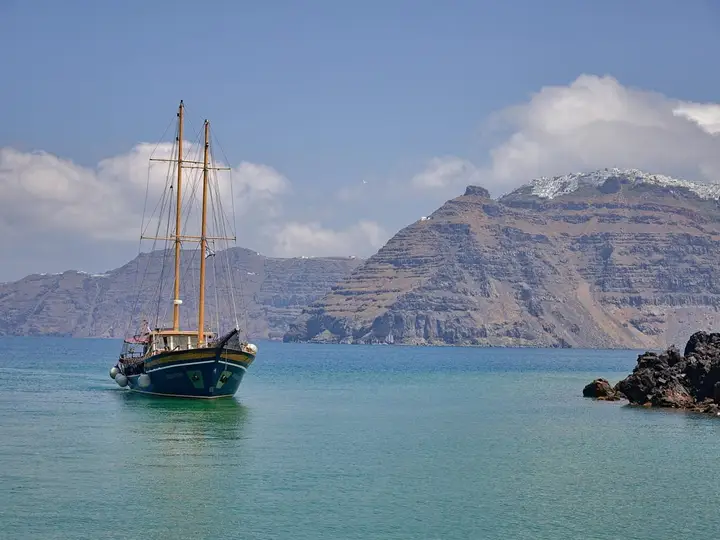
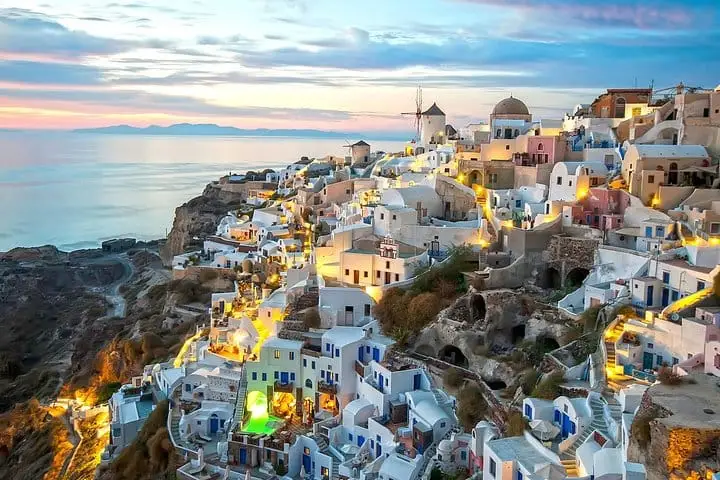
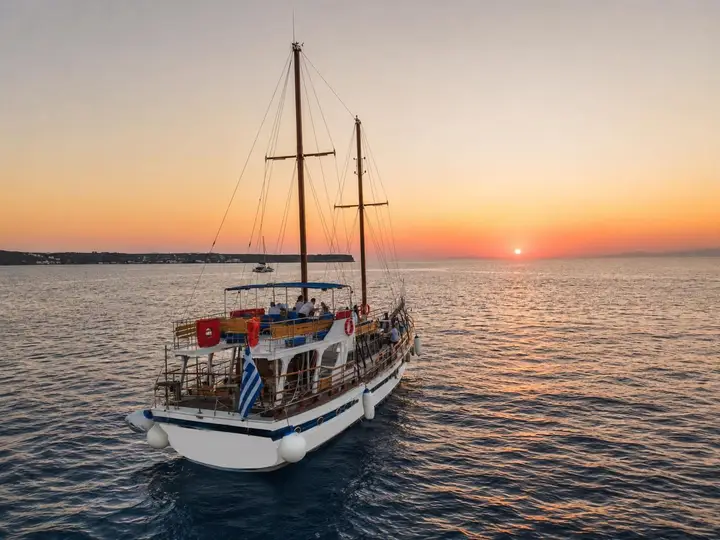
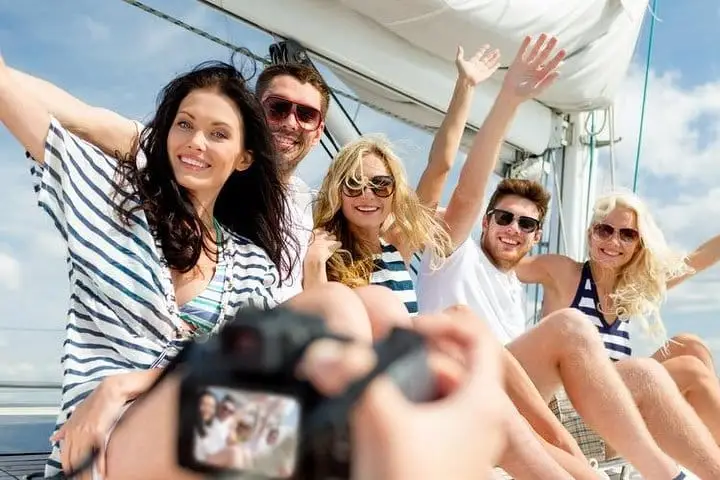
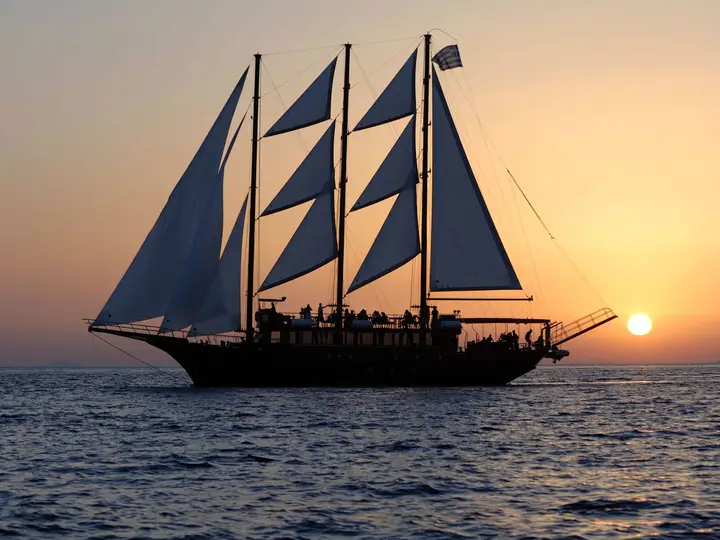
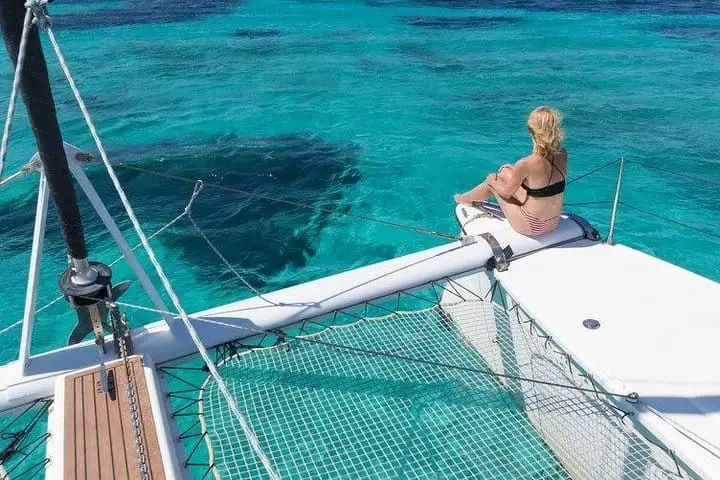
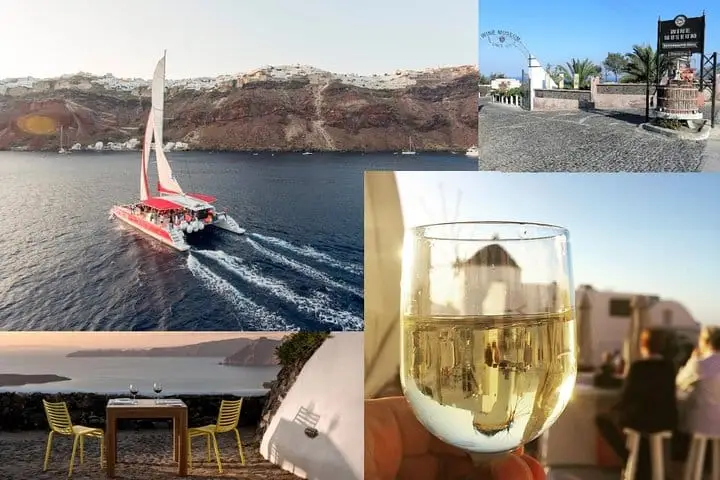
Santorini Catamaran Cruise with Barbecue Lunch, Winery Visit and Sunset in Oia
from €180 / person
19 experiencesPort guide →All of Greece →
⏱ 11 h
from €180 / person
⏱ 4 h · 👥 up to 15
from €45 / person
⏱ 3 h · 👥 up to 50
from €30 / person
⏱ 48 h · 👥 up to 15
from €100 / person
⏱ 12 h · 👥 up to 20
from €57 / person
No experiences match these filters. Try another port or type.
From the blog
 Destinations · 27 October 2026 · 7 minKefalonia by boat: cruises, beaches and islands
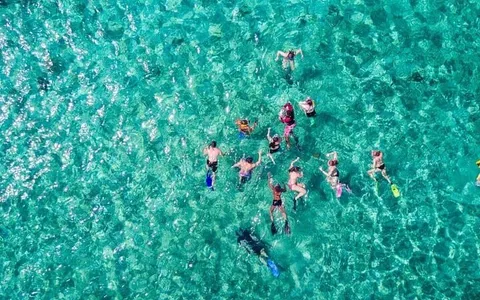 Destinations · 11 November 2026 · 11 minEgypt’s Red Sea by Boat: 5 Places You Shouldn’t Miss
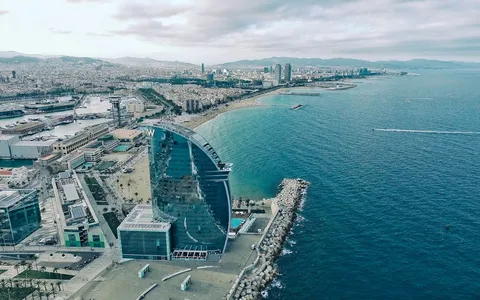 Destinations · 27 October 2026 · 5 minBarcelona from the sea: sailing from Port Olímpic
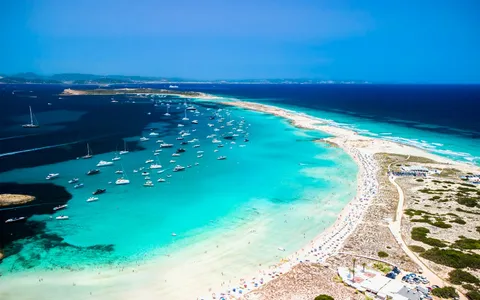 Destinations · 27 October 2026 · 5 minIbiza and Formentera by boat: anchoring and posidonia
Every destination has its own guide and its own trips.
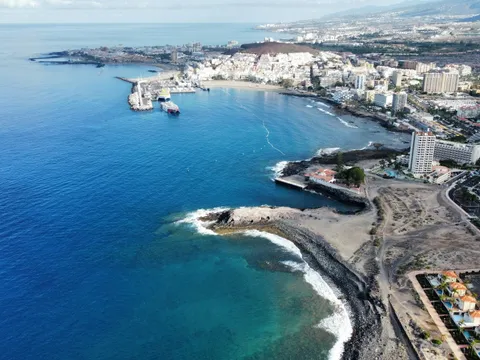 Tenerife26 experiences
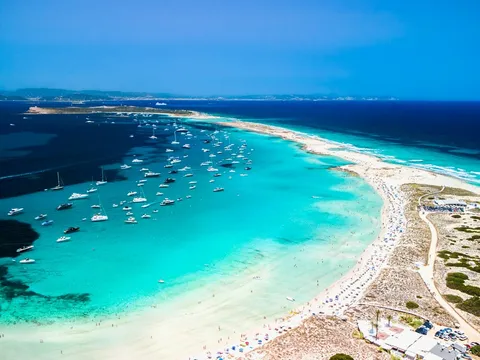 Ibiza11 experiences
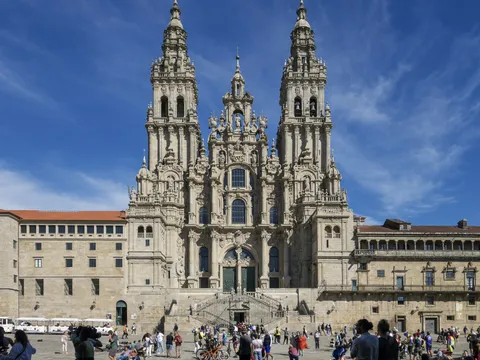 Santiago de Compostela4 experiences
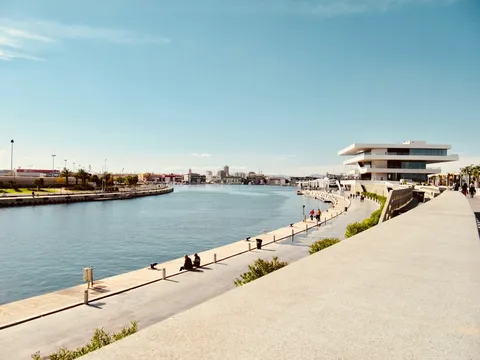 Valencia3 experiences
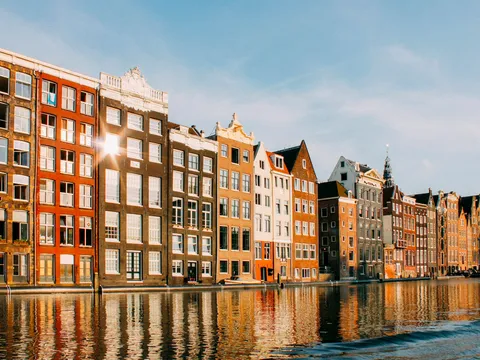 Amsterdam4 experiences
 Paros9 experiences
 Athens8 experiences
 Crete8 experiences
 Skiathos6 experiences
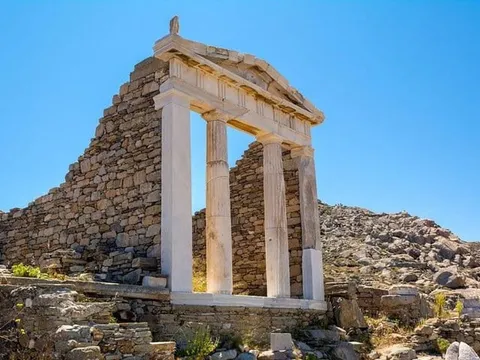 Naxos5 experiences
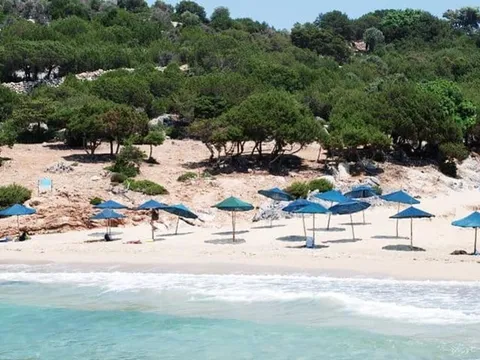 Samos5 experiences
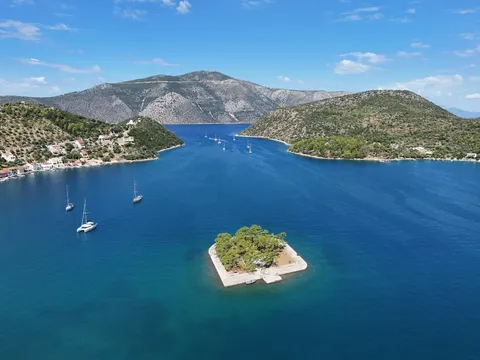 Ithaca4 experiences
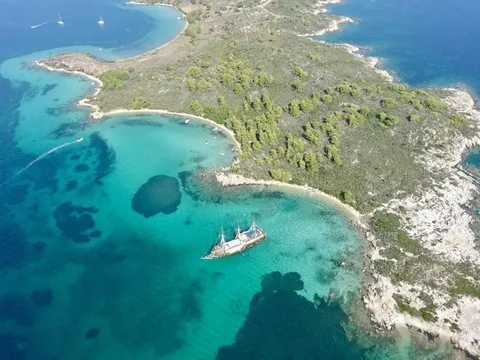 Halkidiki4 experiences
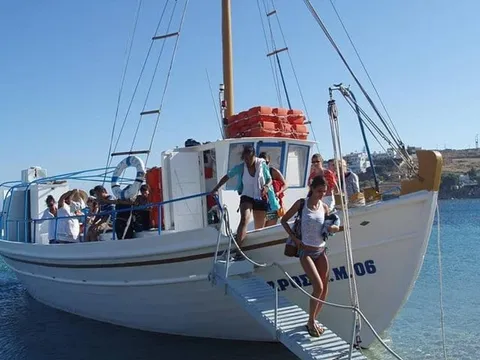 Mykonos4 experiences
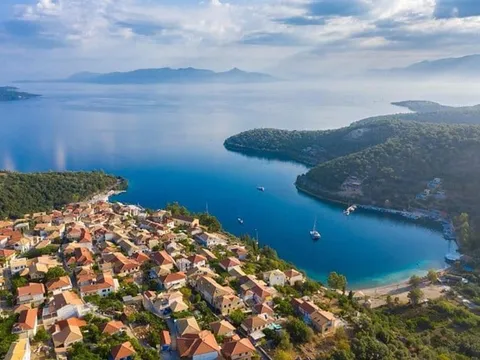 Lefkada4 experiences
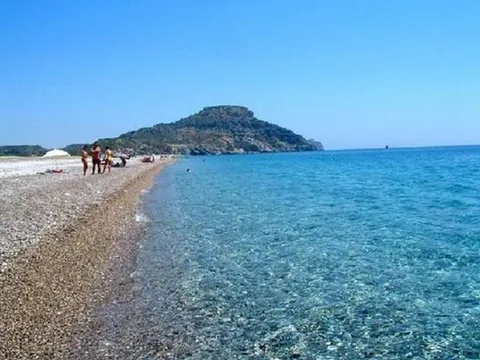 Rhodes4 experiences
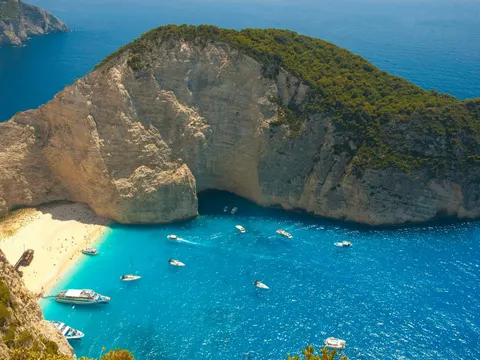 Zakynthos3 experiences
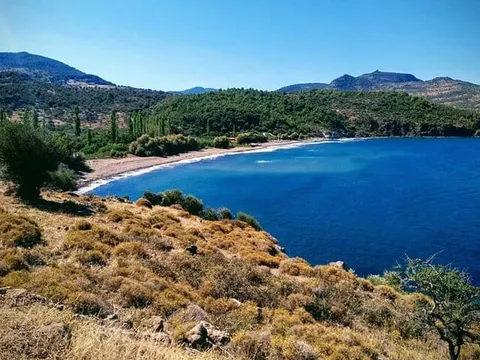 Lesbos3 experiences
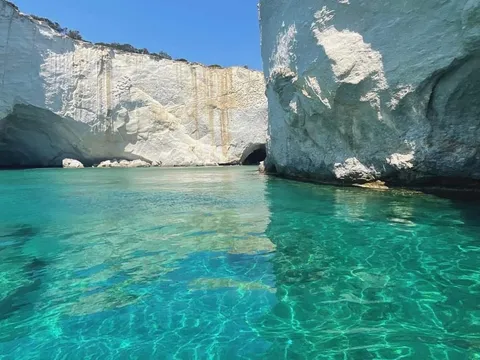 Milos2 experiences
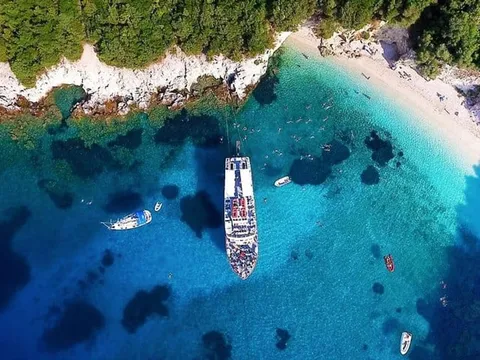 Corfu2 experiences
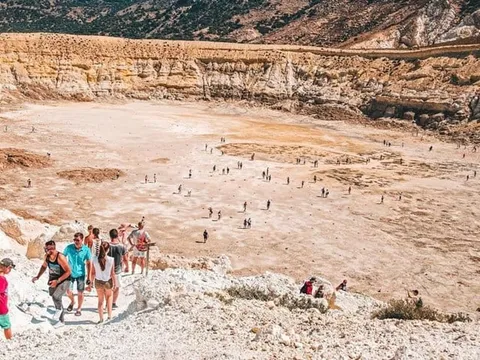 Kos2 experiences
 Parga1 experience
 Split5 experiences
 Cyprus3 experiences
 Reykjavík12 experiences
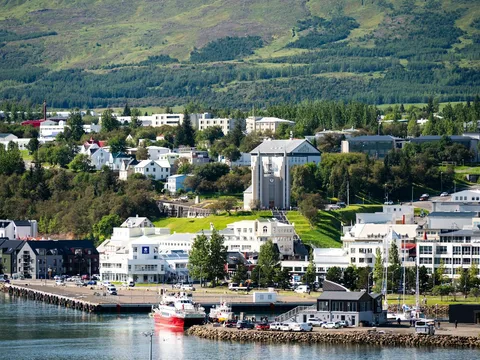 Akureyri2 experiences
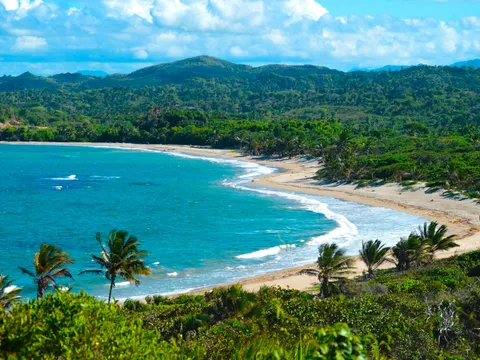 Puerto Plata13 experiences
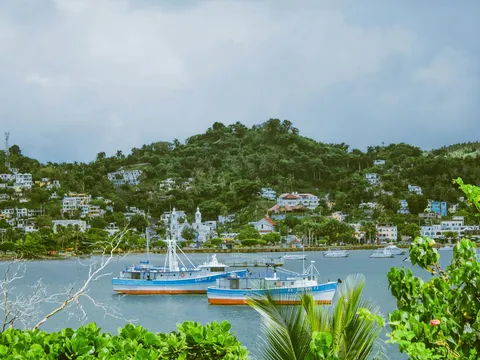 Samaná12 experiences
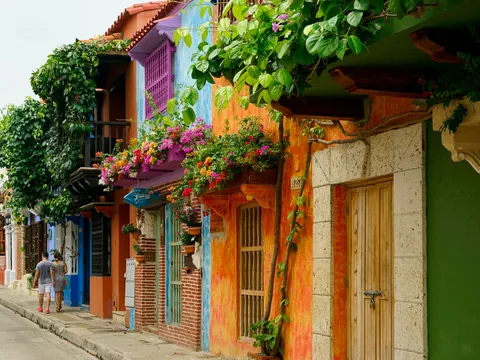 Cartagena9 experiences
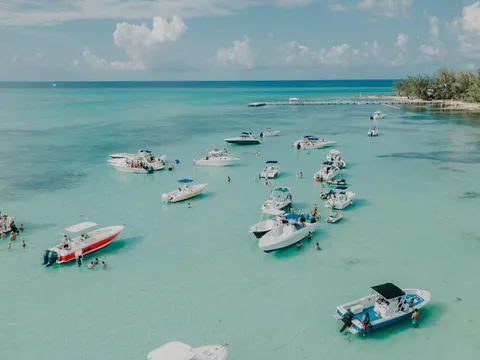 Grand Cayman7 experiences
 Montego Bay6 experiences
 Belize4 experiences
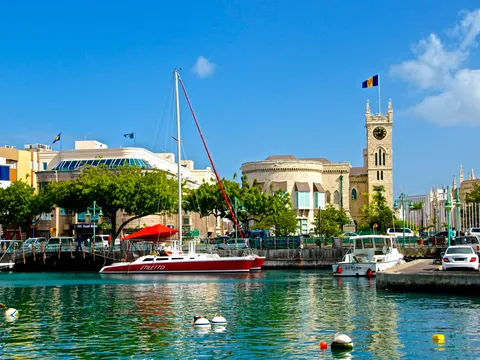 Barbados4 experiences
 Ocho Rios4 experiences
 Negril3 experiences
 St Maarten1 experience
 Cabo San Lucas40 experiences
 Cancun20 experiences
 Cozumel10 experiences
 Bacalar6 experiences
 La Paz5 experiences
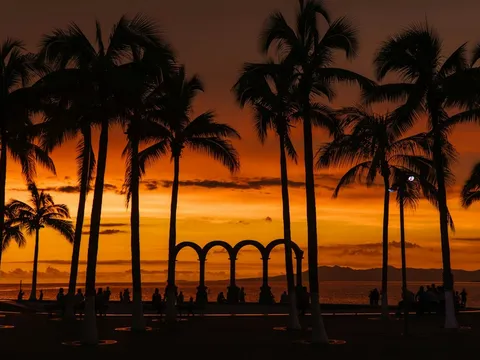 Puerto Vallarta3 experiences
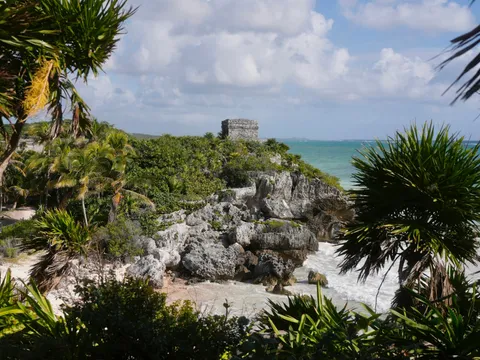 Tulum2 experiences
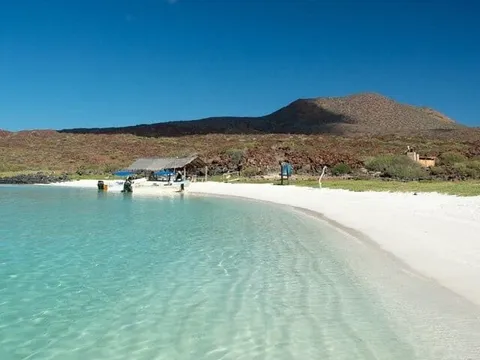 Loreto1 experience
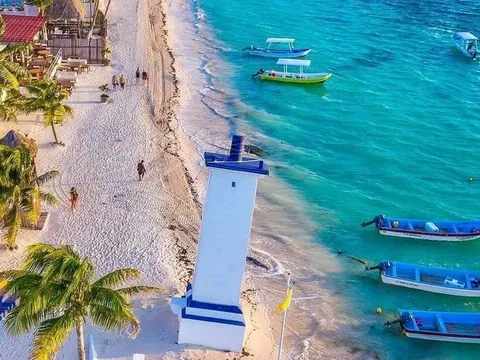 Puerto Morelos1 experience
 Mahahual1 experience
 Costa Rica10 experiences
 Bocas del Toro2 experiences
 Panama2 experiences
 Zanzibar38 experiences
 Hurghada6 experiences
 Sharm el-Sheikh5 experiences
 Marsa Alam2 experiences
 Dahab1 experience
 Phuket19 experiences
 Dubai1 experience
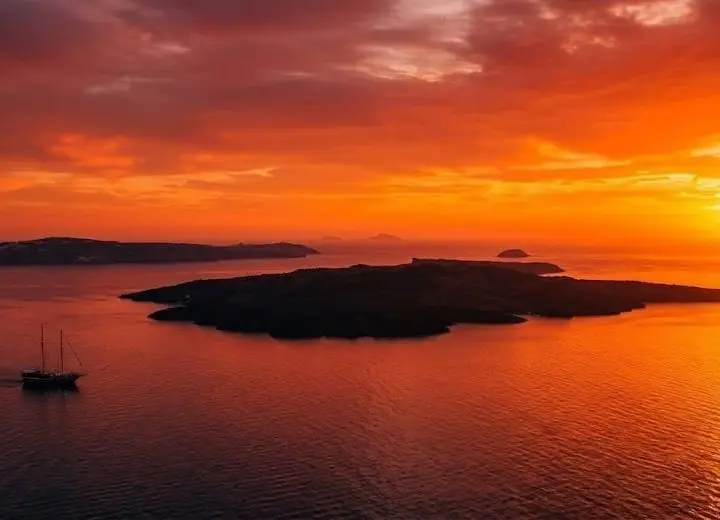
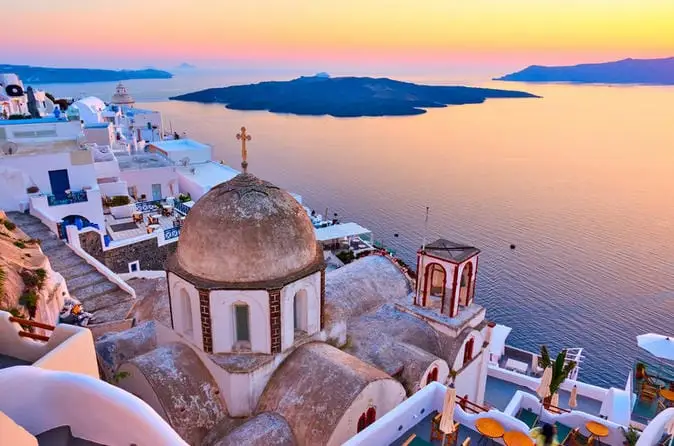
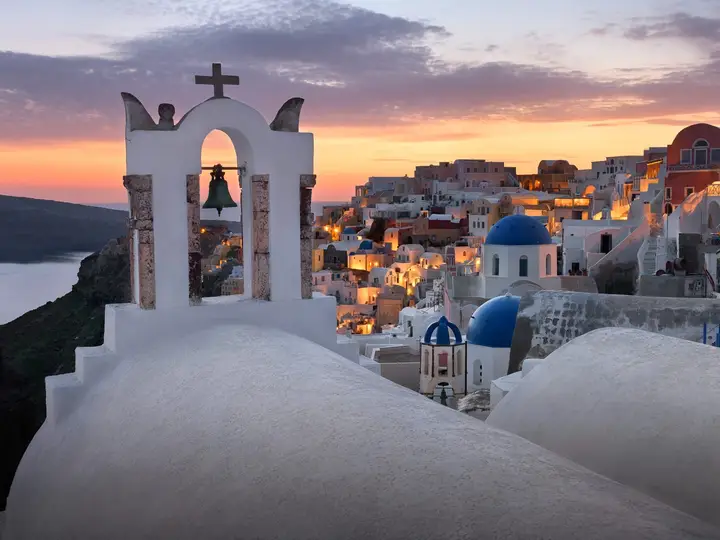
According to Visit Greece, Santorini (Thera in antiquity) lies at the southernmost point of the Cyclades and is a complex of islands: Thera, Thirassia, Aspronisi, Palea Kameni and Nea Kameni. Its shape comes from successive major explosive phases over hundreds of thousands of years, which collapsed and rebuilt the island several times and left a characteristic caldera with villages spread along its rim.
The Municipality of Thira dates the Minoan eruption to around 1630 BC and says the collapse of the crater formed the current caldera. It adds that Palea Kameni and Nea Kameni, the two islets at the centre, were formed by successive eruptions.
A first visit usually combines the sea, the villages and the island’s history:
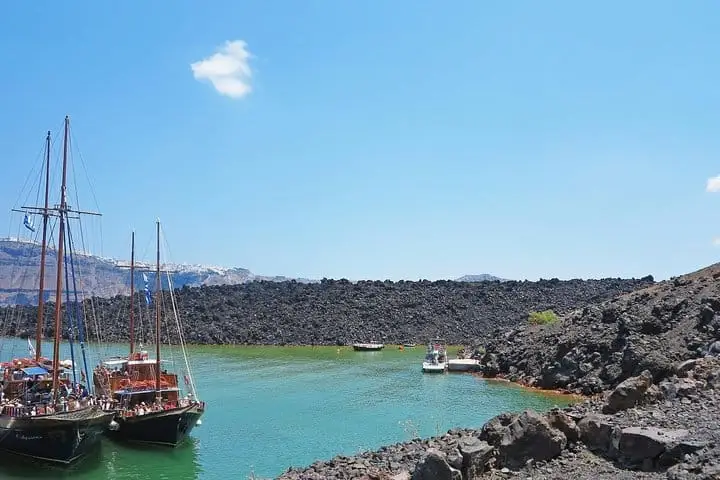
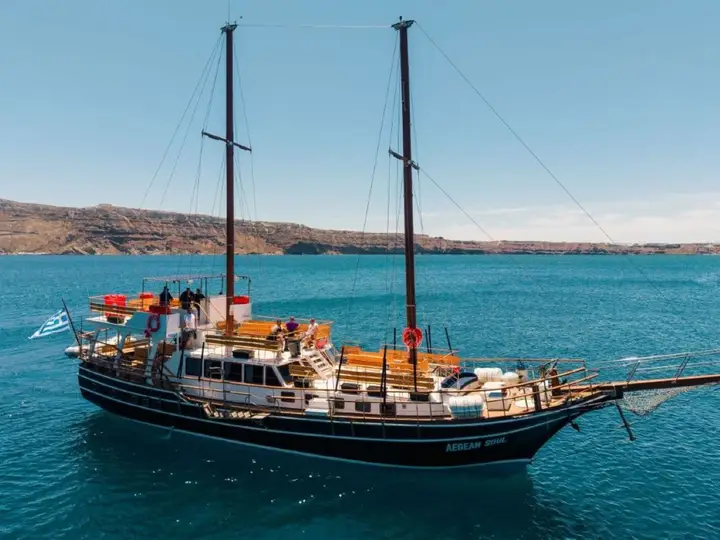
All six cruises start at Athinios port, sail around the volcano and stop for a swim at the hot springs of Palea Kameni. They differ in length, in the time of day and in what is added; the page of each trip shows its options, languages and calendar.
Two more trips are combined tours with land stops, so they are not sailing days: a cruise with lunch, a winery and sunset in Oia (about 11 hours) and a two-day bus tour with a volcanic cruise.
The Municipality of Thira’s tourism site describes the volcano as currently inactive and says it can be visited on an organised tour or on your own. It is also watched closely: a 2025 research preprint by Greek researchers (OrionLab, part of the National Technical University of Athens and the National Observatory of Athens) measured ground uplift of up to 70 mm per year, centred on the Kameni islands, between summer 2024 and January 2025, and found a smaller volume change than in the 2011–2012 episode.
That is not a forecast. For the situation on the day, follow the announcements of the Greek civil protection authorities and the National Observatory of Athens. The UK government notes that Greece has a risk of earthquakes and tremors, and advises turning on emergency alerts on your phone; the emergency number is 112. On our trips, the pages say itineraries and stops may be changed for safety reasons.
Our six volcano cruises start at Athinios port. The Port Fund of Thira calls it the central port of the island: it is open 24 hours, 8 km from Fira and 7 km from the airport, with a passenger waiting area, restaurants and shops behind the wharves, parking and taxis and public transport.
Fira’s old port is a different harbour. The Port Fund notes that many boats for volcano trips leave from Fira bay, so check the meeting point in your booking before you set off.
Santorini has an airport and a ferry port. Visit Greece gives 50 minutes for the flight from Athens and 1 hour 30 minutes from Thessaloniki, and the Municipality of Thira says that travellers coming from elsewhere usually connect through Athens, with direct flights from some European cities in peak season. The airport is run by Fraport Greece.
By sea, ferries from Piraeus arrive at Athinios. Visit Greece gives 4.5 to 8 hours depending on the vessel, and the Port Fund of Thira says the port is linked with Piraeus daily all year, with more sailings in summer. Book ahead in peak season, as the Municipality advises, and note that the UK government warns that strikes, sometimes called at short notice, can disrupt transport.
According to the Municipality of Thira:
Timetables and frequencies change through the year: check them locally.
The Hellenic National Meteorological Service (HNMS) describes Greece’s climate as Mediterranean, with mild, wet winters and a warm, rainless season from April to October. The Municipality of Thira says hot weather runs from June to October, with July and August as the peak, that spring starts in April with milder temperatures, and that the island is one of the most arid regions of the Aegean. Visit Greece lists spring to autumn as the best season for its Santorini route and advises hiking early in the morning in summer, or not at all if the heat and humidity are too strong.
Our volcano cruises are scheduled for the warm season: the calendar of each trip shows the available dates.
HNMS says that, in the warm season, the high temperatures are moderated by the northerly winds that blow mainly over the Aegean, known as the Etesians (also called meltemi). They can make the sea choppier on some days, which is why boat itineraries are kept flexible.
On our trips, the pages say that times, itineraries and stops may be adjusted or rescheduled because of weather conditions, sea conditions or port authority regulations, for safety reasons, and that the swim at Thirassia depends on the weather. The trip pages do not describe what happens to your booking if a trip cannot sail, so the operator confirms it: contact them as soon as possible. On the beach, the UK government reminds visitors that a red flag means you must not enter the water.
Yes, the cruises include a swimming stop. The Municipality of Thira places the hot springs of Agios Nikolaos on Palea Kameni. The trip pages add that:
On the 6-hour cruises the swimming stop at the springs lasts 30 minutes, according to the trip pages.
The trip pages list a sun hat, swimwear, a towel, hiking shoes, sunscreen and water. The volcano entry fee is paid separately, in cash, on the spot, so carry some cash with you.
If you are prone to seasickness, the NHS suggests sitting in the middle of a boat, looking straight ahead at a fixed point such as the horizon, getting fresh air, and avoiding heavy meals and alcohol shortly before or during the trip. It also advises asking a pharmacist about medicines, such as tablets or patches. Choose a shorter cruise if you are unsure how you will feel.
The cruise pages set the categories adult (10 and over), child (4–9) and infant (0–3), with no minimum age. Children must be accompanied by an adult and infant seats are not available. The two-day tour page says infants cannot book it, so check each page.
The pages also say the tours are not wheelchair accessible, that a moderate amount of walking is involved on uneven surfaces at the volcano, and that they are not recommended for people with walking difficulties or for pushchairs. The hike on Nea Kameni is described as optional. Please confirm the details with the operator before booking if mobility is a concern.
According to Visit Greece, Greece uses the euro, the electric voltage is 230 V / 50 Hz and the plugs are type F, so bring an adaptor if your devices need one. The European emergency number is 112; Visit Greece also lists 100 for the police, 166 for ambulances, 199 for the fire service and 1571 for the tourist police.
The guides on our cruises speak English, and several trips offer other languages: the trip page shows which ones.

Sailing advisor
Sailing Beyond Limits
AI assistant. It checks real availability and prices. Don’t share payment details: you book on our website.
Cookies and privacy
We use cookies to measure how the site is used and to improve it. You can accept or reject them: the site works the same either way. Cookie policy