
Boat trips and experiences in Milos
2 experiencesPort guide →All of Greece →
No experiences match these filters. Try another port or type.
From the blog
Guides and news
 Destinations · 27 October 2026 · 7 minKefalonia by boat: cruises, beaches and islands
 Destinations · 11 November 2026 · 11 minEgypt’s Red Sea by Boat: 5 Places You Shouldn’t Miss
 Destinations · 27 October 2026 · 5 minBarcelona from the sea: sailing from Port Olímpic
 Destinations · 27 October 2026 · 5 minIbiza and Formentera by boat: anchoring and posidonia
More places to sail
Every destination has its own guide and its own trips.
 Tenerife26 experiences
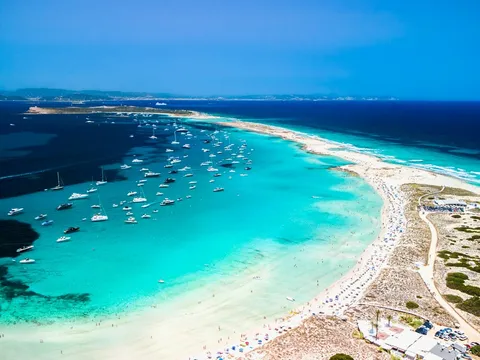 Ibiza11 experiences
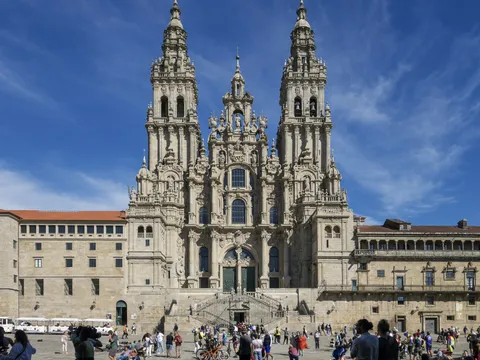 Santiago de Compostela4 experiences
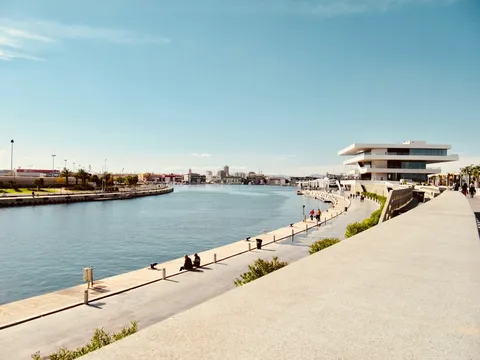 Valencia3 experiences
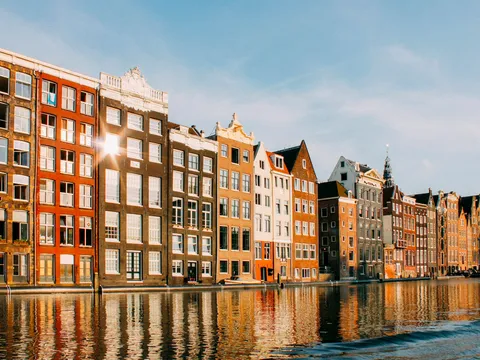 Amsterdam4 experiences
 Santorini19 experiences
 Paros9 experiences
 Athens8 experiences
 Crete8 experiences
 Skiathos6 experiences
 Naxos5 experiences
 Samos5 experiences
 Ithaca4 experiences
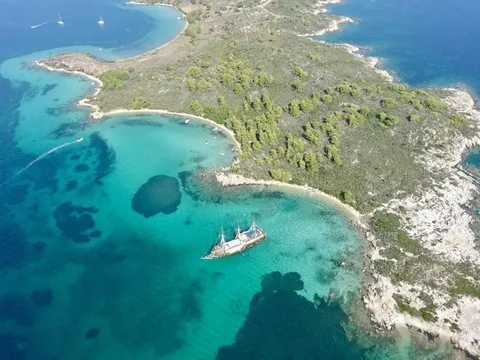 Halkidiki4 experiences
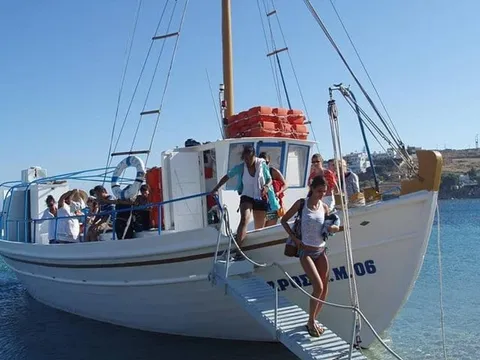 Mykonos4 experiences
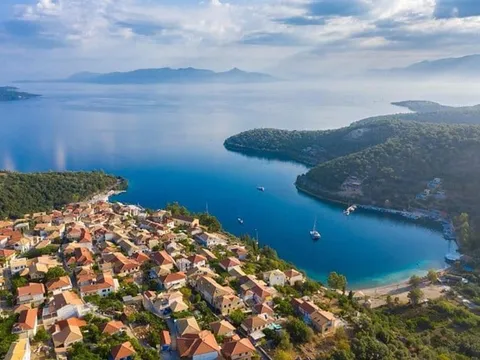 Lefkada4 experiences
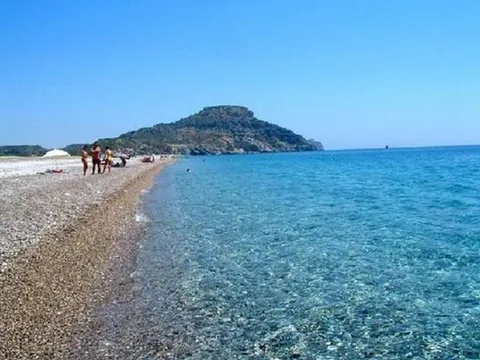 Rhodes4 experiences
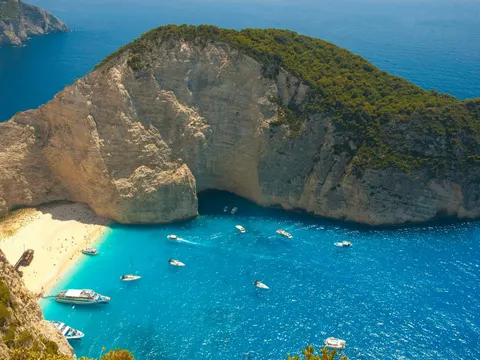 Zakynthos3 experiences
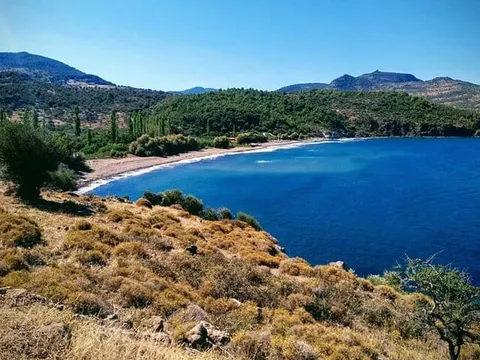 Lesbos3 experiences
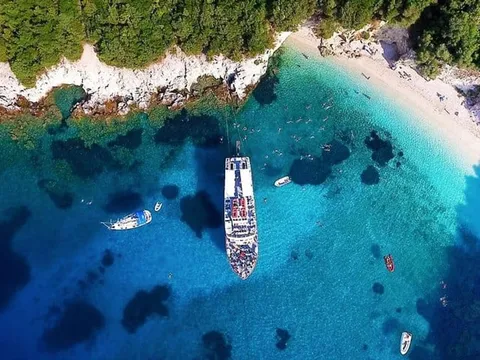 Corfu2 experiences
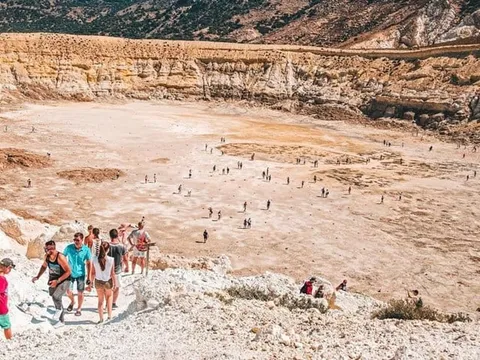 Kos2 experiences
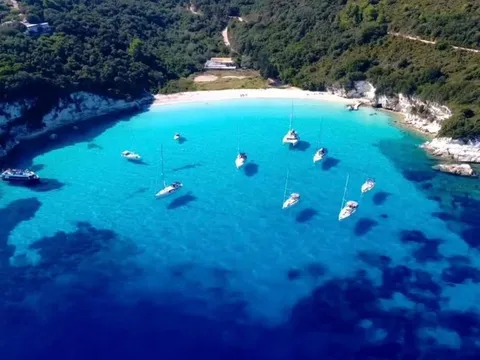 Parga1 experience
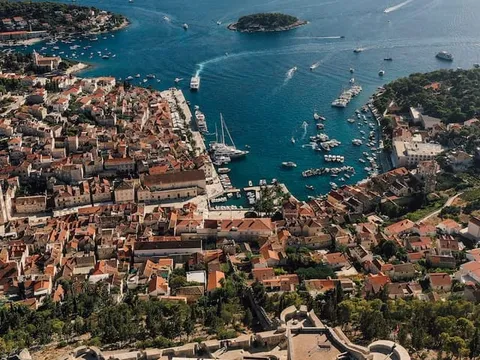 Split5 experiences
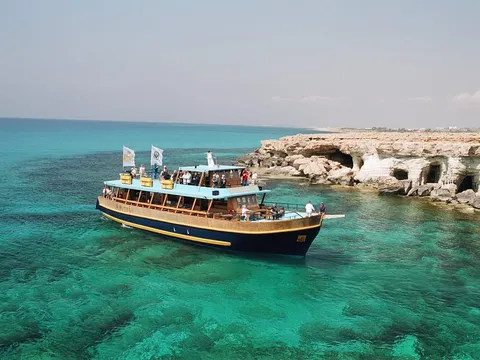 Cyprus3 experiences
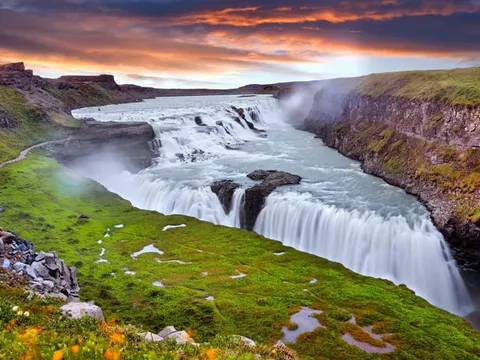 Reykjavík12 experiences
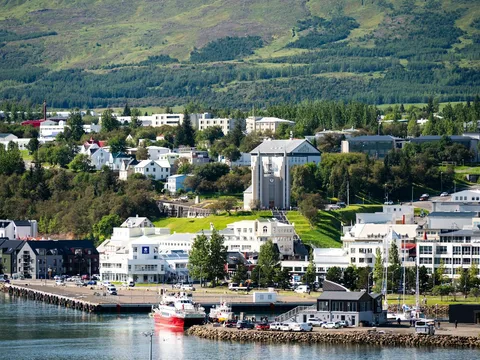 Akureyri2 experiences
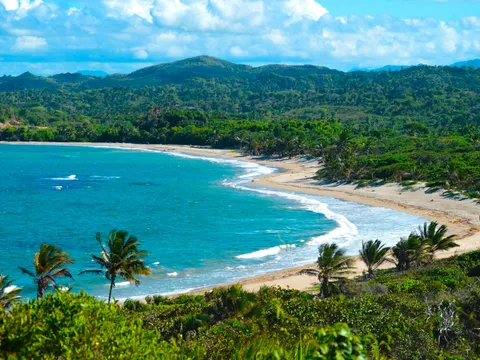 Puerto Plata13 experiences
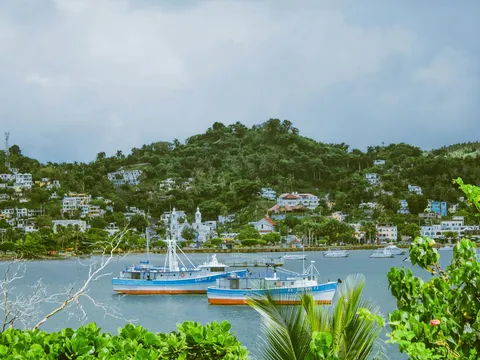 Samaná12 experiences
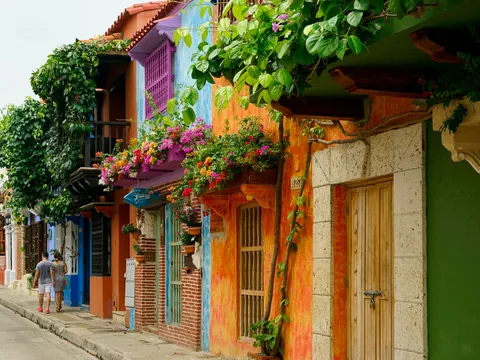 Cartagena9 experiences
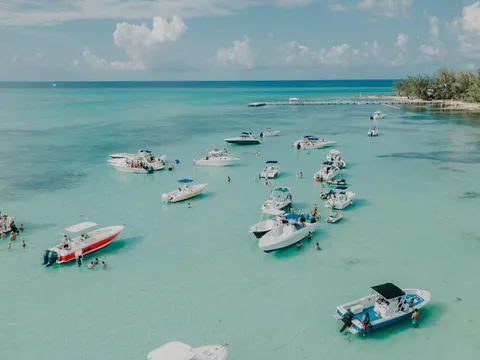 Grand Cayman7 experiences
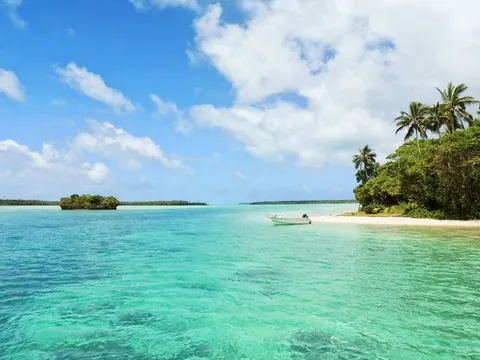 Montego Bay6 experiences
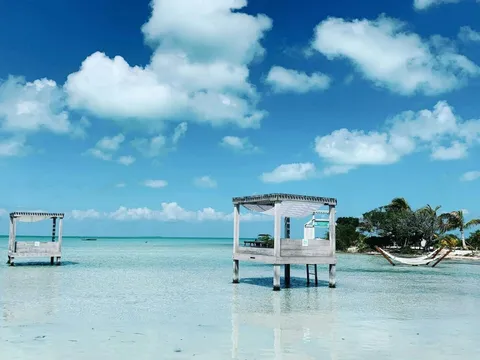 Belize4 experiences
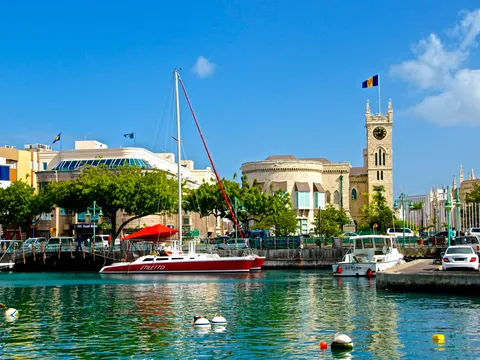 Barbados4 experiences
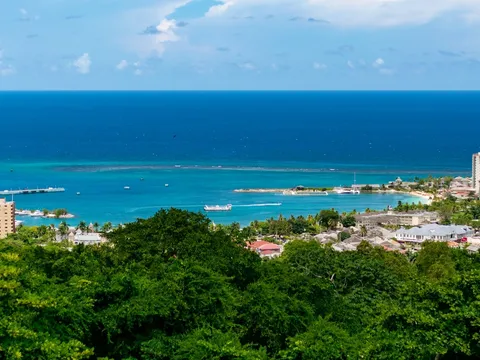 Ocho Rios4 experiences
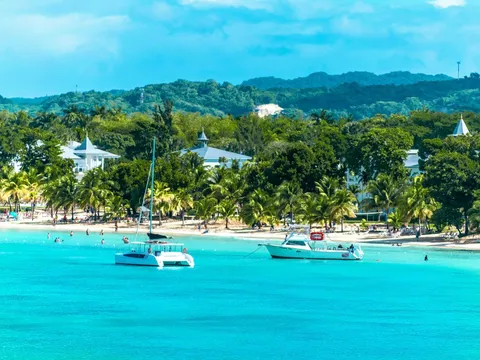 Negril3 experiences
 St Maarten1 experience
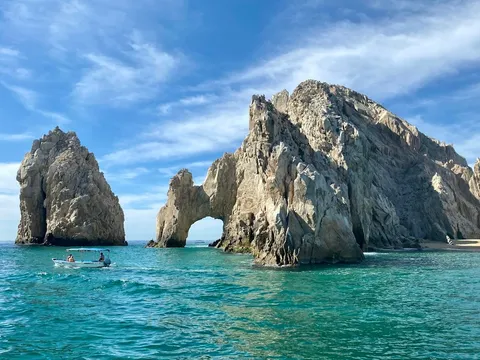 Cabo San Lucas40 experiences
 Cancun20 experiences
 Cozumel10 experiences
 Bacalar6 experiences
 La Paz5 experiences
 Puerto Vallarta3 experiences
 Tulum2 experiences
 Loreto1 experience
 Puerto Morelos1 experience
 Mahahual1 experience
 Costa Rica10 experiences
 Bocas del Toro2 experiences
 Panama2 experiences
 Zanzibar38 experiences
 Hurghada6 experiences
 Sharm el-Sheikh5 experiences
 Marsa Alam2 experiences
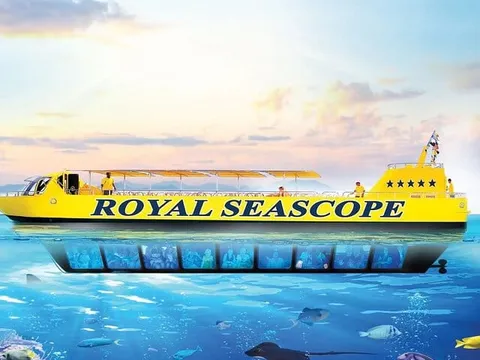 Dahab1 experience
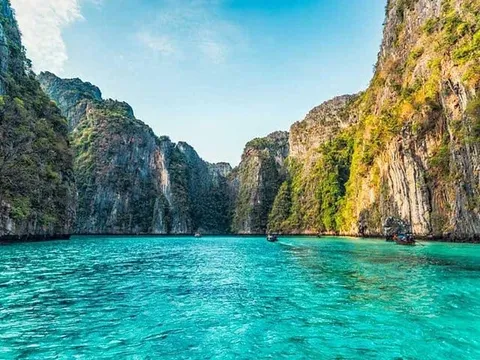 Phuket19 experiences
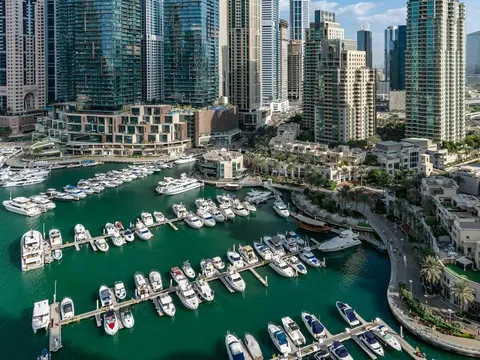 Dubai1 experience
- All port guides →
Frequently asked questions about Milos
What is Milos and what should I see on a first visit?
According to Visit Greece, Milos is a volcanic island in the south-western Cyclades, roughly midway between Piraeus and Crete, with rocks in white, red, yellow and black, white sandy shores and more than 70 beaches. For a first visit, the tourism board points to:
- Sarakiniko, on the north coast, with white rock sculpted by wind and waves.
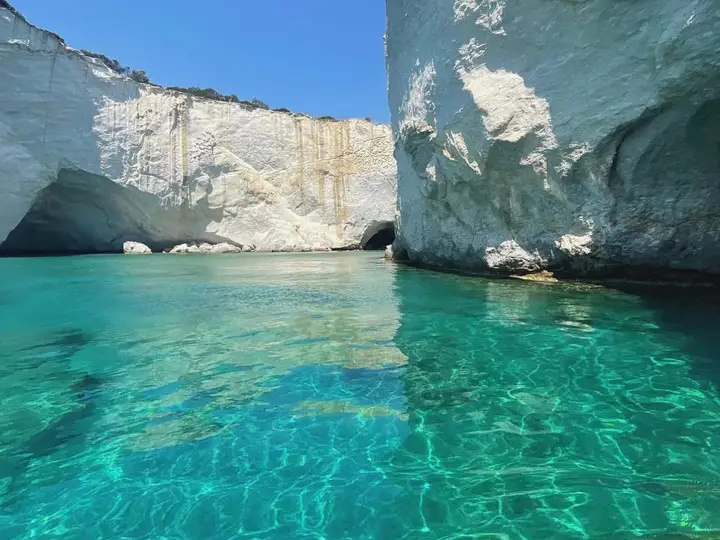
- Kleftiko, a cluster of white volcanic rocks with caves, reached only by boat.
- Paleochori, with colourful pebbles and reddish rocks.
- The Milos Mining Museum, in Adamas, on the island’s mining history.
Our trips combine several of these: see the Agia Kyriaki cruise, the Kipos cruise and the road tour to Paleochori and Sarakiniko.
When is the best time to go to Milos?
The Hellenic National Meteorological Service (HNMS) describes a cold, rainy season from mid-October to the end of March and a warm, rainless season from April to October, with winters milder in the Aegean islands than in the north and east of Greece. It says the hottest period is the last ten days of July and the first of August, with mean maximum temperatures between 29 and 35 °C across the country, moderated by sea breezes and by the northerly winds of the Aegean known as the Etesians.
We could not find an official page with Milos-specific temperatures, so we give no local figures. Our trips are scheduled for the 2027 season: the road tour from April, the cruises from June. Check the calendar of each trip.
How do I get to Milos?
By air, Visit Greece gives 40 minutes from Athens to Milos Island National Airport, and 2 hours 40 minutes from Thessaloniki via Athens. Greek Airports says the airport is run by the Hellenic Civil Aviation Authority, has a 1,030 m runway and is served mainly by Dash-8 and ATR turboprops, so most visitors from abroad connect through Athens.
By sea, Greek Travel Pages lists direct ferry connections between Piraeus and the port of Milos with several companies. Timetables change by season: check them with the operators. The UK government warns that strikes can disrupt ferries and flights at short notice.
How do I get around Milos?
Greek Airports says a local bus links the airport with Adamas in summer, with limited service in winter, and that taxis serve Adamas and Plaka. Visit Greece says that Sarakiniko is reached by car or motorcycle followed by a walk of about 200 metres from the parking area. Confirm bus lines and times locally.
Our cruises do not include pick-up, so you need to reach the beach of Kipos or Agia Kyriaki on your own. The road tour collects you near your hotel; the trip page says it cannot do so from the Milos Cove Hotel area.
What is Kleftiko and why do I need a boat?
Visit Greece says Kleftiko is reached only by boat and compares its cluster of enormous white volcanic rocks, with caves and sheltered coves, to Meteora. That is why both of our cruises sail to it: the Agia Kyriaki cruise stops there for at least an hour according to the trip page, and the Kipos cruise calls at Gerontas beach first and then Kleftiko.
The cruises are subject to the weather: the operator confirms any change to the route.
How do I get to Sarakiniko, and what should I know before swimming there?
According to Visit Greece, Sarakiniko is on the north coast of Milos. Wind and waves have sculpted the soft rock into smooth forms, and the sea has carved caves and fissures that lead to natural pools. You reach it by car or motorcycle, then walk about 200 metres from the parking area. The road tour stops there, after a short walk from the bus stop.
The UK government advises that hidden rocks and shallow water can cause serious injury and that you should not dive into unknown water. Where flags are used, a red flag means you must not enter the water. Sarakiniko is not an organised beach: take extra care and ask locally.
What is the difference between your cruises and the road tour?
- The Kipos and Agia Kyriaki trips are cruises on a traditional wooden boat along the south coast, each with a morning and an afternoon departure.
- The road tour is a 4-hour trip by air-conditioned vehicle to Paleochori and Sarakiniko, with no boat. It is not a sailing day.
See the Kipos cruise, the Agia Kyriaki cruise and the road tour. Food and drinks are not included on the Kipos cruise; the Agia Kyriaki cruise includes iced tea, iced coffee, water, local raki and home-made appetisers, according to its page.
Which are the best-known beaches of Milos?
There is no official ranking, but Visit Greece’s page on Milos beaches mentions:
- Sarakiniko, with white rocks.
- Kleftiko, known as the Meteora of the sea.
- Tsigrado, beneath tall cliffs and with white sand.
- Firiplaka, a busy, well-serviced beach with fine grey sand.
- Paleochori, with colourful pebbles and reddish rocks.
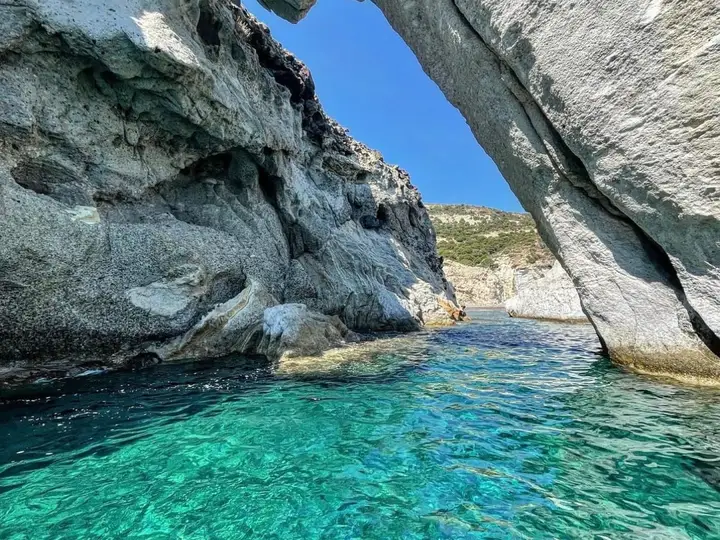
- Gerontas, with an arch-shaped rock.
- Provatas, with shallow water, suited to families.
- Achivadolimni, the island’s largest beach, which has a serviced campsite.
What happens if the sea is rough?
HNMS says the northerly Etesian winds blow mainly in the Aegean in the warm season. On windy days boats can change their plan. The cruise pages say that the cruise is subject to the weather, so the route may change. The operator confirms what happens to your booking if a cruise cannot sail: the pages do not state it.
If you swim on your own, the UK government says a red flag means you must not enter the water.
Can I take children, and are the trips accessible?
The trip pages set these conditions:
- The road tour uses child prices for ages 3 to 12, and the page says children must be accompanied by an adult and that infant seats are not available. It is not wheelchair accessible.
- The cruises have a child price for ages 2 to 12.
- The pages do not state whether the boats are accessible for people with reduced mobility, so ask the operator before booking.
The UK government advises keeping small children within arm’s reach near water.
What if I get seasick, and what should I wear?
The NHS suggests sitting in the middle of the boat, looking at a fixed point such as the horizon, getting fresh air, avoiding heavy meals and alcohol shortly before or during travel, and asking a pharmacist about tablets or patches.
The trip pages ask you to bring a hat, sunscreen, swimwear and a towel. The Kipos cruise page also lists sunglasses.
What is the history behind Milos?
Visit Greece says the statue of Aphrodite that was unearthed on the island is now at the Louvre Museum in Paris, that the island’s hot springs were already known in antiquity and are mentioned by Hippocrates, and that the Milos Mining Museum highlights the island’s mining history. The tourism board describes Milos as a volcanic island. For opening times of museums and sites, check the official pages of the Ministry of Culture or the municipality.
Practical details: money, plugs and emergencies
According to Visit Greece, Greece uses the euro and 230 V, 50 Hz electricity with type F plugs. The emergency numbers it lists are 112 for any emergency, 100 for the police, 199 for the fire service, 166 for ambulances and 1571 for the tourist police, which works around the clock.
The UK government says the wildfire risk is high from April to October and that earthquakes and tremors can occur; follow the advice of local authorities.
