
Boat trips and experiences in Naxos
5 experiencesPort guide →All of Greece →

No experiences match these filters. Try another port or type.
From the blog
Guides and news
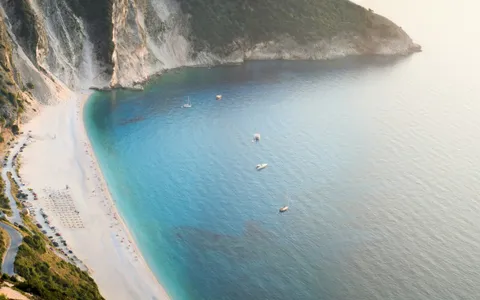 Destinations · 27 October 2026 · 7 minKefalonia by boat: cruises, beaches and islands
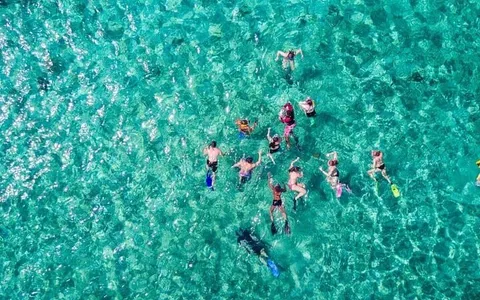 Destinations · 11 November 2026 · 11 minEgypt’s Red Sea by Boat: 5 Places You Shouldn’t Miss
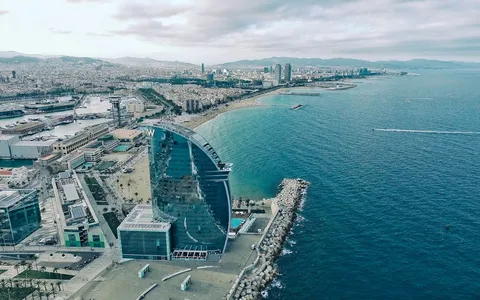 Destinations · 27 October 2026 · 5 minBarcelona from the sea: sailing from Port Olímpic
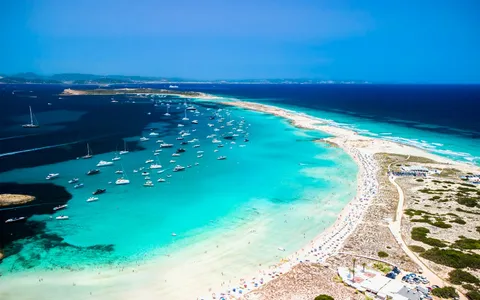 Destinations · 27 October 2026 · 5 minIbiza and Formentera by boat: anchoring and posidonia
More places to sail
Every destination has its own guide and its own trips.
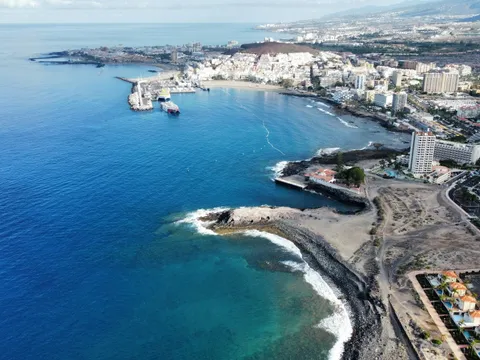 Tenerife26 experiences
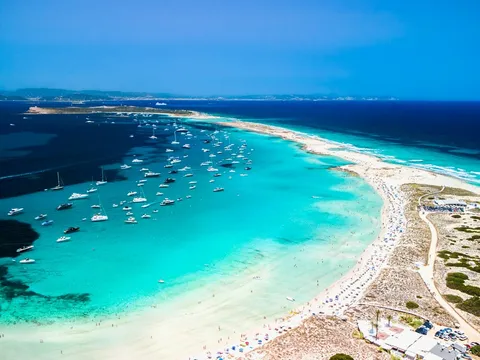 Ibiza11 experiences
 Santiago de Compostela4 experiences
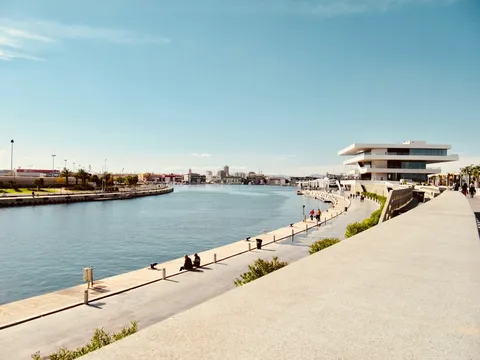 Valencia3 experiences
 Amsterdam4 experiences
 Santorini19 experiences
 Paros9 experiences
 Athens8 experiences
 Crete8 experiences
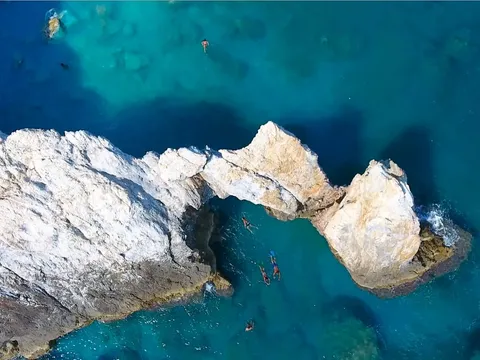 Skiathos6 experiences
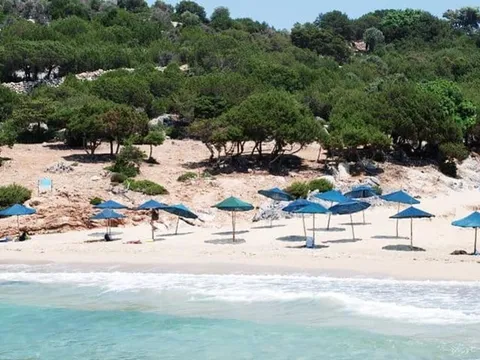 Samos5 experiences
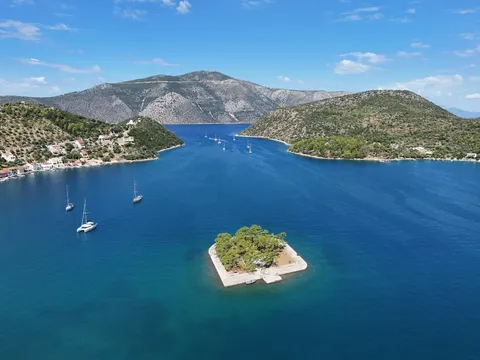 Ithaca4 experiences
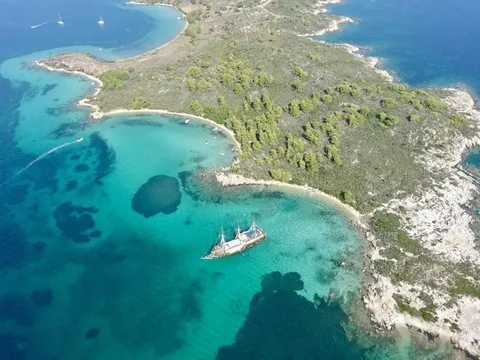 Halkidiki4 experiences
 Mykonos4 experiences
 Lefkada4 experiences
 Rhodes4 experiences
 Zakynthos3 experiences
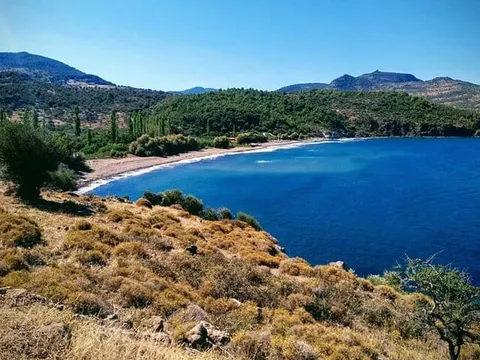 Lesbos3 experiences
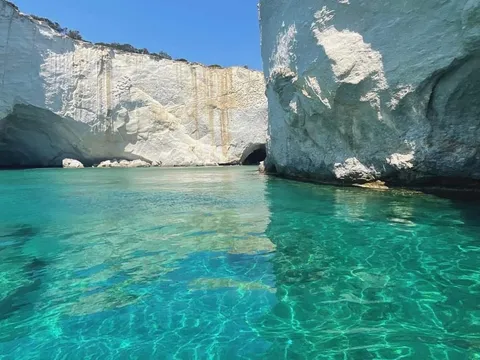 Milos2 experiences
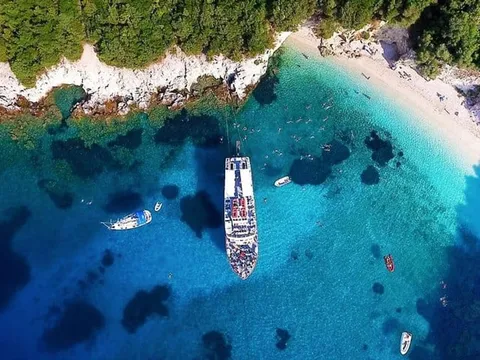 Corfu2 experiences
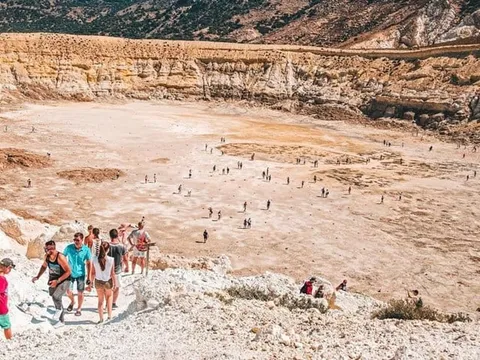 Kos2 experiences
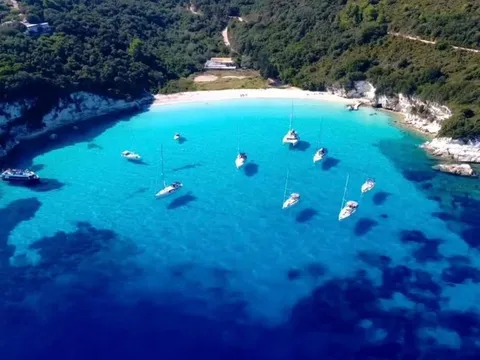 Parga1 experience
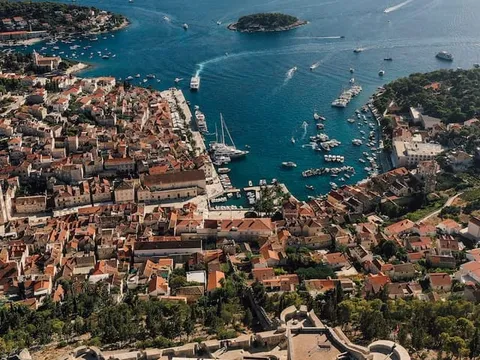 Split5 experiences
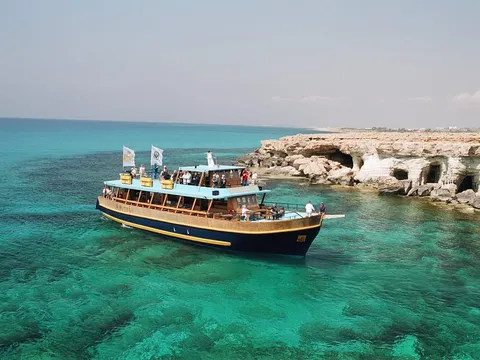 Cyprus3 experiences
 Reykjavík12 experiences
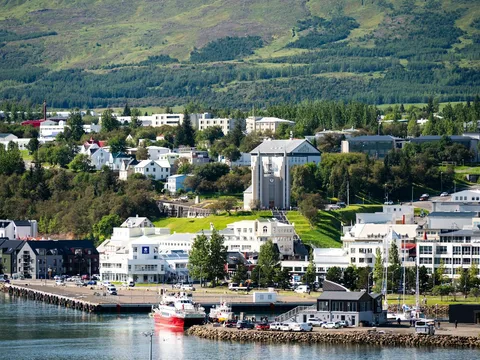 Akureyri2 experiences
 Puerto Plata13 experiences
 Samaná12 experiences
 Cartagena9 experiences
 Grand Cayman7 experiences
 Montego Bay6 experiences
 Belize4 experiences
 Barbados4 experiences
 Ocho Rios4 experiences
 Negril3 experiences
 St Maarten1 experience
 Cabo San Lucas40 experiences
 Cancun20 experiences
 Cozumel10 experiences
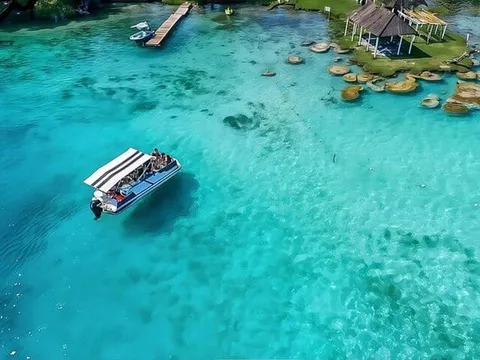 Bacalar6 experiences
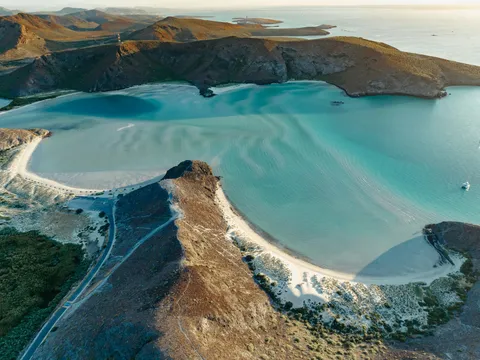 La Paz5 experiences
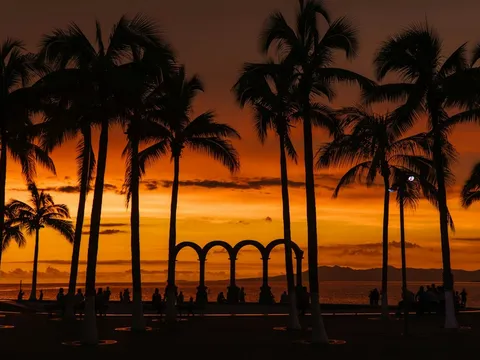 Puerto Vallarta3 experiences
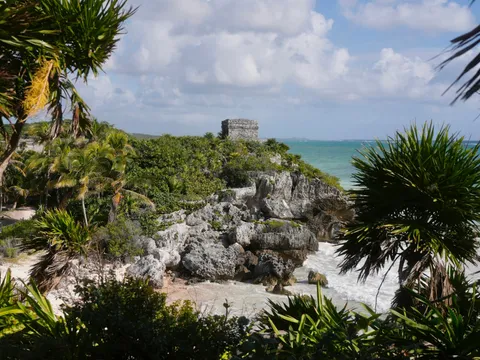 Tulum2 experiences
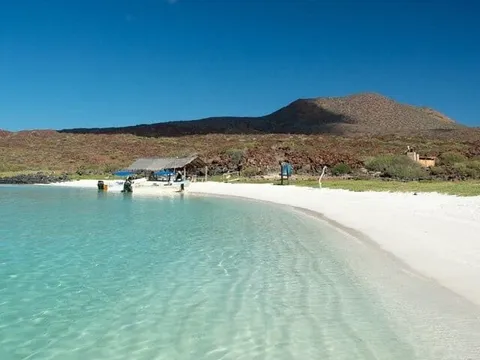 Loreto1 experience
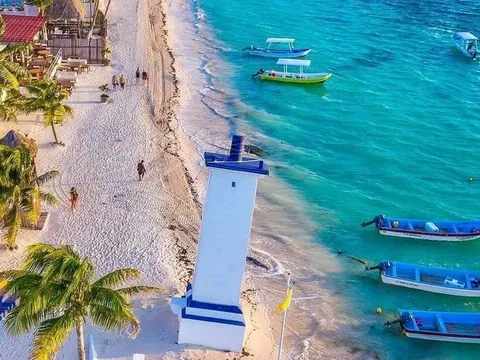 Puerto Morelos1 experience
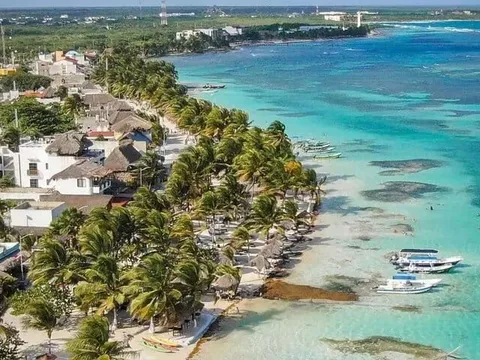 Mahahual1 experience
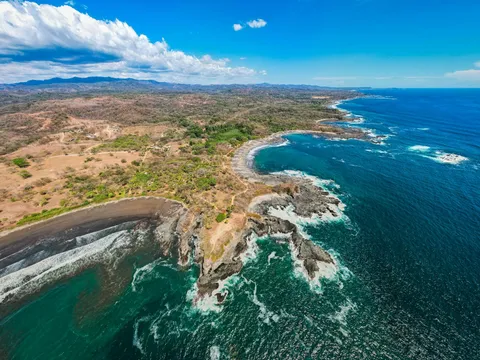 Costa Rica10 experiences
 Bocas del Toro2 experiences
 Panama2 experiences
 Zanzibar38 experiences
 Hurghada6 experiences
 Sharm el-Sheikh5 experiences
 Marsa Alam2 experiences
 Dahab1 experience
 Phuket19 experiences
 Dubai1 experience
- All port guides →
Frequently asked questions about Naxos and the Small Cyclades
What is Naxos and what is it known for?
According to Visit Greece, Naxos is the largest and most fertile island of the Cyclades, linked in myth to Dionysus, the god of wine. Visit Greece highlights:
- Chora, a whitewashed town crowned by a Venetian castle.
- Mount Zas, the highest mountain in the Cyclades, at the centre of the island.
- Traditional villages such as Apeiranthos, with marble-paved alleys, Halki, Filoti and Kinidaros.
- Local produce: potatoes, citrons, distinctive cheeses and wines.
- Beaches such as Agios Prokopios, Agia Anna and Plaka.
What is there to see in Naxos Town and at the Portara?
Chora is where the ferries arrive. The Ministry of Culture says the Portara, a monumental marble gate, stands on the islet of Palatia at the northern end of the port. It belongs to a temple of Apollo that Lygdamis began in 530 BC and that was never finished; the gate is made of four marble sections, each about 6 m long. The Naxos tourism site says a paved footpath links the islet to the town.
The Ministry’s page gives no opening hours or visiting rules, so check the Ephorate’s official page before you go.
When is the best time to take a boat trip from Naxos?
Visit Greece describes the climate of Greece as Mediterranean, with plenty of sunshine, mild temperatures and limited rainfall, and says that in summer the dry, hot days are cooled by seasonal winds. We have not found official temperature figures for Naxos to quote.
What we can say: our five trips from Naxos are scheduled between May and October 2027, so the calendar of each trip shows the days on sale. The UK government warns that wildfire risk is high in Greece from April to October, and advises hikers to avoid peak sun hours and carry water, a hat and sunscreen.
What is the meltemi and can it change my trip?
Visit Greece mentions the seasonal winds, called the etesian winds or meltemi, that cool the dry, hot days of summer.
The page of the Rina’s Cave and Koufonisia trip says the route might change depending on weather conditions, and the other trip pages do not describe a bad-weather policy. If the sea is rough, the operator confirms what happens to your trip.
How do I get to Naxos and move around the island?
Visit Greece gives 45 minutes by air from Athens International Airport and 1 hour 15 minutes from Thessaloniki to Naxos airport (Apollon). Greek Airports lists it as a national airport run by the Hellenic State, with taxis to Naxos Town and Agios Prokopios and buses to Chora and the Agia Anna and Agios Prokopios beaches in summer.
By sea, Visit Greece says the Aegean lines primarily depart from the ports of Piraeus and Rafina. The UK government warns that strikes, sometimes called at short notice, can disrupt ferries, so confirm operators’ timetables. If you hire a scooter, the UK government says you need a valid licence of the right category and a helmet.
Which Naxos trips are cruises and which are not?
They differ, so check the trip page:
- The Iraklia and Koufonissia cruise and the Rina’s Cave and Koufonisia cruise are 9-hour boat days to the Small Cyclades.
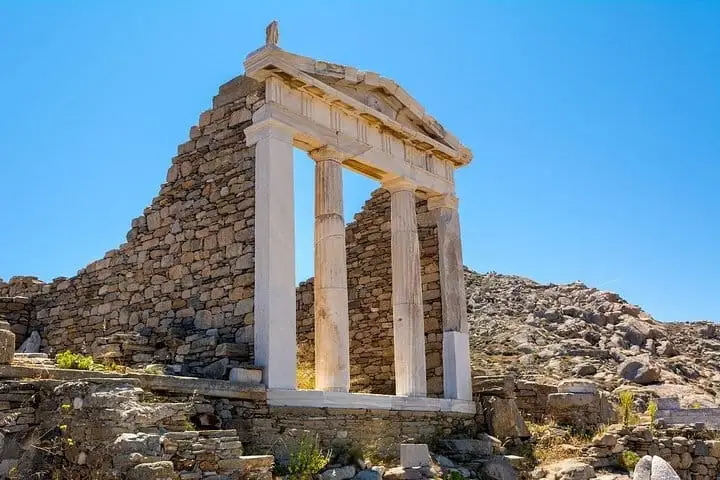
- The Delos and Mykonos cruise takes 10 hours and stops at Delos and Mykonos.
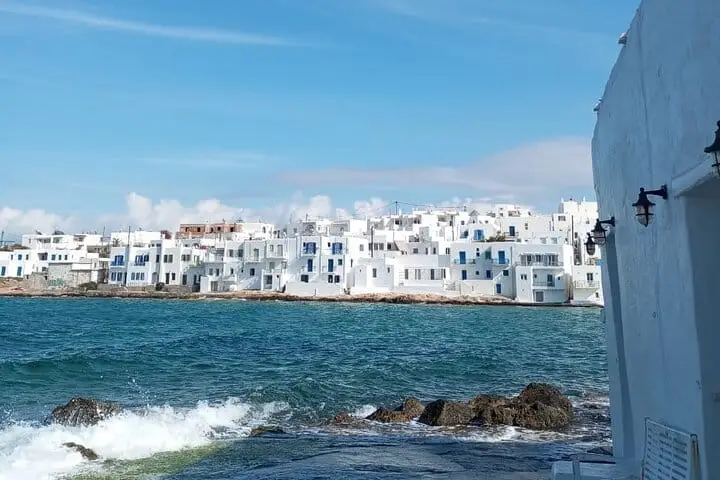
- The Paros trip is a boat transfer to Naoussa, with free time on the island and no guide.
- The Santorini trip takes 12 hours: the boat sails for about two hours, then a bus takes you from Athinios port to Fira.
What are the Small Cyclades and Koufonisia?
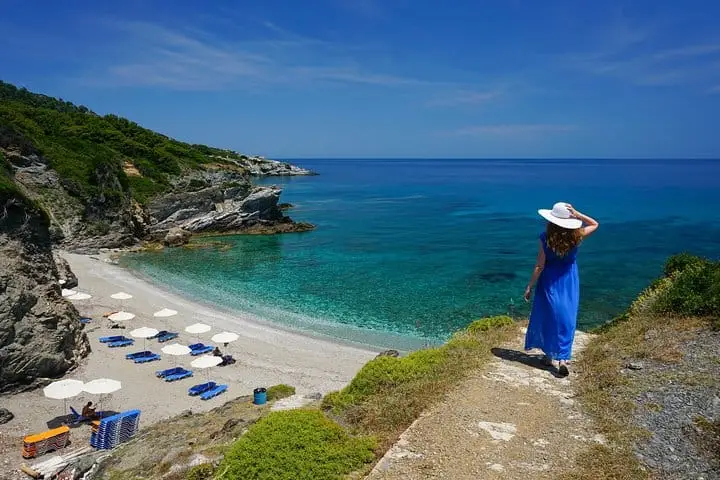
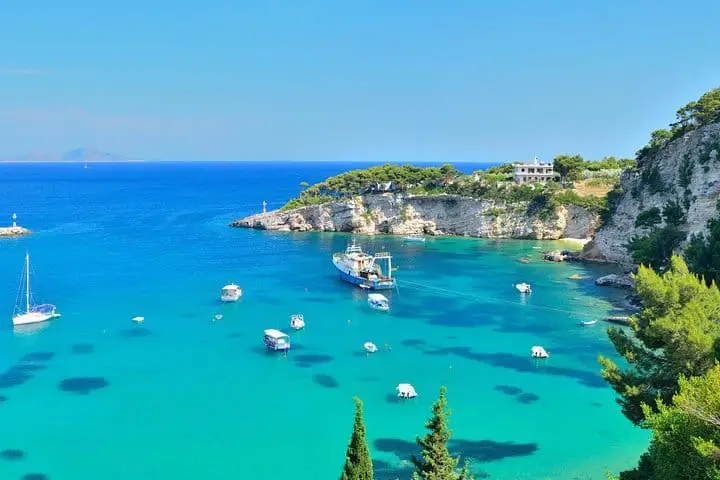
Visit Greece places Koufonisia between Naxos and Amorgos in the Small Cyclades. It consists of two islands, Pano (Upper) and Kato (Lower) Koufonisi, separated by a strait about 200 m wide. Pano Koufonisi has a white windmill at the harbour entrance and a whitewashed Hora, and the page describes beaches of fine white sand and emerald water.
On the Iraklia and Koufonissia cruise the trip page describes Irakleia as a small island and gives 4.5 hours on Koufonisi to swim and eat in local tavernas. Lunch is not included.
What is Rina’s Cave and can I swim there?
The Naxos tourism site says Rina Cave is beside an unspoiled beach with green waters, in the Kalandos area on the southern coast, and can be reached only by sea, about one nautical mile from Kalandos. A freshwater spring lies to the left of the cave, and the cave has some bird nests. The beach is sheltered from wind and waves. The site adds that the cave is not accessible by wheelchair.
The Rina’s Cave and Koufonisia cruise stops there for 1 hour, when you can swim in the cave, according to the trip page.
Can I visit Delos from Naxos, and when is it open?
Yes: the Delos and Mykonos cruise stops at Delos and then at Mykonos. Delos entrance fees are not included in this trip, so check the trip page.
The Ministry of Culture’s Cyclades Ephorate says the archaeological site of Delos is closed from 1 December to 31 March, with visits possible only after a written request, and the Ministry’s Hellenic Heritage site gives opening hours that change by month and closure days including 1 May and Easter Sunday. Check the official pages for the date of your trip. The Ministry describes Delos as a UNESCO World Heritage site where, according to myth, Leto gave birth to Apollo and Artemis.
Is a day trip to Santorini or Paros from Naxos realistic?
It is a long day. On the Santorini trip the boat sails for about two hours, and the trip page gives 7 hours on the island, with a bus to Fira and an English-speaking assistant; food, drinks, a guide and entrance fees are not included. This is a transfer day, not a cruise around the caldera.
The Paros trip is much shorter at sea: the trip page says it takes about 30 minutes to reach Naoussa, then you have free time on the island and return from the Naoussa port. It does not include a guide or entrance fees.
What do I need to book and bring on the day?
Four of our five Naxos trips say the port authorities request the names, gender, nationality and date of birth of all passengers at the time of booking, so have those details ready. Several trip pages ask you to be at the port 30 minutes before departure, and you can show a paper or an electronic voucher.
None of the trips includes a hotel pick-up, so plan how to reach the port. The trip pages recommend swimwear, a hat, sunscreen and towels. Cash helps for lunch, drinks and entrance fees that are listed as not included.
What if I get seasick, and what should I wear?
According to the NHS, to reduce motion sit in the middle of a boat and look straight ahead at a fixed point, such as the horizon. It also advises fresh air, avoiding heavy meals and alcohol shortly before or during travel, and asking a pharmacist about tablets or patches.
For the sun, wear a hat, sunglasses and sunscreen, as the trip pages ask. Bring swimwear and a towel for the swim stops, and a light layer for the boat.
Are the trips suitable for children and people with reduced mobility?
Age rules differ by trip, and the trip pages set them. For example, the pages list a minimum age of 2 for the Delos and Mykonos cruise, the Iraklia and Koufonissia cruise and the Santorini trip, and the Paros trip says infants must not sit on laps and infant seats are unavailable.
Four of the five trip pages state that the trip is not wheelchair accessible. The Paros trip also says it is not stroller accessible. If you need specific help, ask the operator before you book.
What should I know about money, plugs and emergencies in Greece?
According to Visit Greece, Greece uses the euro, the electricity is 230 V and 50 Hz and the plugs are type F. Its emergency numbers are 112 (European emergency number), 100 (police), 199 (fire), 166 (ambulance) and 1571 (tourist police, 24/7).
The UK government adds that many organised beaches use a flag system and a red flag means you must not enter the water, and that you should call 112 if you see a fire.
