
Boat trips and experiences in Corfu
2 experiencesPort guide →All of Greece →
No experiences match these filters. Try another port or type.
From the blog
Guides and news
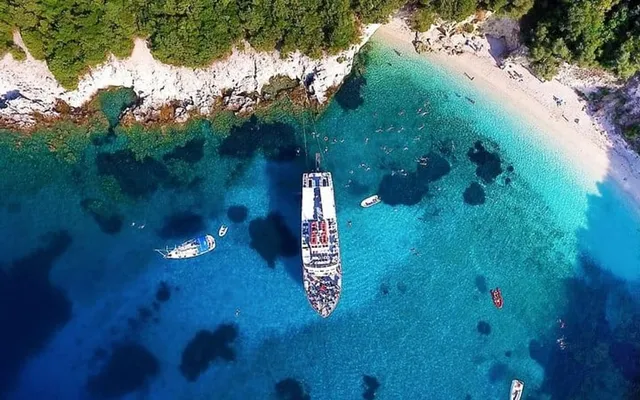
 Destinations · 27 October 2026 · 7 minKefalonia by boat: cruises, beaches and islands
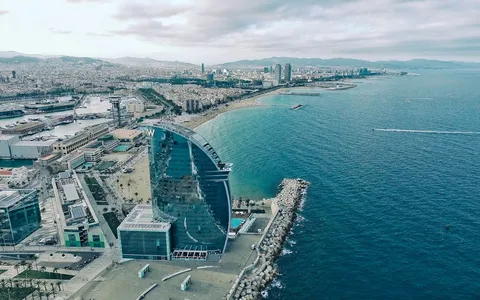 Destinations · 27 October 2026 · 5 minBarcelona from the sea: sailing from Port Olímpic
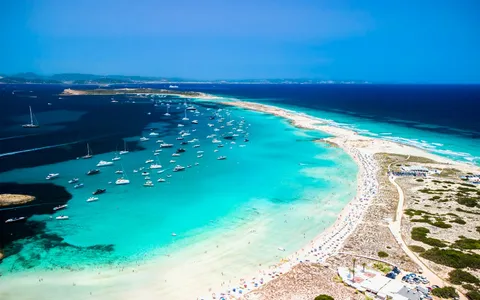 Destinations · 27 October 2026 · 5 minIbiza and Formentera by boat: anchoring and posidonia
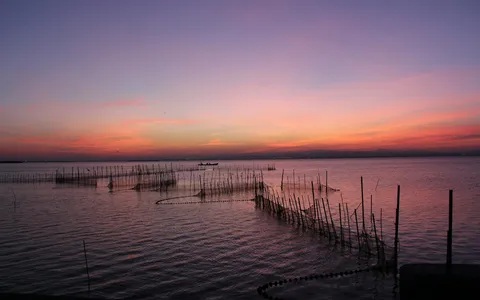 Destinations · 27 October 2026 · 5 minAlbufera at sunset: a boat ride from Valencia
More places to sail
Every destination has its own guide and its own trips.
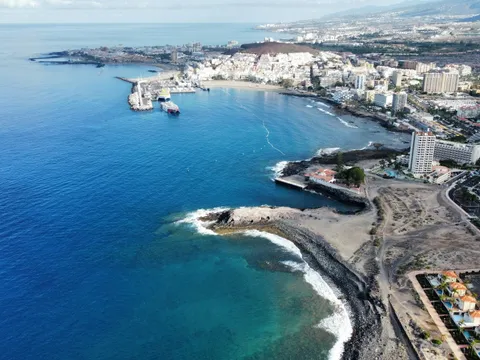 Tenerife26 experiences
 Ibiza11 experiences
 Santiago de Compostela4 experiences
 Valencia3 experiences
 Amsterdam4 experiences
 Santorini19 experiences
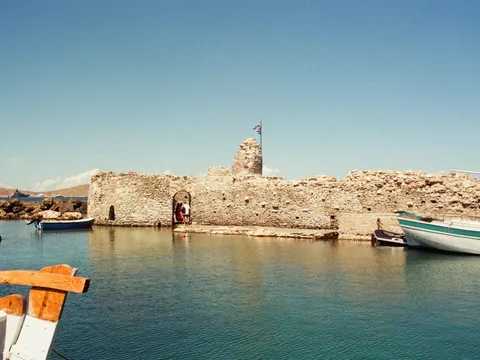 Paros9 experiences
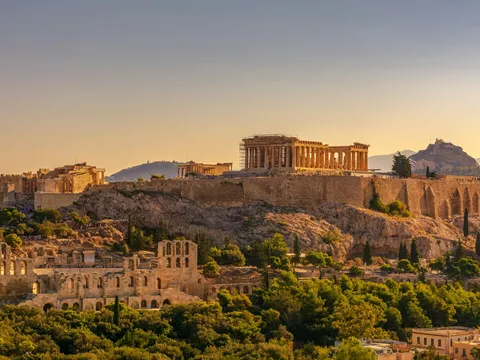 Athens8 experiences
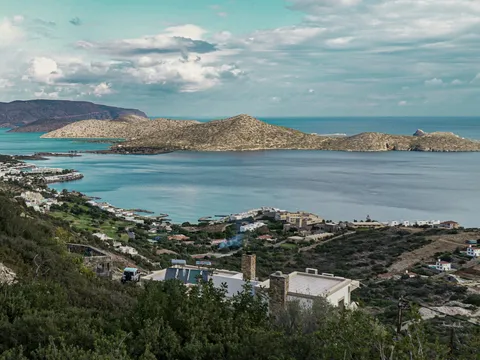 Crete8 experiences
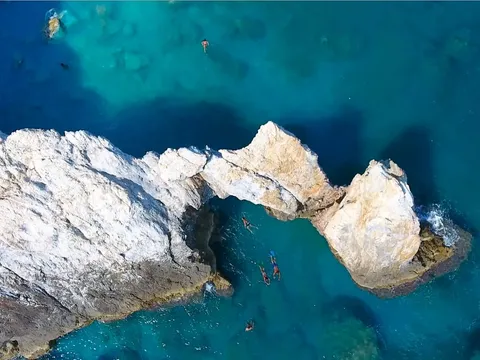 Skiathos6 experiences
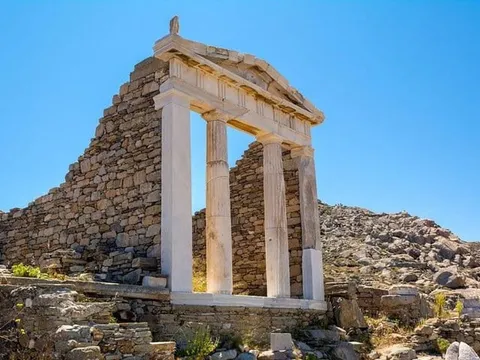 Naxos5 experiences
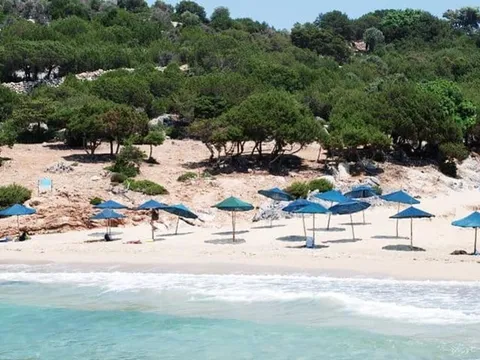 Samos5 experiences
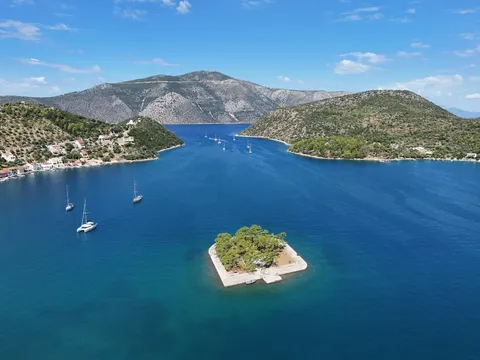 Ithaca4 experiences
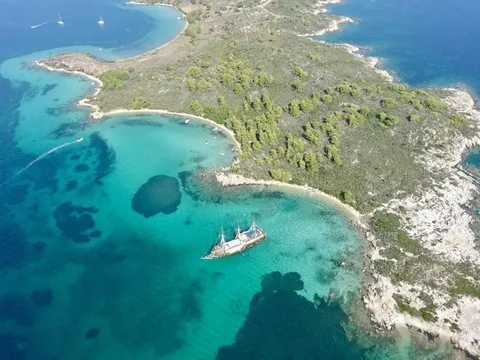 Halkidiki4 experiences
 Mykonos4 experiences
 Lefkada4 experiences
 Rhodes4 experiences
 Zakynthos3 experiences
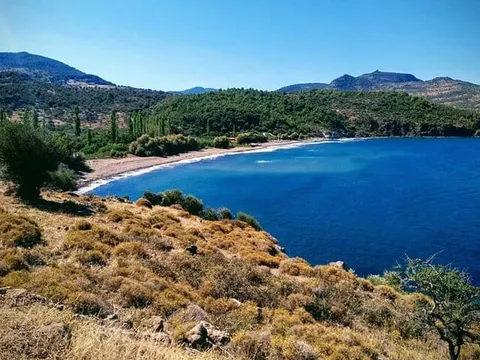 Lesbos3 experiences
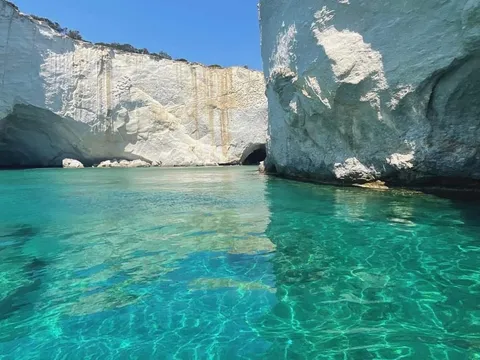 Milos2 experiences
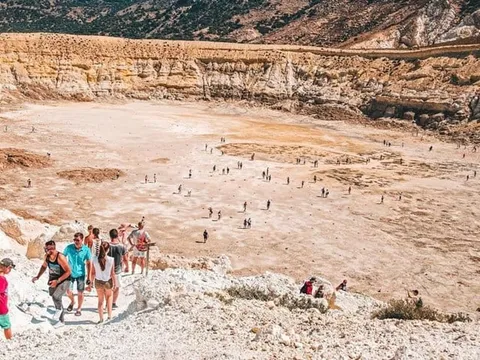 Kos2 experiences
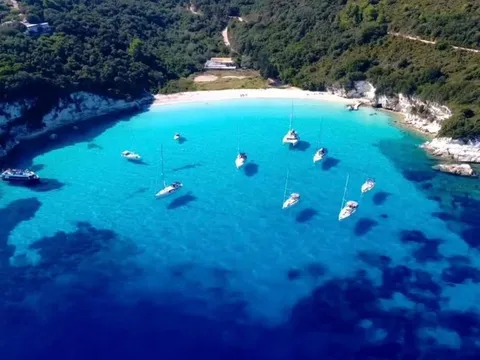 Parga1 experience
 Split5 experiences
 Cyprus3 experiences
 Reykjavík12 experiences
 Akureyri2 experiences
 Puerto Plata13 experiences
 Samaná12 experiences
 Cartagena9 experiences
 Grand Cayman7 experiences
 Montego Bay6 experiences
 Belize4 experiences
 Barbados4 experiences
 Ocho Rios4 experiences
 Negril3 experiences
 St Maarten1 experience
 Cabo San Lucas40 experiences
 Cancun20 experiences
 Cozumel10 experiences
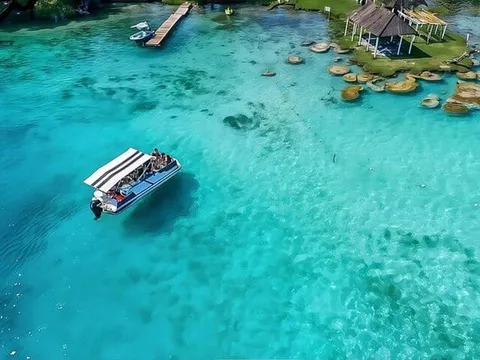 Bacalar6 experiences
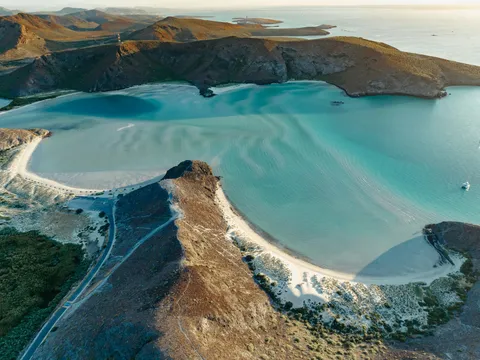 La Paz5 experiences
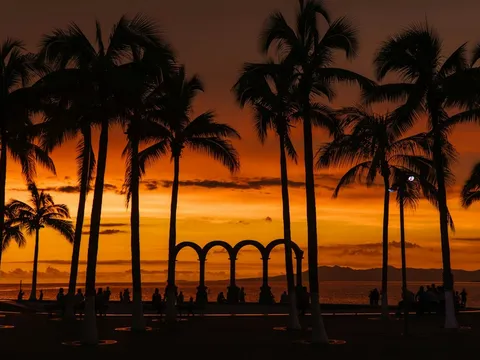 Puerto Vallarta3 experiences
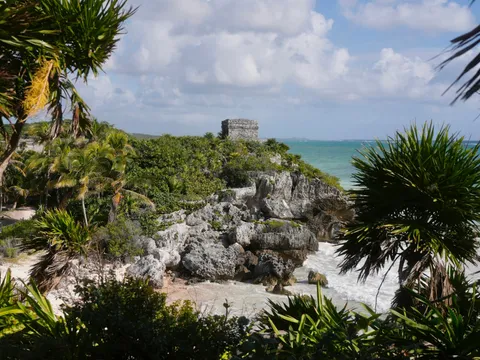 Tulum2 experiences
 Loreto1 experience
 Puerto Morelos1 experience
 Mahahual1 experience
 Costa Rica10 experiences
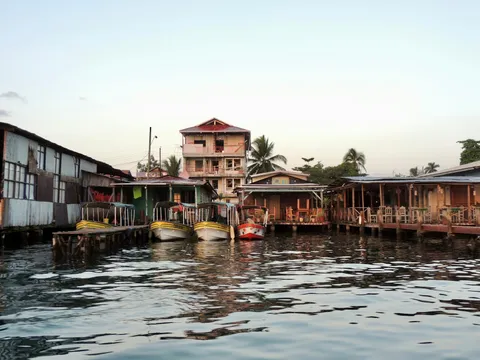 Bocas del Toro2 experiences
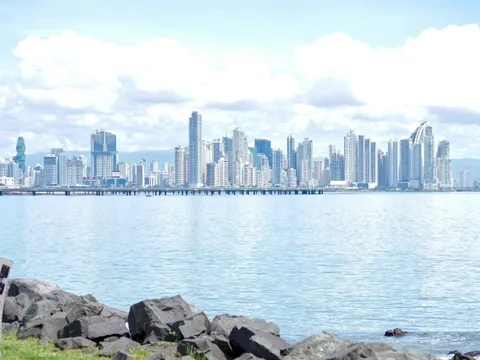 Panama2 experiences
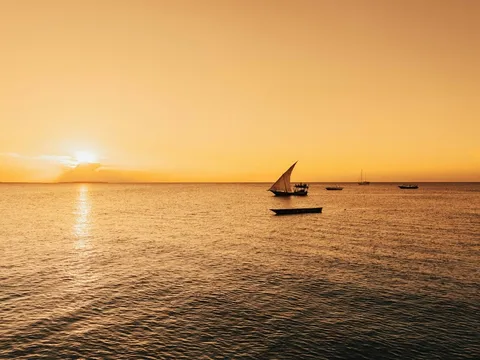 Zanzibar38 experiences
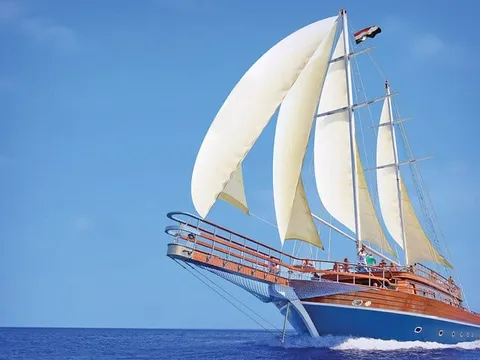 Hurghada6 experiences
 Sharm el-Sheikh5 experiences
 Marsa Alam2 experiences
 Dahab1 experience
 Phuket19 experiences
 Dubai1 experience
- All port guides →
Frequently asked questions about Corfu
What is Corfu, and where do our cruises go?
According to Visit Greece, Corfu is an Ionian island, one of the most popular in the Mediterranean, whose capital, the city of Corfu, has an Old Town described as a UNESCO World Heritage Site. Our two cruises last about 10 hours and start at the port of Corfu. One goes south to Paxos, Antipaxos and the sea caves; the other crosses to mainland Greece to Parga, the islets near Sivota and the Blue Lagoon.
Which cruise should I choose?
Both include a shared hotel transfer, guiding on board in several languages, fees, taxes and insurance coverage; food and drinks are not included. They differ in the stops.
- Cruise to Paxos, Antipaxos & the Blue Caves: about 10 hours with the Kanoni peninsula and Mon Repos, the sea caves, a swim at Voutoumi beach and time in the village of Gaios.
- Parga, Sivota and Blue Lagoon Cruise: about 10 hours with the cave of Sivota, free time in Parga and a swim in the Blue Lagoon.
Are these sailing days or coach tours?
They are boat day cruises. The trip pages describe sailing from Corfu to each stop, with swimming and time ashore: in Gaios on the Paxos cruise and in Parga on the mainland cruise. The Parga page also describes an optional mini-tour by tourist train to a stone watermill and folklore museum, and a visit to the Venetian castle. The transfer is only a shared ride between your hotel and the port. The pages do not say what type of boat is used, and the operator confirms it.
Where do the cruises start, and is there a hotel pick-up?
Both cruises start at the port of Corfu. The trip pages say a shared hotel transfer is included and that the pick-up places and times are shared after you book. The Parga cruise lets you choose between a hotel pick-up and meeting on location; the Paxos cruise is booked with a pick-up point.
- The pages add that extra charges may apply for pick-ups from hotels, villas or rentals outside the planned route, quoted by the operator.
- The operator confirms the exact meeting point if you go to the port yourself.
How do I get to Corfu?
Visit Greece gives about 1 hour 15 minutes for the flight from Athens to Corfu Airport and 55 minutes from Thessaloniki. According to the airport website, Corfu Island International Airport “Ioannis Kapodistrias” (CFU), operated by Fraport Greece, is about 3 km from Corfu Town, and Blue Bus line 15 connects it with San Rocco Square and the port.
For ferries, the Corfu Port Authority website lists the domestic ferry timetables and a cruise-ship calendar; check them for the date you need.
When is the best time to go?
According to the Hellenic National Meteorological Service (HNMS), Greece has mild, wet winters and hot, dry summers, with a cold, rainy season from mid-October to the end of March and a warm, rainless season from April to October. HNMS adds that winters on the Aegean and Ionian islands are milder than in the north and east of the country.
Our Corfu cruises are scheduled from May to October in 2027, and the calendar of each trip shows its dates. HNMS says the hottest period in Greece is the last ten days of July and the first of August, with mean maximum temperatures between 29 and 35 °C across the country. May, June, September and October are the alternatives to the hottest weeks.
What are Paxos and Antipaxos?
Visit Greece places Paxos, a small island of the Ionian archipelago, south of Corfu, with Gaios as its capital and main port, known for its colourful houses, and with underwater and sea caves.
Visit Greece says Antipaxos lies south-east of Paxos, about 3 nautical miles from Paxos port, covers about 4 km² and has about 20 permanent residents. Vineyards dominate the island, and its beaches include Voutoumi, which Visit Greece describes as having white sand and crystal-clear water, and Vrika.
Can I be sure the boat enters the sea caves?
The Paxos trip page says the boat enters the caves and describes the water changing from light blue to turquoise and emerald. It does not say what happens if the sea is rough, so the operator confirms on the day whether the caves can be entered.
What do I see in Parga, Sivota and the Blue Lagoon?
Visit Greece describes Parga as a town on the Ionian coast of Epirus, built in a semicircle round a bay, with a Venetian castle above it, cobbled streets and the islet of Panagia in the bay. It places Syvota in Thesprotia, with four uninhabited islets and sandy beaches.
The trip page describes a visit to a cave near Sivota, free time in Parga and lunch at a seafront taverna, and anchoring close to the beach at the Blue Lagoon, where the page says historians report that pirates moored their ships in the Middle Ages. The page does not give more detail on the lagoon.
Are there protected areas I should know about?
Visit Greece says Antipaxos is part of a Natura 2000 protected area whose waters support seagrass meadows, Mediterranean monk seals, dolphins and sea turtles. The trip pages do not list specific rules for the cruises, so follow the instructions of your guide and crew on board.
What happens if the sea is rough or the weather is bad?
The trip pages do not state a policy for bad weather, so the operator confirms what happens on the day, including any change of stops or date. Check your booking email and contact the operator if you have doubts.
The UK government’s travel advice for Greece says that many organised beaches use a flag system and that a red flag means you must not enter the water. It also warns that people drown in the sea every year and advises keeping small children within arm’s reach at the beach, even if they can swim.
Can children and people with limited mobility join?
The trip pages say that neither cruise is wheelchair or stroller accessible or suitable for pets, that infant seats are unavailable and that infants must not sit on laps. Both use the same age bands for adults, children and infants, shown in the booking calendar. The port authorities require the full name, date of birth and nationality of each participant, so have those details ready. If someone has limited mobility, ask the operator before you book.
What should I bring, and what if I get seasick?
Bring swimwear, a towel, a hat, sunscreen and water, plus money for lunch and drinks, which are not included.
The NHS advises sitting in the middle of a boat, where there is less movement, looking at a fixed point such as the horizon, getting fresh air, avoiding heavy meals and alcohol shortly before or during the trip, and asking a pharmacist about tablets or patches if you are prone to motion sickness.
What are the practical basics?
According to Visit Greece, the currency is the euro, the mains supply is 230 V at 50 Hz with type F plugs, and the emergency numbers are 112 (European emergency number), 100 (police), 199 (fire), 166 (ambulance) and 1571 (tourist police, 24 hours).
The UK government’s travel advice says the risk of wildfires in Greece is high from April to October and that strikes are regular and sometimes called at short notice, which can disrupt ferries and buses. For anything urgent at sea or ashore call 112.
