
Boat trips and experiences in Split
5 experiencesPort guide →All of Croatia →
No experiences match these filters. Try another port or type.
From the blog
Guides and news
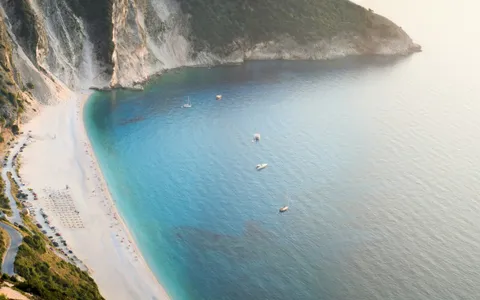 Destinations · 27 October 2026 · 7 minKefalonia by boat: cruises, beaches and islands
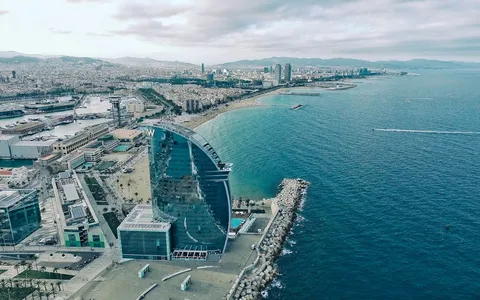 Destinations · 27 October 2026 · 5 minBarcelona from the sea: sailing from Port Olímpic
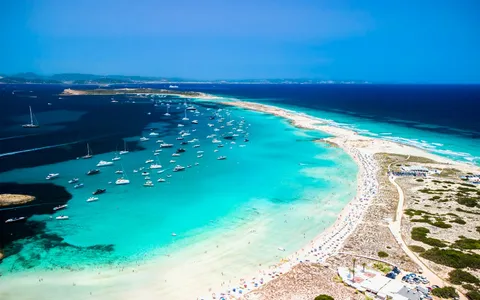 Destinations · 27 October 2026 · 5 minIbiza and Formentera by boat: anchoring and posidonia
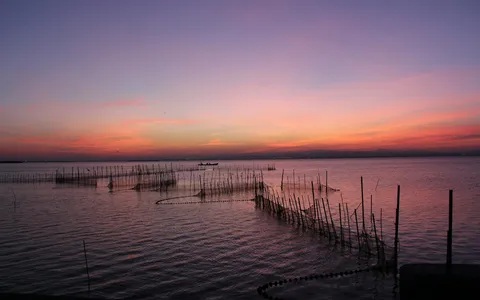 Destinations · 27 October 2026 · 5 minAlbufera at sunset: a boat ride from Valencia
More places to sail
Every destination has its own guide and its own trips.
 Ibiza4 experiences
 Valencia3 experiences
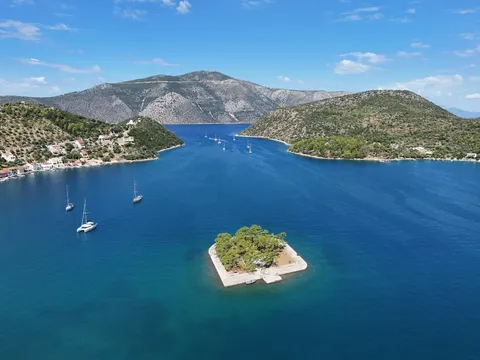 Ithaca4 experiences
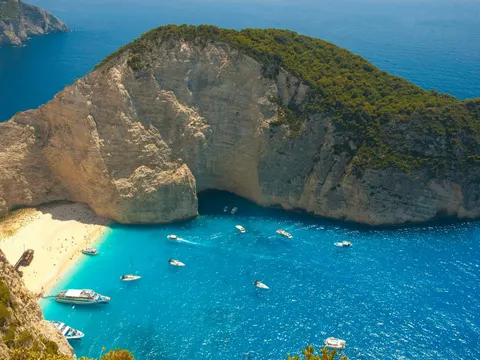 Zakynthos1 experience
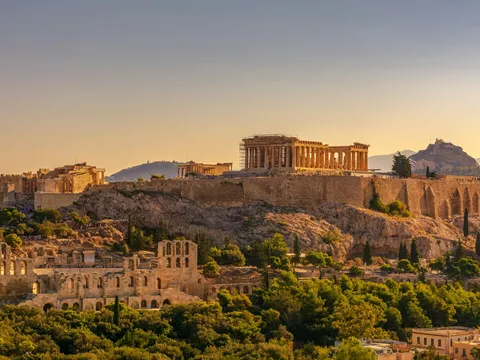 Athens1 experience
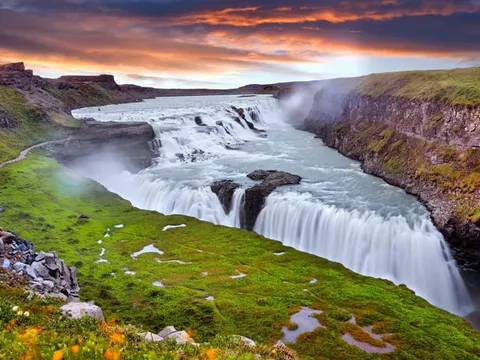 Reykjavík1 experience
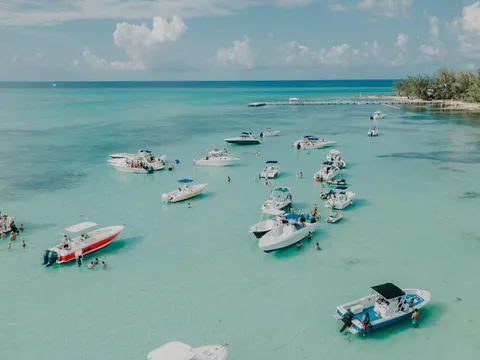 Grand Cayman7 experiences
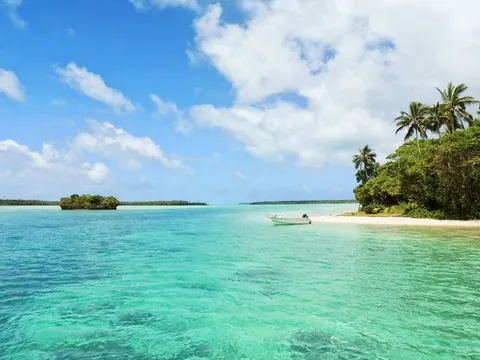 Montego Bay6 experiences
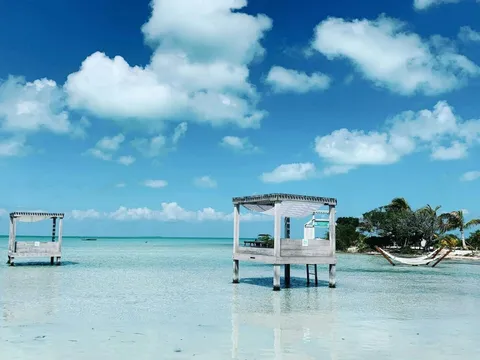 Belize3 experiences
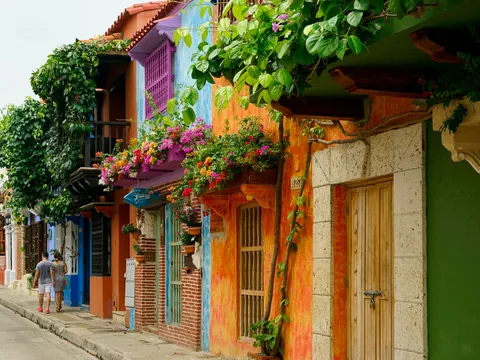 Cartagena3 experiences
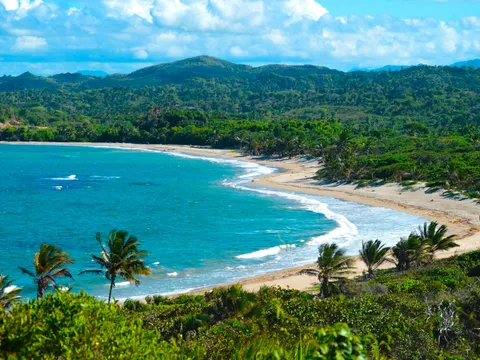 Puerto Plata2 experiences
 St Maarten1 experience
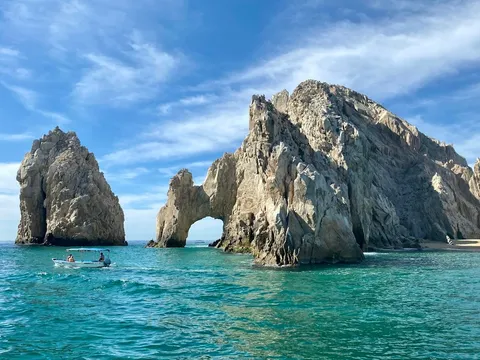 Cabo San Lucas18 experiences
 Cancun13 experiences
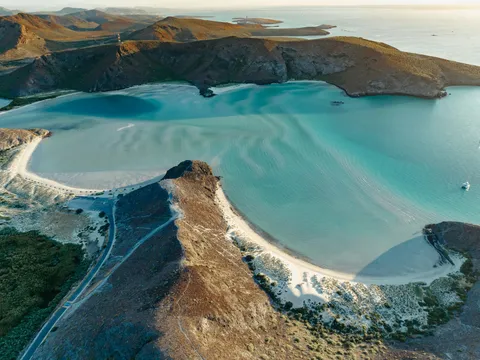 La Paz5 experiences
 Cozumel4 experiences
 Puerto Vallarta3 experiences
 Bacalar3 experiences
 Tulum2 experiences
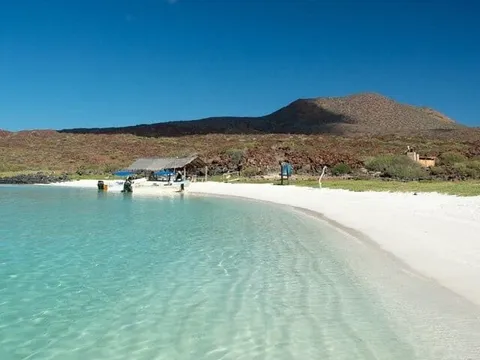 Loreto1 experience
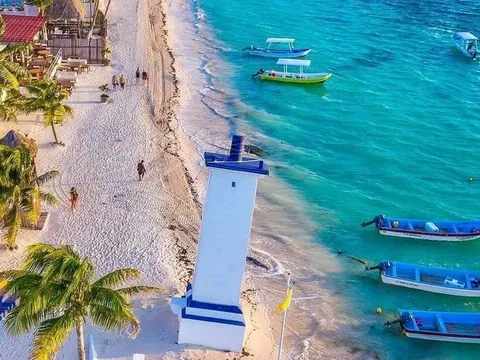 Puerto Morelos1 experience
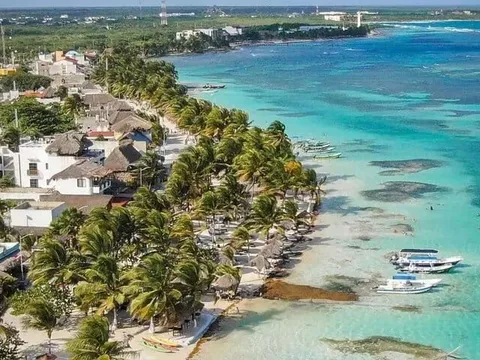 Mahahual1 experience
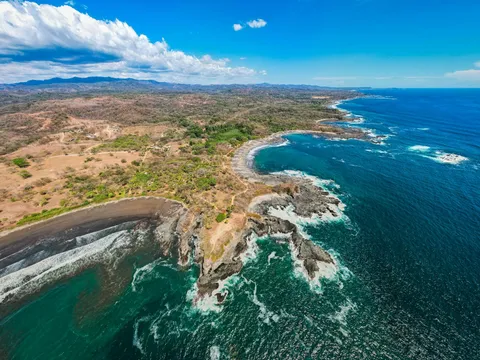 Costa Rica3 experiences
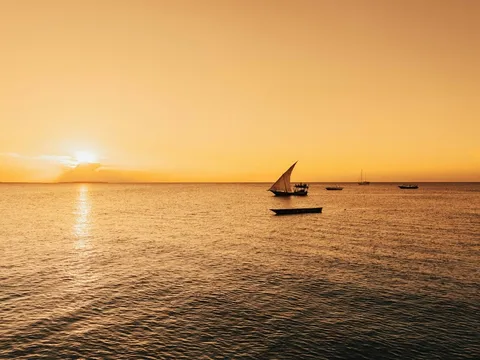 Zanzibar7 experiences
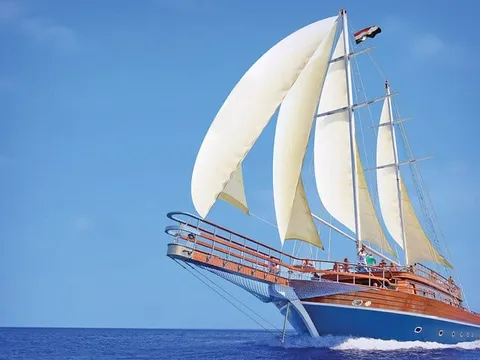 Hurghada6 experiences
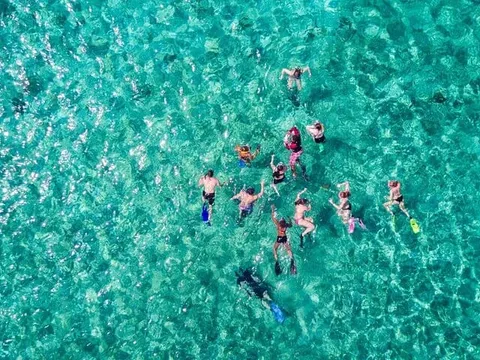 Sharm el-Sheikh5 experiences
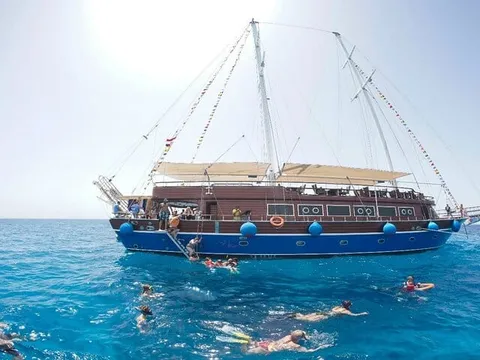 Marsa Alam3 experiences
 Dahab1 experience
 Phuket8 experiences
 Dubai6 experiences
- All port guides →
Frequently asked questions about Split
What should you do on your first trip to Split?
Start with the old town, which grew inside Diocletian’s Palace: a complex begun around AD 295 as the emperor’s retirement residence, listed by UNESCO in 1979 and still lived in. A classic route, like the one the Split tourist board suggests, begins on the Riva (the seafront promenade), follows the north wall and the Golden Gate, crosses the Peristyle with the Cathedral of St Domnius, drops into the palace cellars and ends at the Pazar market and Pjaca square. If you have time, climb Marjan hill or stroll to Bačvice beach.
What are the best tours in Split?
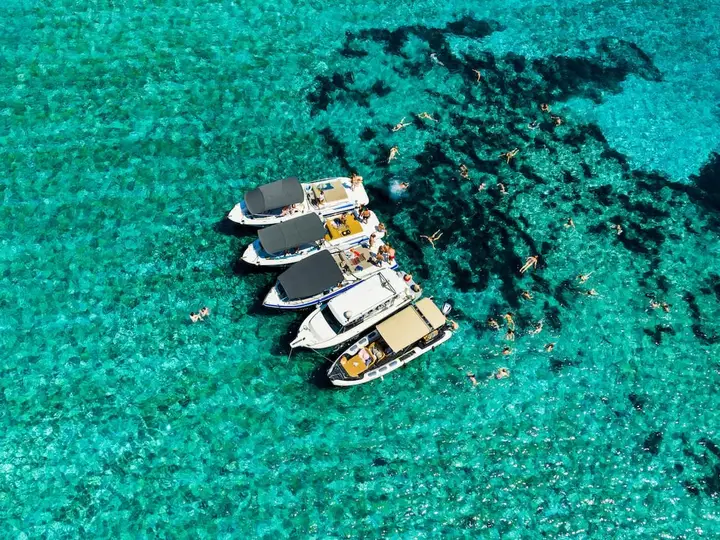
The city is walkable in a day or two, and Marjan hill, with its paths and small chapels, deserves another day. From the sea, the usual outings are to the central Dalmatian islands, the Blue Cave and Trogir. Our speedboat trips from Split are run by an independent operator and sold by us; they have no dates on sale yet, and each trip page shows “Coming soon” until the operator opens its calendar. See our boat trips from Split page or the Blue Cave & 5 Islands Speedboat Tour.
How long should you spend in Split?
One day covers the essentials of the old town; the tourist board also offers a three-day plan, with a full day for Marjan and for the museums. Our advice: two or three days for the city, plus a day for the islands or Trogir.
How do you get to Split and to the islands?
Split Airport is in Kaštela, almost 20 km from the city, and according to Wikipedia Promet Split’s line 37 links it with Trogir and the Sukoišan bus terminal, about 1 km from the historic centre; confirm the timetable with the operator. The port of Split handles millions of passengers a year and Jadrolinija, the Croatian ferry company, connects the city with islands such as Brač, Hvar, Vis and Šolta; on Hvar, the main arrival port is Stari Grad. Ferry timetables change with the season, so check the company’s website. Croatia has used the euro since 1 January 2023.
When is the best time to visit Split?
Split has a hot-summer Mediterranean climate: the average high in July is around 31 °C and the average low in January around 6 °C, with about 800 mm of rain a year. The sea goes from about 12 °C in January to about 23.6 °C in August. For swimming, summer is the safe bet; May, June and September usually strike a good balance between temperature and crowds. In winter the cold northerly bura can be felt, and strong wind cancels speedboat departures.
What is the Blue Cave on Biševo, and when does it look best?
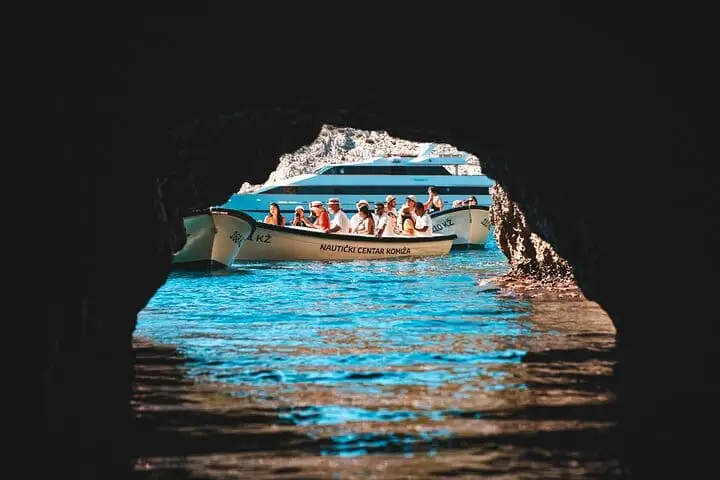
The Blue Cave (Modra špilja) lies on the east coast of the small island of Biševo, about 5 km south-west of Vis, and is visited only by boat. It looks blue when sunlight enters through an underwater opening and bounces off the white floor; according to Wikipedia this happens mainly in summer between 10:00 and 13:00 in calm seas, and objects in the water look silver. Croatian tourism sources say it can only be visited in fair weather, because even a slight swell from southerly winds blocks the entrance. So no cave departure is guaranteed and it is wise to have a plan B.
What is there to see on Hvar and the Pakleni Islands?
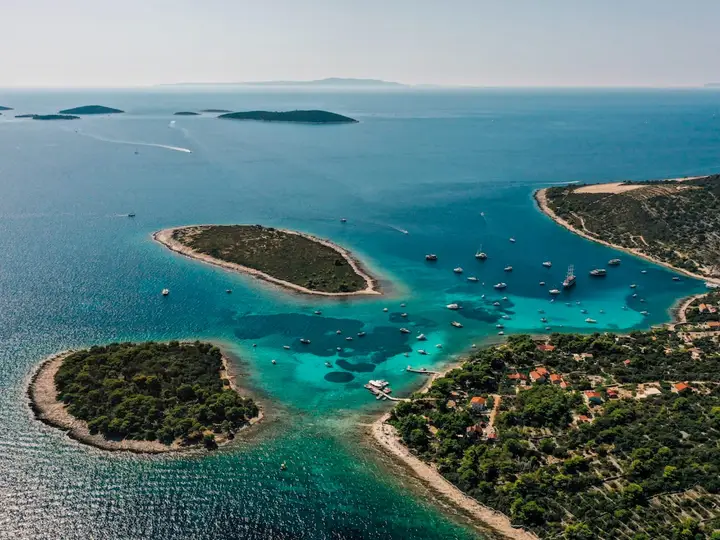
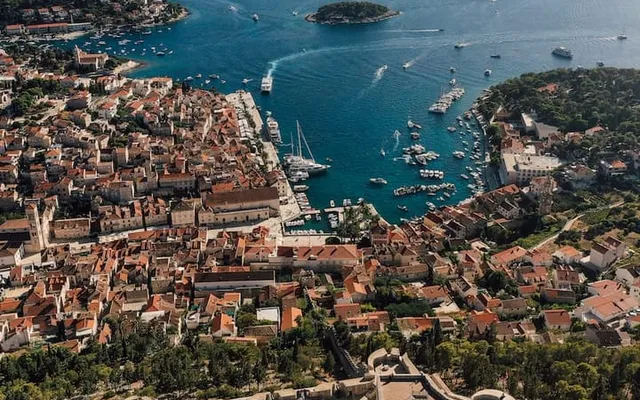
The island of Hvar is about 68 km long and Hvar town is its main tourist centre, with Venetian heritage (Venice ruled the island until 1797), the Fortica fortress above the town, a large square opening onto the sea and a theatre dating from 1612, regarded as one of Europe’s oldest surviving. Inland, the Stari Grad Plain is a World Heritage Site. Opposite Hvar harbour lie the Pakleni Islands, an archipelago of 16 islands with pine woods and an indented coast, which shelters the port and is a protected landscape; the largest is Sveti Klement.
What should you know about Brač and the Golden Horn?
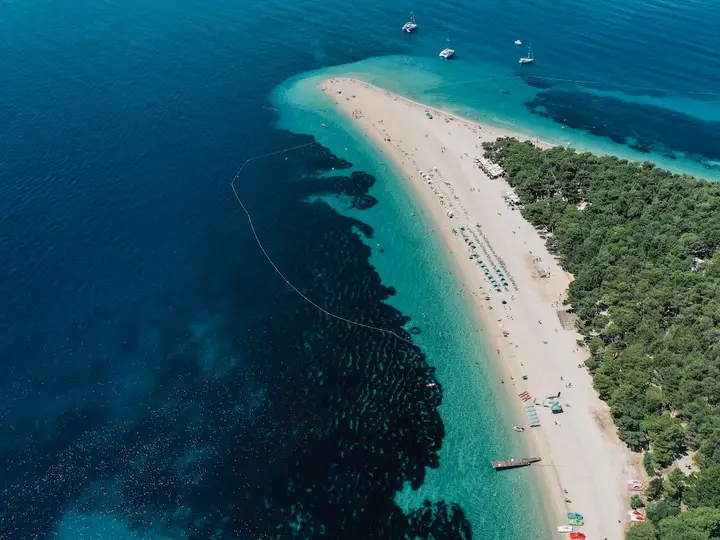
Brač is the largest island in Dalmatia (about 396 km²) and its summit, Vidova gora (780 m), is the highest point of the Adriatic islands. Its limestone was used for Diocletian’s Palace in Split. In the south, about 2 km west of Bol, lies Zlatni Rat, the “Golden Horn”: a spit of white pebbles with a pine grove, jutting into the Hvar Channel, whose tip changes shape with wind and currents (the south-easterly jugo can push it west). It is protected as a geomorphological phenomenon and, thanks to the afternoon maestral, is a known windsurfing spot.
Is Trogir worth visiting?
Yes, it is one of the easiest escapes from Split: Trogir is about 27 km to the west and its historic centre, a World Heritage Site since 1997, sits on an islet joined to the mainland and to the island of Čiovo by bridges. It is known for its Romanesque-Gothic and Venetian architecture: the 13th-century Cathedral of St Lawrence, with the portal by master Radovan, and the 15th-century Kamerlengo fortress stand out.
How does the wind affect boat trips in Dalmatia?
A lot. In summer the maestral, a steady westerly, usually blows in the afternoon and favours windsurfers; the south-easterly jugo and the cold northerly bura change the sea quickly, and southerly winds can close the entrance to the Blue Cave. That is why operators decide the route on the day and may cancel or change it if the weather requires. Check the official marine forecast and always ask about the cancellation policy of the trip you choose.
