
Boat trips and experiences in Samos
5 experiencesPort guide →All of Greece →
No experiences match these filters. Try another port or type.
From the blog
Guides and news
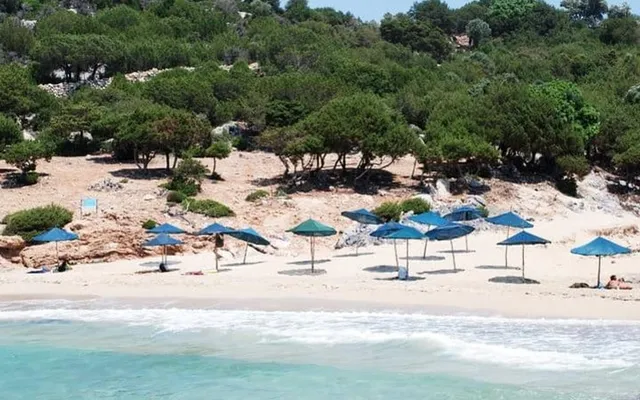
 Destinations · 27 October 2026 · 7 minKefalonia by boat: cruises, beaches and islands
 Destinations · 11 November 2026 · 11 minEgypt’s Red Sea by Boat: 5 Places You Shouldn’t Miss
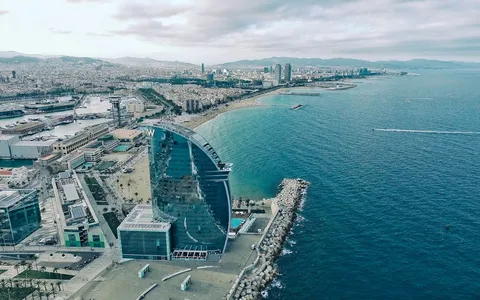 Destinations · 27 October 2026 · 5 minBarcelona from the sea: sailing from Port Olímpic
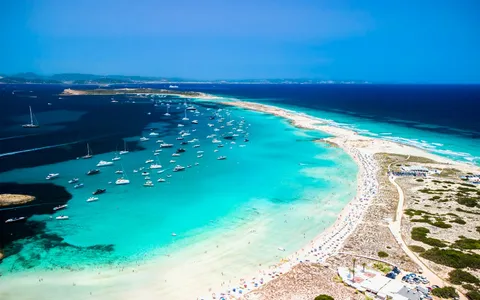 Destinations · 27 October 2026 · 5 minIbiza and Formentera by boat: anchoring and posidonia
More places to sail
Every destination has its own guide and its own trips.
 Tenerife26 experiences
 Ibiza11 experiences
 Santiago de Compostela4 experiences
 Valencia3 experiences
 Amsterdam4 experiences
 Santorini19 experiences
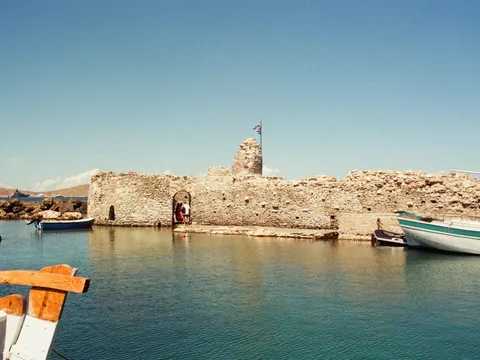 Paros9 experiences
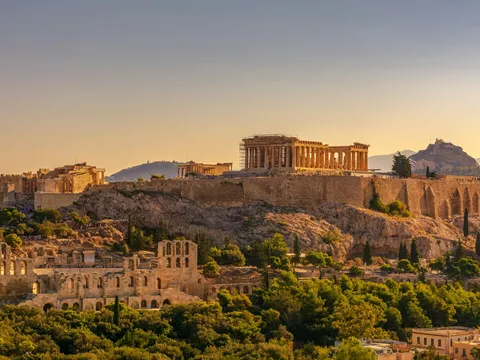 Athens8 experiences
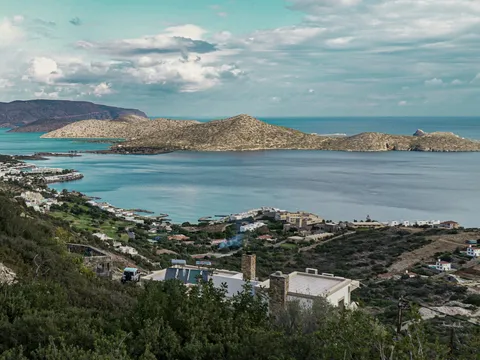 Crete8 experiences
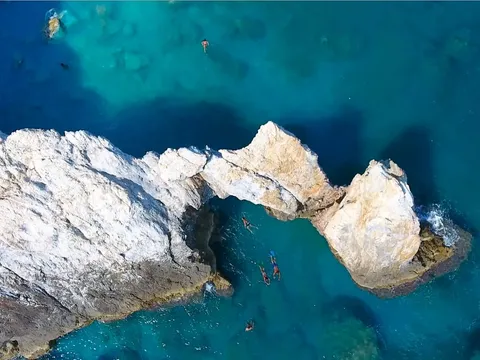 Skiathos6 experiences
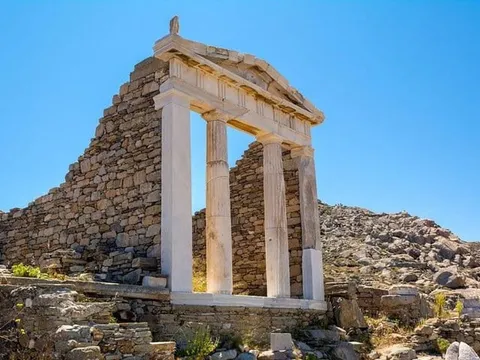 Naxos5 experiences
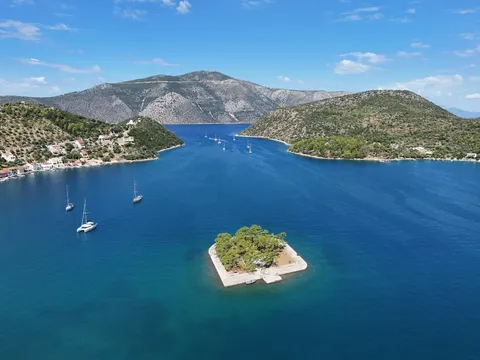 Ithaca4 experiences
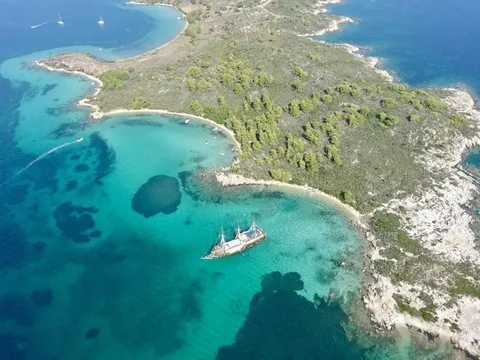 Halkidiki4 experiences
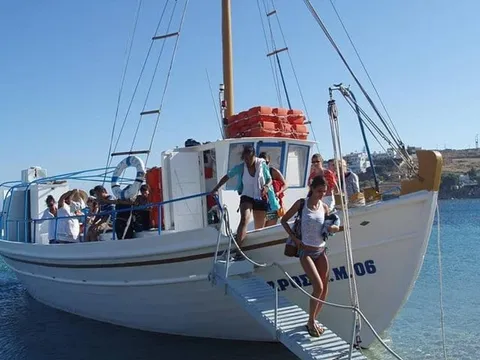 Mykonos4 experiences
 Lefkada4 experiences
 Rhodes4 experiences
 Zakynthos3 experiences
 Lesbos3 experiences
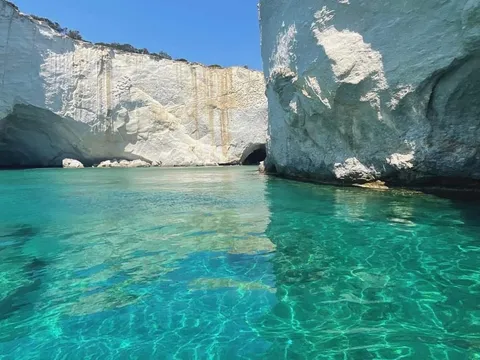 Milos2 experiences
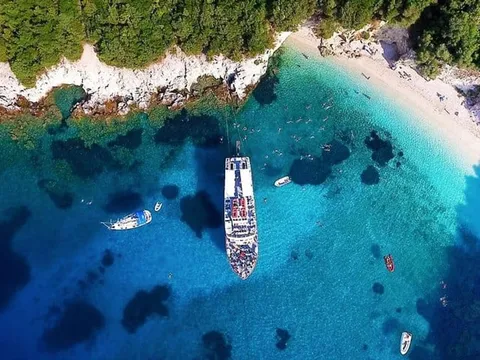 Corfu2 experiences
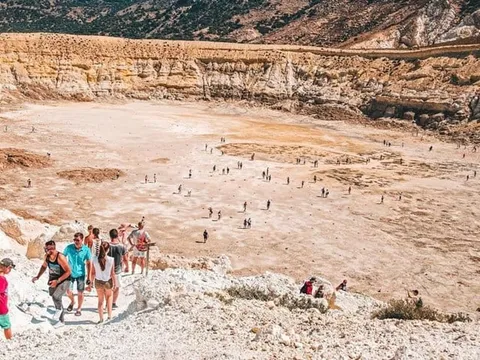 Kos2 experiences
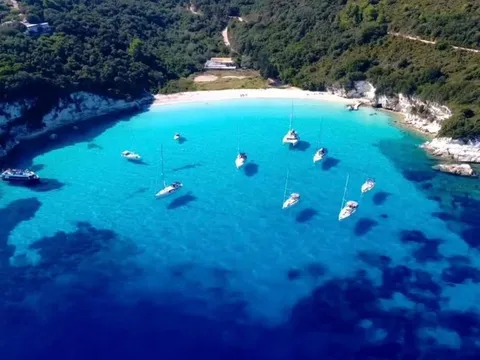 Parga1 experience
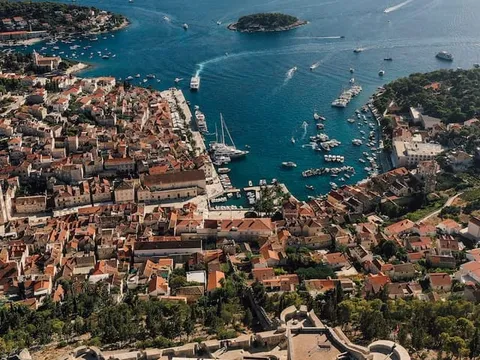 Split5 experiences
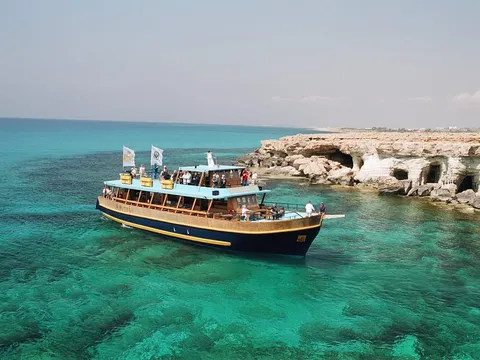 Cyprus3 experiences
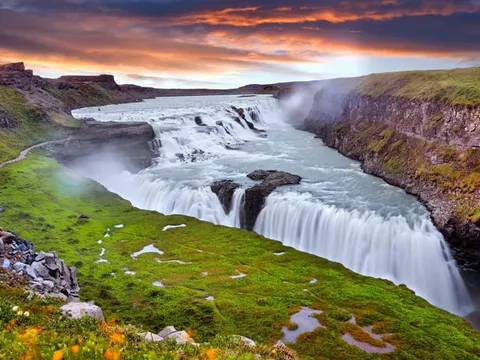 Reykjavík12 experiences
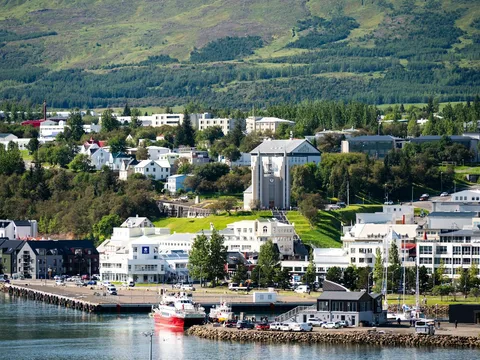 Akureyri2 experiences
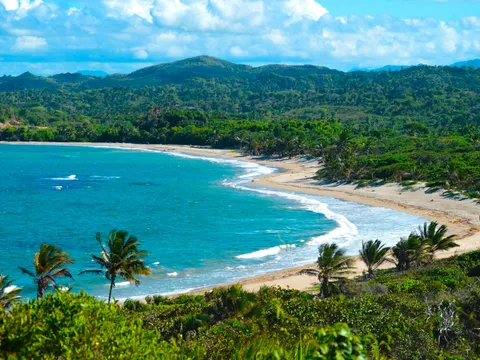 Puerto Plata13 experiences
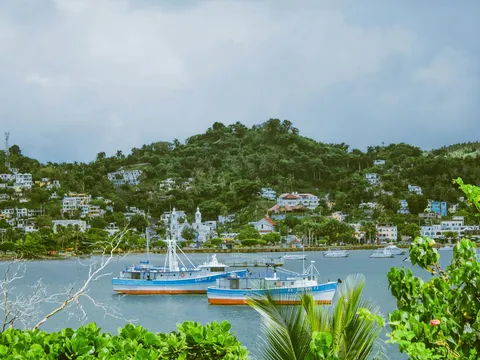 Samaná12 experiences
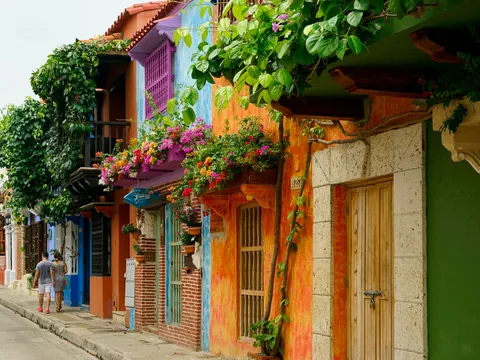 Cartagena9 experiences
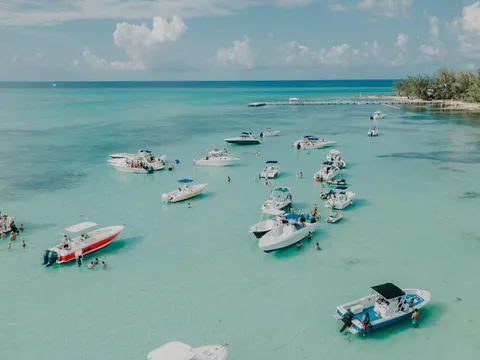 Grand Cayman7 experiences
 Montego Bay6 experiences
 Belize4 experiences
 Barbados4 experiences
 Ocho Rios4 experiences
 Negril3 experiences
 St Maarten1 experience
 Cabo San Lucas40 experiences
 Cancun20 experiences
 Cozumel10 experiences
 Bacalar6 experiences
 La Paz5 experiences
 Puerto Vallarta3 experiences
 Tulum2 experiences
 Loreto1 experience
 Puerto Morelos1 experience
 Mahahual1 experience
 Costa Rica10 experiences
 Bocas del Toro2 experiences
 Panama2 experiences
 Zanzibar38 experiences
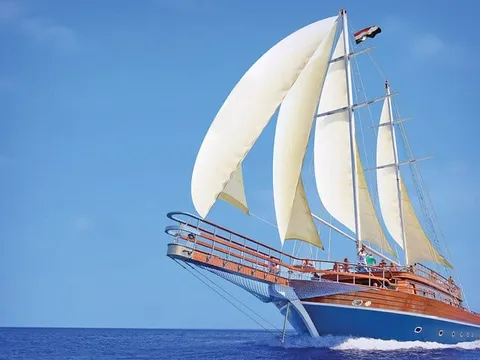 Hurghada6 experiences
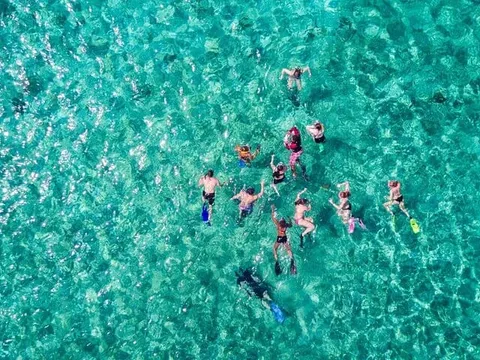 Sharm el-Sheikh5 experiences
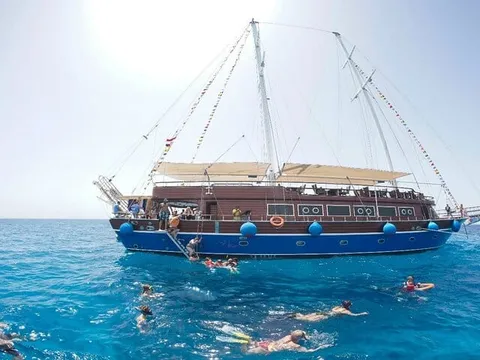 Marsa Alam2 experiences
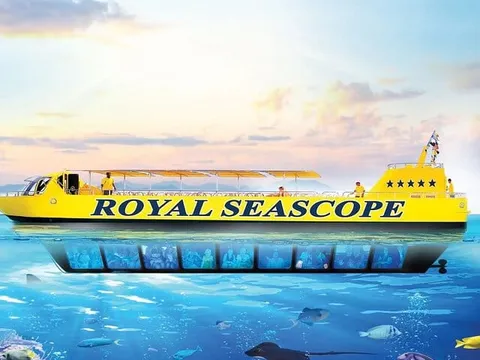 Dahab1 experience
 Phuket19 experiences
 Dubai1 experience
- All port guides →
Frequently asked questions about Samos
What is Samos known for?
According to Visit Greece, Samos lies in the Eastern Aegean, near the coast of Asia Minor, and is the mythical birthplace of the goddess Hera. The same site lists the Pythagoreion and the Heraion among its UNESCO World Heritage sites, mentions its sweet Muscat wine and says Pythagoras, Epicurus and Aristarchus were born on the island.
When is the best time to visit Samos?
The Hellenic National Meteorological Service (HNMS) describes Greece’s climate as Mediterranean, with a cold, rainy season from mid-October to the end of March and a warm, rainless season from April to October. It says the hottest period is the last ten days of July and the first of August, with mean maximum temperatures of 29 to 35 °C across the country, and that sea breezes and the seasonal northerly winds of the Aegean moderate the heat.
We found no official climate figures for Samos itself. Most of our trips are on sale from May to October 2027: check the calendar of each one.
How do I get to Samos?
Visit Greece names the airport “Aristarchos of Samos” and gives about 50 minutes for the flight from Athens and about 1 hour 25 minutes from Thessaloniki. Samos can also be reached by sea: ferry companies and timetables change with the season, so check them with the company or the local port authority before you book.
The UK government warns that strikes in Greece, sometimes called at short notice, can disrupt ferries and flights.
Which of our Samos trips should I choose?
Three are boat days and two are day tours that cross the sea and continue on land:
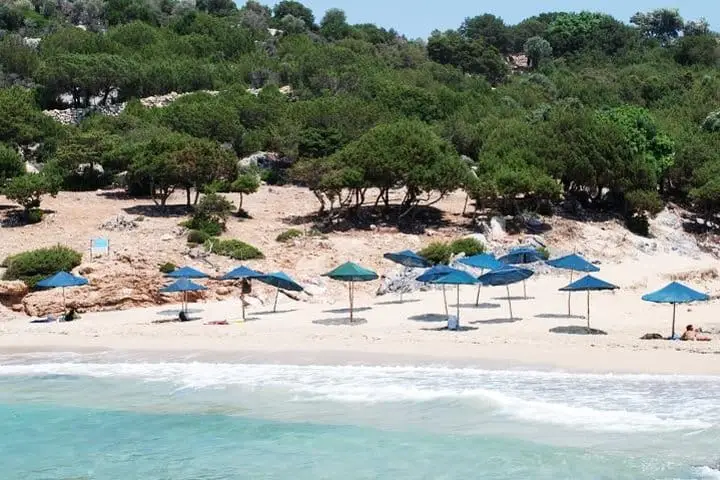
- Samiopoula island cruise: about 8 hours, from Votsalakia, with a barbecue-style lunch and time for swimming.
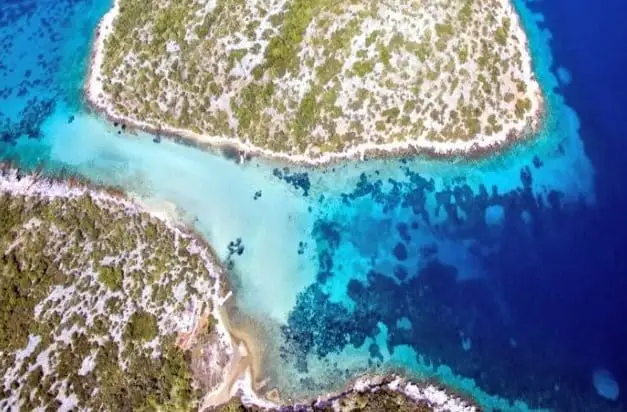
- Kassonisi day cruise: about 6 hours, from Pythagoreio port, with a swim in the Kassonisi strait and a stop at Posidonio beach.
- West coast boat trip from Votsalakia: about 4 hours along the coast below Mount Kerkis, with swimming.
- Day tour to Patmos: about 10 hours, with a ferry crossing, a guide and a visit to the monastery.
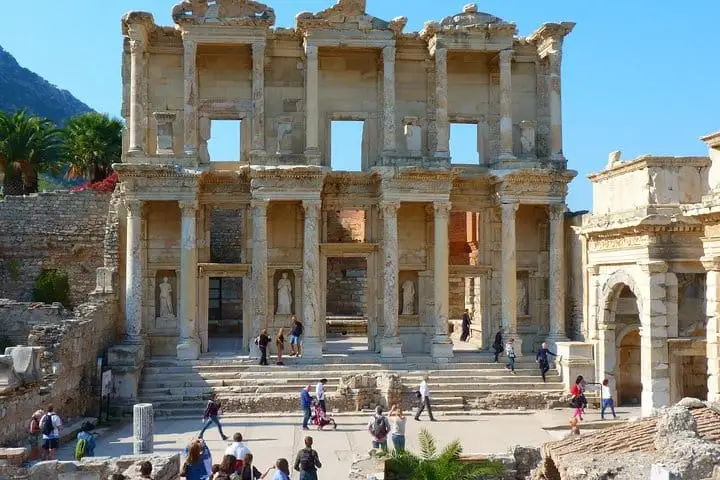
- Day tour to Kusadasi and Ephesus: about 10 hours, with a ferry crossing, a coach and a guide.
The last two are not sailing days.
What are the Pythagoreion and the Heraion?
UNESCO inscribed them together in 1992. The Pythagoreion is the ancient fortified city on the north-east coast, and the Heraion is the ancient Temple of Hera, about 6 km away. UNESCO highlights Eupalinos’s tunnel of the 6th century BC, which runs 1,036 m through the mountainside to bring water to the city.
They are not part of our trips, although one of our cruises starts at Pythagoreio port.
What is the Patmos day like, and what should I wear?
The trip page describes a day with a round-trip ferry, a local guide and a vehicle on the island, with visits to the Cave of the Apocalypse, the Monastery of Saint John and the village of Chora. UNESCO says the monastery was founded in 1088 and that the cave lies midway along the road from Skala to Chora.
To visit the monastery, the trip page says men must wear long trousers and women long skirts, dresses or trousers, and that knees and shoulders must be covered for everyone. Meals and drinks are not included.
Do I need a passport for the Ephesus tour?
Yes. The trip page asks for a passport or equivalent ID, says it must be valid for at least 150 days after the trip, that digital IDs are not accepted and that you should check whether you need a visa for Turkey. A port tax is paid on arrival in Kusadasi.
The Turkish Ministry of Foreign Affairs says an e-visa is only valid for tourism or commerce, and that since 2015 the passport must expire at least 60 days after the permitted stay. Entry rules depend on your nationality, so check them with the Turkish authorities before you travel.
The UK government adds that the EU Entry Exit System applies to non-EU nationals entering the EU by sea, and that processing may add a few minutes per passenger.
What is Ephesus?
UNESCO inscribed Ephesus in 2015. It describes a settlement with a history going back to the seventh millennium BCE and the sanctuary of the Ephesian Artemis, and says the Roman Imperial period left grand monuments along the old processional way, among them the Library of Celsus. Little remains of the Temple of Artemis.
Our trip crosses by ferry to Kusadasi and continues by coach with a guide, and the page says lunch at Ephesus is optional.
Is there hotel pick-up?
It depends on the trip. According to the trip pages:
- The Samiopoula and west coast cruises do not include pick-up; the pages say guests may also board in Ormos.
- The Kassonisi cruise offers pick-up from hotels in the east of Samos near Pythagoreio, but not from inside the town.
- The Patmos tour offers pick-up from designated locations, again not inside Pythagoreio.
- The Kusadasi tour lists pick-up at several points on the island.
The operator confirms the exact meeting point before your date.
What happens if the sea is rough or the wind is strong?
HNMS says the seasonal northerly winds of the Aegean blow mainly in the warm season. The trip pages for Samos do not say what happens when weather stops a departure, so the operator confirms any change of itinerary or date. Check with the operator before you travel if the forecast looks windy.
Can children come, and are the trips accessible?
The trip pages give minimum ages of 2 for the Samiopoula cruise and the Kusadasi tour, and of 0 for the Kassonisi and west coast trips; on the Patmos tour infants must sit on laps. None of the five trips is wheelchair accessible, and the boat days are not suitable for non-swimmers or for guests with mobility problems.
The UK government reminds parents that people drown in the sea in Greece every year and advises close supervision of children in the water.
I get seasick. What can I do?
The NHS advises sitting in the middle of a boat, looking at a fixed point such as the horizon, getting fresh air, avoiding heavy meals and alcohol shortly before or during the trip, and not reading or using screens. A pharmacist can recommend tablets or patches. Check the forecast and talk to the operator if you are worried.
What should I know about money, plugs and emergencies?
According to Visit Greece, Greece uses the euro, the electricity is 230 V at 50 Hz and the plugs are type F. The emergency number is 112, and the page also lists 100 for the police, 199 for the fire service, 166 for ambulances and 1571 for the tourist police.
The UK government says a red flag on an organised beach means you must not enter the water.
