Boat trips and experiences in Mykonos
4 experiencesPort guide →All of Greece →
No experiences match these filters. Try another port or type.
From the blog
Guides and news
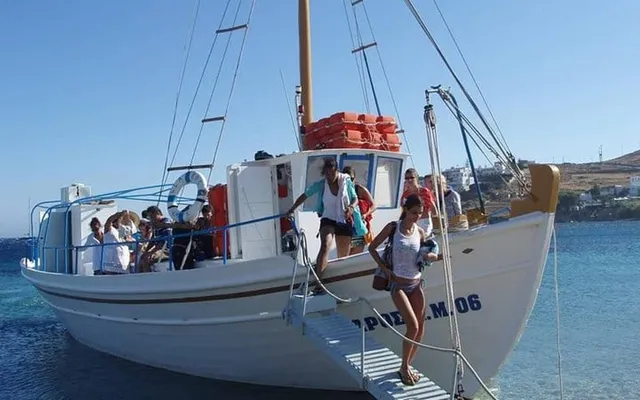
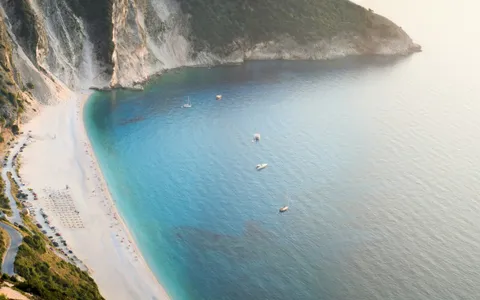 Destinations · 27 October 2026 · 7 minKefalonia by boat: cruises, beaches and islands
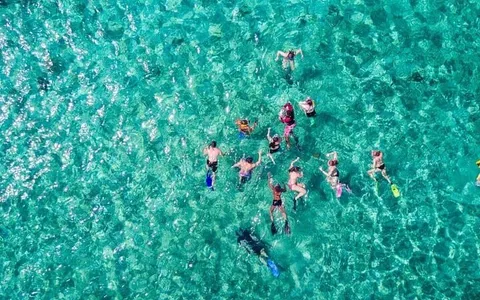 Destinations · 11 November 2026 · 11 minEgypt’s Red Sea by Boat: 5 Places You Shouldn’t Miss
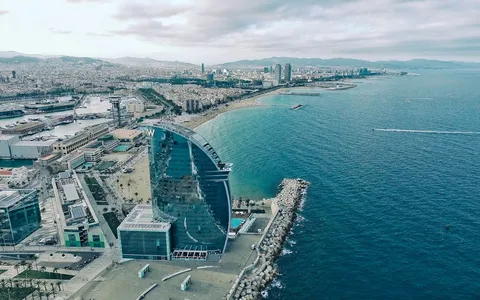 Destinations · 27 October 2026 · 5 minBarcelona from the sea: sailing from Port Olímpic
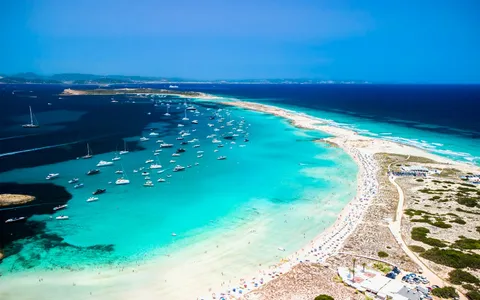 Destinations · 27 October 2026 · 5 minIbiza and Formentera by boat: anchoring and posidonia
More places to sail
Every destination has its own guide and its own trips.
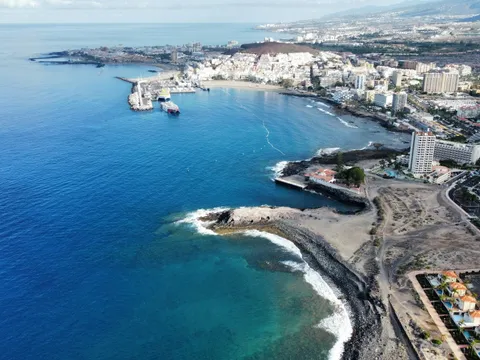 Tenerife26 experiences
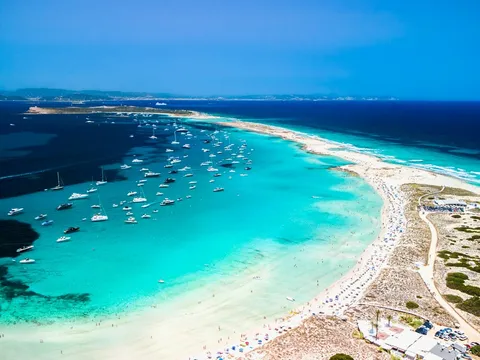 Ibiza11 experiences
 Santiago de Compostela4 experiences
 Valencia3 experiences
 Amsterdam4 experiences
 Santorini19 experiences
 Paros9 experiences
 Athens8 experiences
 Crete8 experiences
 Skiathos6 experiences
 Naxos5 experiences
 Samos5 experiences
 Ithaca4 experiences
 Halkidiki4 experiences
 Lefkada4 experiences
 Rhodes4 experiences
 Zakynthos3 experiences
 Lesbos3 experiences
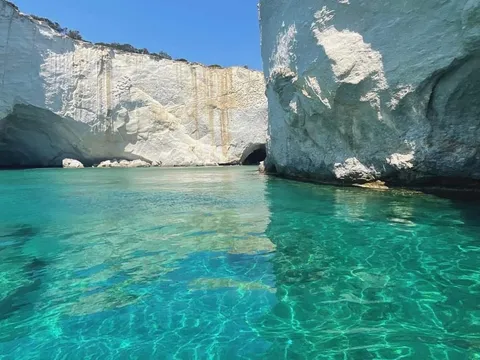 Milos2 experiences
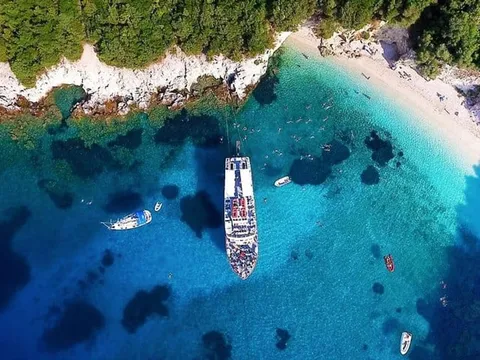 Corfu2 experiences
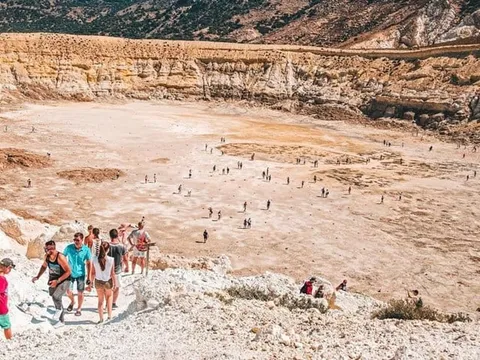 Kos2 experiences
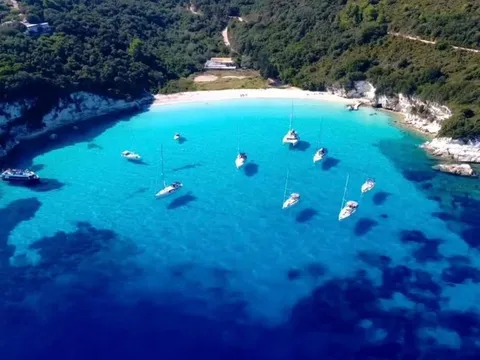 Parga1 experience
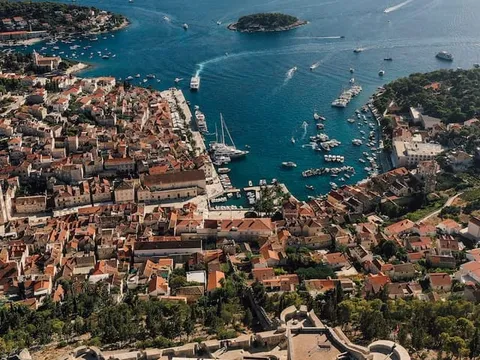 Split5 experiences
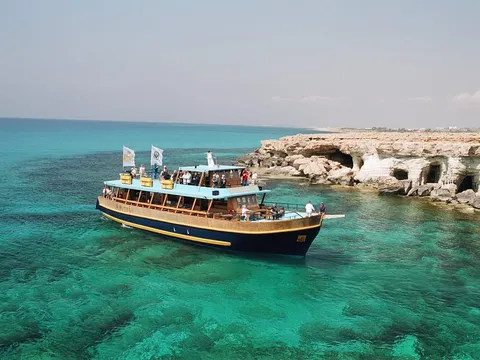 Cyprus3 experiences
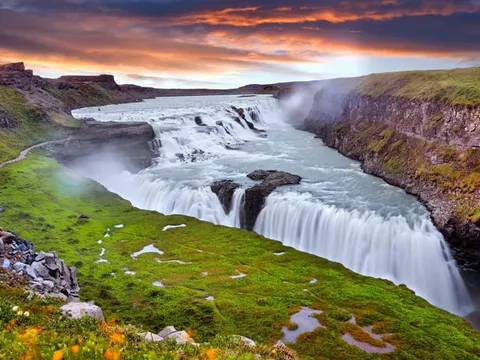 Reykjavík12 experiences
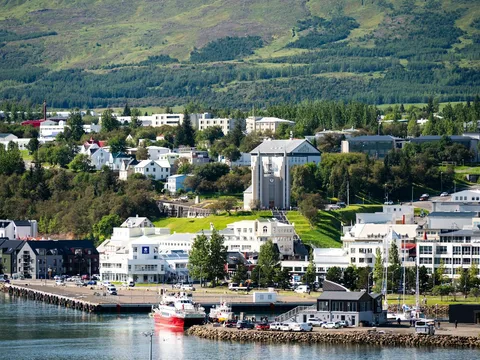 Akureyri2 experiences
 Puerto Plata13 experiences
 Samaná12 experiences
 Cartagena9 experiences
 Grand Cayman7 experiences
 Montego Bay6 experiences
 Belize4 experiences
 Barbados4 experiences
 Ocho Rios4 experiences
 Negril3 experiences
 St Maarten1 experience
 Cabo San Lucas40 experiences
 Cancun20 experiences
 Cozumel10 experiences
 Bacalar6 experiences
 La Paz5 experiences
 Puerto Vallarta3 experiences
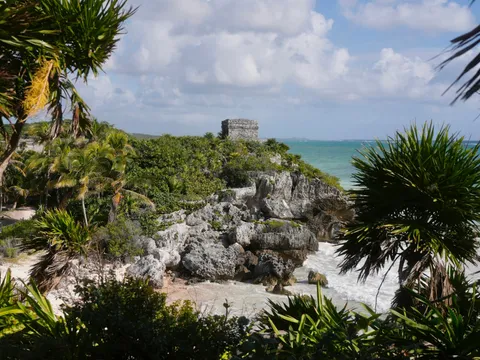 Tulum2 experiences
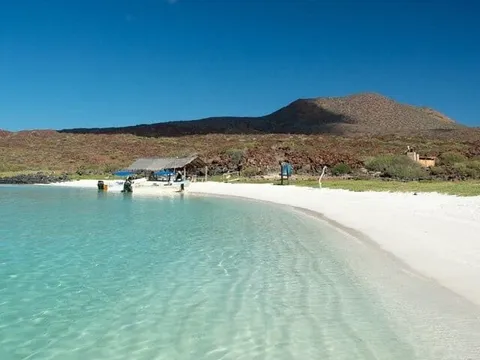 Loreto1 experience
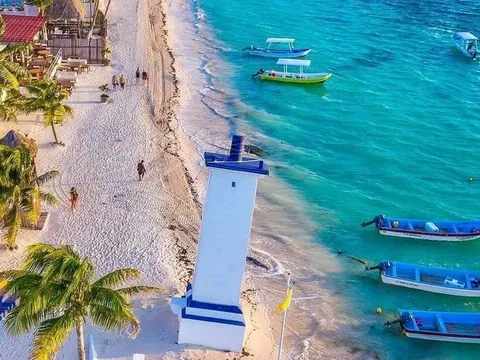 Puerto Morelos1 experience
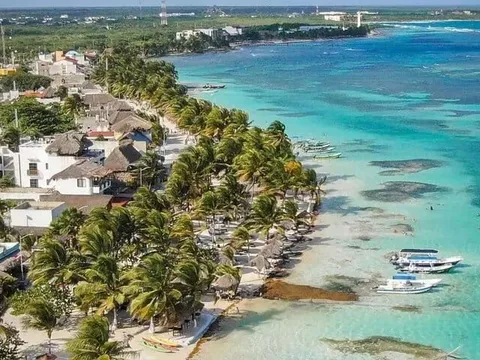 Mahahual1 experience
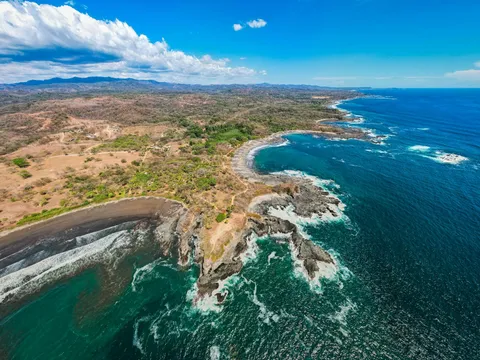 Costa Rica10 experiences
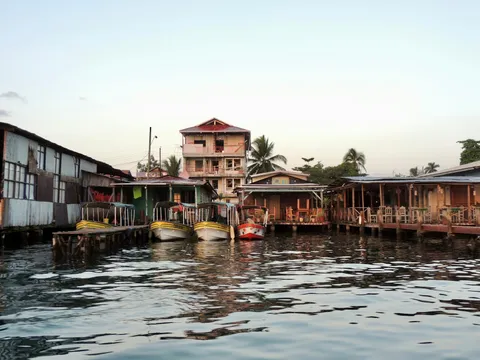 Bocas del Toro2 experiences
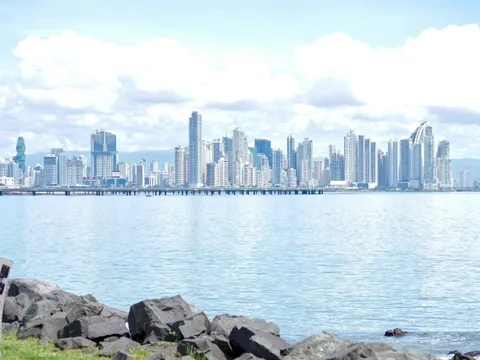 Panama2 experiences
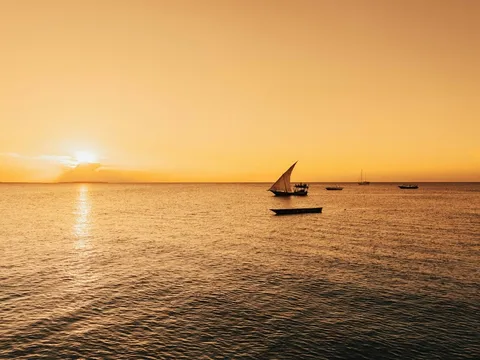 Zanzibar38 experiences
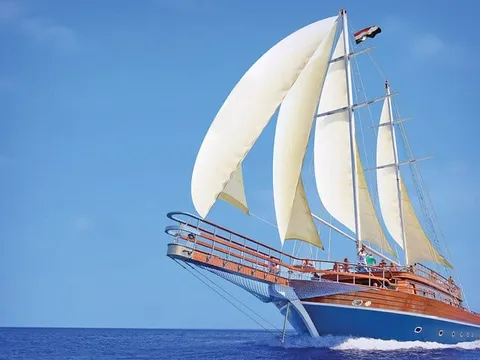 Hurghada6 experiences
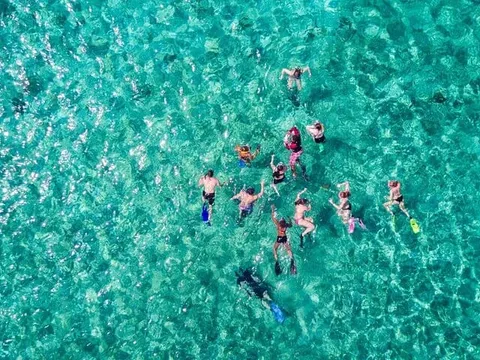 Sharm el-Sheikh5 experiences
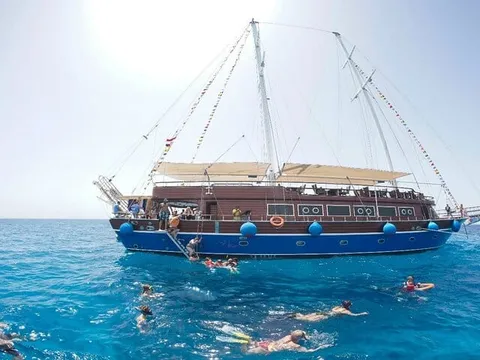 Marsa Alam2 experiences
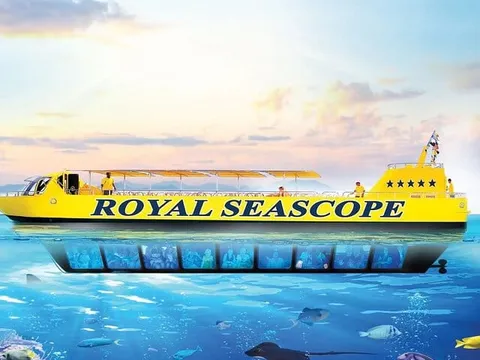 Dahab1 experience
 Phuket19 experiences
 Dubai1 experience
- All port guides →
Frequently asked questions about Mykonos
What is Mykonos known for?
Visit Greece calls Mykonos the island of the winds and associates it with cosmopolitan life and luxury holidays. It highlights:
- Chora, which it calls one of the most beautiful in the Cyclades, with narrow paved streets and whitewashed houses with blue windows and wooden balconies.
- The windmills, the island’s trademark, near Little Venice; the island once had over 20, and seven survive.
- Little Venice, with houses built against the sea.
- Beaches, described as among the most beautiful in the Aegean.
When is the best time to take a boat trip from Mykonos?
Visit Greece describes the climate of Greece as Mediterranean, with plenty of sunshine, mild temperatures and limited rainfall, and says that in summer the dry, hot days are cooled by seasonal winds. We have not found official temperature figures for Mykonos to quote.
What we can say: our four trips from Mykonos are scheduled between May and October 2027, so the calendar of each trip shows the days on sale. The UK government warns of a high wildfire risk in Greece from April to October.
Is Mykonos really windy, and can the wind change my trip?
Visit Greece’s nickname for the island is the island of the winds, and it says the dry, hot summer days are cooled by the meltemi. On the south-coast cruises the wind decides the route: the trip pages say that if the south wind is strong the boat goes towards the north coast, and that Dragonissi is visited only if the weather permits.
The trip pages do not describe a bad-weather policy, so if the sea is rough the operator confirms what happens to your trip.
How do I get to Mykonos and around the island?
Visit Greece gives about 45 minutes by air from Athens International Airport and about 1 hour 10 minutes from Thessaloniki to Mykonos airport. Greek Airports lists it as run by Fraport Greece, with local buses between the airport and the Fabrika terminal in Chora and taxis to Chora and beaches such as Psarou and Super Paradise.
By sea, Visit Greece says the Aegean lines primarily depart from Piraeus and Rafina. The UK government warns that strikes, sometimes called at short notice, can disrupt ferries. If you hire a scooter, it says you need a valid licence of the right category and a helmet.
Where do our Mykonos trips start?
It depends on the trip, and none includes a hotel pick-up:
- The south coast cruise and the full-day south coast cruise with lunch start at the Ornos beach bus stop.
- The Delos trip starts at the Old Port of Mykonos town, at the ticket counter where you show your voucher; be at the port 30 minutes before departure.
- The Tinos trip starts at the new port of Tourlos, at the canteen with the blue signboard, where an assistant with a ‘Tinos tour’ sign waits.
The operator confirms the exact meeting point.
What are the south-coast cruises like?
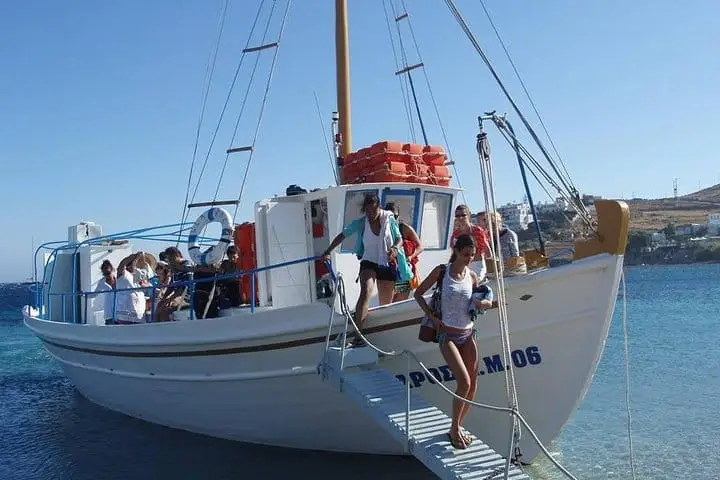
Both last 8 hours and sail in a traditional Greek boat along the south coast, with a swim stop and a lunch stop in Kalafatis. The first one includes a 4.5-hour cruise, a picnic on the beach at Frangias with wine, ouzo and snacks, and lunch at a tavern in Kalafatis. The full-day cruise includes lunch, a quarter of a litre of wine and time to swim and snorkel at Frangias; vegetarian options are available if you ask when booking.
The trip pages say that the boat goes close to the uninhabited island of Dragonissi only if the weather permits.
Which beaches does Visit Greece highlight on Mykonos?
Visit Greece names:
- Ornos and Platis Gialos, the island’s vibrant hubs.
- Psarou, which draws an international crowd.
- Paradise and Super Paradise, whose beach bars have defined the Mykonos legend since the 1970s.
- Kalafatis, on the eastern coast, where the wind meets the windsurfers.
- Agios Sostis, on the northern side, of quiet and virtually untouched beauty.
- Elia, on the east, wide and with a section for naturists.
The page does not say which are sheltered from the wind.
What is Delos and when can I visit?
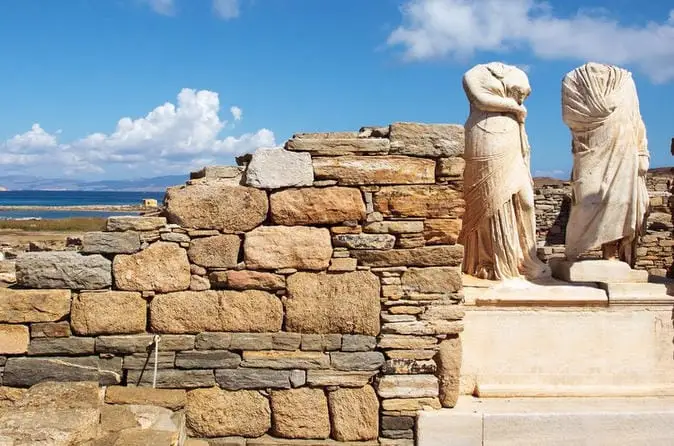
Visit Greece says that, according to myth, Apollo and Artemis were born on Delos, which was a religious and economic centre. It is a UNESCO World Heritage site, and the Ministry of Culture’s Hellenic Heritage site describes the sanctuary of Apollo, the lions, the House of Dionysus with its tiger mosaic and a theatre that could seat about 5,500 spectators.
The Ministry’s Cyclades Ephorate says the site is closed from 1 December to 31 March, with visits only on written request, and the Hellenic Heritage site lists closure days such as 1 January, 25 March, 1 May and Easter Sunday. Opening hours change by month, so check the official pages for your date.
What does the Delos trip include?
The Delos half-day trip lasts 4 hours and includes the round-trip boat, the entrance fee to the archaeological site, a local guide on the island and a wireless guide system. It meets at the Old Port. The trip page lists guided tours in English, Spanish and French, and an afternoon tour in English; the minimum age is 4.
The trip page says it is not wheelchair accessible and expectant mothers cannot take part; bring a hat, sunglasses and sunscreen. Gratuities and hotel transfers to the port are not included.
What is the Tinos trip, and what should I wear?
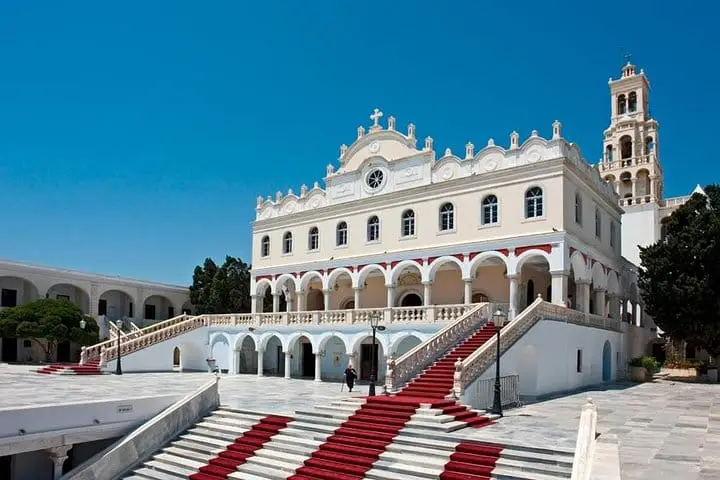
Visit Greece describes Tinos as the fourth largest island of the Cyclades, with a church that dominates the Hora, a major Orthodox pilgrimage destination, more than 600 dovecotes and about 40 traditional villages. The Tinos trip lasts 10 hours: round-trip ferry tickets, an air-conditioned vehicle and a local English-speaking guide on the island are included.
The trip page lists the Panagia Evangelistria church, the monastery of Kechrovouni, Pyrgos and Volax, then free time in Tinos town. It sets strict clothing rules for the church and monastery: sleeveless shirts and shorts are not permitted, men must wear long trousers, and women must wear skirts or trousers that go below the knee.
What if I get seasick, and what should I bring?
According to the NHS, sit in the middle of a boat, look straight ahead at a fixed point such as the horizon, get fresh air, and avoid heavy meals and alcohol shortly before or during travel. A pharmacist can recommend tablets or patches.
The trip pages ask for swimwear, a hat, sunscreen and beach towels on the south-coast cruises, and for sunglasses, a hat and sunscreen on Delos.
Are the trips suitable for children and people with reduced mobility?
It depends on the trip, and the trip pages set the rules. For example, the pages list no minimum age for the two south-coast cruises and the Tinos trip, and a minimum age of 4 for the Delos trip. Children must be accompanied by an adult on the Tinos trip.
All four trip pages say that the trip is not wheelchair accessible. If you need specific help, ask the operator before you book.
What should I know about money, plugs and emergencies in Greece?
According to Visit Greece, Greece uses the euro, the electricity is 230 V and 50 Hz and the plugs are type F. Its emergency numbers are 112 (European emergency number), 100 (police), 199 (fire), 166 (ambulance) and 1571 (tourist police, 24/7).
The UK government adds that many organised beaches use a flag system and a red flag means you must not enter the water, and that you should always supervise children and keep small children within arm’s reach.
