
Boat trips and experiences in Tenerife
2 experiencesPort guide →All of Spain →

No experiences match these filters. Try another port or type.
From the blog
Guides and news
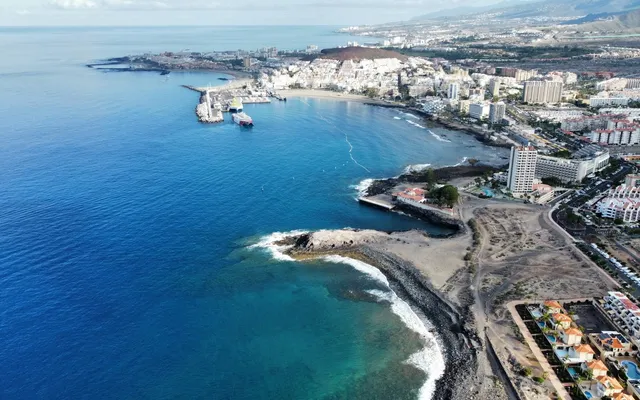
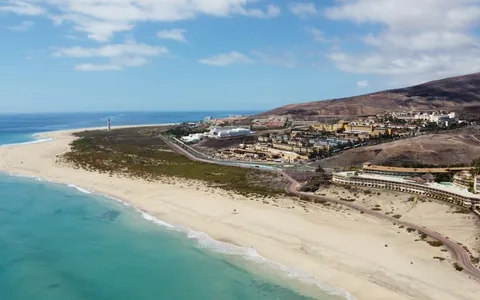 Destinations · 27 October 2026 · 6 minMorro Jable and Jandía: Fuerteventura from the sea
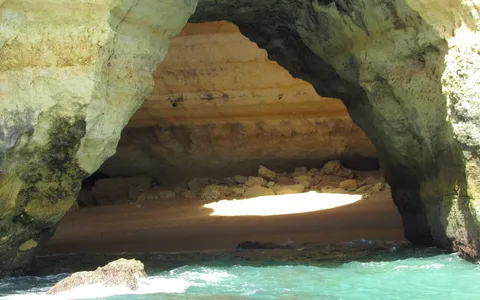 Destinations · 26 October 2026 · 8 minBenagil Cave 2026: Rules and How to Visit It Properly
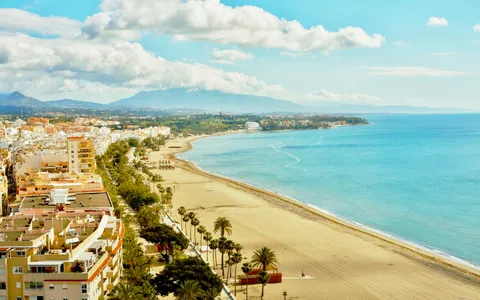 Destinations · 26 October 2026 · 5 minEstepona to Sotogrande by bus (M-240): times and fares
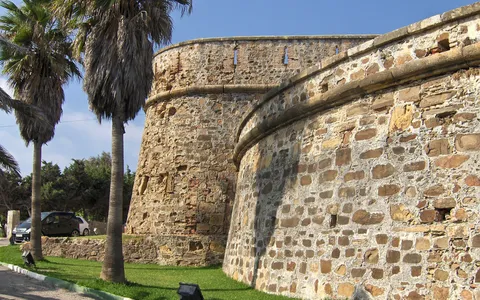 Destinations · 26 October 2026 · 4 minCastillo de la Duquesa and the Roman villa in Manilva
More places to sail
Every destination has its own guide and its own trips.
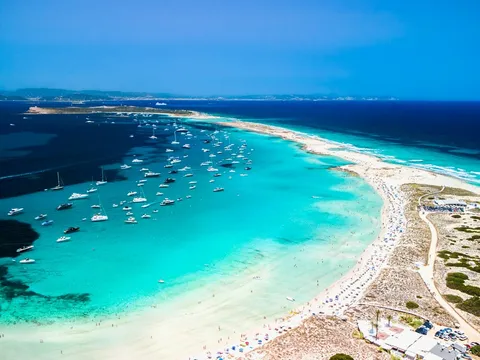 Ibiza4 experiences
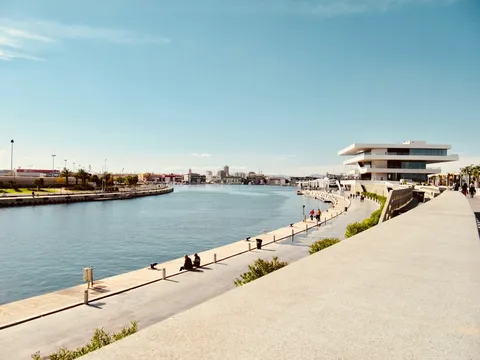 Valencia3 experiences
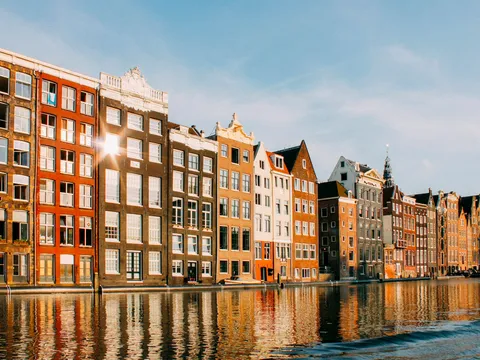 Amsterdam4 experiences
 Athens5 experiences
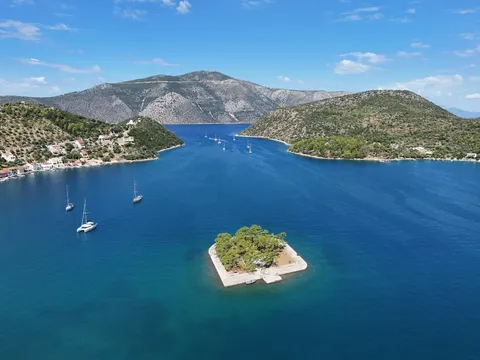 Ithaca4 experiences
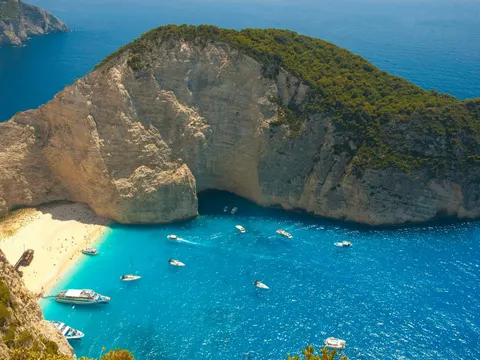 Zakynthos1 experience
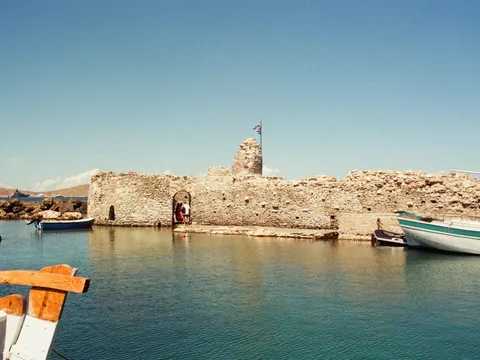 Paros1 experience
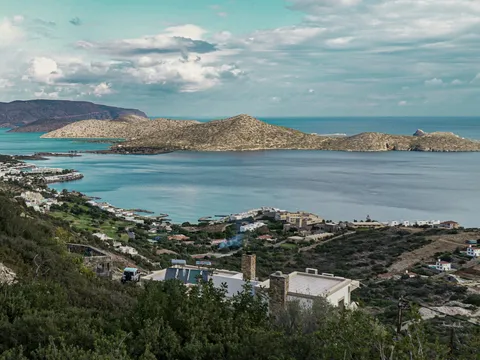 Crete1 experience
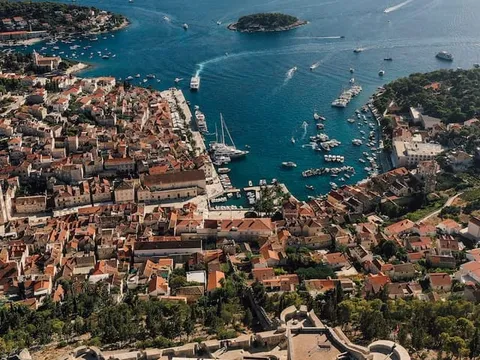 Split5 experiences
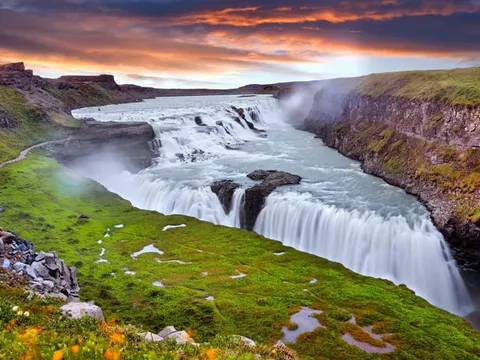 Reykjavík1 experience
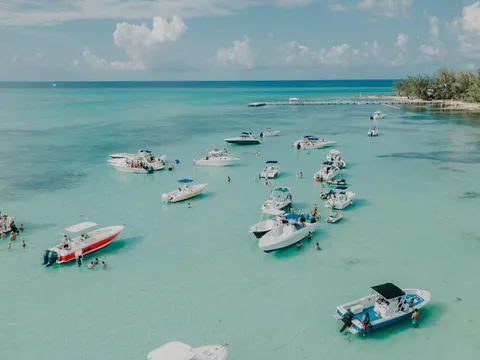 Grand Cayman7 experiences
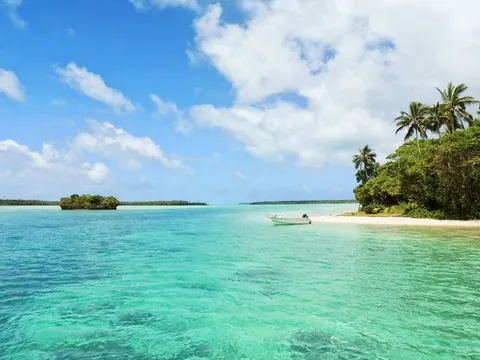 Montego Bay6 experiences
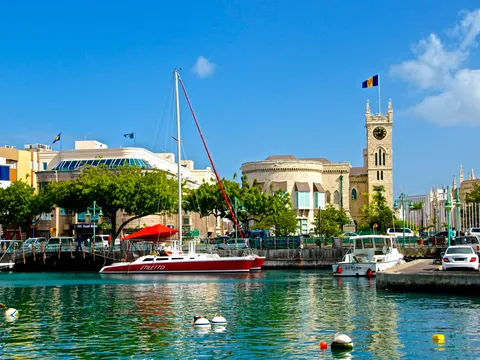 Barbados4 experiences
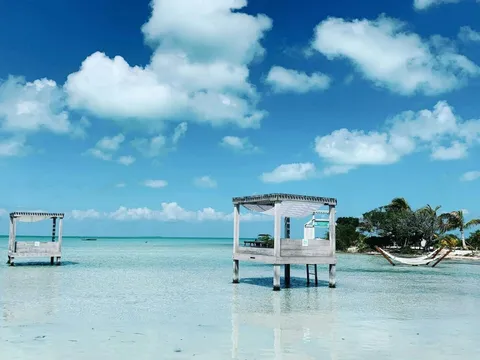 Belize3 experiences
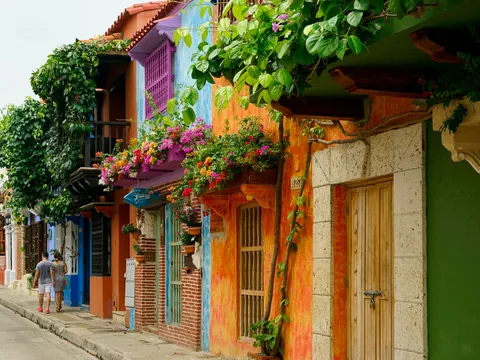 Cartagena3 experiences
 Puerto Plata2 experiences
 St Maarten1 experience
 Cabo San Lucas18 experiences
 Cancun13 experiences
 La Paz5 experiences
 Cozumel4 experiences
 Puerto Vallarta3 experiences
 Bacalar3 experiences
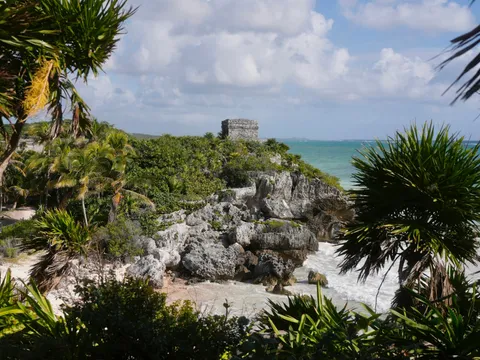 Tulum2 experiences
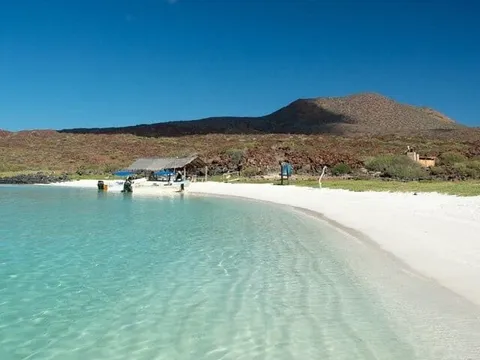 Loreto1 experience
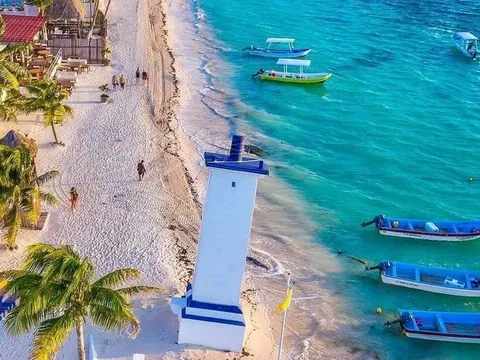 Puerto Morelos1 experience
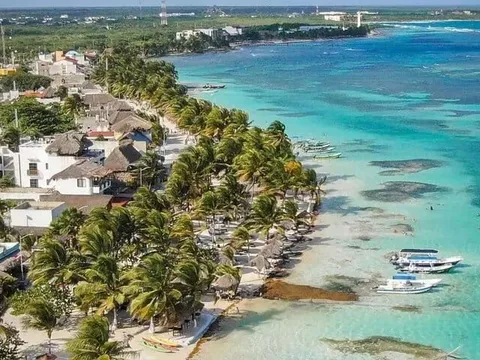 Mahahual1 experience
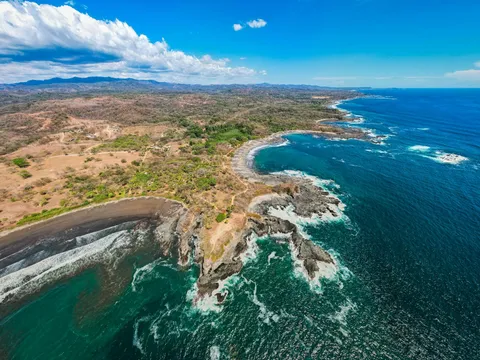 Costa Rica3 experiences
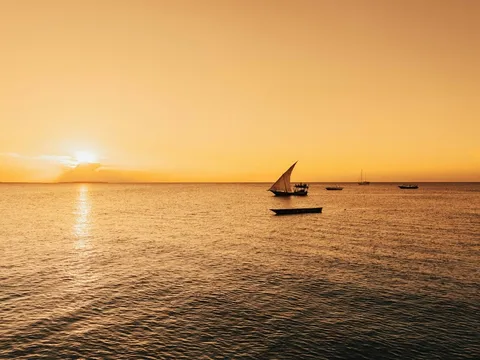 Zanzibar7 experiences
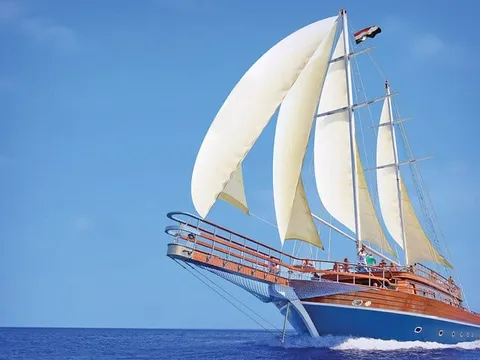 Hurghada6 experiences
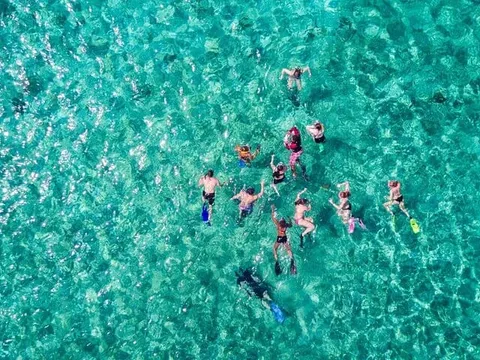 Sharm el-Sheikh5 experiences
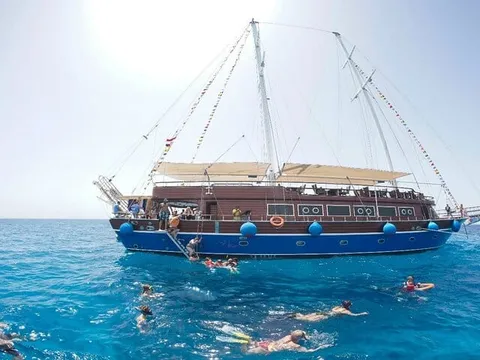 Marsa Alam3 experiences
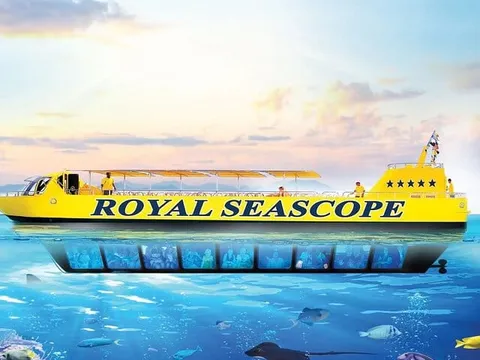 Dahab1 experience
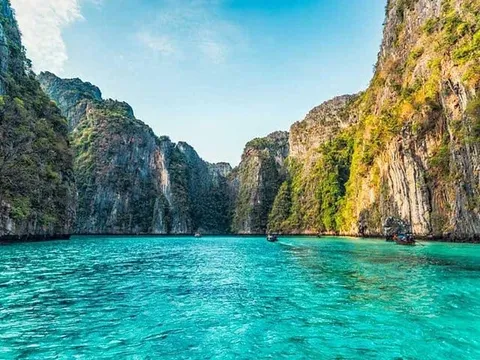 Phuket8 experiences
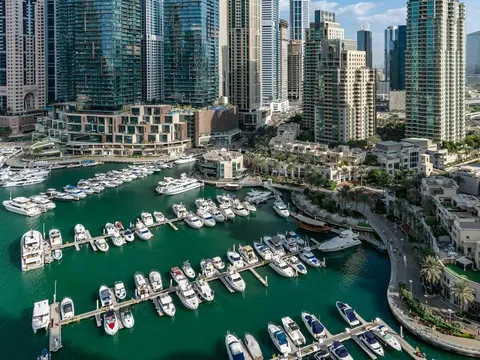 Dubai6 experiences
- All port guides →
Frequently asked questions about Tenerife
When is the best time to visit Tenerife, and what is the weather like in the south?
According to AEMET (the Spanish meteorological agency), a north-east to south-west ridge splits Tenerife into two slopes, north and south, and the trade wind (the dominant north-easterly) does not behave the same on every coast. Turismo de Tenerife gives the municipality of Adeje an average annual temperature of 24 ºC, about 300 days of sunshine a year and beaches where you can swim all year.
- Wind: AEMET explains that the trade wind speeds up on the south-east coast and slows in the lee, on the south-west coast. The strengthening of the Atlantic anticyclone, very common in summer, favours the trade winds.
- Calima: this is suspended dust that arrives from the Sahara with dry, hazy air from the south-east, east or even north-east. At the south airport the episodes that reduce visibility are most frequent in February and March; in July and August they occur mostly at altitude (between 600 and 1,500 m) and do not affect visibility.
- Sea: we found no official source on the months with the biggest swell on the south coast. Check the AEMET forecast a few days before you sail.
When are dolphins and pilot whales seen most often in Tenerife?
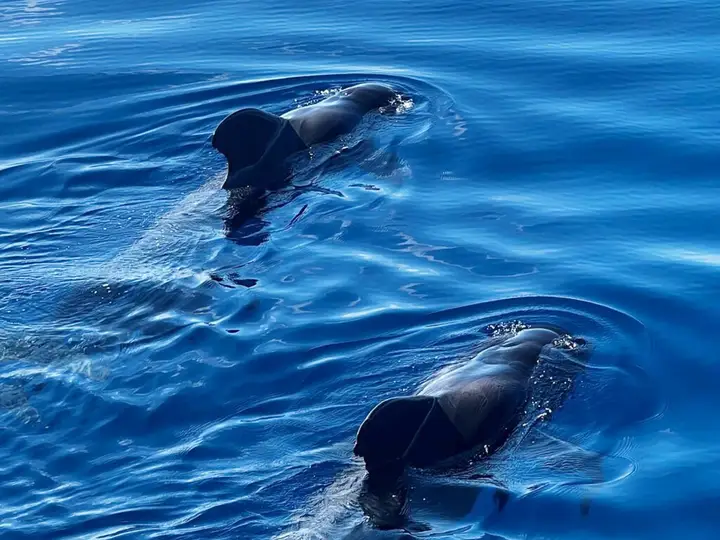
According to the Spanish Ministry for the Ecological Transition (MITECO), bottlenose dolphins and tropical (short-finned) pilot whales keep resident populations all year round in the Teno-Rasca marine strip, in the western sector of the island. So there is no particular season in which they start to appear. We found no official source saying which months bring the most sightings, so we give none.
That does not mean you will see them on every trip: they are wild animals and sightings are not guaranteed. The page of the 2-hour Viking cruise with dolphins and whales mentions wild dolphins and pilot whales; the page of the 3-hour Viking cruise with drinks and a swim stop mentions the channel between Tenerife and La Gomera, which the operator describes as an area of frequent sightings.
What is the channel between Tenerife and La Gomera, and how many cetacean species are cited?
The channel is the stretch of sea between Tenerife and La Gomera, which the 3-hour cruise heads into after leaving Los Cristianos. We found no official sheet for the channel itself, but there is one for the neighbouring Teno-Rasca marine strip, in the western sector of the island:
- Protected area: it has been a Special Area of Conservation since September 2011, covers 69,489.68 hectares and borders the coast of Buenavista del Norte, Santiago del Teide, Guía de Isora, Adeje and Arona (MITECO).
- Species: MITECO cites up to 22 different cetacean species. A 2022 report by RTVC speaks of 26 of the world’s 79 species; the figure depends on the source.
- Turtles: according to MITECO, loggerhead and green turtles are regularly found in its waters, while hawksbill and leatherback visit only sporadically. The page of the 3-hour cruise says you may spot a sea turtle during the swim, with no guarantee.
- Distinction: RTVC reports that the strip received the “Whale Heritage” distinction, the first marine area in Europe to do so.
What are the rules for watching cetaceans, and what is not allowed?
Two sets of rules apply: Royal Decree 1727/2007 (national) and Decree 178/2000 of the Canary Islands government, which regulates cetacean-watching activities. This is what we checked in their texts:
- Distance: the royal decree’s exclusion zone has a radius of not less than 60 metres, and no one may enter or stay in it except in an emergency. The Canary decree treats approaching within 60 metres as an offence.
- If an animal comes close: the boat puts the engine in neutral or disengaged at low revs, and does not start the propeller while the animals are within 60 m. With dolphins it may keep its course and speed.
- Speed: constant and no more than 4 knots on approach. The Canary decree penalises sailing faster than 4 knots, or faster than the slowest animal in the group, within 500 m.
- Time and number of boats (Canary decree): do not stay more than 30 minutes within 100 m of a cetacean or group, do not enter that radius if two boats are already there, nor the 500 m radius if three are.
- No contact: no touching, no feeding, nothing thrown into the sea, and no attracting or driving the animals away with noise. Swimming or diving with them is not allowed (the Canary decree forbids it within 500 m).
- Manoeuvres: no reversing and no circling the group, and no coming between an adult and its calf.
MITECO adds that whoever organises whale-watching needs an administrative authorisation; you can ask the operator. Fines under Law 42/2007 range from 100 to 2,000,000 euros. If you see an injured or dead animal, call 112.
With these rules in mind, it is no accident that the page of the 3-hour cruise with drinks and a swim stop places the swim stop after the encounter with the animals, with the boat anchored near cliffs and beaches.
How do I get from the airports to Los Cristianos, and how do I get around?
Tenerife Sur is the airport with a direct bus link to Los Cristianos. According to AENA, the TITSA bus stops are on floor 0 of the terminal, in the arrivals area. The lines serving the south airport, according to the AENA and TITSA pages:
- Line 40: Costa Adeje Station – Los Cristianos – airport.
- Line 711 (night service): Santa Cruz – south airport – Los Cristianos – Costa Adeje.
- Line 343 (express): TITSA presents it as Puerto de la Cruz – Los Cristianos via the North and South airports; between the two airports it runs without intermediate stops and takes about 50 minutes, according to AENA.
Timetables and fares change, so check them with TITSA. We found no official information on taxi fares, so we give no figures.
If you drive, the page of our trips warns that the port car park fills up, especially at weekends: arrive early. The meeting point is in the port of Los Cristianos, in the excursions area; the operator confirms the exact spot. You can choose the 2-hour cruise with dolphins and whales or the 3-hour one with drinks and a swim stop.
Can I combine the trip with a ferry to La Gomera?
According to its website, Fred. Olsen Express links Los Cristianos with San Sebastián de La Gomera in about 50 minutes, using the trimaran Benchijigua Express and the catamaran Bencomo Express. The route page advertises up to 5 daily departures, while other pages of the company say up to 4, and timetables vary by day and season: check the one for your day. You can travel with a vehicle if you state it when booking.
Our trips also leave from Los Cristianos, but the operator confirms the exact meeting point: do not assume it is the ferry terminal. Look at the departure times on the trip page before buying a ferry ticket: 2-hour cruise or 3-hour cruise.
What else is there to see in the south of Tenerife besides the cruise?
According to Turismo de Tenerife:
- Los Cristianos: a former fishing village turned resort, with beaches; it keeps its seaside character and has most of the local shopping and cultural life.
- Playa de las Américas: several beaches and water activities all year, with the Francisco Andrade Fumero promenade for walking, cycling or jogging.
- Costa Adeje: a tourist strip between Playa de Troya and Callao Salvaje, with a golf course, Siam Park and a marina from which whale and dolphin trips leave. Adeje has 14 beaches and the Barranco del Infierno (Hell’s Ravine), a Special Nature Reserve whose trail starts at about 350 m above sea level.
- Los Gigantes: cliffs in the Teno park that drop almost vertically into the sea; Turismo de Tenerife says a boat trip is one of the best ways to admire them.
Check opening times, access and conditions for each visit before you go. You will see the coast of Playa de las Américas and Adeje from the water on the 3-hour cruise.
Can I go up Mount Teide, and what permits do I need?
You can see it from the sea too: according to the trip page, the 3-hour cruise anchors with views of El Teide. To go up, check with the official sources, because the conditions change:
- Summit permit: Turismo de Tenerife explains that to walk from La Rambleta (the upper cable-car station) to the summit on the Telesforo Bravo trail you need a National Park permit, requested at the park office or online and valid for a specific date. It advises applying as early as possible, because daily places run out in summer. Access to the crater is not allowed.
- Cable car: the official operator has a “Teide today” section with the status of the service and the weather; check it on the day. Its page mentions an altitude of 3,555 m in its sunset experience.
We give no fees or deadlines for the permit: check them with the National Park and the cable-car operator.
What currency is used, what language is spoken, and what plugs are used?
Currency: the euro. Turismo de Tenerife notes that shops and restaurants generally do not accept other currencies, and that visitors from outside the euro area can exchange money with their passport at exchange offices in tourist areas. We found no rules in official sources on paying by card or on tipping, so we give none.
Taxes: in the Canary Islands the indirect tax on sales and services is IGIC, instead of VAT. The Canary Tax Agency defines it as a state indirect tax on supplies of goods and services in the islands; you will see “IGIC” on local receipts and invoices.
Language: Spanish is spoken, with a Canarian variant: for example, people say “ustedes” instead of “vosotros”. The crew on our trips speak Spanish and English.
Plugs: two round pins, as in continental Europe, at 220 V and 50 Hz.
How old do you have to be to drink alcohol in the Canary Islands?
Eighteen. Canary Law 9/1998 on the prevention, treatment and social integration in matters of drug dependency provides in its article 20 that establishments selling alcohol must display that the law forbids its purchase and consumption by under-18s, and refers the sale, supply and dispensing of alcohol to minors to Law 1/1997 on the Comprehensive Care of Minors (consolidated BOE text, for information only).
That is why, on the 3-hour cruise with drinks and a swim stop, alcoholic drinks (beer, wine and others) are for guests over 18 only. If you travel with minors, ask the operator which non-alcoholic drinks are on board, because the trip page does not detail them. The 2-hour cruise does not include drinks, according to its page.
Is it suitable for children and babies?
The trip pages distinguish three categories: adults (12–99), children (4–11) and infants (0–3). Other details from the pages:
- Child seats: there are no infant seats on board.
- 2-hour cruise: the page presents it as the short version of the experience, ideal for families, company outings or private charters; it does not include the Viking show, swim stop or drinks. It is the 2-hour cruise with dolphins and whales.
- 3-hour cruise: includes a swim stop and drinks (alcohol for guests over 18 only). Bring swimwear and a towel. It is the 3-hour cruise with drinks and a swim stop.
- Allergies: let the operator know before the trip. Pets are not allowed.
- On board: there are restrooms.
The exact categories and conditions are on each trip page.
How do I avoid seasickness and protect myself from the sun on board?
The trip pages ask you to bring sun cream; on the 3-hour cruise, also swimwear and a towel.
On seasickness, Salvamento Marítimo warns in its nautical safety guide that it should not be taken lightly: it fosters dehydration and hypothermia and can completely incapacitate the sufferer, and it recommends keeping effective anti-seasickness medicine at hand. That guide is written for skippers, so if you tend to feel sick, ask your doctor or pharmacist what suits you before you board.
If you take the 3-hour cruise with drinks and a swim stop, remember that part of the trip is spent with the boat at anchor. Restrooms on board are listed on both trip pages, including the 2-hour cruise.
What happens if it is windy or the sea is rough?
The page of the 3-hour cruise warns that every trip aims to offer the Viking enactment, games, swim stops and face painting, but that this is not always possible because sea conditions may not allow it. When conditions are against us, the most important thing is your safety.
- In its advice for activities at sea, the Canary Islands government reminds people to check the weather and wind before going out, because the sea can change suddenly on the coast.
- AEMET explains that the trade wind speeds up on some coasts of Tenerife and slows on others; look at the AEMET forecast a few days ahead and on the day itself.
- Ask the operator about anything concerning your day’s trip: they decide whether and how the boat sails.
The 2-hour cruise is already a simpler version, with no show, swim stop or drinks.
Is it accessible for visitors with reduced mobility?
The pages of the two trips do not say whether the boat or the boarding point is wheelchair accessible, and we found no official information on the accessibility of the excursions area of Los Cristianos harbour. So we cannot promise it: ask before you book, and the operator will confirm the exact meeting point and how to reach it.
What is stated: there are restrooms on board, and the pages advise arriving early because the port car park fills up, especially at weekends. See the 2-hour cruise with dolphins and whales and the 3-hour one with drinks and a swim stop for more details.
