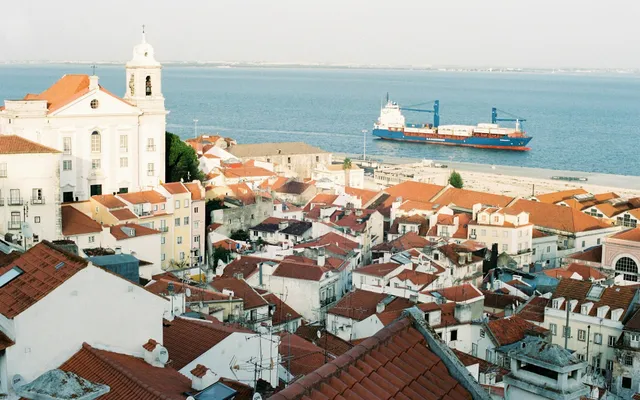
⏱ 3 h 30 min · 👥 up to 8
Private food and wine tour of Lisbon and Cacilhas with a Tagus crossing
from €106 / person

1 experiencePort guide →All of Portugal →
⏱ 3 h 30 min · 👥 up to 8
from €106 / person
No experiences match these filters. Try another port or type.
From the blog
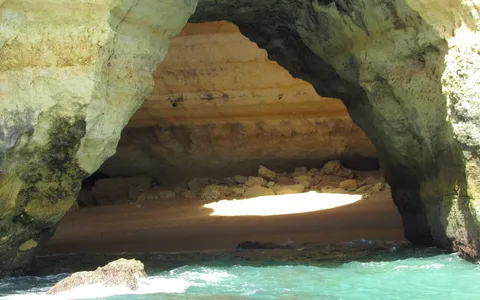 Destinations · 26 October 2026 · 8 minBenagil Cave 2026: Rules and How to Visit It Properly
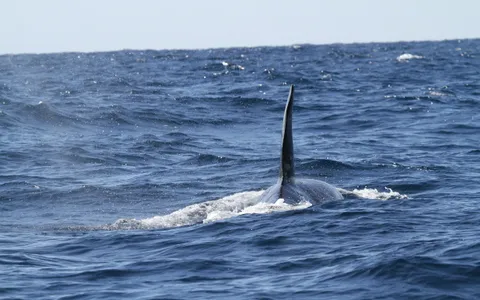 Sailing guides · 5 November 2026 · 16 minWhere are the Iberian orcas? Maps, seasons and tracking
 Destinations · 26 October 2026 · 5 minEstepona to Sotogrande by bus (M-240): times and fares
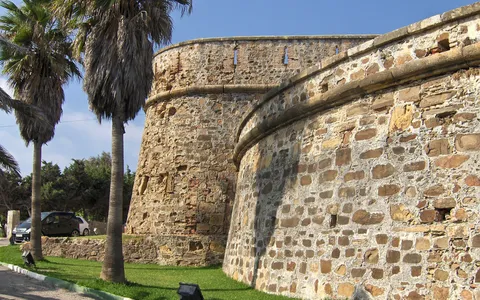 Destinations · 26 October 2026 · 4 minCastillo de la Duquesa and the Roman villa in Manilva
Every destination has its own guide and its own trips.
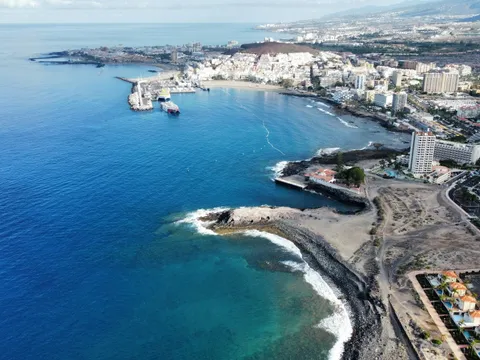 Tenerife26 experiences
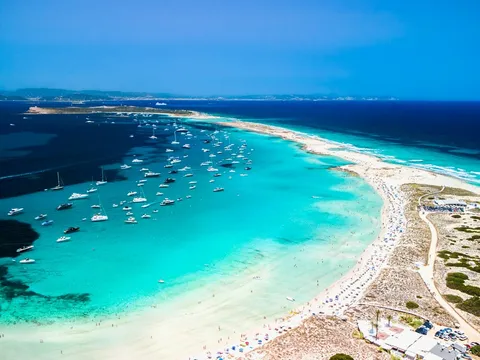 Ibiza11 experiences
 Santiago de Compostela4 experiences
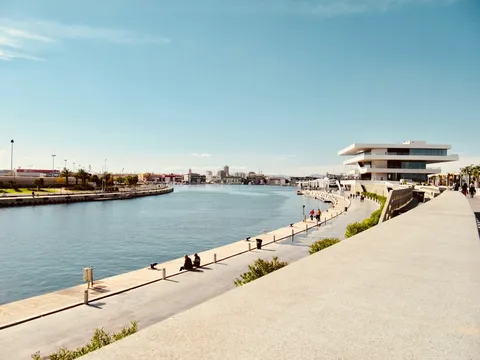 Valencia3 experiences
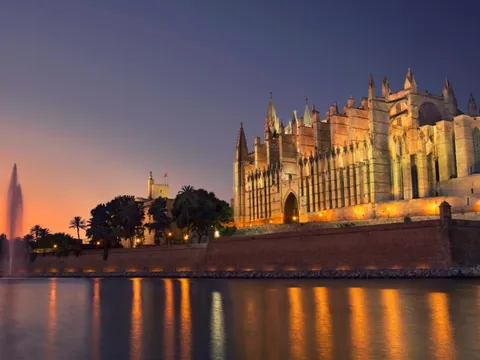 Mallorca3 experiences
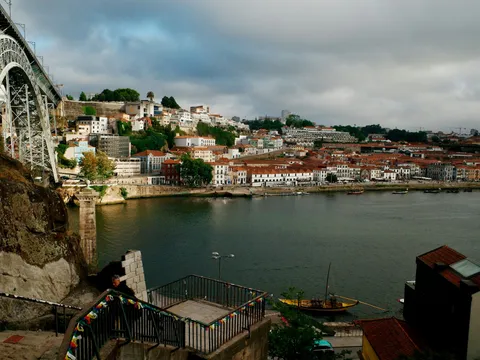 Porto1 experience
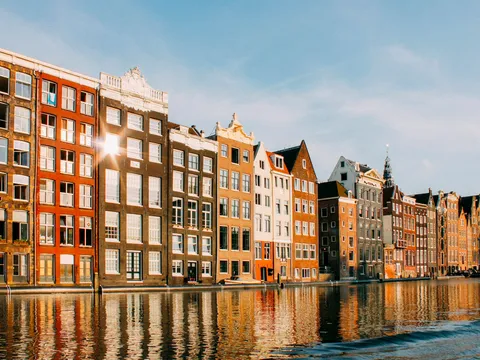 Amsterdam6 experiences
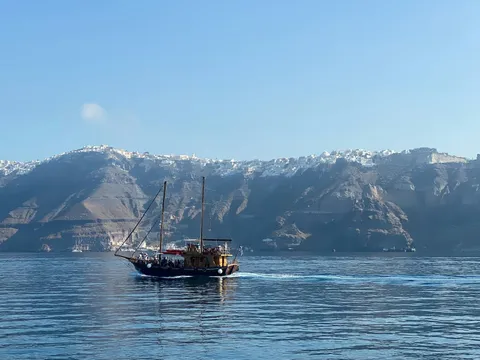 Santorini26 experiences
 Athens11 experiences
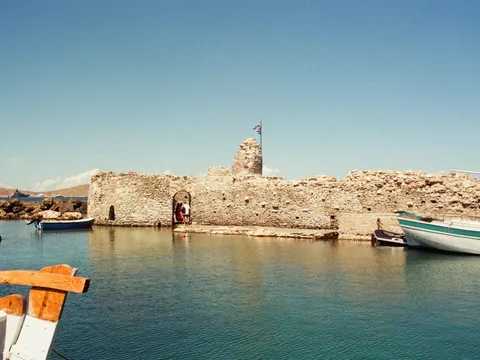 Paros10 experiences
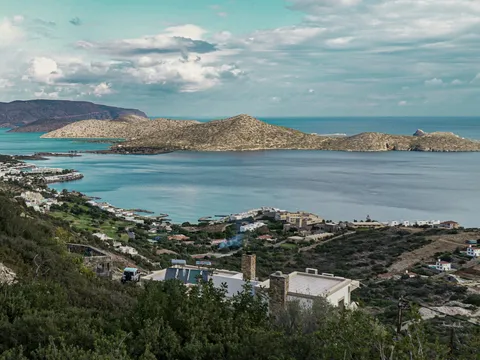 Crete10 experiences
 Naxos6 experiences
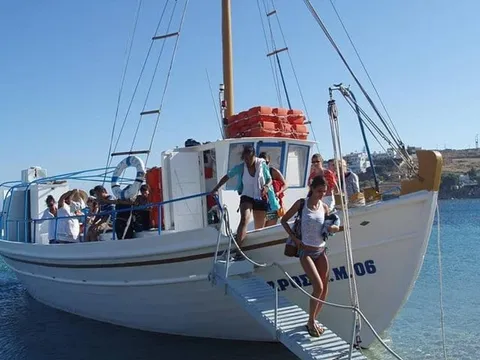 Mykonos5 experiences
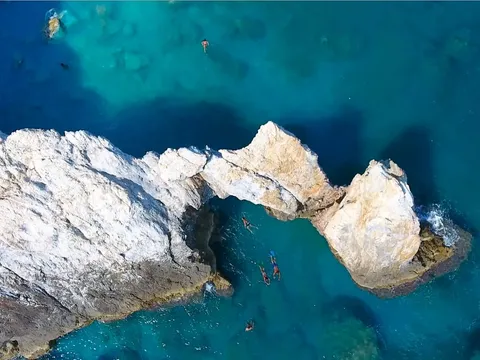 Skiathos5 experiences
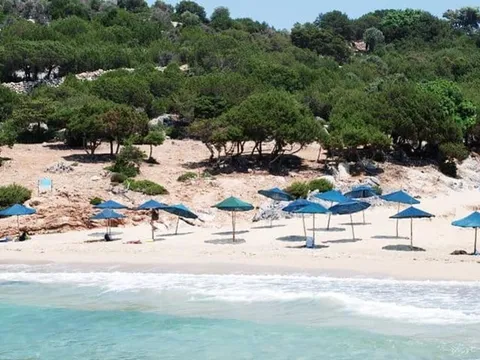 Samos5 experiences
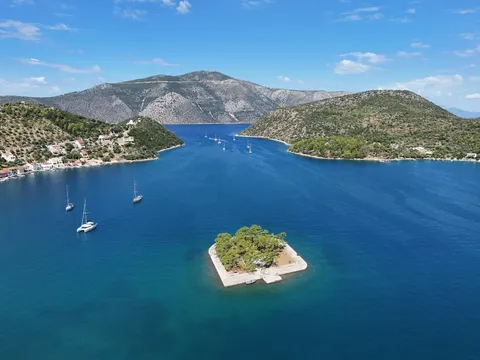 Ithaca4 experiences
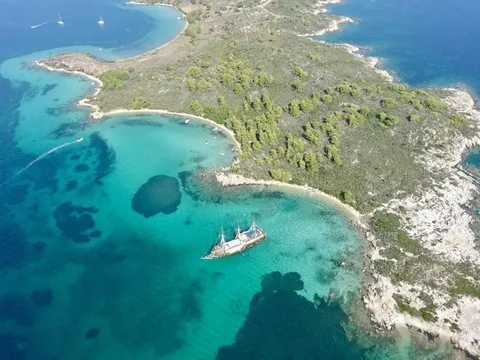 Halkidiki4 experiences
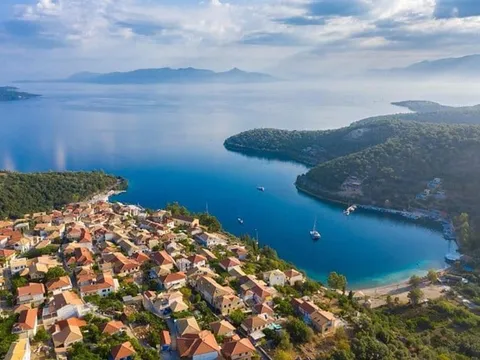 Lefkada4 experiences
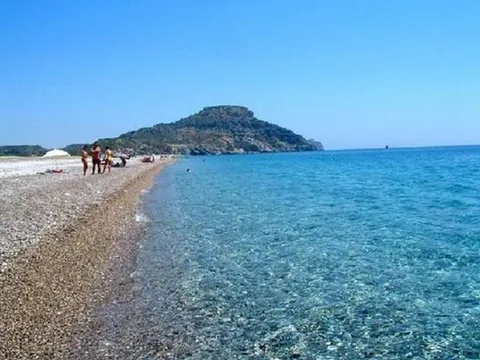 Rhodes4 experiences
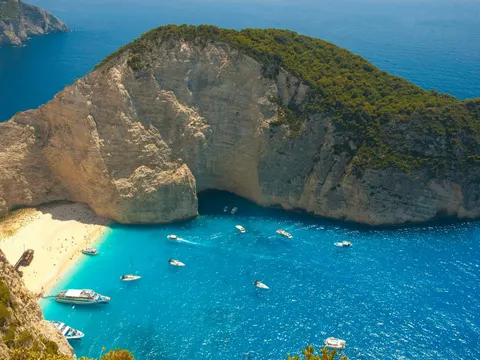 Zakynthos3 experiences
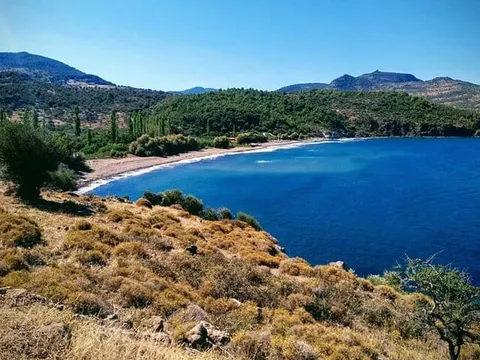 Lesbos3 experiences
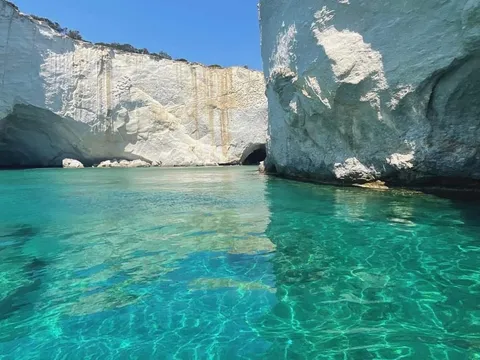 Milos2 experiences
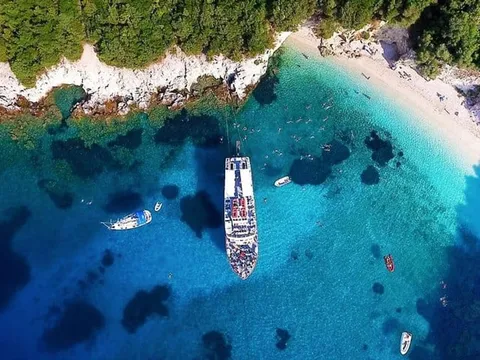 Corfu2 experiences
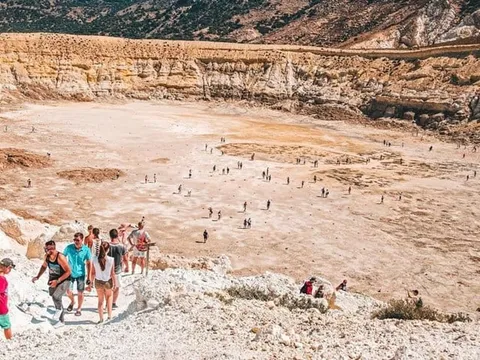 Kos2 experiences
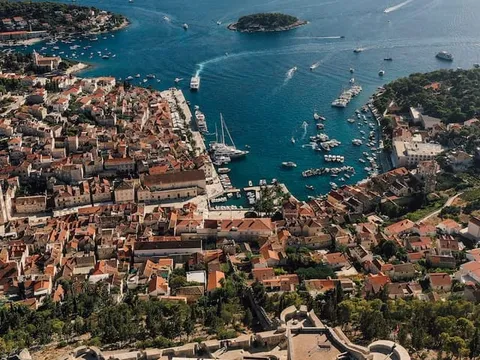 Split12 experiences
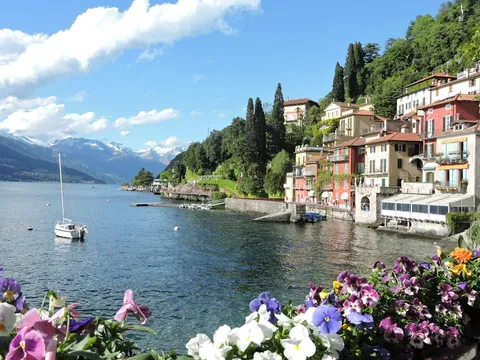 Milan2 experiences
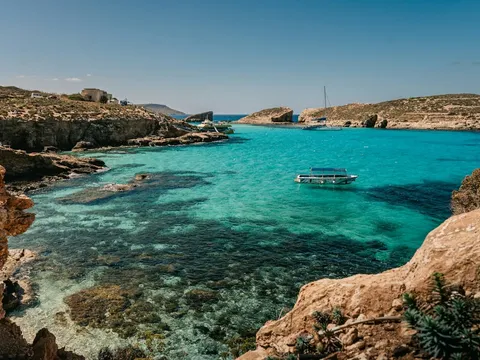 Malta4 experiences
 Cyprus3 experiences
 Reykjavík12 experiences
 Akureyri2 experiences
 Puerto Plata13 experiences
 Samaná12 experiences
 Cartagena9 experiences
 Grand Cayman7 experiences
 Montego Bay6 experiences
 Belize4 experiences
 Barbados4 experiences
 Ocho Rios4 experiences
 Negril3 experiences
 St Maarten1 experience
 Cabo San Lucas44 experiences
 Cancun23 experiences
 Cozumel10 experiences
 La Paz9 experiences
 Bacalar6 experiences
 Mahahual4 experiences
 Puerto Vallarta3 experiences
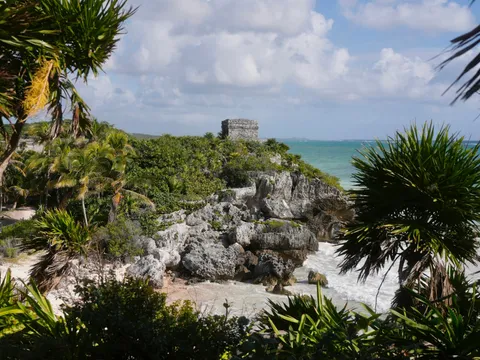 Tulum3 experiences
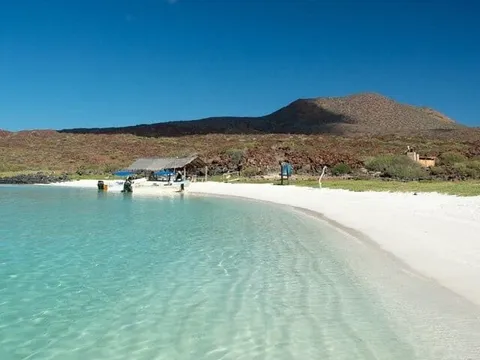 Loreto1 experience
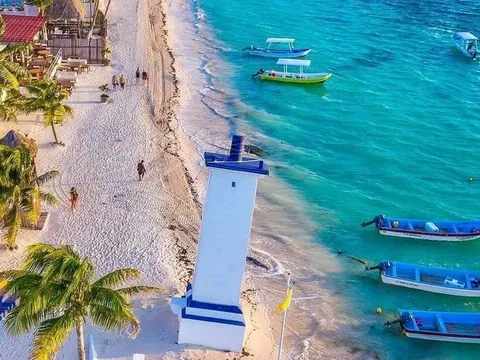 Puerto Morelos1 experience
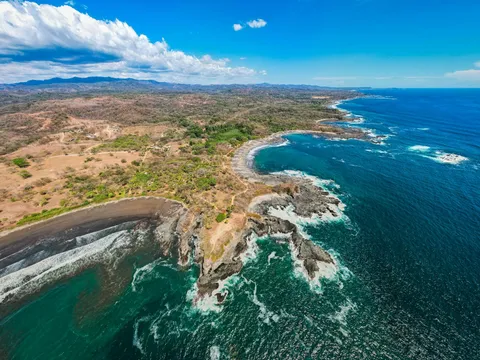 Costa Rica15 experiences
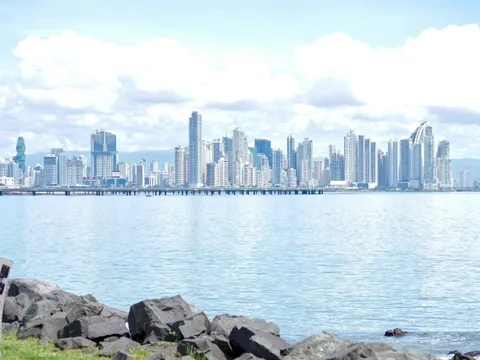 Panama3 experiences
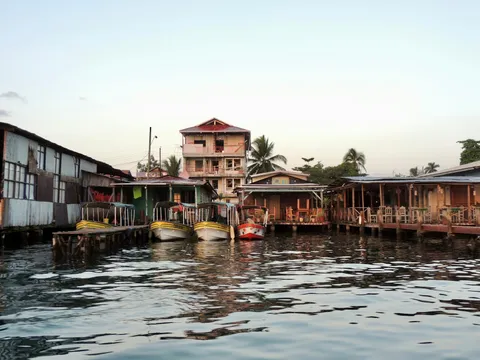 Bocas del Toro2 experiences
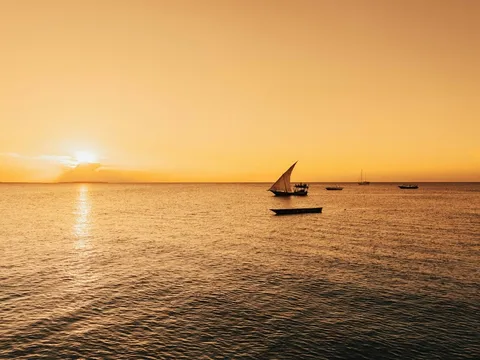 Zanzibar48 experiences
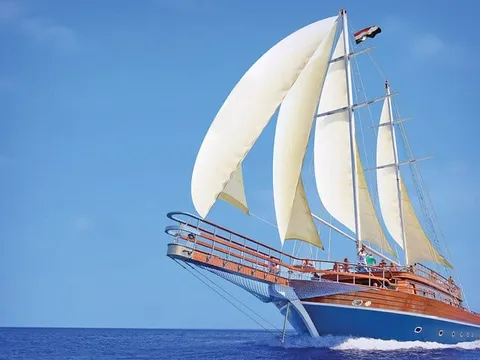 Hurghada6 experiences
 Sharm el-Sheikh4 experiences
 Seychelles2 experiences
 Marsa Alam2 experiences
 Dahab1 experience
 Sri Lanka28 experiences
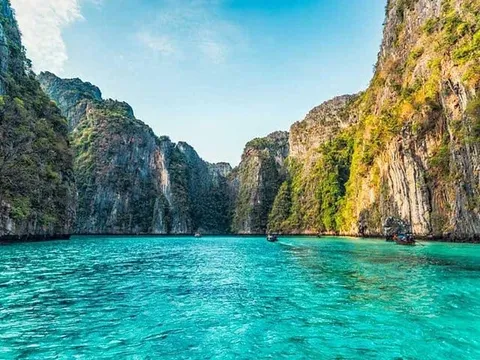 Phuket21 experiences
 Dubai1 experience
Not in the sense of a cruise or a sailing day. It is a private food and wine tour on foot, with a crossing of the Tagus by boat between Lisbon and Cacilhas and a round-trip boat ticket included. No boat is reserved for your group; what is private is your guide and your tour. You can see what it includes on the page of the Lisbon and Cacilhas food and wine tour.
There is something to enjoy all year round, and the choice depends on the weather you like to walk in. According to the 1991–2020 climate normals of IPMA for its Lisboa/Instituto Geofísico station:
For eating and walking outdoors we would look at spring and early autumn, with a waterproof to hand.
River services on the Tagus can be interrupted by bad weather. For example, according to a Lusa news agency report published by Sábado, Transtejo stopped the Cacilhas to Cais do Sodré crossing on 28 January 2026 during storm Kristin. The operator confirms what happens to your tour if the weather is bad or the crossing is not running. Before you set out, check the IPMA forecast and warnings and the notices of Transtejo Soflusa.
The tour starts in Praça Luís de Camões, in central Lisbon. By metro:
If you are coming by train on the Cascais line, you arrive at Cais do Sodré, where you can take the metro’s green line to Baixa-Chiado. There is no hotel pick-up. Check metrolisboa.pt for works or changes before travelling.
Transtejo Soflusa (TTSL), the river transport company on the Tagus, runs a service between Cais do Sodré in Lisbon and Cacilhas on the south bank. Our tour includes a round-trip boat ticket. At the end of the tour you can come back with your guide or say goodbye in Cacilhas, stay a while and return with your included ticket. If you stay on, check the day’s sailings at ttsl.pt.
Cacilhas is a riverside area of Almada, facing Lisbon across the Tagus, that our trip page describes as a colourful fishing village. Things to look for:
Visits to the frigate, the submarine and Cristo Rei are not listed as part of our tour: check their official opening information if you want to go.
The Cais do Ginjal is the old riverfront that runs west from the Cacilhas terminal. According to the Portuguese broadcaster RTP, Almada council banned walking along it in April 2025, and the riverside path reopened later that year after demolition and repair work by the owner of the buildings, with some points still needing work. Conditions there can change, so the operator confirms the route of the riverside walk on the day.
According to the trip page, the tour includes:
The page describes a meal with meats, fish and local wines. If you have an allergy, follow a particular diet or do not eat fish or meat, ask the operator before booking whether it can be catered for.
It is 18. Decree-Law 106/2015, which amended Decree-Law 50/2013, prohibits supplying or selling alcoholic drinks to minors in public places and places open to the public. Young people aged 11 to 17 and children can be booked on the tour, but they should not expect the wine or the ginja; ask the operator what they are offered instead.
The booking has places for adults (18–99), youths (11–17) and children (0–10). The trip page also says:
It is a tour on foot of about 3 hours 30 minutes, so consider how far your group is happy to walk. If anyone has limited mobility, ask the operator before booking.
Wear comfortable shoes and bring a layer for the river. In summer add sun protection and water; from autumn to spring, a waterproof. The water leg is a river crossing, not open sea, but the water can be choppy in bad weather. If you are prone to motion sickness, ask a pharmacist or doctor before you travel.
Take the usual city precautions. The UK government’s travel advice for Portugal asks visitors to be alert to street crime, especially on public transport and at crowded bus and tram stops, notes that thieves often use distraction and work in teams, and advises against carrying all your valuables in one place. It also mentions a risk of higher than normal temperatures in summer. The emergency number is 112. Read your own government’s advice before you travel.

Sailing advisor
Sailing Beyond Limits
AI assistant. It checks real availability and prices. Don’t share payment details: you book on our website.
Cookies and privacy
We use cookies to measure how the site is used and to improve it. You can accept or reject them: the site works the same either way. Cookie policy