
Boat trips and experiences in Negril
3 experiencesPort guide →All of Jamaica →
No experiences match these filters. Try another port or type.
From the blog
Guides and news
 Destinations · 27 October 2026 · 5 minMontego Bay by catamaran: how to choose your trip
 Destinations · 26 October 2026 · 11 minThe Caribbean by Boat: Catamaran and Boat Trip Guide
 Destinations · 27 October 2026 · 5 minRosario Islands from Cartagena: which tour to choose
 Destinations · 27 October 2026 · 5 minCancún to Isla Mujeres: ferry or catamaran?
More places to sail
Every destination has its own guide and its own trips.
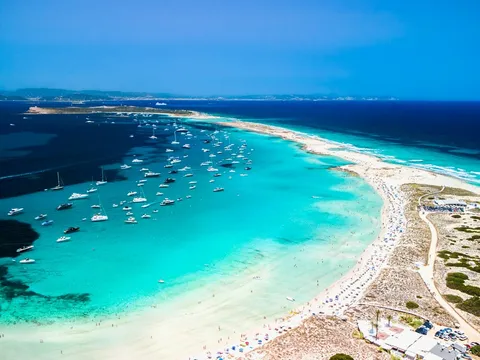 Ibiza4 experiences
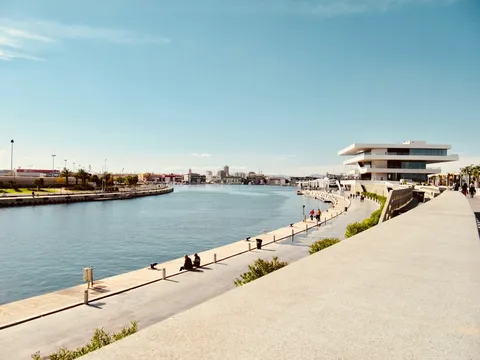 Valencia3 experiences
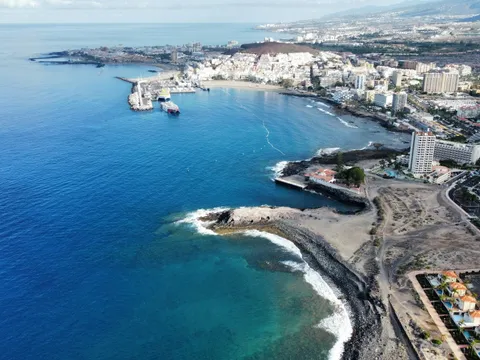 Tenerife2 experiences
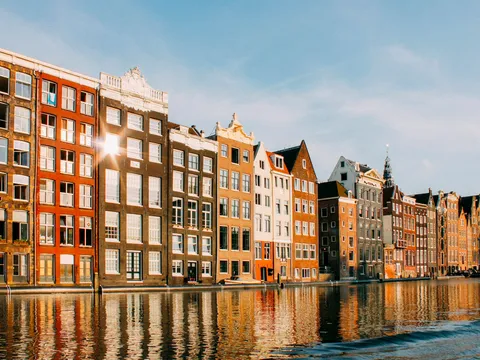 Amsterdam4 experiences
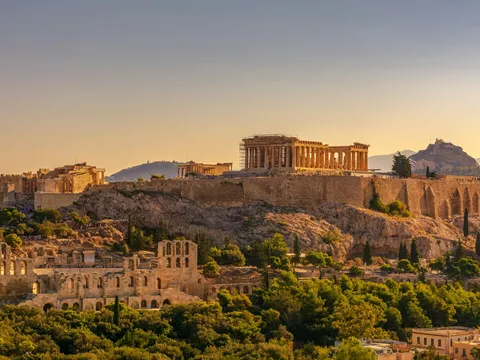 Athens5 experiences
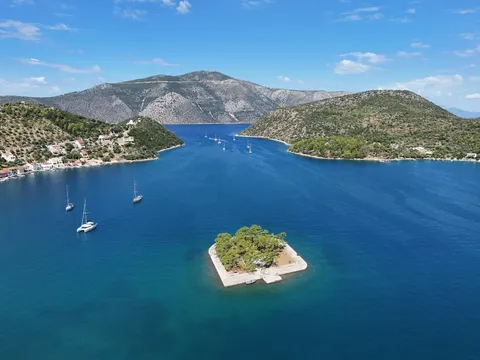 Ithaca4 experiences
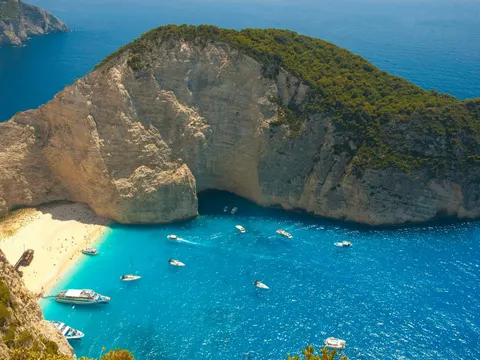 Zakynthos1 experience
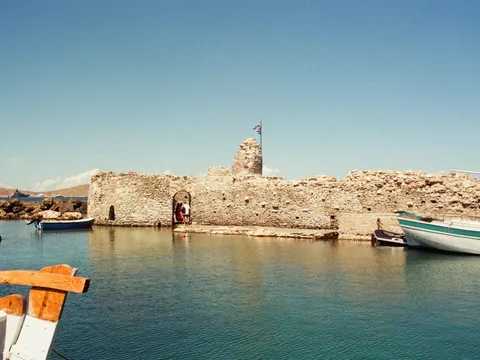 Paros1 experience
 Crete1 experience
 Split5 experiences
 Reykjavík12 experiences
 Akureyri2 experiences
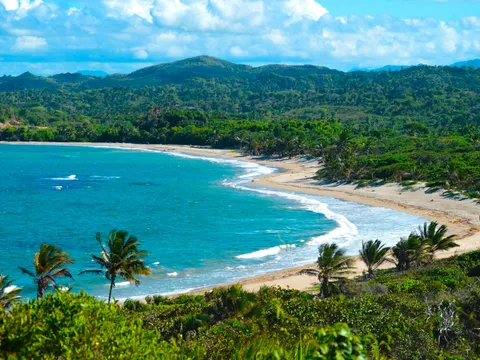 Puerto Plata13 experiences
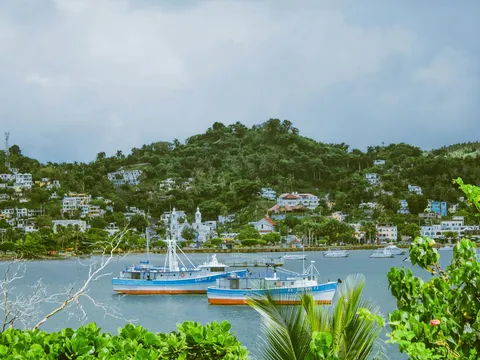 Samaná12 experiences
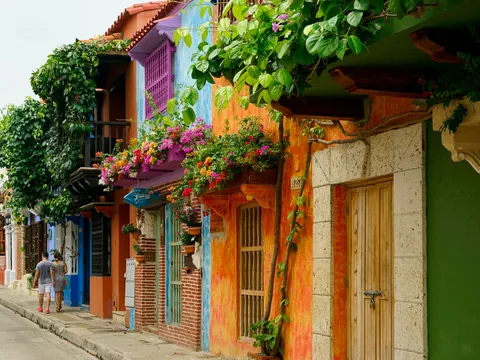 Cartagena9 experiences
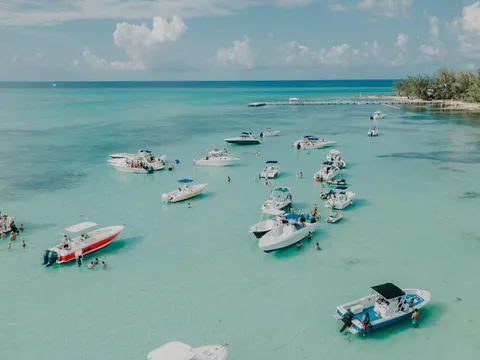 Grand Cayman7 experiences
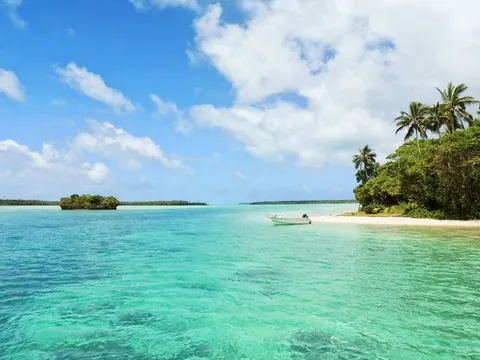 Montego Bay6 experiences
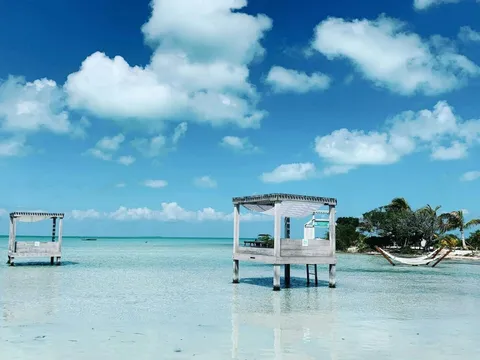 Belize4 experiences
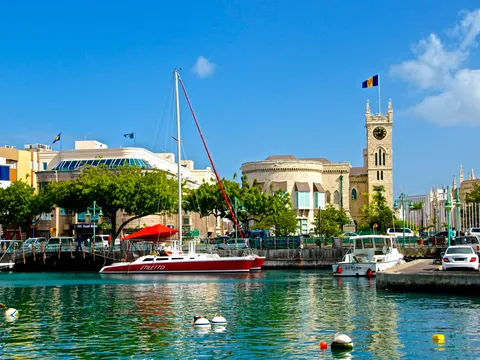 Barbados4 experiences
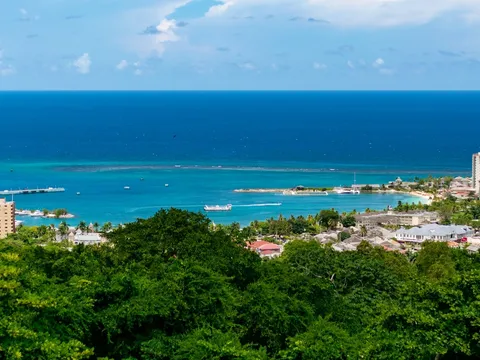 Ocho Rios4 experiences
 St Maarten1 experience
 Cabo San Lucas40 experiences
 Cancun20 experiences
 Cozumel10 experiences
 Bacalar6 experiences
 La Paz5 experiences
 Puerto Vallarta3 experiences
 Tulum2 experiences
 Loreto1 experience
 Puerto Morelos1 experience
 Mahahual1 experience
 Costa Rica10 experiences
 Bocas del Toro2 experiences
 Panama2 experiences
 Zanzibar22 experiences
 Hurghada6 experiences
 Sharm el-Sheikh5 experiences
 Marsa Alam3 experiences
 Dahab1 experience
 Phuket8 experiences
- All port guides →
Frequently asked questions about Negril
How do I get from Montego Bay airport to Negril?
Sangster International Airport (MBJ), in Montego Bay, is the nearest international airport. According to Wikipedia, Negril is 80.8 km from it, and commercial transfer pages put the drive at around an hour and a half; treat that as an orientation, not a timetable. Negril also has a small aerodrome near Rutland Point, built in 1976: ask your airline or travel agent whether any flight serves it.
- Taxis and minibuses: the UK government advises using Jamaica Tourist Board (JTB) approved taxis and minibuses, which carry a photo ID and a blue JTB sticker on the windscreen.
- Fares and timetables: we do not give them because we did not find them in an official source. Arranging the transfer through your accommodation is the simplest option.
Our trips start in Negril, not at the airport: the shared sunset catamaran cruise offers hotel pick-up in Negril when you book, and the private catamaran starts on Seven Mile Beach without pick-up.
What about the hurricane season and where do I check the forecast?
According to the US National Hurricane Center, the Atlantic hurricane season runs from 1 June to 30 November. Its climatological peak is 10 September, and most activity falls between mid-August and mid-October. Storms can occasionally form outside those dates.
- The UK government notes that hurricanes can bring fallen trees, blocked roads and flooding, and advises checking your routes in advance, being careful near swamps, rivers, gullies and mangroves, and following local news and the forecasts of the World Meteorological Organization.
- The National Hurricane Center (nhc.noaa.gov) publishes the official forecasts for the Atlantic.
Weather and sea state can change a boat trip. Check the details on the trip page and, if you have doubts about your day, ask before you book.
Was Negril affected by Hurricane Melissa, and are visitors welcome?
Hurricane Melissa struck Jamaica as a major hurricane in October 2025. In its latest update (6 May 2026) the UK government said that all the western parishes suffered significant damage and that some communities were still without electricity or piped water, with debris and standing water that carry health risks. The Jamaica Tourist Board says that some regions were damaged, that most resort areas are operating, that areas with greater damage are still being repaired, and that all three international airports and the sea and cruise ports are working. Neither page states the situation in Negril specifically.
The practical advice of both is to check directly with your hotel and with each tour provider before you travel. For our trips, the pages show live availability for the shared sunset cruise, the second shared cruise and the private catamaran, and the start point and time are confirmed by the operator.
What do I need to enter Jamaica?
Requirements depend on your nationality and change, so check them with the Jamaican authorities and with your own government before you travel. As an example, for British citizens the UK government says that the passport must be valid for the whole stay and have two blank pages, that no visa is needed for stays of up to 90 days, that a customs declaration is required and that it recommends completing the Immigration and Customs Form C5 online before arrival. It also lists items that may not be brought in, such as meat and dairy products.
For other nationalities the conditions may be different. We do not give a list of requirements by country.
Is Negril safe for visitors?
The UK government says that crime and homicide rates in Jamaica are high, but that gang violence mostly occurs in inner-city areas and that tourist areas are not usually affected. Robbery is the main motive for attacks on tourists. Its advice includes:
- Avoid isolated areas and deserted beaches, even by day, and travel with other people or on reputable tours.
- Do not display valuables, keep passports and valuables in the hotel safe, and use ATMs in daylight and in well-lit places.
- Use Jamaica Tourist Board approved taxis and avoid buses at night.
- If you travel alone, tell someone where you are, and do not share personal details or your room number with people you have just met.
The page also reports that some British nationals have been the victims of sexual assault in tourist areas, including beach resorts. It does not mention Negril by name, and nothing here is a guarantee: check the current version of the advice before you go.
What health precautions should I take?
The UK government advises getting travel insurance that covers your itinerary, the activities you plan and emergency expenses. After Hurricane Melissa it also warns of debris and standing water that carry health risks, including water-borne and mosquito-borne diseases.
The Jamaica Tourist Board mentions reports of suspected leptospirosis and advises visitors outside the resorts to avoid floodwater and to go to a health centre if they develop flu-like symptoms.
We do not list vaccines or give medical advice: ask your national health service or a travel-health clinic what applies to you.
What currency is used and what should I know about money?
The currency of Jamaica is the Jamaican dollar (JMD), according to Wikipedia. We did not find an official source on which currencies or cards businesses accept, so we do not state it: ask your accommodation.
- The UK government advises using ATMs in daylight and in well-lit places, and keeping passports and valuables in the hotel safe.
- On our shared sunset cruises, photos are not included and gratuities are listed as an extra on one of them, so it is useful to carry some cash.
We do not give tipping amounts because we have no official source for them.
What language is spoken, what plugs are used and which side do they drive on?
Language: English is the official language, and the everyday vernacular is Jamaican Patois, according to Wikipedia.
Electricity: plug types A and B, with a nominal 110 V and 50 Hz (the listing is 110/190 V). Check that your devices accept that voltage and bring an adapter if you need one.
Time: Jamaica is on UTC-5. Traffic: it drives on the left; if you rent a car, check the rules and the state of the roads beforehand.
What local laws should visitors know about?
The UK government lists these points:
- Smoking marijuana (ganja) is illegal in Jamaica, and other drug offences carry severe penalties. Prison sentences are served in full and conditions are harsh. Never carry luggage or items for somebody else.
- Male same-sex sexual activity is illegal, although the law is not always enforced, and public displays of affection may attract unwanted attention.
- The government can declare a State of Emergency or a Zone of Special Operations, with curfews that can be imposed at short notice and are usually brief. Tourists are not usually affected, but follow the local authorities’ advice and avoid protests.
Check the current version of the advice before you travel.
What is there to see on the West End and around Negril?
According to Wikipedia, the name Negril is a shortened form of the Spanish “Negrillo”, given by the Spaniards in 1494. West End Road is also known as Lighthouse Road because of the Negril Lighthouse, built in 1894 and listed as a national monument. Behind the beach, the Great Morass is a wetland crossed by the Negril River, and the Royal Palm Reserve protects wetland and forest within it.
The sea is protected too: the Negril Coral Reef Preservation Society was formed in 1990 to tackle reef degradation, and the Negril Marine Park was declared on 4 March 1998.
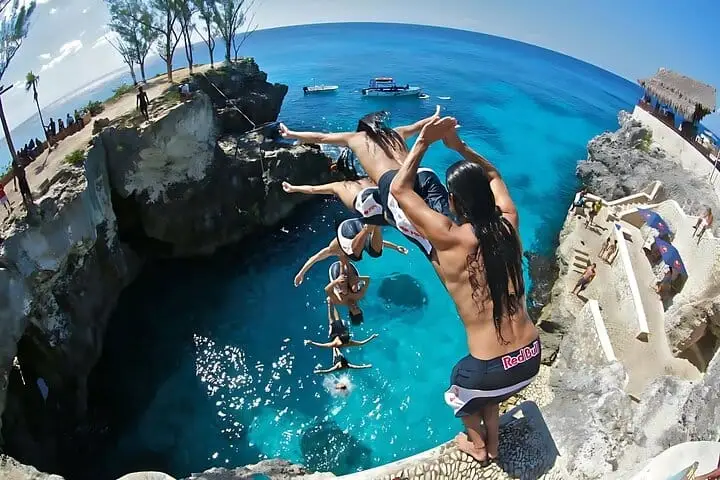
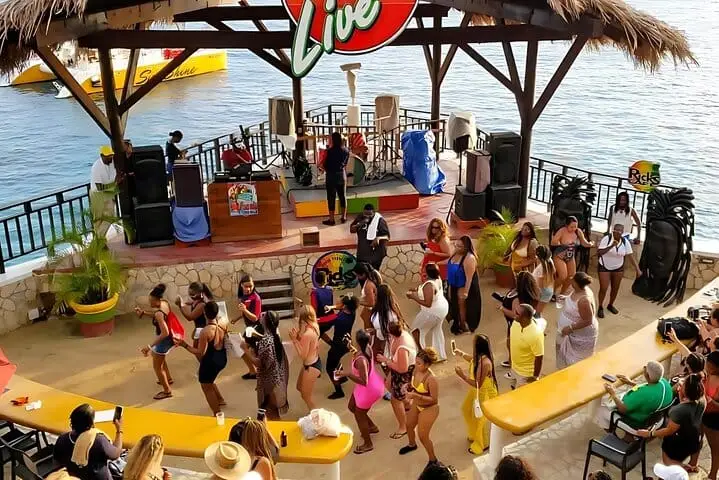
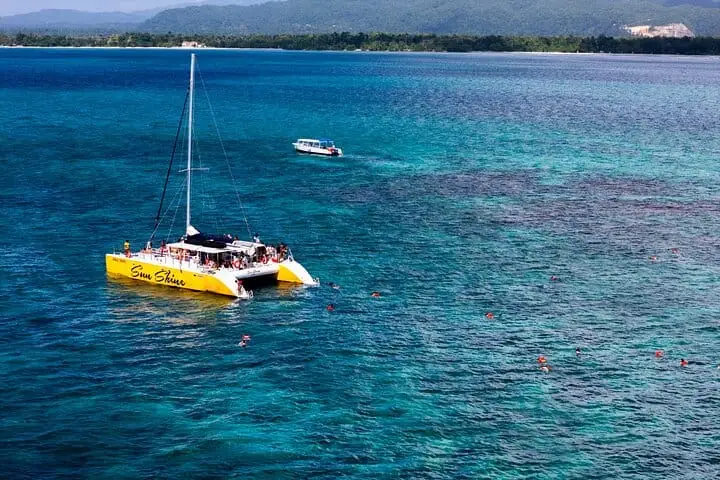
From the water, the shared sunset catamaran cruise sails along the coast towards Rick’s Café and the cliffs, and the private catamaran stops at or near Booby Cay to snorkel. Opening hours and entry rules of land attractions change: ask locally.
Which emergency numbers should I know?
The numbers usually listed for Jamaica are 119 for the police and 110 for the fire brigade and ambulance; the US Embassy in Jamaica lists them on its contact page. We did not find them on a Jamaican government site, so confirm them with your accommodation when you arrive.
For consular help, the British High Commission in Kingston gives +1 (876) 936 0700. If you hold another nationality, find your embassy or consulate in Jamaica before you travel and save its number. On the day of a trip, the operator calls to confirm the place and the time: keep your phone on and charged.
