
Boat trips and experiences in Paros
1 experiencePort guide →All of Greece →
No experiences match these filters. Try another port or type.
From the blog
Guides and news
 Destinations · 27 October 2026 · 7 minKefalonia by boat: cruises, beaches and islands
 Destinations · 27 October 2026 · 5 minBarcelona from the sea: sailing from Port Olímpic
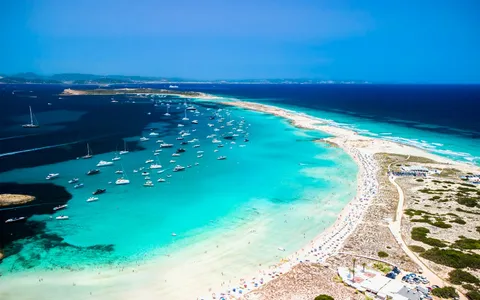 Destinations · 27 October 2026 · 5 minIbiza and Formentera by boat: anchoring and posidonia
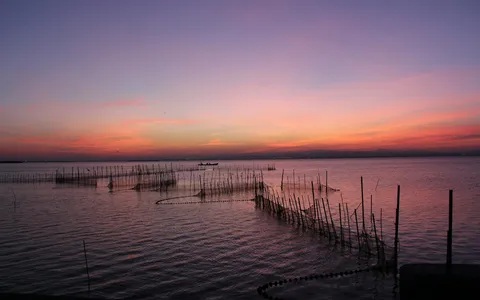 Destinations · 27 October 2026 · 5 minAlbufera at sunset: a boat ride from Valencia
More places to sail
Every destination has its own guide and its own trips.
 Ibiza4 experiences
 Valencia3 experiences
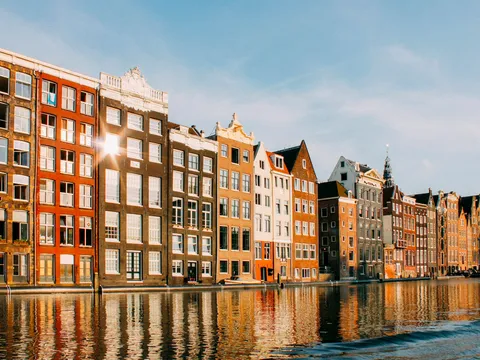 Amsterdam4 experiences
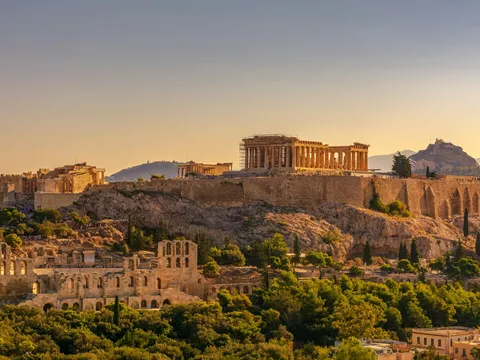 Athens5 experiences
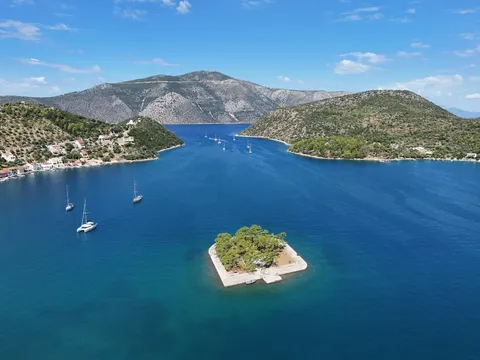 Ithaca4 experiences
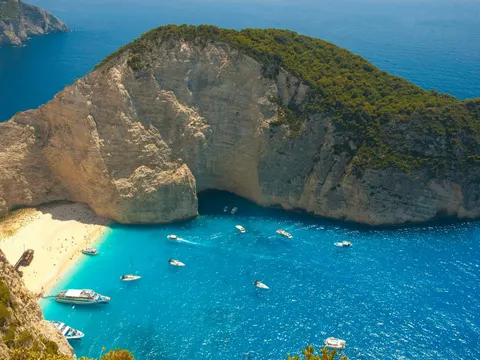 Zakynthos1 experience
 Crete1 experience
 Split5 experiences
 Reykjavík1 experience
 Grand Cayman7 experiences
 Montego Bay6 experiences
 Belize3 experiences
 Cartagena3 experiences
 Puerto Plata2 experiences
 St Maarten1 experience
 Cabo San Lucas18 experiences
 Cancun13 experiences
 La Paz5 experiences
 Cozumel4 experiences
 Puerto Vallarta3 experiences
 Bacalar3 experiences
 Tulum2 experiences
 Loreto1 experience
 Puerto Morelos1 experience
 Mahahual1 experience
 Costa Rica3 experiences
 Zanzibar7 experiences
 Hurghada6 experiences
 Sharm el-Sheikh5 experiences
 Marsa Alam3 experiences
 Dahab1 experience
 Phuket8 experiences
 Dubai6 experiences
- All port guides →
Frequently asked questions about Paros and Antiparos
What should you do on your first trip to Paros and Antiparos?
They are two Cycladic islands separated by a channel less than two kilometres wide. A first trip combines:
- Parikia, the capital and main port, with the church of Panagia Ekatontapiliani (“of the hundred doors”) and the remains of the Venetian castle.
- Naoussa, a fishing village with a harbour of colourful caiques.
- Lefkes and the Byzantine path to Prodromos, near the ancient marble quarries of Marathi.
- A beach on the north or east coast, such as Kolymbithres or Golden Beach.
- Antiparos, with its Venetian castle, its cave and its beaches.
Set aside a day on the water too: Panteronisia and Despotiko are best seen from the sea.
How many days do you need in Paros and Antiparos?
Three or four days cover the essentials of Paros: the villages, a couple of beaches and a day on a boat. Antiparos is about 11 km long and 4.5 km wide, so it can be done in a day, or you can stay a night. If you combine it with other islands (Naxos, Mykonos, Santorini), allow for the ferry crossings.
When is the best time to visit Paros and Antiparos?
The climate is Mediterranean, with mild, rainy winters and warm, sunny summers. According to a climate website, August is the warmest month (mean 26.8 °C) and about 480 mm of rain falls a year, almost all between October and March; in July and August it hardly rains at all. The sea is around 21.5 °C in June, 23.5 °C in July, 24 °C in August and 23.5 °C in September (approximate figures).
For beach and boat days the same source suggests June to mid-September; for sightseeing on land, April and May, when it is rarely hot. Note that in summer there is a high risk of wildfires (April to October, according to the UK travel advice) and that walking in the heat is demanding. Our departures are seasonal: check the calendar of each trip.
What is the meltemi and how does it affect a holiday in Paros?
The meltemi is a dry northerly wind that dominates the Aegean from mid-May to mid-September. In the Cyclades it blows hardest in July and August, mostly in the afternoon, and usually eases at night, although sometimes it lasts for days. It can reach force 7–8 on the Beaufort scale and cools the summer heat, but according to the encyclopaedia some boats and ferries cannot sail in such conditions.
In practice: on windy days look for sheltered beaches (one guide mentions Faragas, Monastiri and Drios; southern Paros is generally more protected) and leave some margin for ferry journeys. Golden Beach and Pounta, on the other hand, are the places for the wind: windsurfing and kitesurfing. On a boat trip the captain may change the route because of the wind.
How do you get to Paros and Antiparos?
Paros has an airport in the south-west, about 10 km from Parikia, with flights from Athens of around 40–45 minutes; some routes are seasonal and connections from other islands usually go through Athens. There are also ferries from Piraeus all year and from Rafina in summer, and the island is linked with Naxos, Mykonos and Santorini. From abroad you usually fly to Athens.
To reach Antiparos there is a car ferry from Pounta, on the west coast of Paros, which takes about 7 minutes and, according to the Antiparos website, runs daily all year, weather permitting; from late May to October there is usually also a passenger-only boat from Parikia. Confirm routes and timetables before you travel; strikes can disrupt transport.
How do you get around Paros and Antiparos?
On Paros there are intercity buses (KTEL) linking Parikia with Naoussa, the airport, Pounta and several beach villages, plus taxis and rental cars. A car or motorbike reaches coves away from the bus lines, but parking in the villages can be hard. To rent a moped you need a valid licence and a helmet is compulsory; roads are busy in July and August, so drive carefully. Confirm routes and timetables with the operator.
Antiparos is small and everything is close. The cave is about 8 km from the village, along a paved road with parking, and there is also a bus from the port.
What is the Blue Lagoon of Paros, and can you snorkel there?
“Blue Lagoon” is the name given to the turquoise waters around the Panteronisia islets, between Paros and Antiparos. There is no road access: you can only get there by boat. The water is clear and shallow, and the pale seabed gives the intense turquoise and blue tones when the light and the sea cooperate.
It is a good place to swim and snorkel, but visibility varies with conditions and sightings of marine life are not guaranteed; stops also depend on the weather, the state of the sea and the captain’s judgement. For diving with a school, several dive centres operate around Paros; snorkelling is also mentioned at Golden Beach.
What is the difference between the Cave of Antiparos and the water caves?
They are two different things. The Cave of Antiparos is on land, about 8 km from the village: it is about 85 metres deep, reached by around 411 steps, and famous for its stalactites and for the names that visitors have carved over the centuries. Wear comfortable shoes, bring water and check the opening hours before you go.
The water caves (sea caves) are on the coast: you reach them by boat, the water is emerald-coloured and many trips stop there for a swim. The private RIB cruise from Alyki includes the water caves, not the inland cave; check its page to see whether dates are open.
What is Despotiko, and can you visit it?
Despotiko is a small, dry, uninhabited island about 700 metres south-west of Antiparos. It is part of a Natura 2000 protected area together with Strongyli and southern Antiparos. A late Archaic sanctuary of Apollo has been excavated in the north-west, and the work is still going on; some finds are shown in the Archaeological Museum of Parikia.
You can go on boat trips or by private boat; the usual departures are from Antiparos (the main village or Agios Georgios). Boats generally anchor off the southern part, where there is a large sandy beach; Livadi is the one most often named. The sanctuary is an excavation site: in July 2025, for example, a guided visit with the archaeologists was organised, so check beforehand how access works.
What are the best beaches in Paros and Antiparos?
There is no official ranking, but these are the most often mentioned:
- Kolymbithres, by the bay of Naoussa, with granite rocks shaped by water and wind.
- Santa Maria, lively and organised, with water sports.
- Golden Beach, long and sandy, very windy and known for windsurfing.
- Piso Livadi, Logaras, Aliki and Marcello, with calm, shallow water and good for families.
- Faragas, small sheltered coves near Alyki.
- On Antiparos: Livadia, Soros, Sunset Beach (Sifneiko), Psaraliki and the small beach of Agios Georgios, with fine sand, unorganised and with tavernas nearby.
Before choosing, check the wind of the day; a red flag means you must not enter the water.
Do you need a boat to see some places in Paros and Antiparos?
For the most striking ones, yes, or at least it helps a lot:
- Panteronisia (Blue Lagoon): no road access, boat only.
- Despotiko: reached by boat, from Antiparos.
- The water caves of Antiparos: reached by boat.
- Kolymbithres and Lageri: you can go by road (Lageri with a short walk), but also by boat from Naoussa.
The main beaches, the villages and the Cave of Antiparos can be reached by land. If you want to combine several sea stops in one day, have a look at the private cruise from Alyki; its page shows whether dates are open.
What can you do in Paros with children?
For young children the easiest choices are the calm, shallow beaches such as Logaras, Aliki, Piso Livadi (with a playground) and Marcello. Paros tourism also mentions the Aqua Paros water park, sailing and swimming lessons at the Yacht Club of Paros, tennis, horse riding and diving lessons, as well as a safe spot for a swim in central Parikia.
Always supervise small children in the water, keep them within arm’s reach and watch out for the midday heat and the wind.
Which villages and routes are worth seeing in Paros and Antiparos?
- Lefkes, the island’s first capital, at about 250 m, with the church of Agia Triada. From here the Byzantine path to Prodromos starts: about 3.5 km, paved with marble and easy to walk; it is estimated to date from around the year 1000.
- Prodromos, surrounded by a medieval wall, with an arched gate and bell tower at the entrance.
- Marpissa, with narrow alleys, the Nikos Perantinos Sculpture Museum and, on Kefalos hill (229 m), the monastery of Agios Antonios.
- Marathi, with the ancient quarries of Parian marble, from which the Hermes of Praxiteles and the Venus de Milo were carved, according to the Greek national tourism site.
- Chora of Antiparos, inside a 15th-century Venetian castle.
What do people eat in Paros?
Paros cooking is based on the sea and the vegetable garden: fish, vegetables, salads and pulses, all with olive oil. Local tourism mentions chickpeas baked in a clay pot, kakavia (fish soup) and gouna (sun-dried salted fish), along with cheeses such as xinomyzithra (soft and creamy) and plenty of wild greens. Small harbours such as Alyki or Agios Georgios have waterside tavernas where fresh fish is the main dish.
