
Boat trips and experiences in Algarve
11 experiencesPort guide →All of Portugal →
No experiences match these filters. Try another port or type.
From the blog
Guides and news
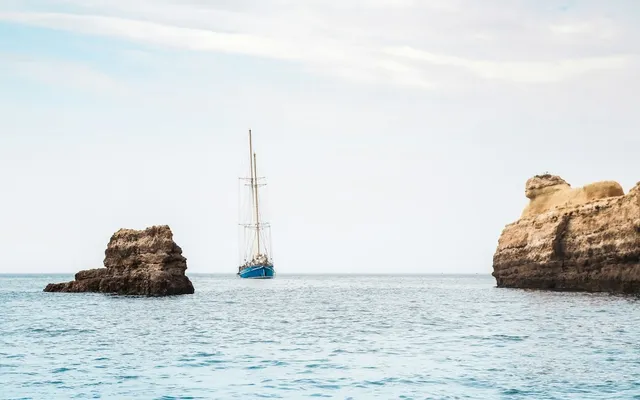
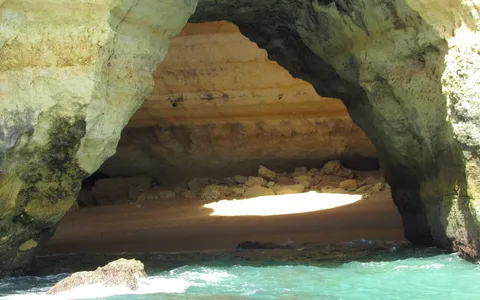 Destinations · 26 October 2026 · 8 minBenagil Cave 2026: Rules and How to Visit It Properly
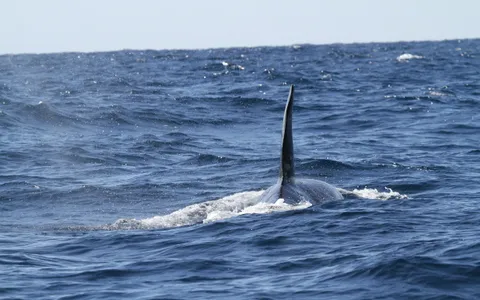 Sailing guides · 5 November 2026 · 16 minWhere are the Iberian orcas? Maps, seasons and tracking
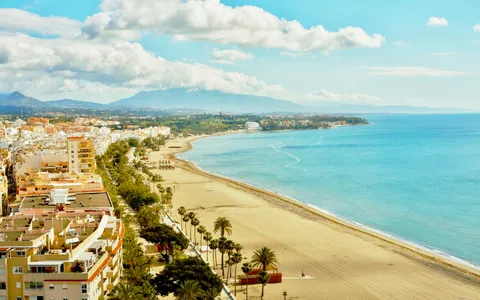 Destinations · 26 October 2026 · 5 minEstepona to Sotogrande by bus (M-240): times and fares
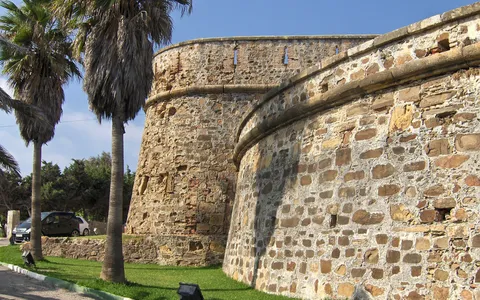 Destinations · 26 October 2026 · 4 minCastillo de la Duquesa and the Roman villa in Manilva
More places to sail
Every destination has its own guide and its own trips.
 Tenerife15 experiences
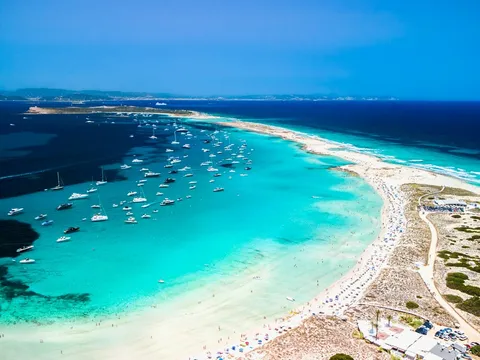 Ibiza4 experiences
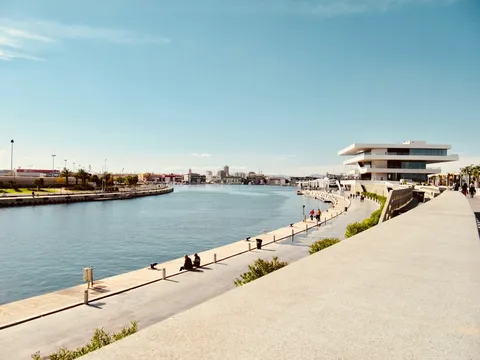 Valencia3 experiences
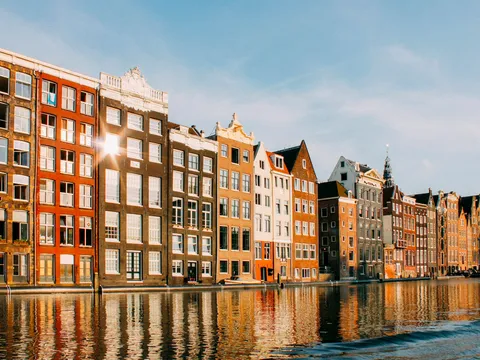 Amsterdam4 experiences
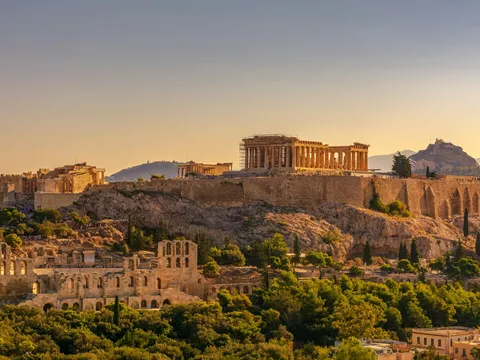 Athens5 experiences
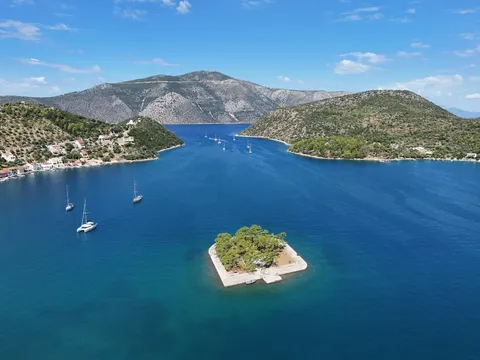 Ithaca4 experiences
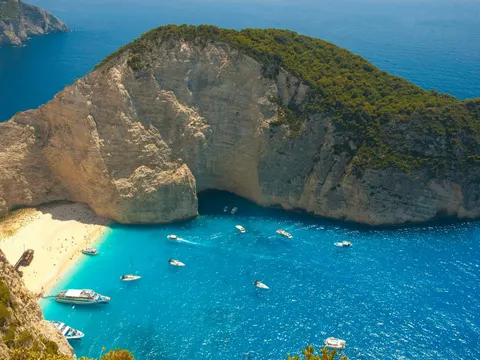 Zakynthos1 experience
 Paros1 experience
 Crete1 experience
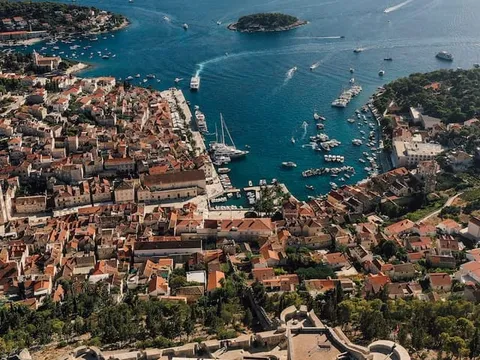 Split5 experiences
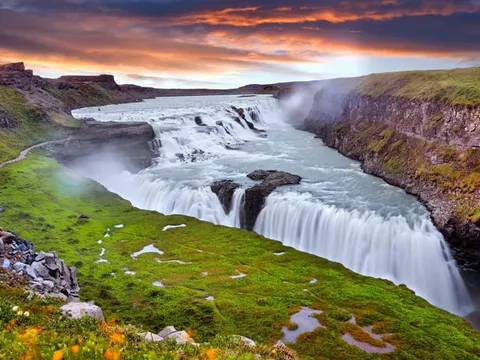 Reykjavík12 experiences
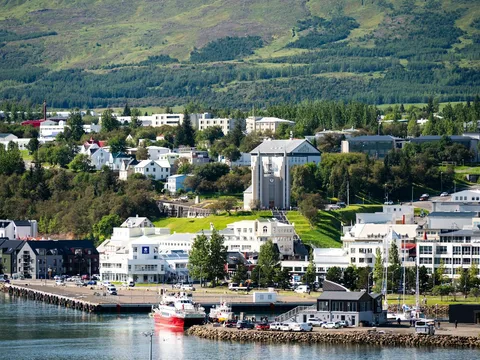 Akureyri2 experiences
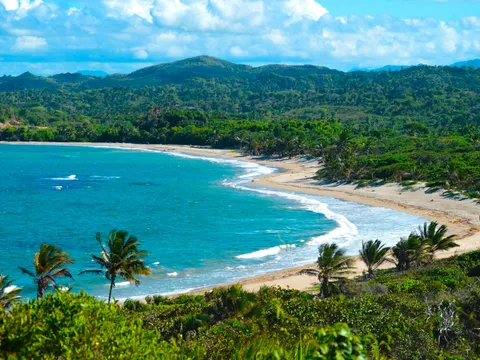 Puerto Plata13 experiences
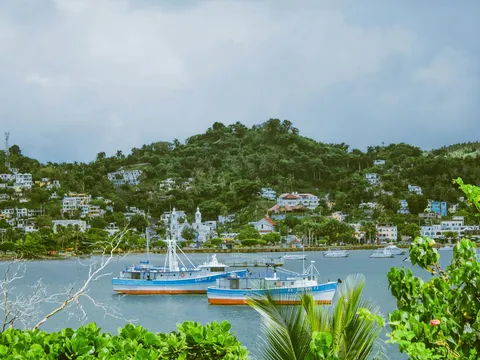 Samaná12 experiences
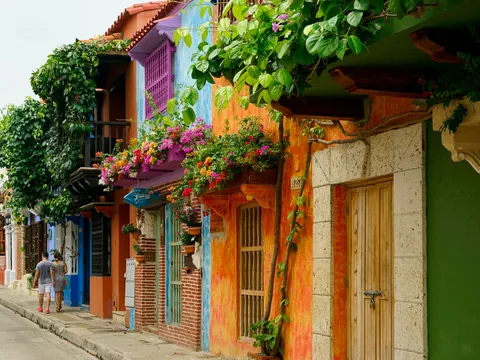 Cartagena9 experiences
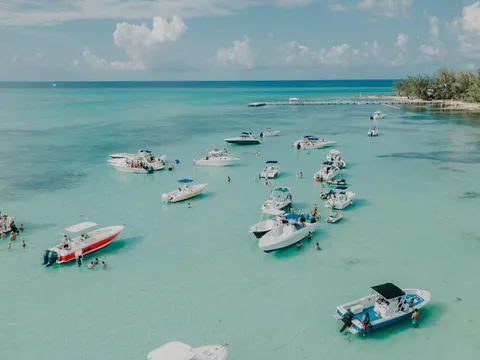 Grand Cayman7 experiences
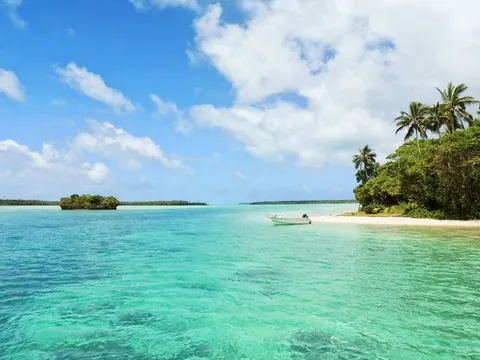 Montego Bay6 experiences
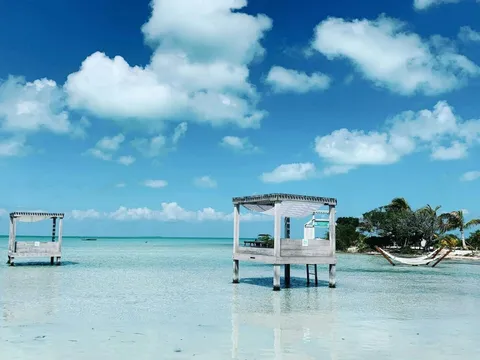 Belize4 experiences
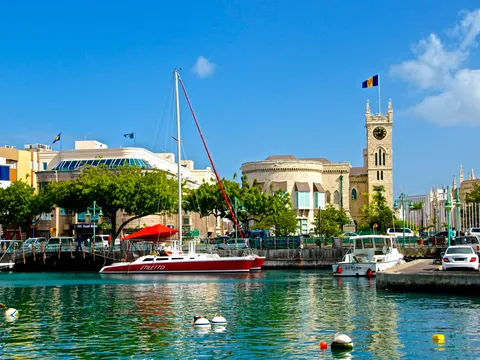 Barbados4 experiences
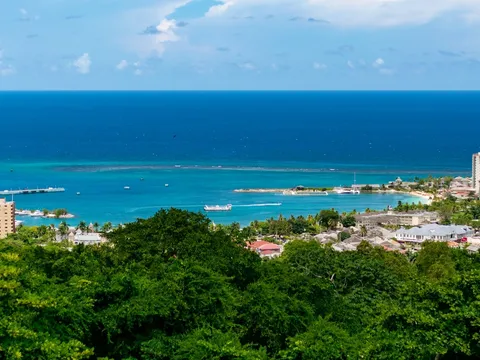 Ocho Rios4 experiences
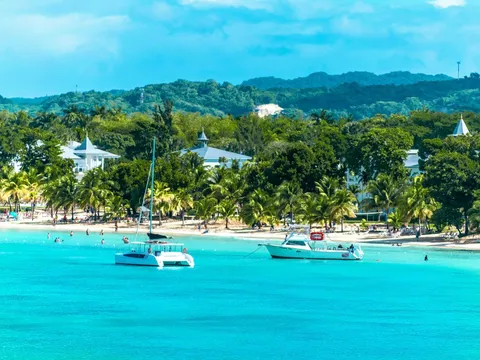 Negril3 experiences
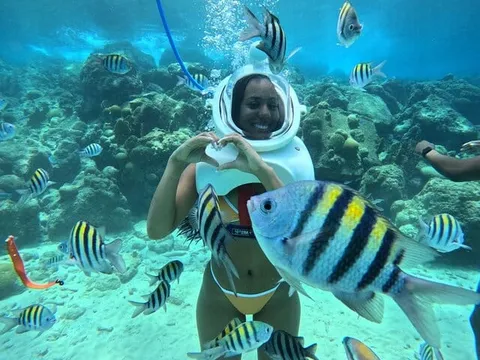 St Maarten1 experience
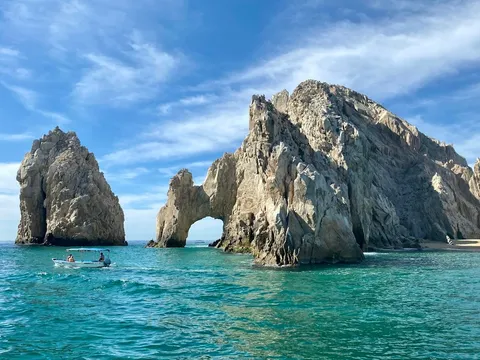 Cabo San Lucas40 experiences
 Cancun20 experiences
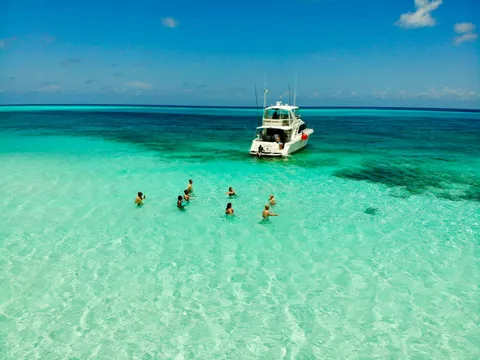 Cozumel10 experiences
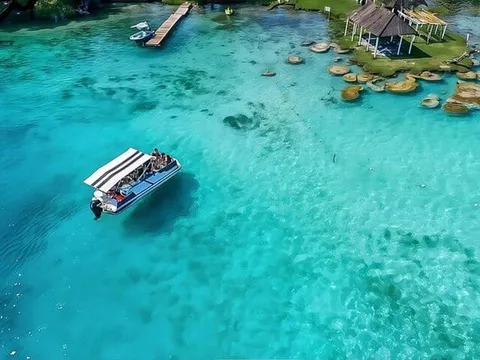 Bacalar6 experiences
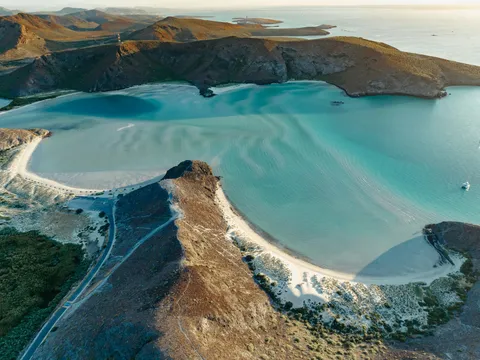 La Paz5 experiences
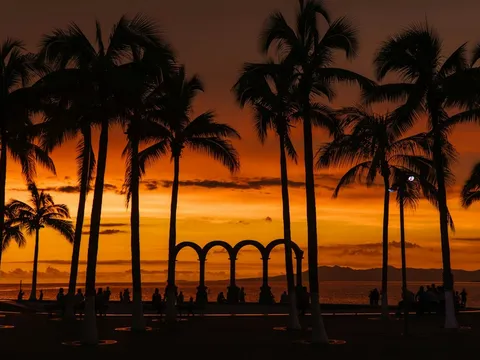 Puerto Vallarta3 experiences
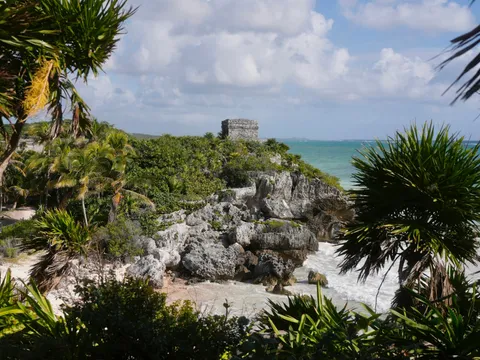 Tulum2 experiences
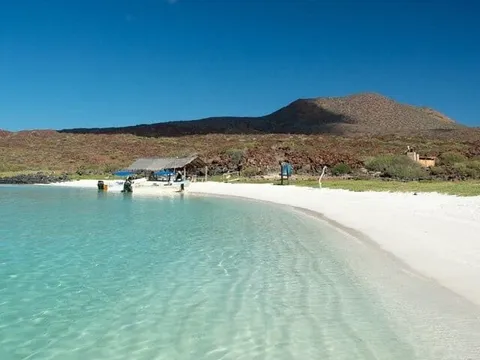 Loreto1 experience
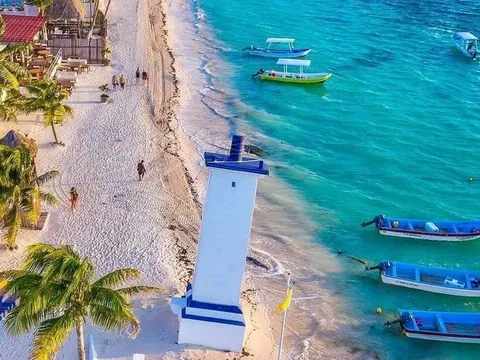 Puerto Morelos1 experience
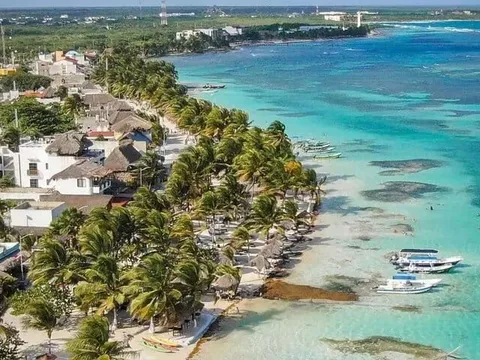 Mahahual1 experience
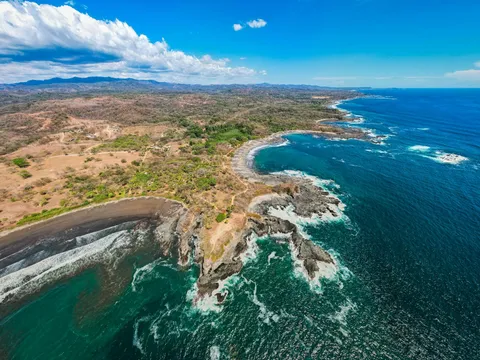 Costa Rica10 experiences
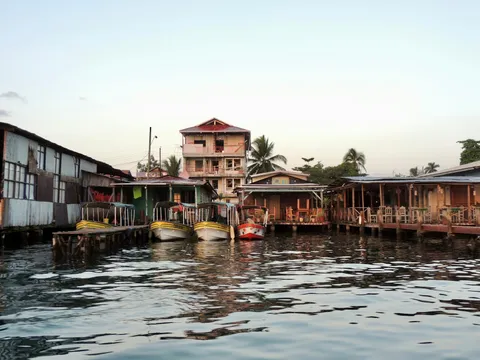 Bocas del Toro2 experiences
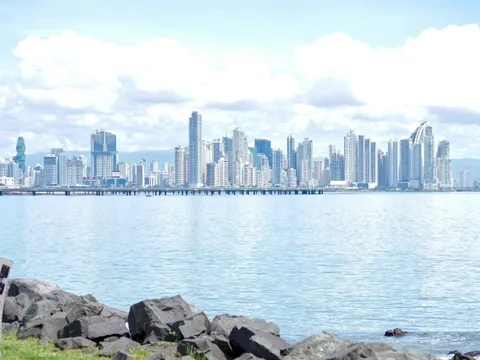 Panama2 experiences
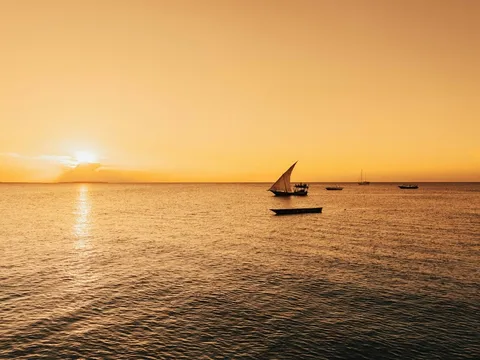 Zanzibar38 experiences
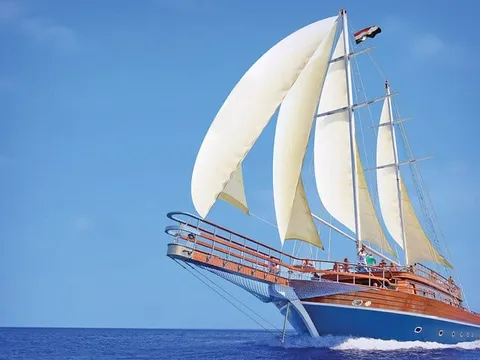 Hurghada6 experiences
 Sharm el-Sheikh5 experiences
 Marsa Alam3 experiences
 Dahab1 experience
 Phuket8 experiences
 Dubai1 experience
- All port guides →
Frequently asked questions about the Algarve
What should you do on your first trip to the Algarve?
Start on the Lagoa and Lagos coast: Praia da Marinha, the Benagil cave (see the 2026 access rules for the Benagil cave) and Ponta da Piedade. Go on to Vilamoura, with its marina opened in 1974, and the Ria Formosa, a natural park since 1978, and finish at Sagres and Cape St. Vincent, the southwesternmost point of mainland Europe.
What are the best tours in the Algarve?
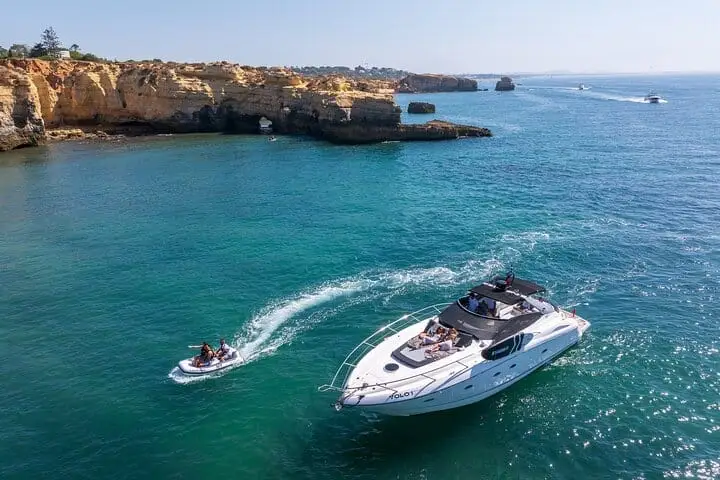
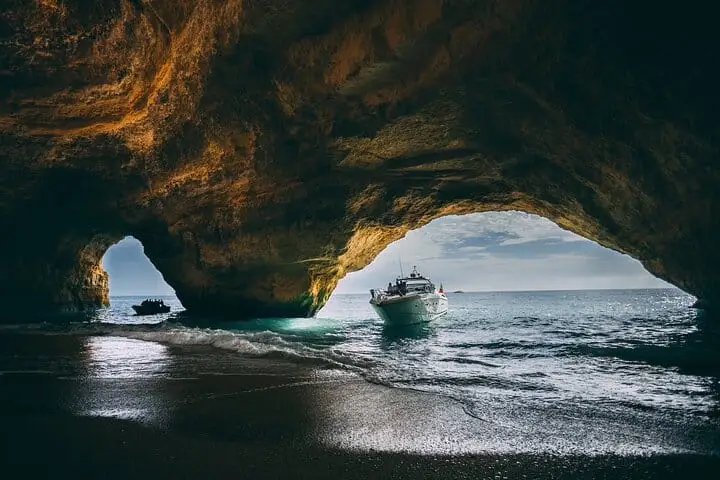
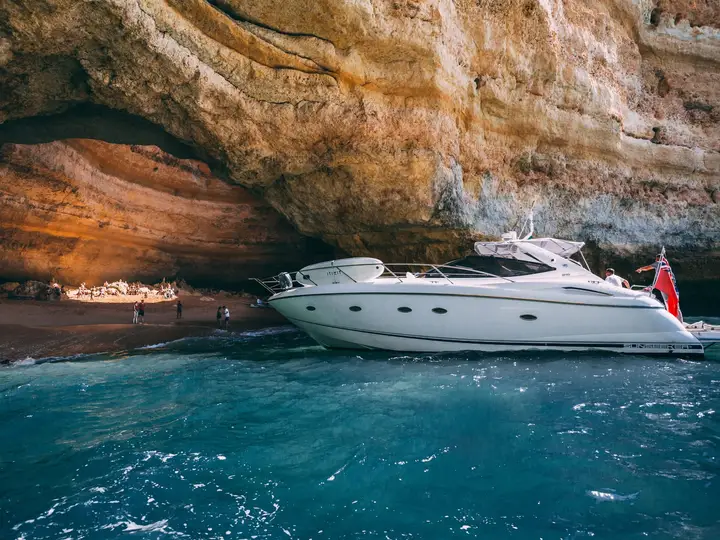
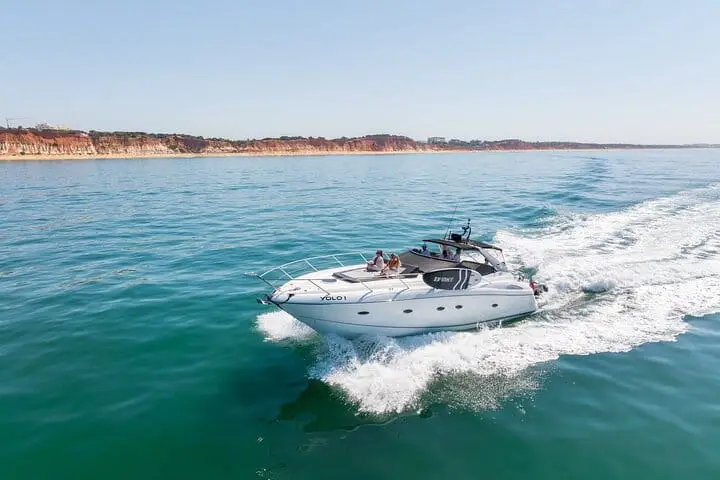
The Algarve is explored by car along the coast and mountains, on foot in the Ria Formosa and along the cliffs, and from the sea, which lets you see the caves and rock formations of the coastline up close. To get out on the water, see all the boat experiences in the Algarve, which leave from Vilamoura.
What hidden gems are there in the Algarve?
- Silves: the former capital of the Kingdom of the Algarve (1249–1910), with its castle and Gothic cathedral, about 15 km from the coast.
- Tavira: about 28 km east of Faro, with 37 churches and the Ilha de Tavira, a sandbar reached by ferry.
- Ria Formosa: barrier islands such as Armona, Culatra, Cacela or Barreta, and a stopover for about 30,000 birds a year.
- Sagres: its fortress, linked to Prince Henry the Navigator, who received these lands in 1443.
How long should you spend in the Algarve?
The region has about 205 km of coastline, so a week lets you combine three stretches: the west (Lagos and Sagres), the centre (Vilamoura, Albufeira and the Lagoa coast) and the east (Tavira and the Ria Formosa). With a weekend, stay in one stretch.
What is there to eat in the Algarve?
Fish and seafood rule: sardines, squid, sole, gilt-head bream and oysters are among the region’s main fishery products. Typical dishes include clams cooked in a cataplana, a copper pan of Arab origin, and grilled sardines, which have their own festival in Portimão every August. Figs, almonds, oranges and carobs go into sweets such as dom rodrigo or morgado, and into almond liqueur and fig or arbutus (medronho) spirits. Always ask for the fish of the day.
What is the best way to get around the Algarve?
A rental car gives the most freedom: the A22 motorway (Via do Infante) runs along the coast from Lagos to the Guadiana International Bridge, and it is tolled. From Faro bus station there are connections to most Portuguese cities and to many Spanish destinations. Check lines and timetables, as they change.
When is the best time to visit the Algarve?
The climate is Mediterranean, with hot, dry summers and mild, wet winters; summer highs on the eastern coast are around 29–30 °C, and the sea reaches about 20–21 °C in summer against about 15–16 °C in winter. Sunshine hours are very high (from about 2,600 to over 3,100 a year depending on the area and the source). Spring and autumn are a good alternative to high summer.
What are the best beaches in the Algarve?
The coast is split into Barlavento (the west, more exposed to the Atlantic) and Sotavento (the south coast, more sheltered and the most touristy). In Lagoa you will find Praia da Marinha and Benagil beach; in Lagos, Meia Praia, one of the largest open bays in Europe with calm water, and Praia Dona Ana, among rock formations; and in the east, the beaches of the Ilha de Tavira, reached by ferry.
What festivals and events are there in the Algarve?
Among the events promoted by the official tourism bodies:
- Loulé Carnival, a parade known for political and social satire, with floats, samba schools and cabeçudos.
- Festival MED, in Loulé: world music in the historic centre, in June.
- Festival da Sardinha, in Portimão, in August, with food and music by the river.
- FATACIL, in Lagoa, a big late-August fair with agriculture, crafts, food and concerts.
- Festival do Marisco, in Olhão, showcasing shellfish from the Ria Formosa.
- Medieval Fair of Silves, by the castle, and Loulé’s Noite Branca, which marks the end of summer.
Months follow recent editions; exact dates change every year, so check the local tourism agenda.
Algarve: what are the best escapes?
- Lagos and Sagres, at the far west, with Ponta da Piedade, the fortress and Cape St. Vincent (about 6 km from Sagres).
- Tavira and the Ria Formosa, to the east.
- Silves, with its castle and cathedral.
- Serra de Monchique, where the Fóia peak reaches 902 m.
- Huelva (Spain), across the Guadiana.
What outdoor activities are there in the Algarve?
The Ria Formosa is a good place for birdwatching, with about 30,000 birds observed a year, and for walking among lagoons and islands. Golf is a classic: Vilamoura has five courses and the region has a whole network of them. Inland, the Serra de Monchique, with more rain than the coast, offers a greener, cooler landscape.
How do you visit the Ria Formosa?
According to ICNF, the Ria Formosa is the largest wetland in southern Portugal, with more than two hundred bird species. It can be explored by land and by water: Culatra Island can only be reached by boat from Olhão and motor vehicles are not allowed; Ilha Deserta (Barreta), home to the southernmost point of mainland Portugal, is reached by boat from Faro and has an easy circular trail of about 3 km (about 2 hours) from the pier. On the mainland, the São Lourenço trail is an easy loop of about 3 km with bird hides, and the Marim environmental education centre, near Olhão, is the park’s visitor base. Island boats vary by season: confirm departures with the operators or ICNF.
Algarve: what are the best things to do with children?
The official tourism site highlights several family plans: Lagos Zoo (more than 140 species and a farm with animals), Zoomarine, near Albufeira, with marine animals and water attractions, and water parks such as AquaShow, near Quarteira, Aqualand, in Alcantarilha, and Slide & Splash, in Estombar (Lagoa). For the more adventurous, Parque Aventura Lagos has treetop courses with zip lines. Calm-water beaches such as Meia Praia, and a boat trip, round off the plan. Check season and opening times at each park.
How do you get to the Algarve?
The gateway is Faro airport, about 4 km west of the city, with buses (lines 14 and 16) to Faro bus station. Albufeira is about 45 km from Faro and about 250 km from Lisbon. Always confirm distances, journeys and transport from the airport to your accommodation.
