
Boat trips and experiences in Amsterdam
4 experiencesPort guide →All of Netherlands →
⏱ 3 h 30 min · 👥 up to 10
Amsterdam Walking Tour and Cruise with Drinks and Cheese
from €49.50 / person
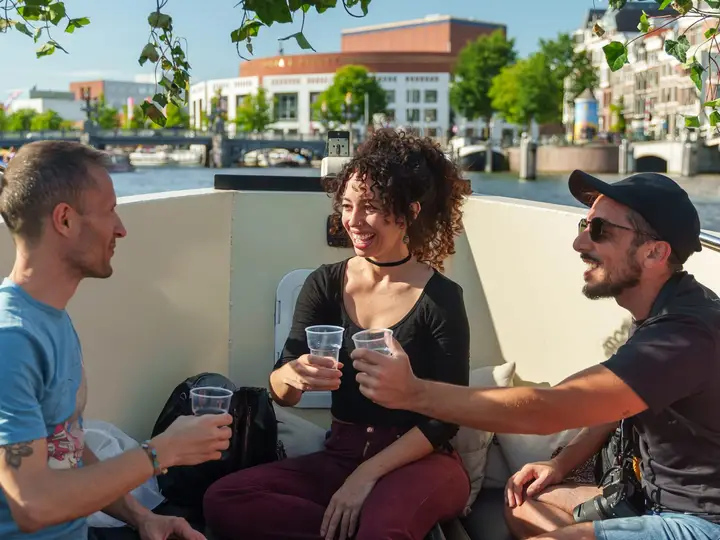
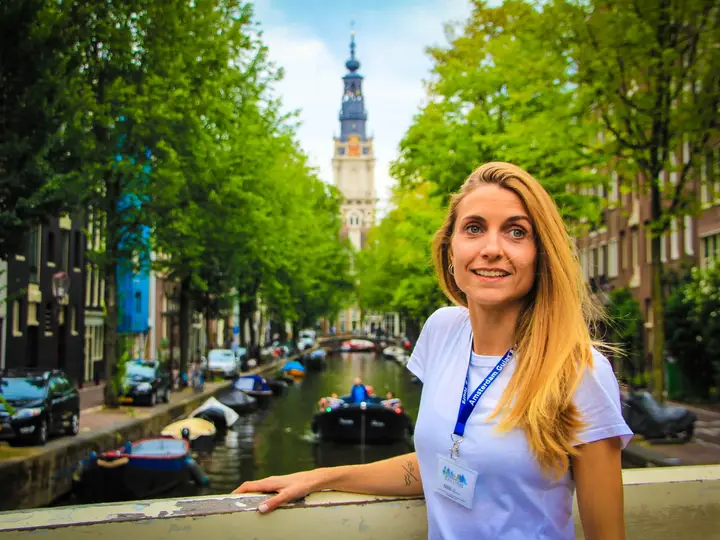
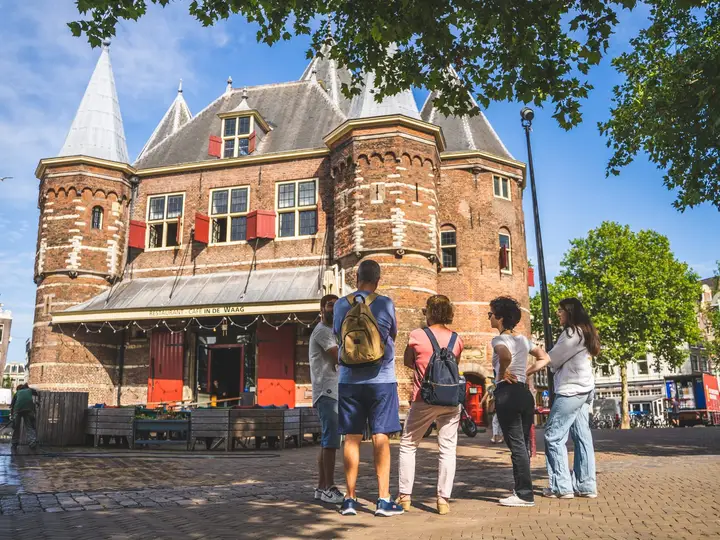
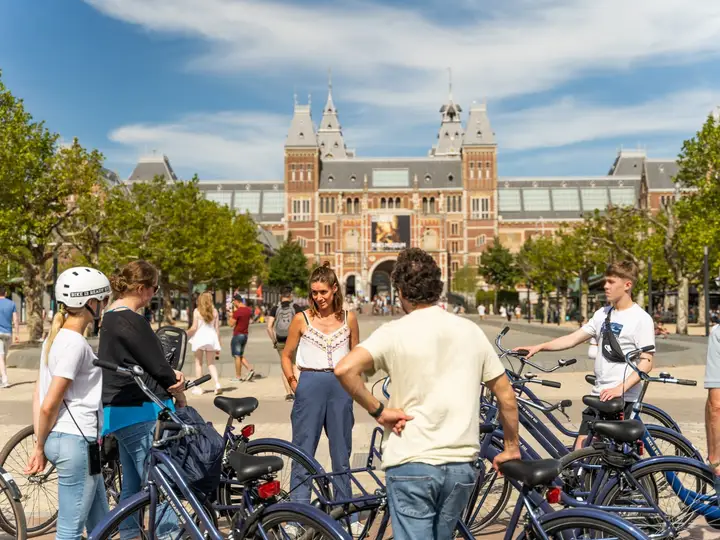
No experiences match these filters. Try another port or type.
From the blog
Guides and news
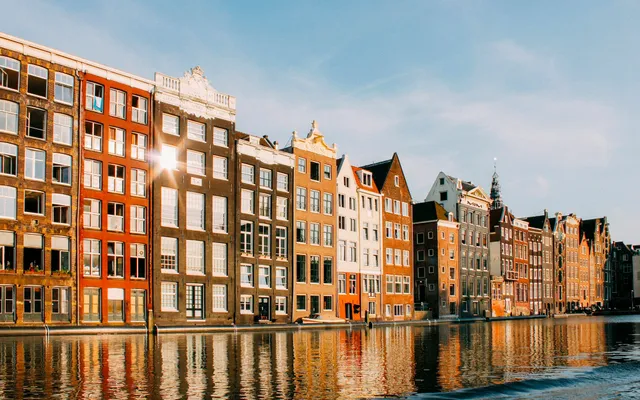
 Destinations · 27 October 2026 · 5 minBarcelona from the sea: sailing from Port Olímpic
 Destinations · 27 October 2026 · 5 minAlbufera at sunset: a boat ride from Valencia
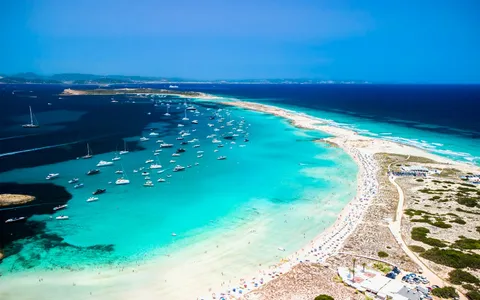 Destinations · 27 October 2026 · 5 minIbiza and Formentera by boat: anchoring and posidonia
 Destinations · 26 October 2026 · 5 minEstepona to Sotogrande by bus (M-240): times and fares
More places to sail
Every destination has its own guide and its own trips.
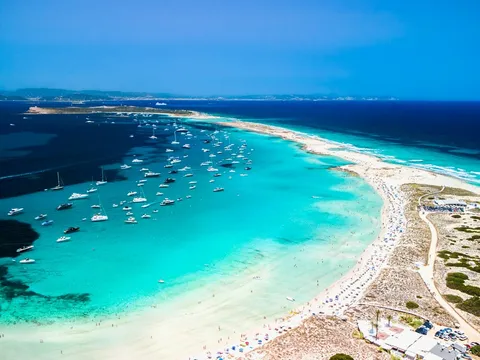 Ibiza4 experiences
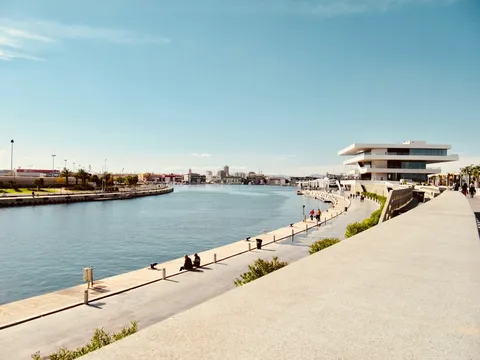 Valencia3 experiences
 Athens5 experiences
 Ithaca4 experiences
 Zakynthos1 experience
 Paros1 experience
 Crete1 experience
 Split5 experiences
 Reykjavík1 experience
 Grand Cayman7 experiences
 Montego Bay6 experiences
 Belize3 experiences
 Cartagena3 experiences
 Puerto Plata2 experiences
 St Maarten1 experience
 Cabo San Lucas18 experiences
 Cancun13 experiences
 La Paz5 experiences
 Cozumel4 experiences
 Puerto Vallarta3 experiences
 Bacalar3 experiences
 Tulum2 experiences
 Loreto1 experience
 Puerto Morelos1 experience
 Mahahual1 experience
 Costa Rica3 experiences
 Zanzibar7 experiences
 Hurghada6 experiences
 Sharm el-Sheikh5 experiences
 Marsa Alam3 experiences
 Dahab1 experience
 Phuket8 experiences
 Dubai6 experiences
- All port guides →
Frequently asked questions about Amsterdam
What should you see in Amsterdam on a first visit?
Amsterdam is easy to explore on foot, and each area has its own character. Good places to start:
- The 17th-century canal ring (Herengracht, Keizersgracht and Prinsengracht), inscribed by UNESCO on the World Heritage List in 2010 as the “Seventeenth-Century Canal Ring Area of Amsterdam inside the Singelgracht”.
- The big museums: the Rijksmuseum, the Van Gogh Museum and the Anne Frank House (see the question about tickets).
- Dam Square and the Royal Palace, in the old centre.
- Vondelpark and Museumplein, for a green break between museums.
Set aside time to see the city from the water as well. One option is the 1-hour canal cruise on an open boat; if you would rather start with a walk, have a look at the walking tour with a canal cruise. Each page shows the languages and departures available.
When is the best time to visit Amsterdam?
The climate is temperate and oceanic, and it rains in every month. According to KNMI averages (the Dutch weather institute, Schiphol station) as reported by a travel website, monthly mean temperatures, day and night together, run from about 3 °C in January to about 17.5 °C in July and August; April is the driest month, and October, November and August the wettest. These are approximate figures from a 2019 article.
- Spring: Keukenhof, the bulb park in Lisse, is open from 18 March to 9 May 2027; check the park’s website and buy tickets online.
- Summer: from May to July the days are very long, with sunrise before 6 am and sunset around 10 pm.
- Winter: the Amsterdam Light Festival holds its 15th edition from 26 November 2026 to 17 January 2027, with light artworks you can see on foot or by boat. Confirm dates and times on the official website. Our 1-hour canal cruise does not follow the festival’s official route.
Separately, 27 April is King’s Day (see the next question).
What is King’s Day, and how does it affect a visit?
Koningsdag is held every 27 April, the king’s birthday; in 2027 it falls on a Tuesday. It is one of the most colourful festivities in the Netherlands, and in Amsterdam the city fills with orange, music, street markets and crowds on the canals.
- Crowds: according to the official tourism website, expect very large crowds; driving is discouraged and traffic in the city centre is usually heavily restricted from 07:30.
- Public transport: it runs with limitations; check the city’s guide and the NS timetables before you move around.
- Alcohol: you may carry only one alcoholic drink at a time in the street, and alcohol is generally banned on trains and at stations from 19:00 the evening before until 05:00 the day after.
- Boats: the maximum speed on the canals is 6 km/h and drinking alcohol while sailing is prohibited. Boats sell out early, and the official website itself recommends booking ahead for that date.
If you would rather avoid the crowds, plan your visit for another date.
How do you get from Schiphol Airport to Amsterdam?
The train is the simplest option: it takes 14 to 17 minutes from Schiphol to Amsterdam Centraal, according to the city’s official tourism website. Centraal is the main station, and from there you can take trams, the metro, buses and the free ferries to the north.
Public transport is cashless: you can pay with a contactless bank card or a phone. For exact times on your day, use the NS journey planner or the 9292 app. Buses and taxis are also available; check journey times and fares before you travel.
How do you get around Amsterdam?
The centre is compact and easy on foot, but public transport helps with longer distances:
- Tram: it covers most of the city, except Noord and NDSM, and many lines pass through Centraal.
- Metro: four lines from Centraal; it is often the fastest way to Zuidoost, Amstelveen and Noord. Stations have gates, so you check in and out.
- Bus: it reaches every neighbourhood and the wider region.
- Free ferries across the IJ to Noord for pedestrians, cyclists and mopeds; the busiest runs from Centraal to Buiksloterweg.
To pay, you simply tap a contactless bank card or a phone (OVpay) when you board and when you get off; on GVB lines the daily total is capped. There are also GVB day and multi-day tickets and the I amsterdam City Card. Check current conditions and fares on the GVB website.
What are the rules for cycling in Amsterdam?
Amsterdam is built for bikes, but it helps to know the rules (according to the city’s official tourism website):
- Ride in the bike lane on the right, marked by white lines and the bike symbol; not on pavements or pedestrian streets.
- Obey traffic lights and signs.
- Cross tram tracks at a sharp angle so your tyres do not get caught in the rails.
- Use front and rear lights after dark; the law requires it.
- Signal turns with your arm and do not ride more than two abreast.
- Park only in bike racks, because badly parked bikes can be removed, and lock your bike to something fixed.
- Pull over to answer your phone or check the map.
If you prefer to go with a guide, the bike tour with a canal cruise requires that you can ride a bike and has a minimum age of 10; check the conditions on its page.
Do you need to book museum tickets in advance?
The most visited museums use timed entry, so it pays to book before you arrive:
- Anne Frank House: you can only enter with a ticket bought online for a specific time slot; none are sold at the door. Every Tuesday at 10:00 (Central European Time) tickets go on sale for a visit six weeks later. They cannot be exchanged or refunded.
- Rijksmuseum: it asks you to book a start time online for every visit, including with a Museumkaart; at the entrance tickets are sold only subject to availability.
- Van Gogh Museum: also timed; according to the official tourism website, depending on the season you can book roughly two to four weeks ahead, so do not leave it to the last minute.
Always check each museum’s website for current opening hours, prices and conditions.
Is there a tourist tax in Amsterdam?
Yes. Accommodation providers (hotels, hostels, apartments, B&Bs and similar) pass a municipal tourist tax on to guests for each night. In 2026 it is 12.5% of the overnight price excluding VAT, according to the city council. The new city administration has announced it wants to raise it (to 16% next year, then one point a year up to 20%), but according to the Dutch press this is a plan, not an adopted measure.
Check your booking to see whether the tax is included and which percentage applies on your dates.
How do you pay in Amsterdam, do you tip, and do people speak English?
Payments: public transport is cashless, and paying by card is the norm in the city; even so, carry some euros in cash in case a small place does not accept your card.
Tipping: it is not compulsory, because service is usually included in the prices. In a restaurant, if the service was excellent, people usually leave 5–10% directly with the server; in cafés and taxis, rounding up is enough.
Language: the official language is Dutch, but English is very widely spoken: the EF English Proficiency Index ranked the Netherlands first in its 2025 edition.
What rules should you follow in central Amsterdam?
The city asks visitors to respect residents. According to the municipality’s official guide (“How to Amsterdam”):
- Drinking alcohol in the public areas of the centre is banned and can lead to a fine; smoking cannabis in the street is banned too.
- Pub crawls are banned.
- Guided tours are not permitted in the Red Light District.
- Fines for nuisance range from 100 to 650 euros; resistance, violence or extreme misbehaviour can lead to arrest.
Mind your voice, put your rubbish where it belongs, and note that some zones have a specific alcohol ban, even on the stoop of your own front door; check the council’s up-to-date map.
What can you do in Amsterdam when it rains?
It rains in every month, so it helps to have a plan B. The official tourism website suggests:
- Museums: the Rijksmuseum (a huge collection, with a café and restaurant inside), NEMO (five floors of hands-on science) and more than a hundred museums and galleries.
- Brown cafés (bruine kroegen), traditional bars with wood-lined interiors.
- Covered markets and venues, such as the Foodhallen at De Hallen, and shops such as De Bijenkorf or Magna Plaza.
- A canal cruise on a glass-ceilinged boat.
On our 1-hour cruise the boat has a protective canopy for rain that keeps the panoramic views; see its page for details.
What day trips can you take from Amsterdam?
- Zaanse Schans: a windmill village on the River Zaan, about 20 minutes north of Amsterdam. Entry to the village is free; the windmills and some museums charge separately. You get there by bus or by train to Zaanse Schans station, and parking is limited.
- Haarlem: the Dutch tourism website suggests it as a day trip, with plenty of history and culture.
- Keukenhof, in Lisse: open from 18 March to 9 May 2027; tickets are bought online.
- Fort Pampus: an artificial island and former sea fort reached by ferry.
- Utrecht: a cosier alternative, according to the same website.
For trains and buses, plan the journey with NS or the 9292 app.
What can you do in Amsterdam with children?
The official tourism website suggests, among other things:
- ARTIS, a historic zoo with buggy-friendly paths and a planetarium.
- NEMO, a science museum with five floors of hands-on exhibits.
- Vondelpark and Amstelpark, with play areas; the second is quieter and has a children’s train and a petting zoo.
- The Pannenkoekenboot, a boat on the IJ with unlimited pancakes and a ball pit.
- WONDR, an interactive play maze; you reach it on the free ferry from Centraal.
Boats and guided tours have their own age limits and conditions (the bike tour, for example, has a minimum age of 10): check the page of each trip before you book.
Is Amsterdam accessible for visitors with reduced mobility?
It depends on the place. The historic centre has cobblestones (the official tourism website itself mentions those of Dam Square), and heritage rules limit the accessibility of some older buildings. Even so, many museums are accessible, according to the official website:
- The Rijksmuseum has lifts, an accessibility floor plan, a wheelchair loan service and a Changing Places toilet.
- The Van Gogh Museum has lifts and accessible toilets.
- The Museum of the Canals (Grachtenmuseum) is one of the few accessible canal houses, with a platform lift at a side entrance.
- The Royal Palace has a ramp.
On the water, the official website warns that not all boat companies have wheelchair-accessible vessels, and that the light festival route crosses bridges and uneven pavement: ask before booking. If you have questions about one of our departures, contact us before you book.
