
Boat trips and experiences in Akureyri
2 experiencesPort guide →All of Iceland →
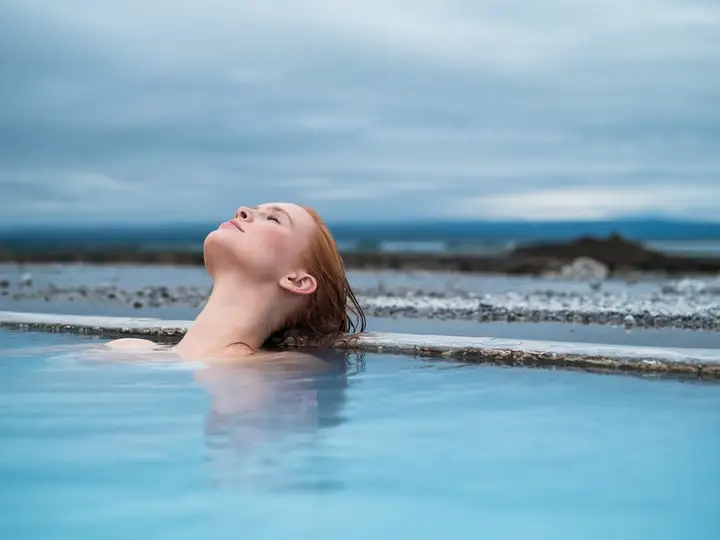
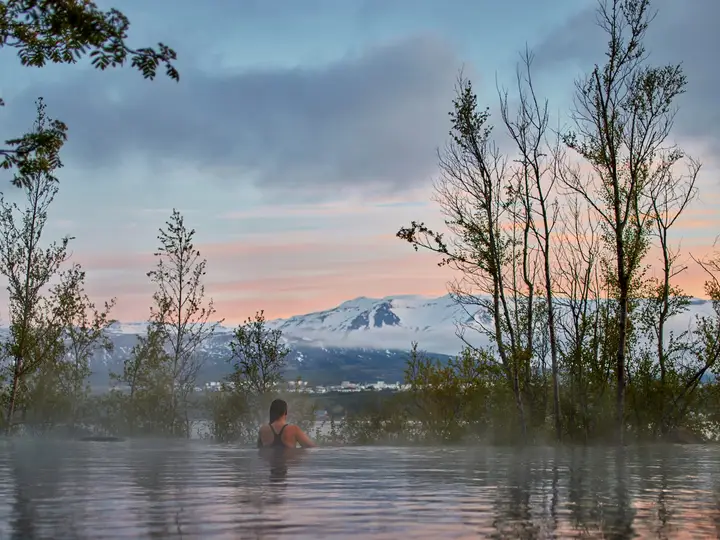
No experiences match these filters. Try another port or type.
From the blog
Guides and news
 Destinations · 27 October 2026 · 5 minBarcelona from the sea: sailing from Port Olímpic
 Destinations · 27 October 2026 · 5 minAlbufera at sunset: a boat ride from Valencia
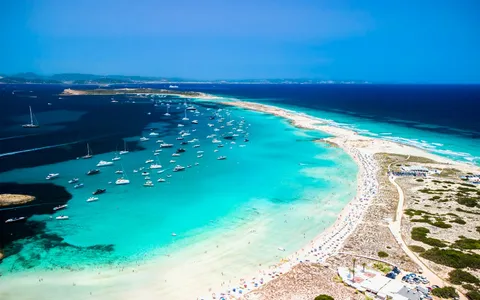 Destinations · 27 October 2026 · 5 minIbiza and Formentera by boat: anchoring and posidonia
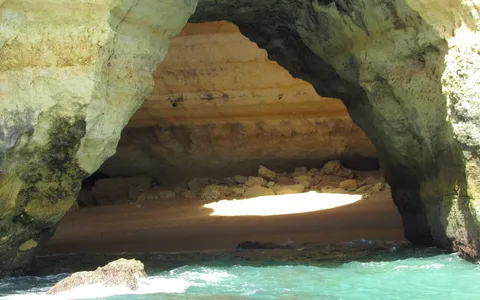 Destinations · 26 October 2026 · 8 minBenagil Cave 2026: Rules and How to Visit It Properly
More places to sail
Every destination has its own guide and its own trips.
 Ibiza4 experiences
 Valencia3 experiences
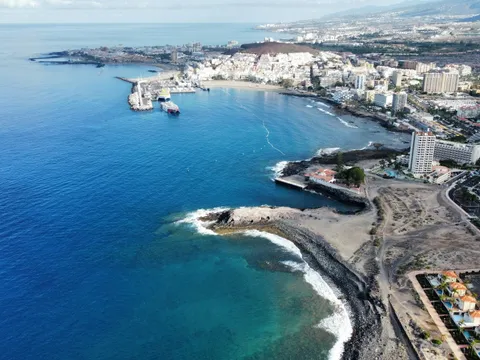 Tenerife2 experiences
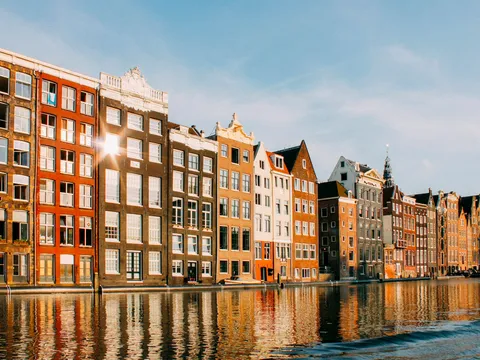 Amsterdam4 experiences
 Athens5 experiences
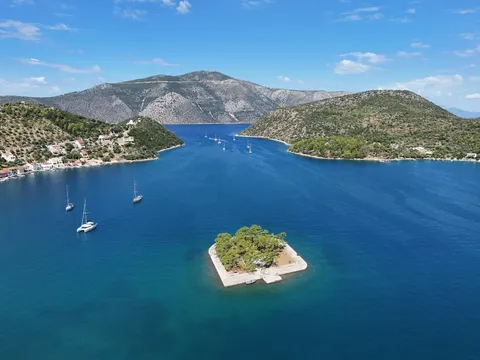 Ithaca4 experiences
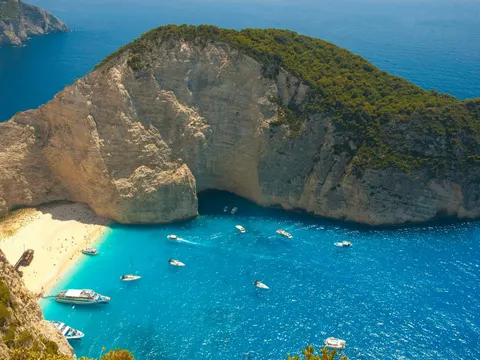 Zakynthos1 experience
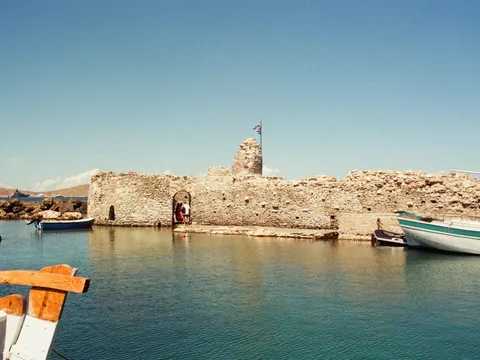 Paros1 experience
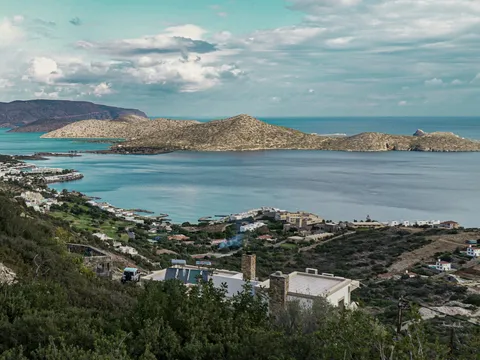 Crete1 experience
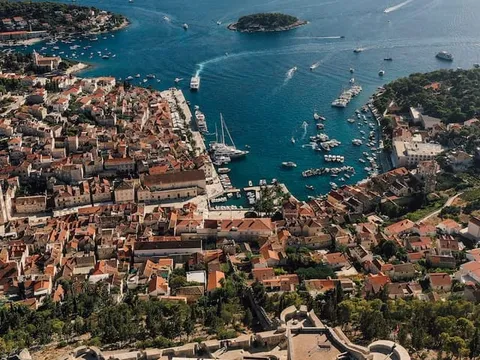 Split5 experiences
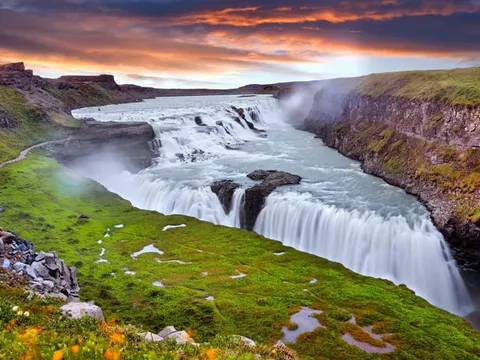 Reykjavík12 experiences
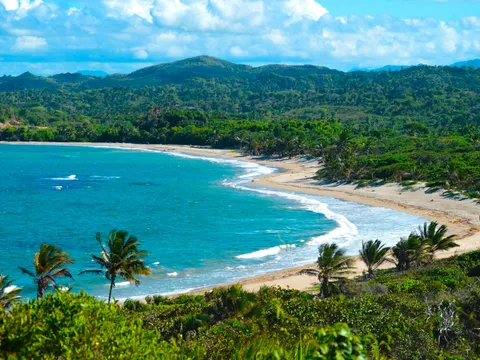 Puerto Plata13 experiences
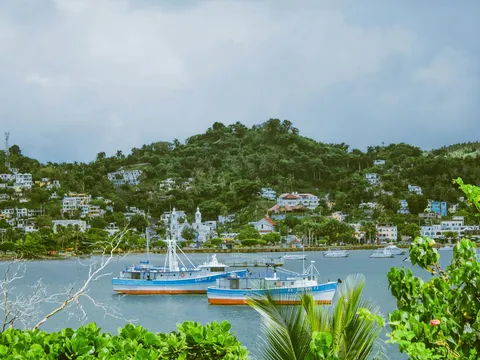 Samaná12 experiences
 Cartagena9 experiences
 Grand Cayman7 experiences
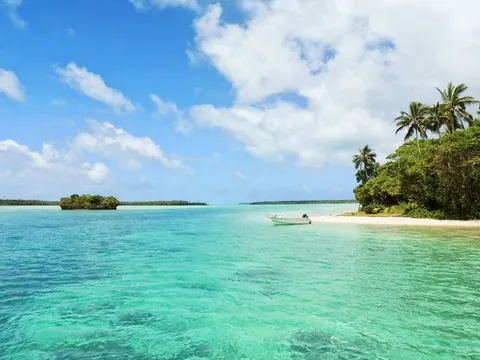 Montego Bay6 experiences
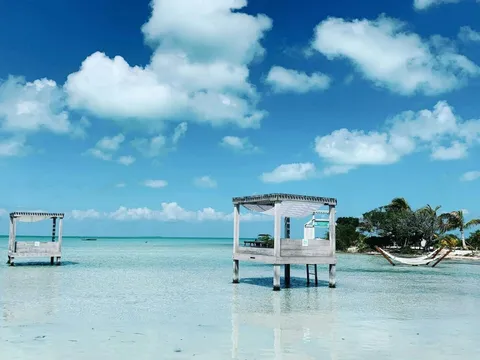 Belize4 experiences
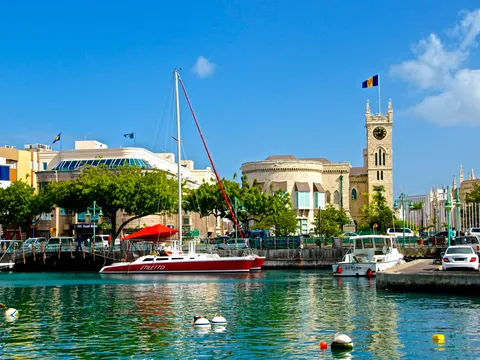 Barbados4 experiences
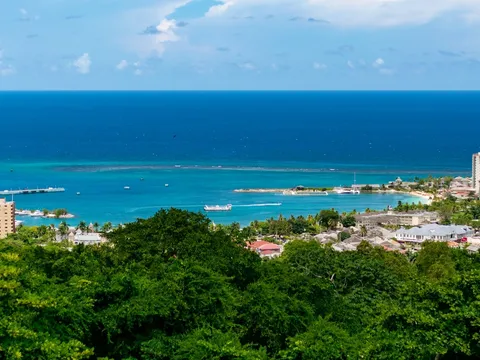 Ocho Rios4 experiences
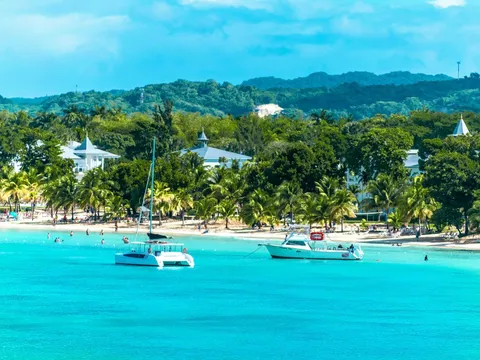 Negril3 experiences
 St Maarten1 experience
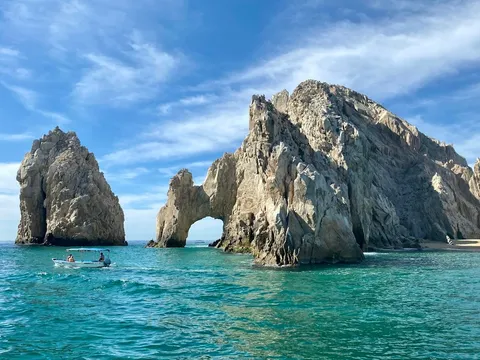 Cabo San Lucas40 experiences
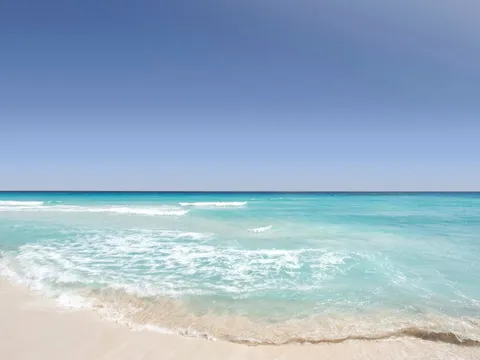 Cancun20 experiences
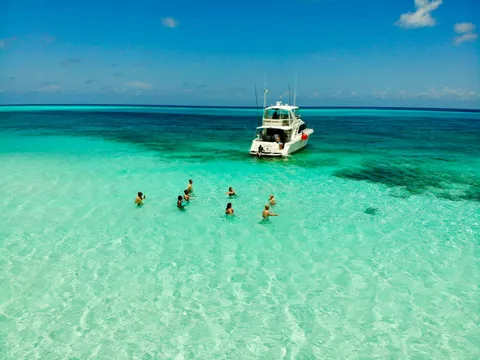 Cozumel10 experiences
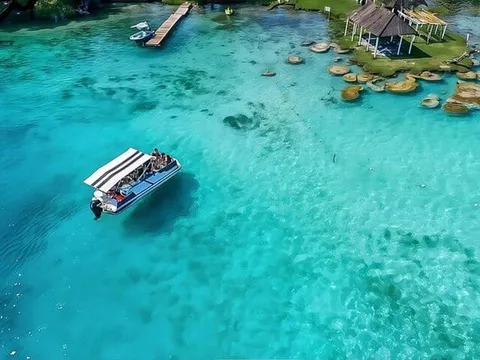 Bacalar6 experiences
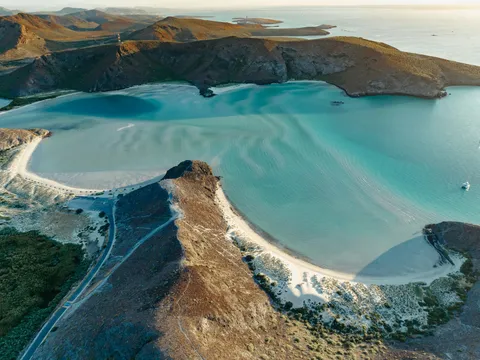 La Paz5 experiences
 Puerto Vallarta3 experiences
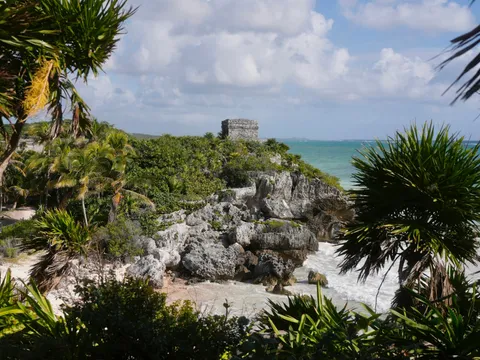 Tulum2 experiences
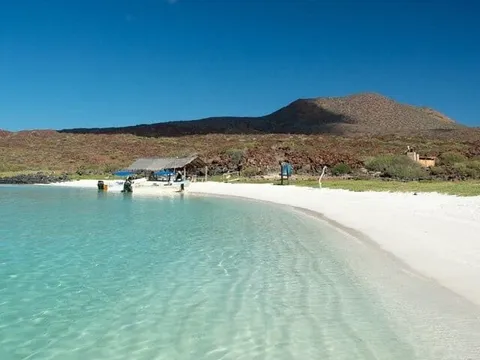 Loreto1 experience
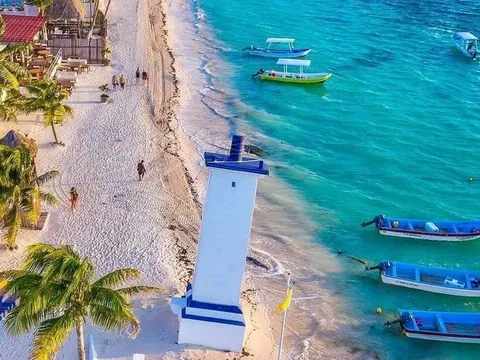 Puerto Morelos1 experience
 Mahahual1 experience
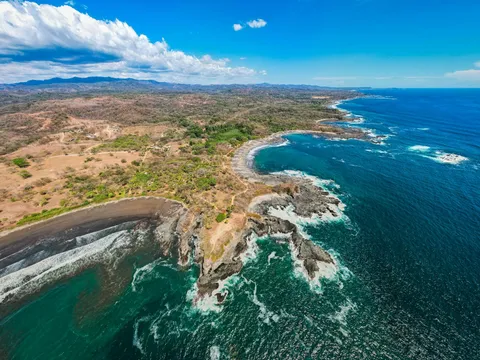 Costa Rica10 experiences
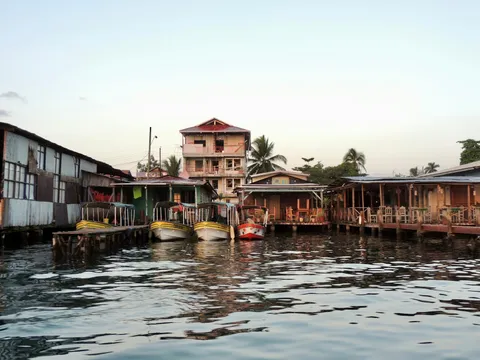 Bocas del Toro2 experiences
 Panama2 experiences
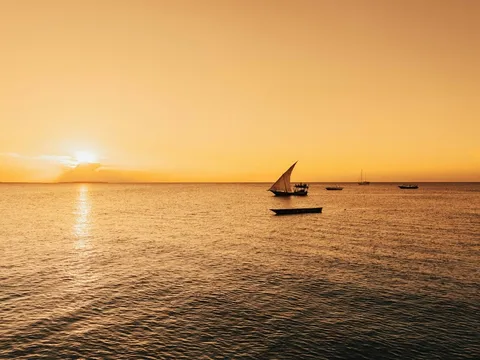 Zanzibar22 experiences
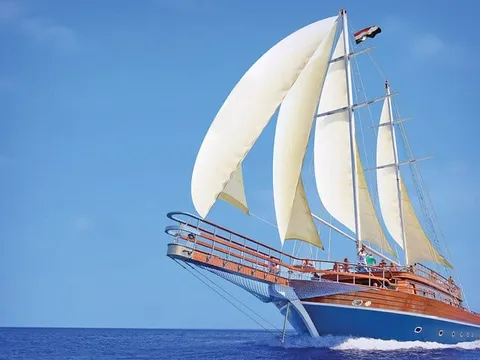 Hurghada6 experiences
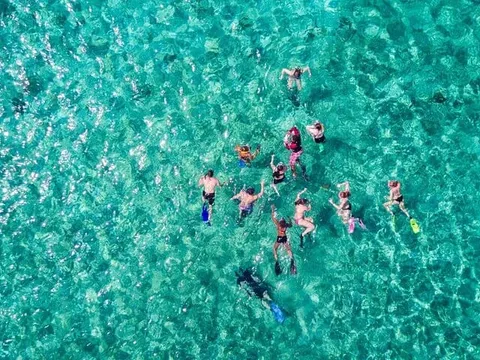 Sharm el-Sheikh5 experiences
 Marsa Alam3 experiences
 Dahab1 experience
 Phuket8 experiences
- All port guides →
Frequently asked questions about Akureyri
What is the weather like in Akureyri and when is the best time to go?
Akureyri has a cool maritime climate. According to Wikipedia's climate table, the July average is 11.2 °C and the January average is -0.5 °C, with about 574 mm of precipitation a year and about 1,051 hours of sunshine, almost none of it between November and February.
- Summer has the longest days and the mildest weather. Exact midnight-sun dates differ between sources, so check a daylight calendar for your date.
- Spring and autumn are cooler and changeable. Our departures from Akureyri start in April 2027.
- Winter is cold and dark. The Northern Lights belong to the darker months and none of our trips is built around them.
The weather in the north can change fast, so bring warm, wind- and waterproof layers whatever the month.
How do I get from Reykjavík to Akureyri?
Akureyri is about 390 km from Reykjavík by road, on Route 1 (the Ring Road). There are three ways to do it:
- Plane: Icelandair flies between Reykjavík and Akureyri several times a day, a flight of roughly 40 minutes according to Visit Akureyri. Some seasonal international flights also land at Akureyri.
- Car: from Keflavík, driving takes 4.5 to 6 hours, depending on the stops. The Ring Road is open all year, but bad winter weather can close stretches for a while: check road.is and safetravel.is.
- Bus: long-distance buses run by Strætó mostly pass through Akureyri airport and stop at the Hof cultural centre. Check timetables with the operator.
This guide is for the north. For the south-west, the capital and the Golden Circle, see our Reykjavík guide.
How many days should I spend in Akureyri?
Our suggestion, not an official figure: one day is enough for one of our trips, which last 5 or 6 hours and start at the cruise terminal. Two or three days let you add the town (church, Hof, museums, botanical garden) and an island such as Hrísey. If you plan to go as far as Grímsey, count on a full day more.
If you arrive on a cruise ship, the limit is your all-aboard time: compare it with the length of the trip before you book.
What is there to see in the town of Akureyri?
Wikipedia and Visit Akureyri list the town's main sights:
- Akureyri Church (Akureyrarkirkja) and the Hof cultural centre, which hosts concerts and shows.
- The Akureyri Botanical Garden (Lystigarður Akureyrar), whose origins date to 1910. Wikipedia calls it one of the northernmost botanical gardens in the world; it is open all year and free to enter.
- The museums: the Akureyri Art Museum (Listasafnið á Akureyri), the Akureyri Museum (Minjasafnið á Akureyri) and Davíðshús, a house museum that also holds concerts.
The museums and Hof are also a good answer to a rainy day. Check opening hours with each place.
Which day trips can I take from Akureyri?
Several, by coach, boat or air:
- Goðafoss, a waterfall about 12 m high and 30 m wide on the Ring Road, about 45 minutes from Akureyri. It is the first stop of both our trips: Goðafoss and the Mývatn Nature Baths and Goðafoss and the Forest Lagoon.
- Lake Mývatn, further east, formed about 2,300 years ago by a volcanic eruption, with Dimmuborgir, Krafla and the Hverir geothermal area nearby.
- Húsavík, on Skjálfandi bay, within an hour of Akureyri since the Vaðlaheiðargöng tunnel opened in 2019; it has a whale museum by the harbour.
- Hrísey, in Eyjafjörður, about 35 km north of Akureyri: a ferry of about fifteen minutes from Árskógssandur, known for its birds.
- Grímsey, about 40 km off the north coast, crossed by the Arctic Circle: ferry from Dalvík on some days of the week, or flights from Akureyri.
Can I see whales from Akureyri, and when?
Visit Akureyri says Eyjafjörður is one of the best places in Iceland to watch whales: humpbacks are the main attraction and are seen throughout the year, minke whales, dolphins and bottlenose whales are frequently spotted, and some whales have been seen right in front of the town. Boats leave from Akureyri itself, from Hauganes, Árskógssandur and Dalvík (25 to 30 minutes away) and from Húsavík, about an hour away.
Nobody can promise a sighting, and the weather and the sea also decide what a boat can do.
What should I know before bathing in a geothermal pool or visiting a geothermal area?
Pools and spas. In Iceland you wash without your swimsuit before entering any public pool or geothermal spa, and swimsuits are worn in the water. Wash thoroughly, with the soap provided, and shower again when you leave. The Mývatn trip does not include swimsuit hire, so bring your own; for towels, check the trip page.
Geothermal areas. At Hverir, at the foot of Námafjall, there are steaming vents and bubbling mud pools. Visit North Iceland says visitors must remain on the designated paths at all times, and the ground off the paths can be dangerously hot. Expect a smell of sulphur.
The Forest Lagoon trip gives you a couple of hours in a geothermal spa with views over Eyjafjörður; the details of what is on site are on the trip page.
Is it safe to travel around Iceland and what should I check before setting out?
The practical advice from the official and rescue-service sources is short:
- The emergency number is 112, 24 hours a day.
- Safetravel.is, run by the volunteer rescue association ICE-SAR, says conditions can change fast. It has a conditions map, an app and a form to leave a travel plan with someone you trust.
- For roads and forecasts, Visit Iceland points to road.is, vedur.is (Icelandic Met Office) and safetravel.is.
- The Ring Road is open all year but can close locally in bad winter weather, and sheep roam near roads from late spring through summer.
On our trips the guide and the coach take care of the route; the advice above matters most if you also travel on your own.
What about money, language, tap water and plugs?
- Currency: the Icelandic króna (ISK). Visit Iceland says cards are widely used, even in small places.
- Language: Icelandic is the national language, and English is widely spoken.
- Tap water: Visit Iceland describes it as safe to drink.
- Time: Iceland uses GMT all year round.
- Plugs: Visit Iceland's packing advice mentions a Type F adapter; check the voltage of your devices before you travel.
What do I need to enter Iceland, and what about health?
Iceland is a member of the Schengen Area. The rules depend on your nationality and change, so we do not list them: check the official page of the Icelandic authorities, island.is (“Entry requirements to Iceland”), and your own government's travel advice.
Visit Iceland says special vaccinations are not required to enter Iceland, and recommends EEA citizens carry their European Health Insurance Card (EHIC). Medical assistance can be reached on 1770, and 112 is for emergencies.
What is there for children in and around Akureyri?
Our Forest Lagoon trip accepts children from age 2 according to the trip page, and the Mývatn Nature Baths trip from age 6. The days are long (5 to 6 hours, mostly on a coach), so bring snacks and warm layers.
In town, the botanical garden is free and open all year. Further out, the island of Hrísey is a bird sanctuary reached by a short ferry.
