
Boat trips and experiences in Costa Rica
10 experiencesPort guide →All of Costa Rica →
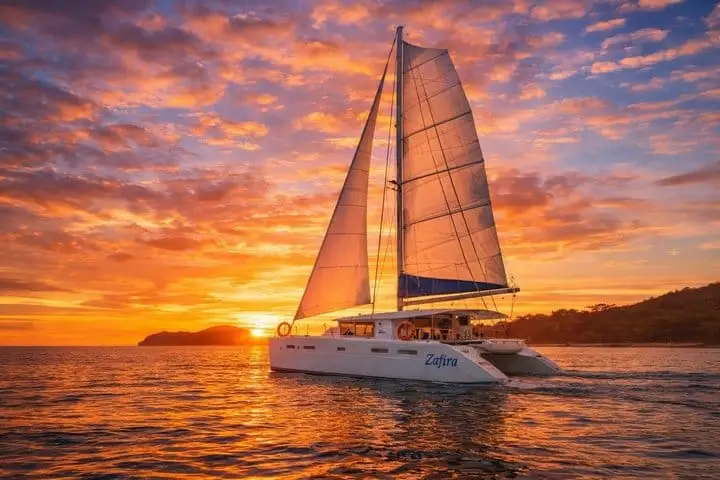
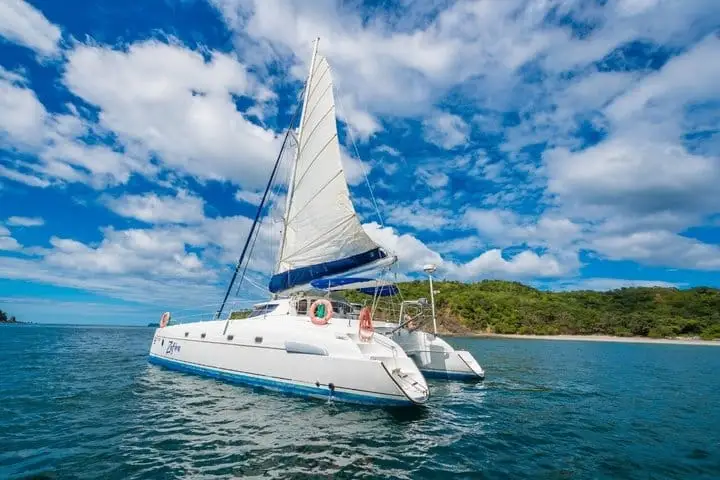
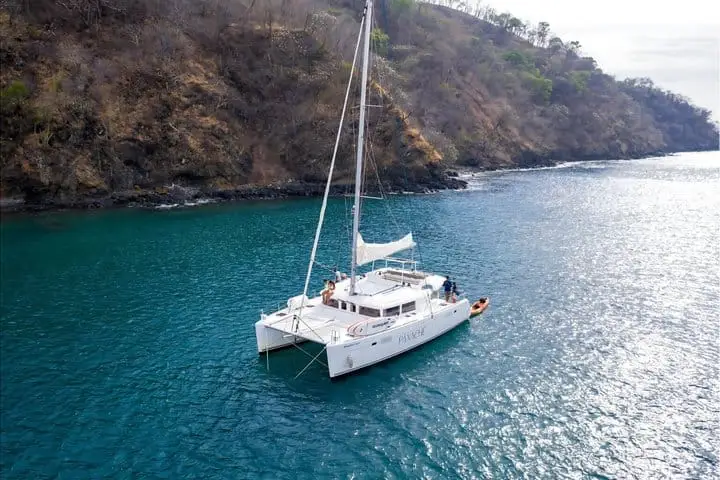
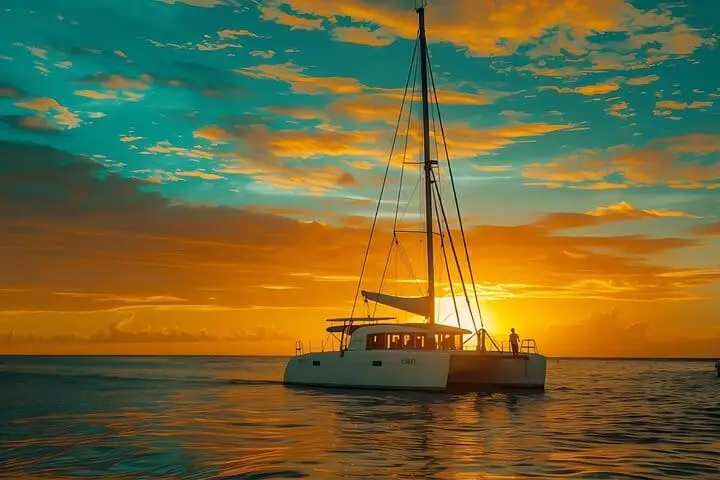
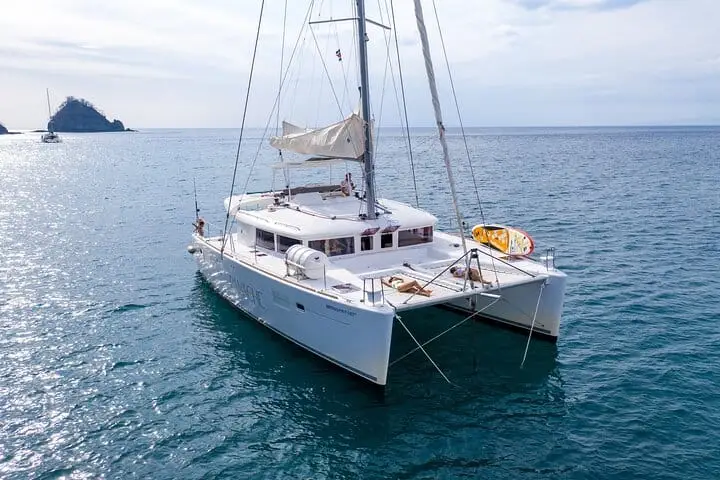
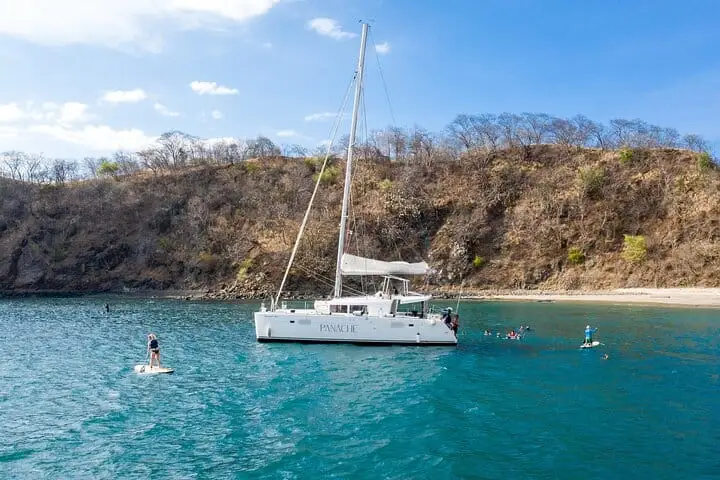
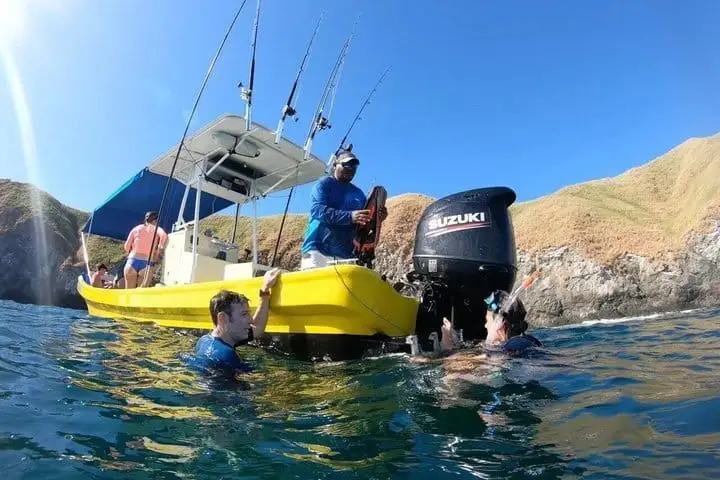
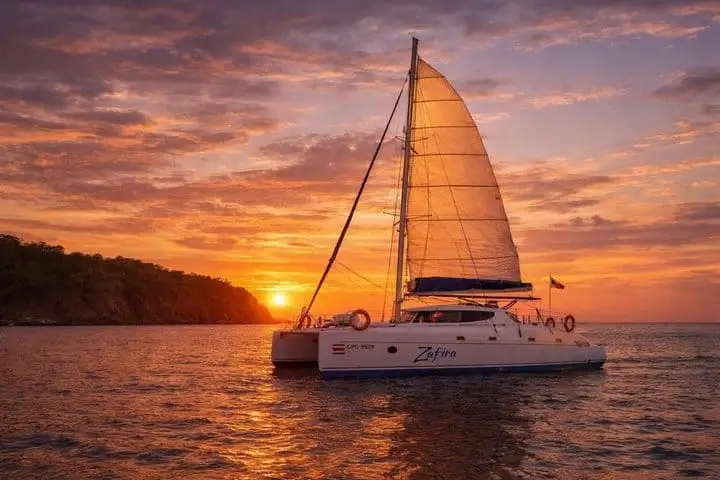
No experiences match these filters. Try another port or type.
From the blog
Guides and news
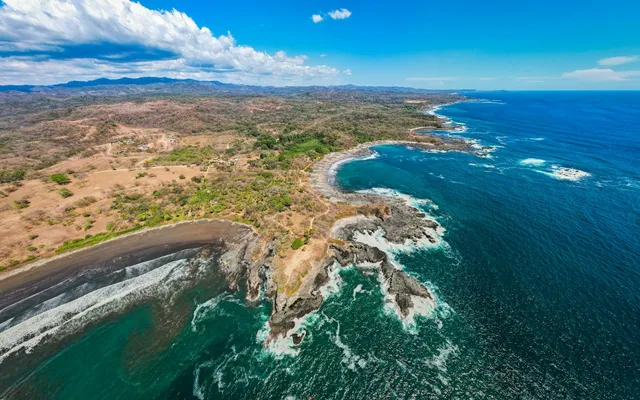
 Destinations · 27 October 2026 · 4 minCatamaran from Playa Flamingo: morning, sunset or snorkel
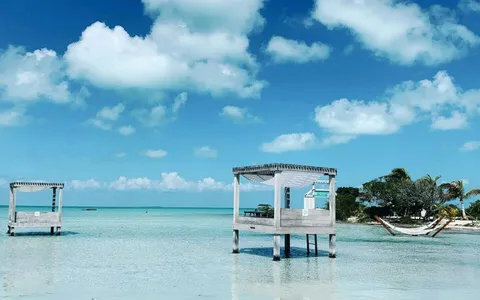 Destinations · 27 October 2026 · 5 minHol Chan and Shark Ray Alley from San Pedro, Belize
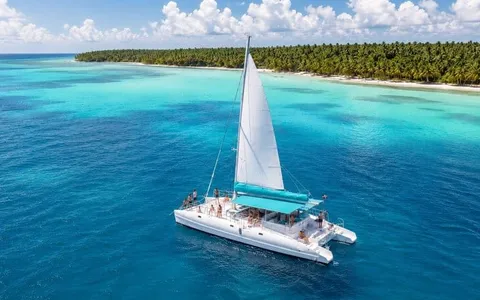 Destinations · 26 October 2026 · 11 minThe Caribbean by Boat: Catamaran and Boat Trip Guide
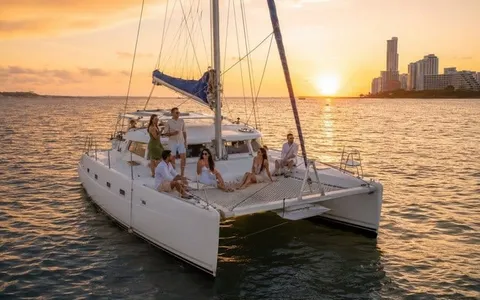 Destinations · 27 October 2026 · 5 minRosario Islands from Cartagena: which tour to choose
More places to sail
Every destination has its own guide and its own trips.
 Ibiza4 experiences
 Valencia3 experiences
 Tenerife2 experiences
 Amsterdam4 experiences
 Athens5 experiences
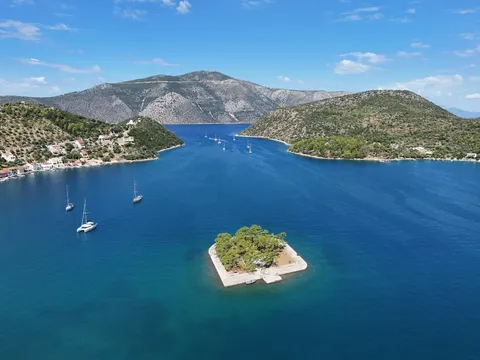 Ithaca4 experiences
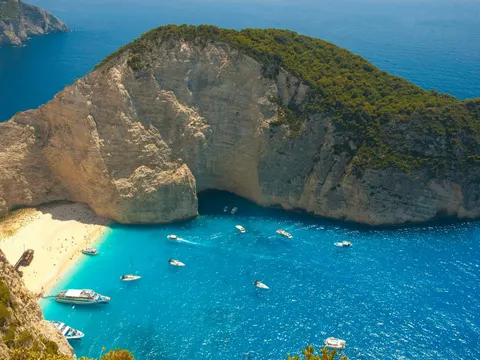 Zakynthos1 experience
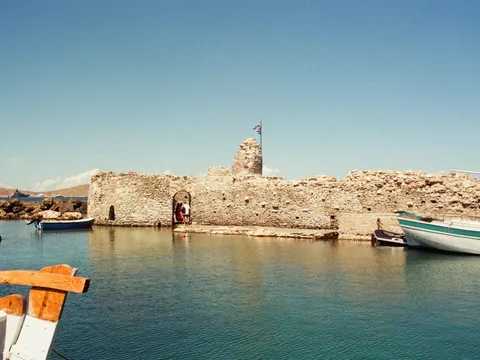 Paros1 experience
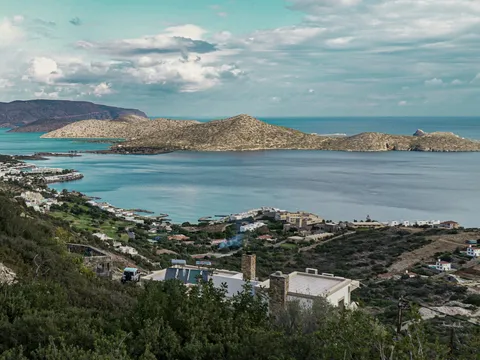 Crete1 experience
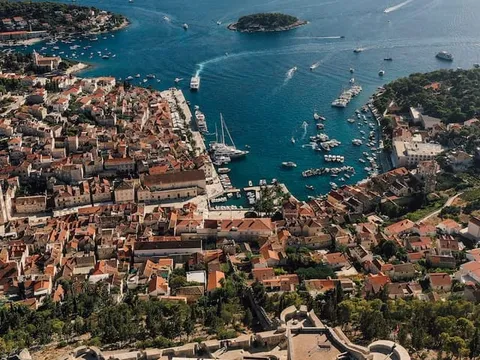 Split5 experiences
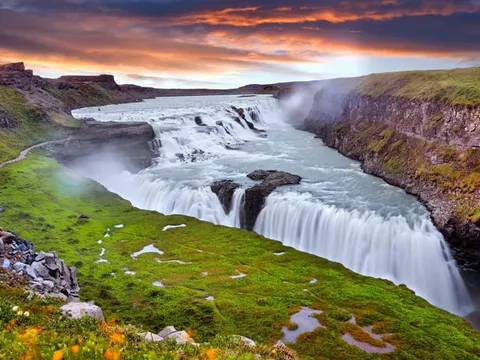 Reykjavík12 experiences
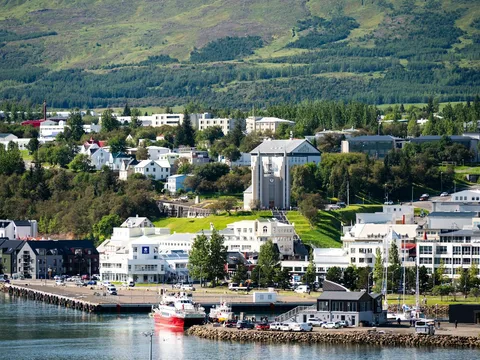 Akureyri2 experiences
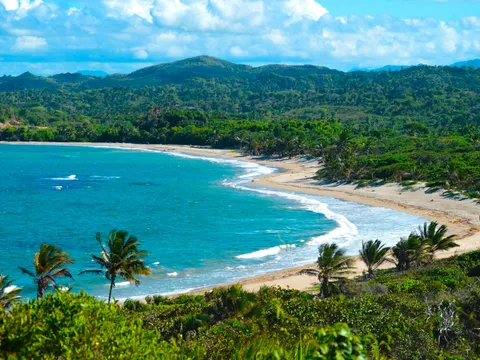 Puerto Plata13 experiences
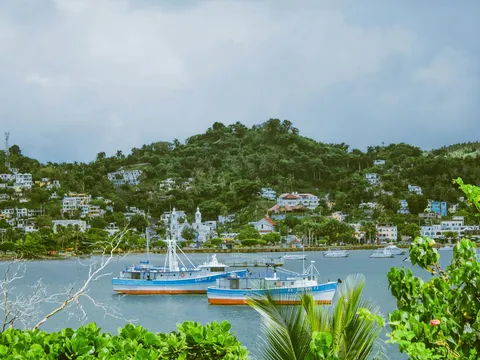 Samaná12 experiences
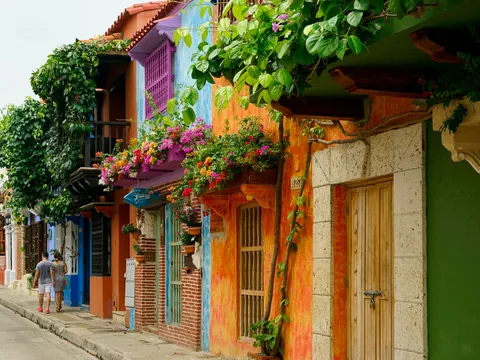 Cartagena9 experiences
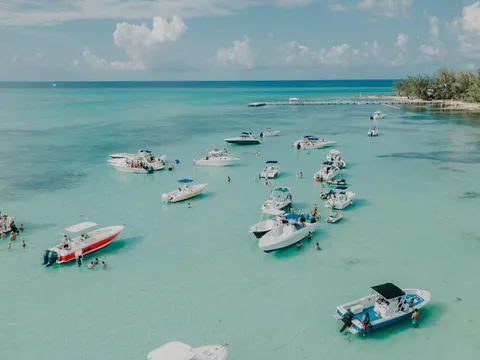 Grand Cayman7 experiences
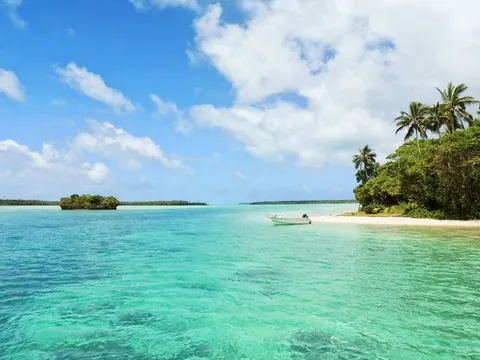 Montego Bay6 experiences
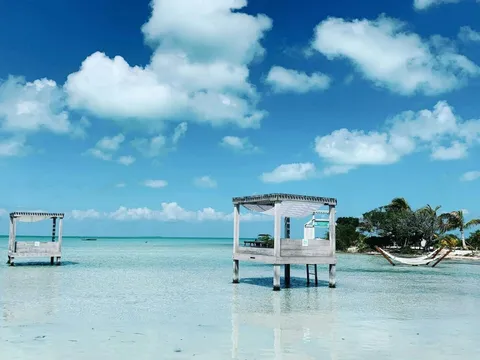 Belize4 experiences
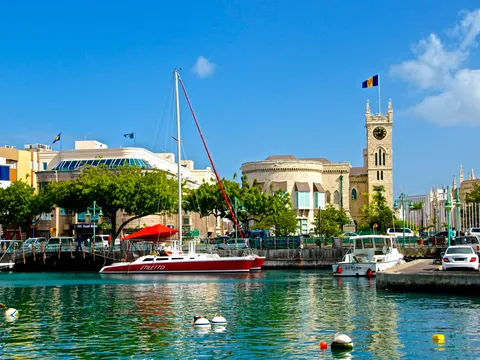 Barbados4 experiences
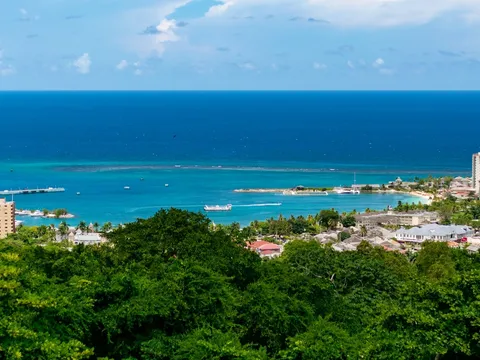 Ocho Rios4 experiences
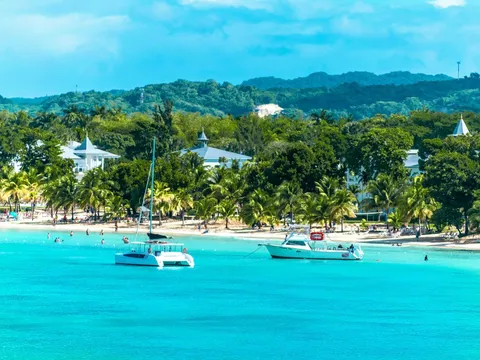 Negril3 experiences
 St Maarten1 experience
 Cabo San Lucas40 experiences
 Cancun20 experiences
 Cozumel10 experiences
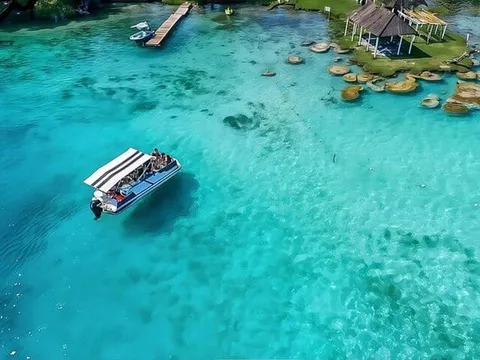 Bacalar6 experiences
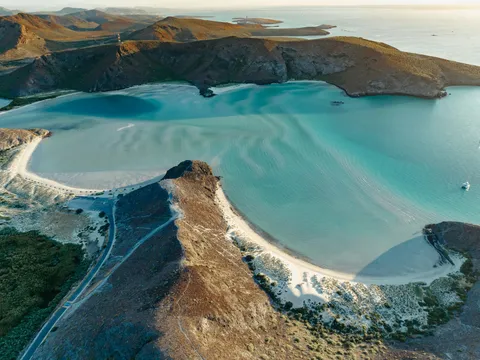 La Paz5 experiences
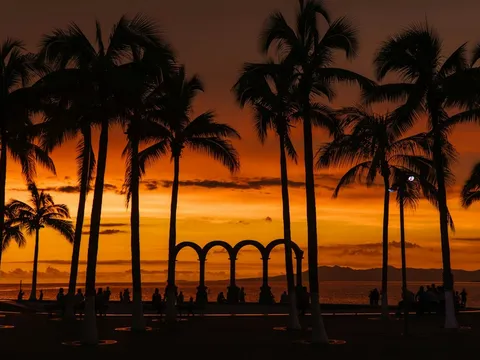 Puerto Vallarta3 experiences
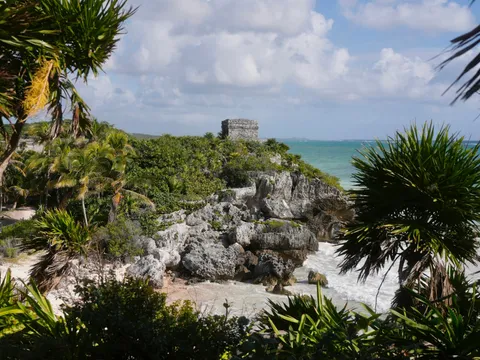 Tulum2 experiences
 Loreto1 experience
 Puerto Morelos1 experience
 Mahahual1 experience
 Bocas del Toro2 experiences
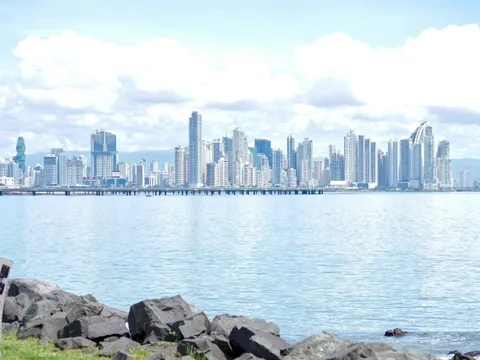 Panama2 experiences
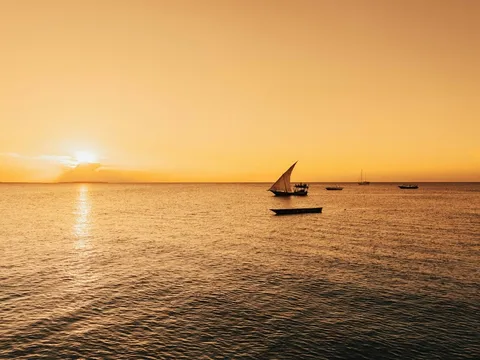 Zanzibar22 experiences
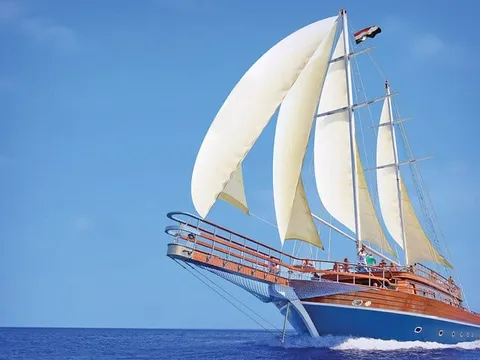 Hurghada6 experiences
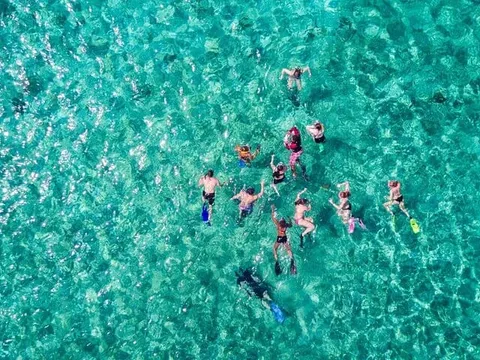 Sharm el-Sheikh5 experiences
 Marsa Alam3 experiences
 Dahab1 experience
 Phuket8 experiences
- All port guides →
Frequently asked questions about Costa Rica (Guanacaste)
What should you do on your first trip to Guanacaste?
Combine beach and nature: the coast’s tourism centres, such as Flamingo, Conchal, Tamarindo or the Papagayo Peninsula, and one of the province’s national parks, such as Santa Rosa or Rincón de la Vieja. A day on the water completes the visit.
What are the best tours in Guanacaste?
The official tourism site presents Guanacaste as “the cradle of our folklore”, with tropical dry forest, beaches and mountain forest. The ways to know it are the national parks, the coast and the sea. Take a look at the boat trips from Playa Flamingo.
What hidden gems are there in Guanacaste?
- The Guanacaste Conservation Area, a World Heritage Site, which includes the Las Pumas Rescue Centre.
- The tropical dry forest, an ecosystem typical of the province.
- The ox-cart festival in Nicoya, part of the area’s cultural tradition.
How long should you spend in Guanacaste?
The province is large (about 10,141 km²), with tourism centres spread along the coast. For beach time and one or two excursions, four or five days in one area is enough; if you want to add inland national parks, allow a week.
What do people eat in Costa Rica?
- Gallo pinto, the national dish: rice and beans stir-fried together, a breakfast staple with eggs.
- Casado, the traditional lunch: rice, beans, salad and meat or fish.
- Ceviche of fish or seafood marinated in lime.
- Olla de carne, a beef stew with cassava, potato, maize and green plantain.
- Patacones, fried, smashed green plantain.
When is the best time to visit Guanacaste?
According to the encyclopaedia, from November to April there is little rain and steady heat, which sustains the tropical dry forest; from May to October there are daily showers and moderate temperatures. Choose depending on whether you prefer reliable sun or a greener landscape, and check the forecast for your date.
What are the best beaches in Guanacaste?
The encyclopaedia cites Playas del Coco and Tamarindo, and as tourism centres Papagayo, El Coco, Las Catalinas, Flamingo, Conchal and Tamarindo. The province has most of the country’s all-inclusive resorts. Check sea and wind of the day before choosing.
Guanacaste: what are its culture and traditions?
Most residents descend from the Chorotega people and Spaniards, with some African ancestry. Music, folklore and religious events are key elements, and cattle ranching has historically been the economic base. The official tourism site calls it the cradle of Costa Rica’s folklore.
What outdoor activities are there in Guanacaste?
Santa Rosa, Guanacaste and Rincón de la Vieja national parks are the major natural spaces. The official tourism site notes that Costa Rica holds about 6% of the world’s biodiversity and that more than a quarter of its land is reserved for conservation. At sea, snorkelling and boat trips complete the offer. Always respect the rules of protected areas.
How do you get to Guanacaste?
Daniel Oduber Quirós International Airport, in Liberia, the provincial capital, is the central entry point for the tourist areas. From there, private or shared transfers and rental cars take you to the coast. Confirm transfer times before planning your outing.
What are the entry requirements for Costa Rica?
According to Costa Rican official tourism, you need a passport or travel document that can be read electronically (the website does not state a specific validity) and a visa only if your nationality requires one. You must be able to show an onward or return ticket, which immigration may check, especially if you arrive on a one-way ticket, have a return more than 90 days after arrival or leave through another country. Sufficient funds are also required.
Length of stay is set by immigration on entry, according to your nationality’s group. Health requirements depend on your origin and recent travel. Confirm everything on the official website and in your own government’s advice before you travel.
What national parks are there in Guanacaste?
- Rincón de la Vieja: a volcanic massif of nine cones with a lagoon, covering 14,083 hectares, with trails to craters, waterfalls, fumaroles and mud volcanoes.
- Santa Rosa: a rare dry forest with wildlife, remote beaches and historic sites tied to the Battle of Santa Rosa.
- Marino Las Baulas, on the Nicoya Peninsula, known for leatherback turtle nesting.
- Barra Honda: dry-forest trails and a cave system with stalactites and stalagmites.
- Miravalles: a volcano with hot springs and geothermal energy; a national park since 2019.
Official tourism states that more than 25% of the country’s territory is reserved for conservation. Check the SINAC website to see whether a park sells tickets online, and confirm access and conditions.
Where can you surf or swim in calm water in Guanacaste?
Official tourism describes Tamarindo as an area for surfing, restaurants and nightlife, with a Blue Flag; Sámara as a calm bay with mangroves, snorkelling and diving, also with a Blue Flag, and Nosara and Guiones for their strong waves for surfing and their focus on yoga. The Blue Flag is awarded year by year: check the current list. Before swimming, always check the sea and wind of the day.
