
Boat trips and experiences in Reykjavík
1 experiencePort guide →All of Iceland →
No experiences match these filters. Try another port or type.
From the blog
Guides and news
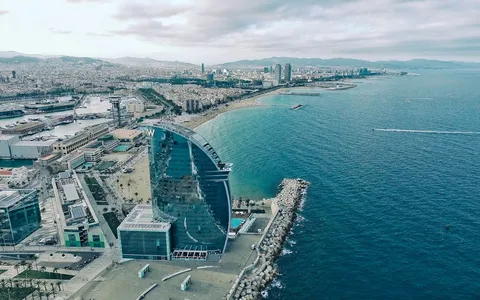 Destinations · 27 October 2026 · 5 minBarcelona from the sea: sailing from Port Olímpic
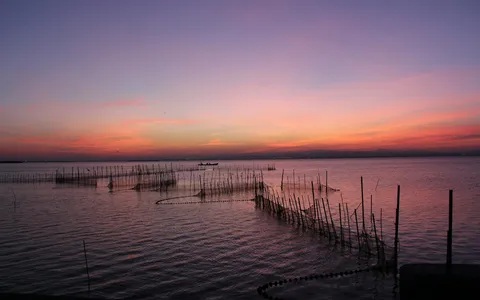 Destinations · 27 October 2026 · 5 minAlbufera at sunset: a boat ride from Valencia
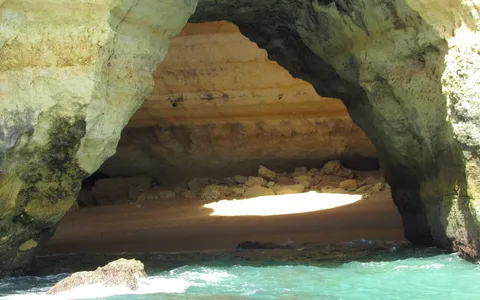 Destinations · 26 October 2026 · 8 minBenagil Cave 2026: Rules and How to Visit It Properly
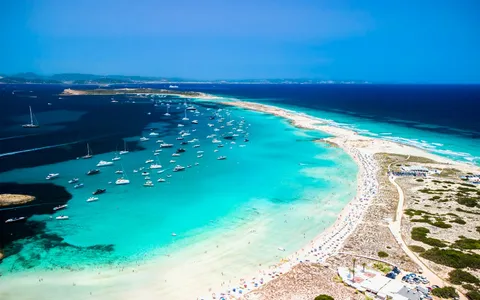 Destinations · 27 October 2026 · 5 minIbiza and Formentera by boat: anchoring and posidonia
More places to sail
Every destination has its own guide and its own trips.
 Ibiza4 experiences
 Valencia3 experiences
 Ithaca4 experiences
 Zakynthos1 experience
 Athens1 experience
 Split5 experiences
 Grand Cayman7 experiences
 Montego Bay6 experiences
 Belize3 experiences
 Cartagena3 experiences
 Puerto Plata2 experiences
 St Maarten1 experience
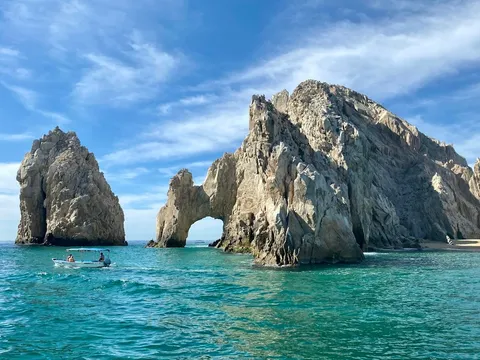 Cabo San Lucas18 experiences
 Cancun13 experiences
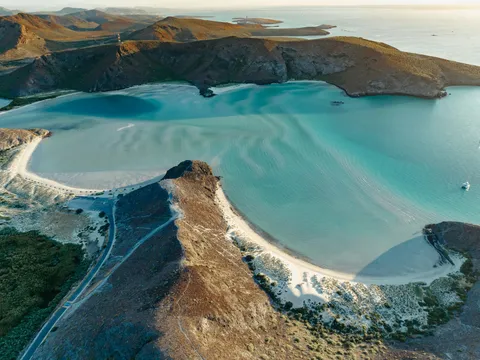 La Paz5 experiences
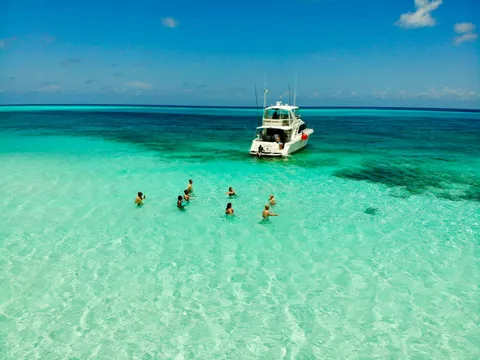 Cozumel4 experiences
 Puerto Vallarta3 experiences
 Bacalar3 experiences
 Tulum2 experiences
 Loreto1 experience
 Puerto Morelos1 experience
 Mahahual1 experience
 Costa Rica3 experiences
 Zanzibar7 experiences
 Hurghada6 experiences
 Sharm el-Sheikh5 experiences
 Marsa Alam3 experiences
 Dahab1 experience
 Phuket8 experiences
 Dubai6 experiences
- All port guides →
Frequently asked questions about Reykjavík
What should you do on your first trip to Reykjavík?
Reykjavík is Iceland’s capital, on Faxaflói bay, and the northernmost capital of a sovereign state. Among the most visited places are Hallgrímskirkja church, the Harpa concert hall, the Sun Voyager sculpture and the old harbour, where almost all whale-watching boats leave from. Geothermal pools are another highlight of the city, according to Visit Reykjavík.
What are the best tours in Reykjavík?
The usual options are whale-watching boats from the old harbour, day trips into the south of the country (the Golden Circle is the classic), geothermal pools and spas, and walking tours of the city. The only thing we sell here is one combined day: a whale-watching boat safari in the morning and the Grand Golden Circle by bus in the afternoon. Most of the day is spent on the bus, and it is run by BusTravel Iceland / Special Tours, an independent operator.
What is the Golden Circle?
It is a tourist route in south-west Iceland, a loop of about 300 km that leaves from Reykjavík and returns to it. Its three main stops are:
- Þingvellir National Park, about 40 km north-east of the city: Iceland’s parliament, the Alþing, was founded here around 930; it lies in a rift valley on the Mid-Atlantic Ridge, where the North American and Eurasian plates meet, and has been a World Heritage Site since 2004.
- The Haukadalur geothermal area, with the geysers Geysir (mostly dormant for many years) and Strokkur, which erupts every few minutes.
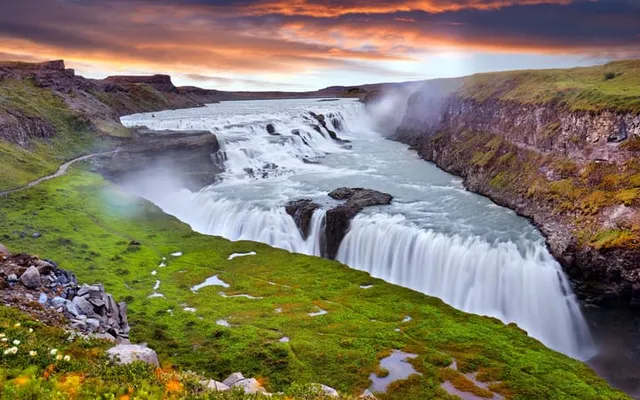
- Gullfoss waterfall, 32 m high in two drops on the Hvítá river.
Another common stop is the Kerið crater.
Which whales can you see from Reykjavík?
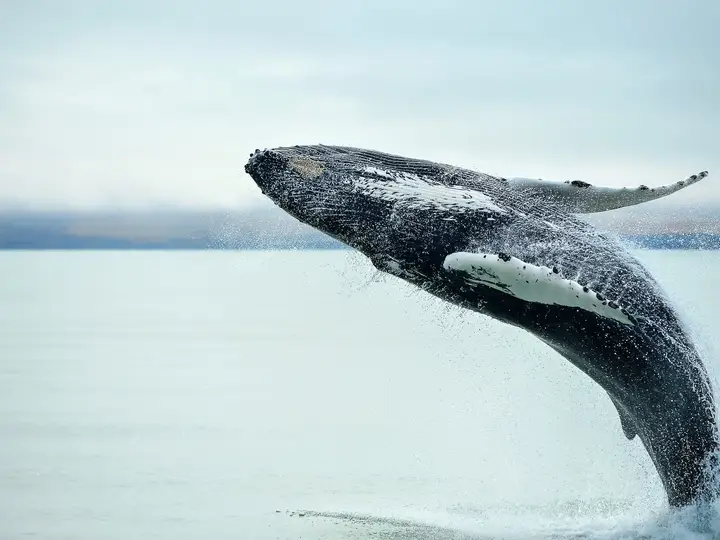
According to Visit Reykjavík, minke whales and humpbacks are the most common; white-beaked dolphins and harbour porpoises also appear, and occasionally pilot whales (in summer), orcas (in winter) or fin whales. Whales and puffins return to the bay in late spring, and the months with most sightings run from May to September. A 2024 study using whale-watching boat records from Faxaflói bay (2016–2023) points to more humpbacks since 2021 and fewer minke whales since 2018, although its authors present this as hints: the mix of species changes from year to year. Sightings are common, but never guaranteed.
When is the best time to visit Reykjavík?
It depends on what you want. Summer (June to August) is the busiest and mildest season, at roughly 7 to 15 °C with near-continuous daylight in June; whale sightings are most frequent from May to September. In winter it is roughly 0 to 4 °C, days are very short (4 to 5 hours of light in December and January) and it is the best time for the northern lights, which Visit Reykjavík places from September to March. Spring and autumn are quieter and the weather changes quickly. In any month, wind and rain can arrive within minutes.
How long should you spend in Reykjavík?
As a guide from us: two or three days are enough to see the city (old harbour, Hallgrímskirkja, Harpa, a geothermal pool) and give one day to a trip outside, such as the Golden Circle. If you want to add other routes around the country, allow more days.
How do you get to Reykjavík from Keflavík Airport?
International flights land at Keflavík Airport (KEF), about 50 km from Reykjavík along Route 41; by car or taxi it takes between 40 and 50 minutes according to the airport and Visit Reykjavík. The options are public bus number 55 (Strætó), the Flybus (coaches timed to flights, with service to central stops and some hotels), a taxi or private transfer, and a rental car at the airport itself. Reykjavík Airport, inside the city, is mainly used for domestic flights and flights to Greenland. Confirm timetables and fares with each operator.
What should you wear in Reykjavík?
Visit Reykjavík recommends dressing in layers and always carrying a waterproof, windproof outer layer, whatever the season, plus a hat, gloves and scarf, sturdy shoes with non-slip soles and sunglasses. Jeans stay wet for a long time and umbrellas cope badly with the wind. On whale-watching boats, operators typically provide thermal overalls and life vests: check your booking confirmation, and on our trip dress warmly even in summer.
What currency is used in Iceland and how do you pay?
Iceland is in the Schengen Area but not in the European Union, and it does not use the euro: the currency is the Icelandic króna (ISK). Cards are accepted almost everywhere, including taxis and buses; contactless is common, but it helps to know your PIN, and foreign currencies are rarely accepted. There are cash machines in the city and at the airport. Tipping is not expected, and tap water is safe to drink.
What can you do in Reykjavík in bad weather?
The weather changes fast, so it helps to have a plan B: museums and exhibitions, galleries, cafés and the city’s geothermal pools, which Visit Reykjavík highlights as one of its most typical activities. Before leaving the city, Visit Reykjavík advises checking SafeTravel for weather and road conditions. On a boat-and-bus trip like ours, the sea and wind decide: check your confirmation for what happens if conditions change.
