
Boat trips and experiences in Mallorca
3 experiencesPort guide →All of Spain →
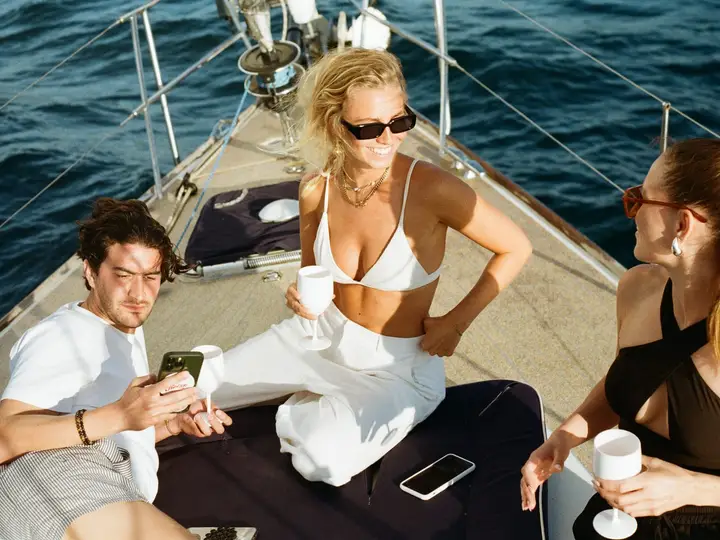
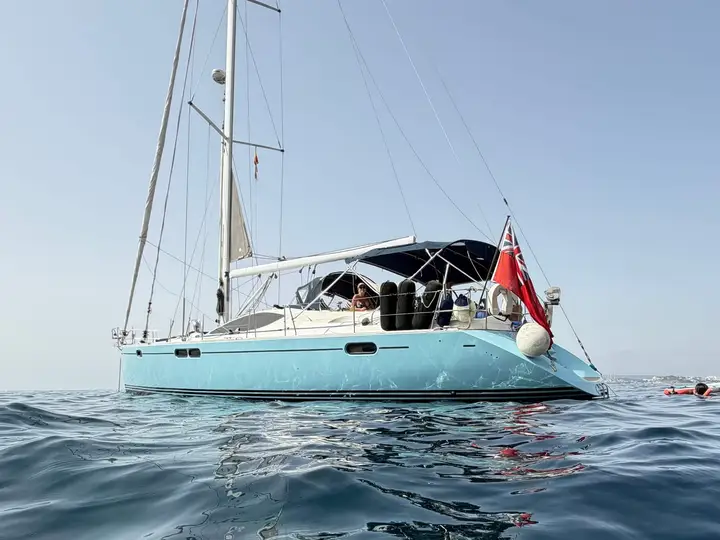
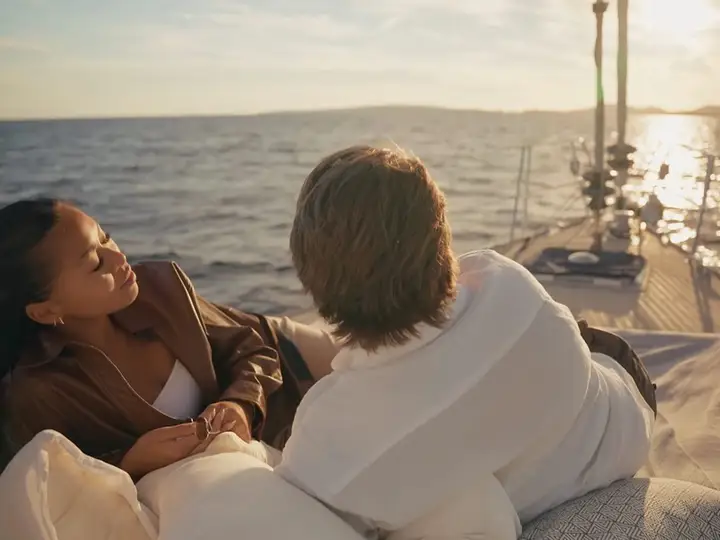
No experiences match these filters. Try another port or type.
From the blog
Guides and news
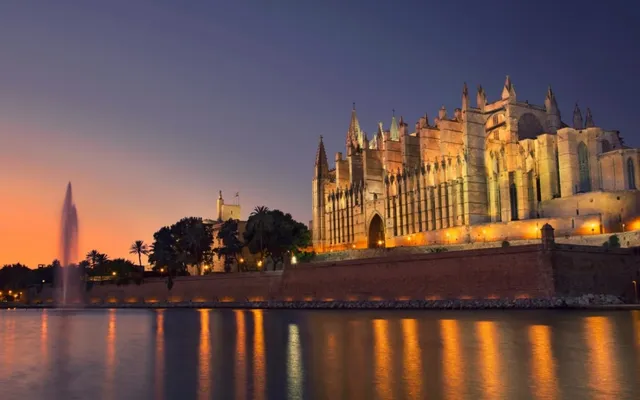
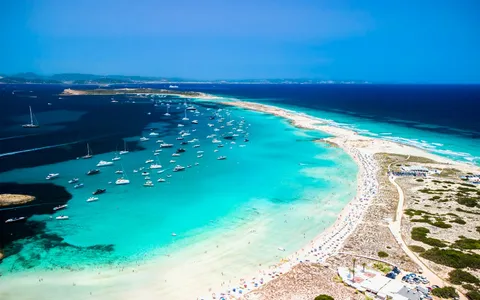 Destinations · 27 October 2026 · 5 minIbiza and Formentera by boat: anchoring and posidonia
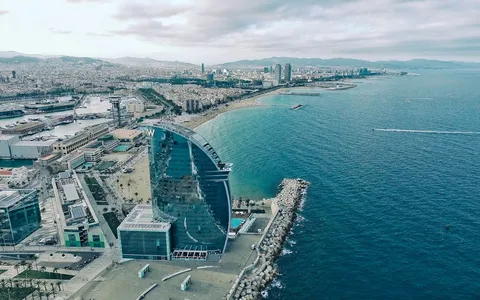 Destinations · 27 October 2026 · 5 minBarcelona from the sea: sailing from Port Olímpic
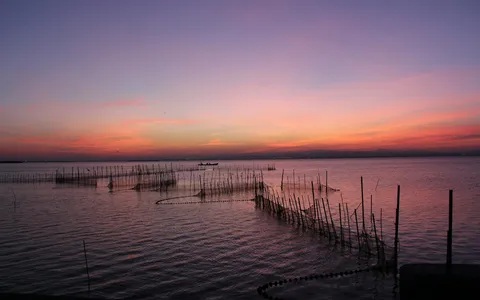 Destinations · 27 October 2026 · 5 minAlbufera at sunset: a boat ride from Valencia
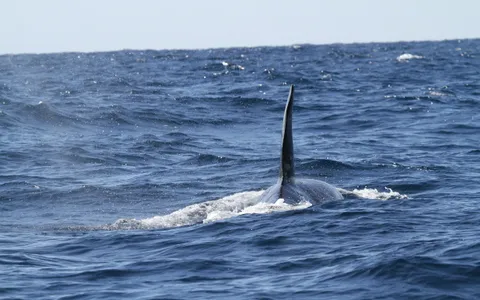 Sailing guides · 5 November 2026 · 16 minWhere are the Iberian orcas? Maps, seasons and tracking
More places to sail
Every destination has its own guide and its own trips.
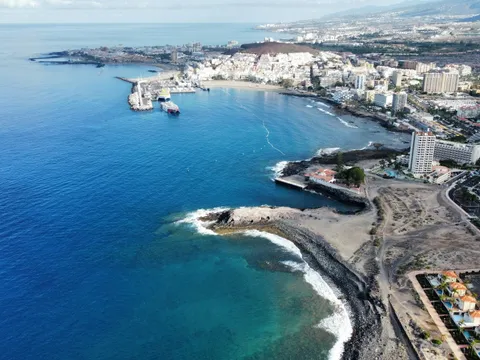 Tenerife26 experiences
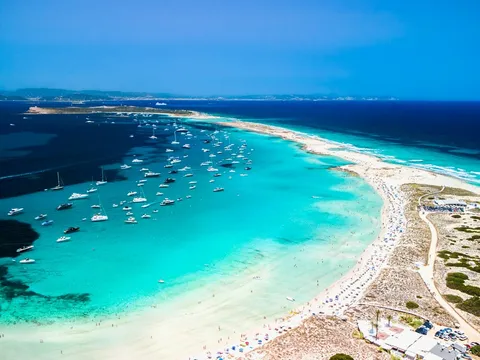 Ibiza11 experiences
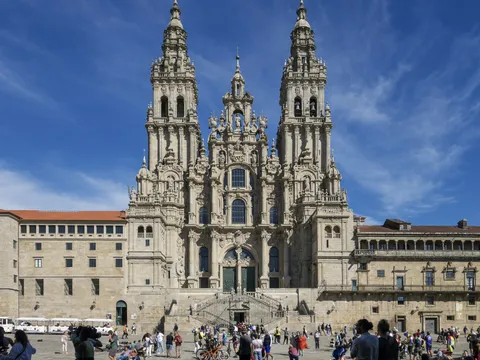 Santiago de Compostela4 experiences
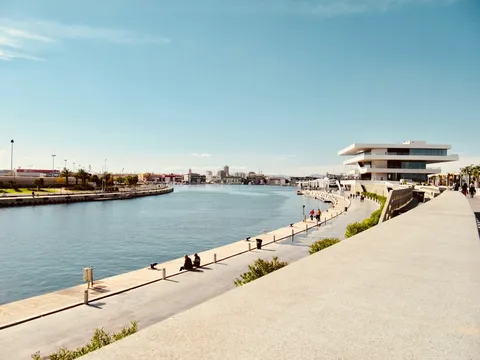 Valencia3 experiences
 Amsterdam4 experiences
 Santorini23 experiences
 Paros9 experiences
 Athens8 experiences
 Crete8 experiences
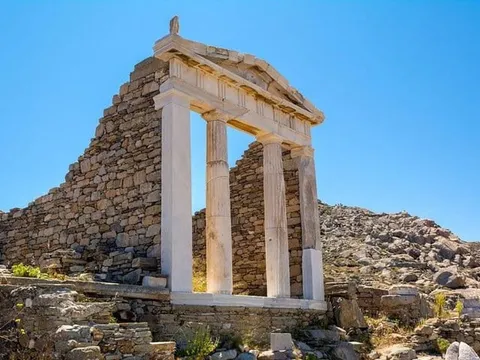 Naxos5 experiences
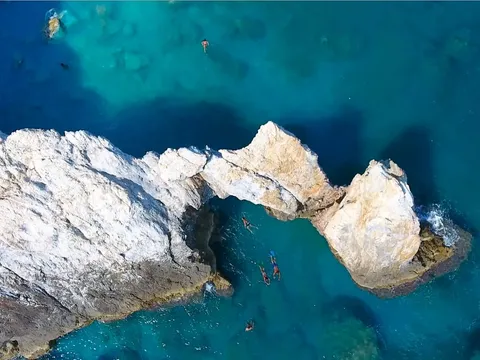 Skiathos5 experiences
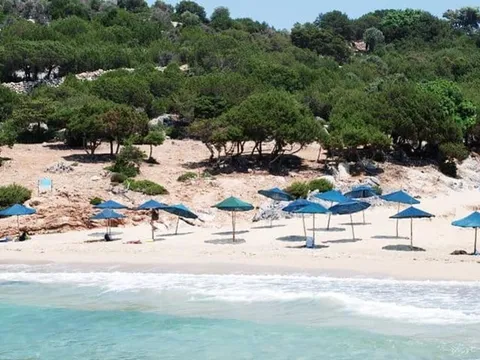 Samos5 experiences
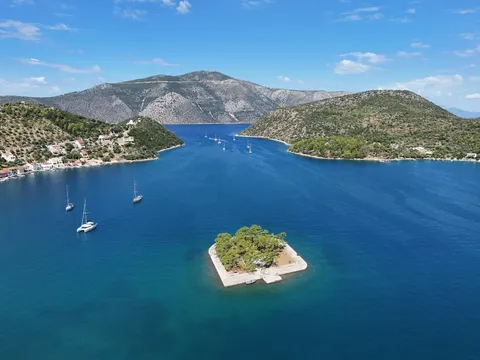 Ithaca4 experiences
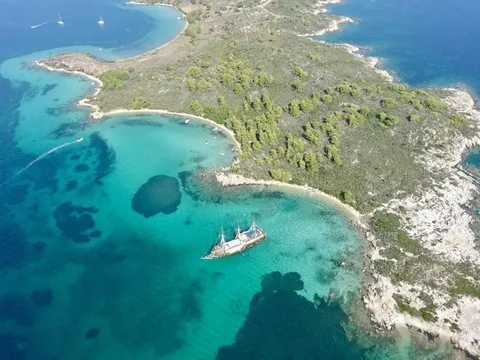 Halkidiki4 experiences
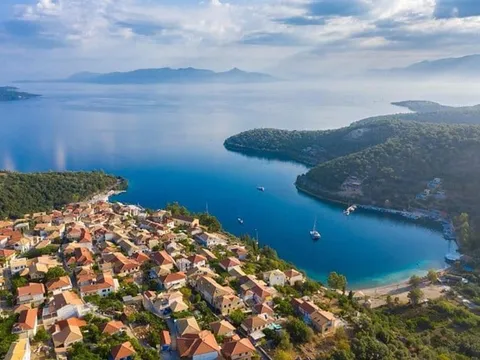 Lefkada4 experiences
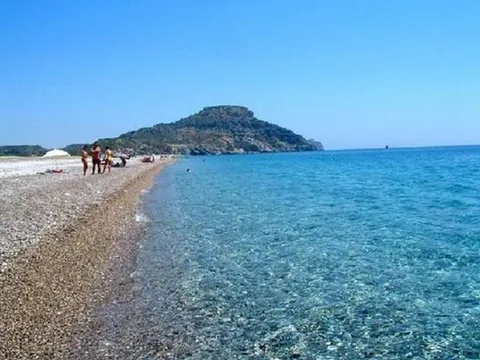 Rhodes4 experiences
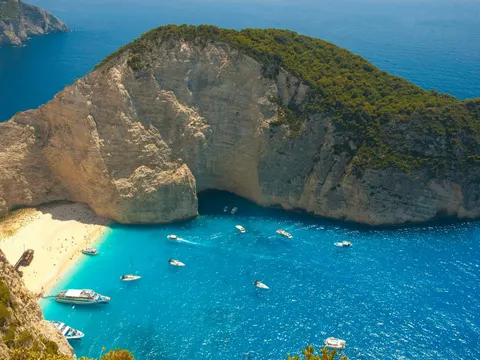 Zakynthos3 experiences
 Lesbos3 experiences
 Mykonos3 experiences
 Milos2 experiences
 Corfu2 experiences
 Kos2 experiences
 Split5 experiences
 Milan2 experiences
 Malta2 experiences
 Cyprus3 experiences
 Reykjavík12 experiences
 Akureyri2 experiences
 Puerto Plata13 experiences
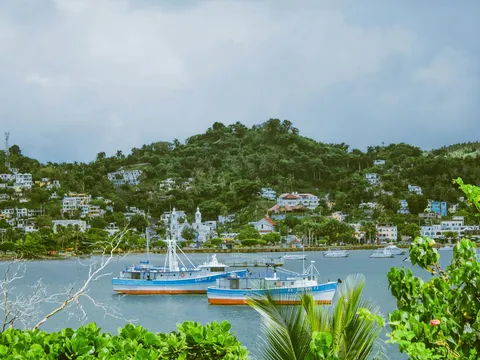 Samaná12 experiences
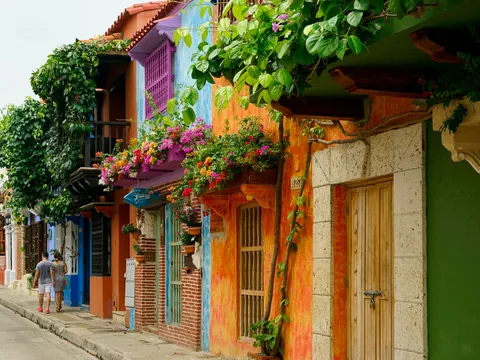 Cartagena9 experiences
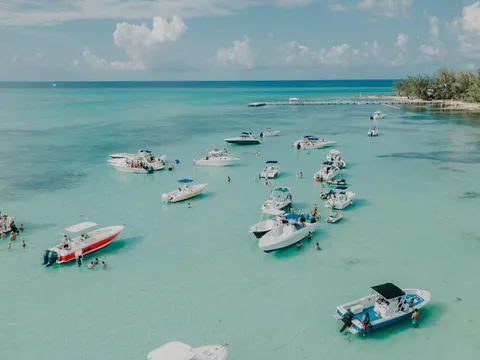 Grand Cayman7 experiences
 Montego Bay6 experiences
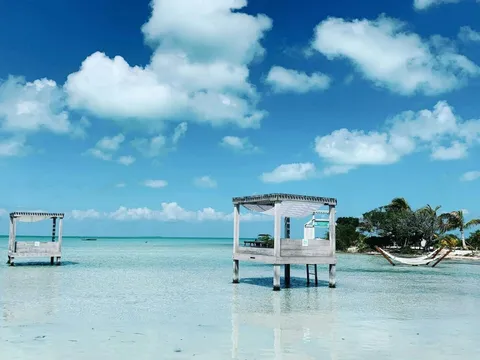 Belize4 experiences
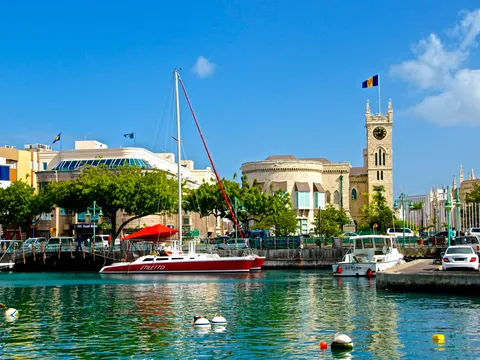 Barbados4 experiences
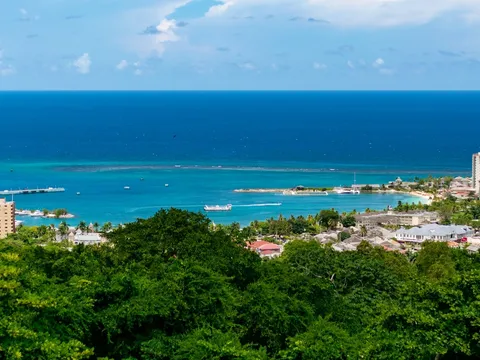 Ocho Rios4 experiences
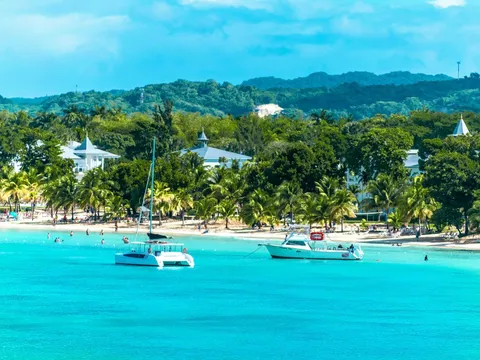 Negril3 experiences
 St Maarten1 experience
 Cabo San Lucas40 experiences
 Cancun22 experiences
 Cozumel10 experiences
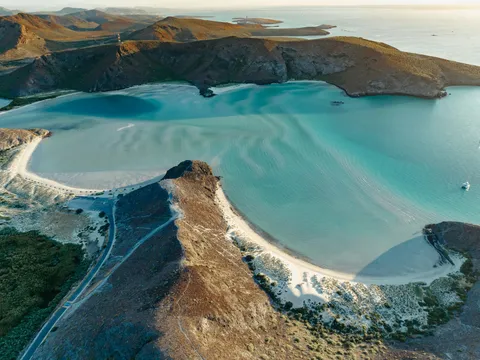 La Paz9 experiences
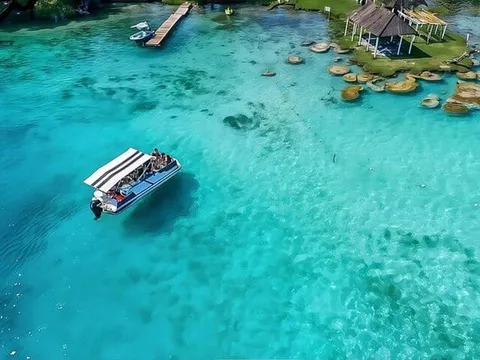 Bacalar6 experiences
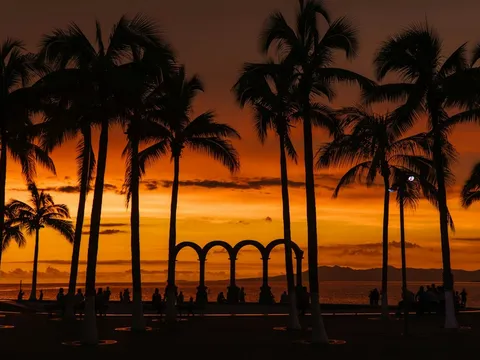 Puerto Vallarta3 experiences
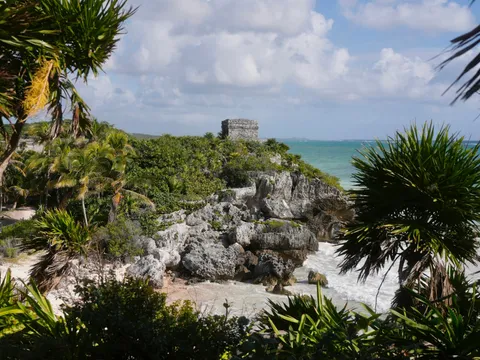 Tulum3 experiences
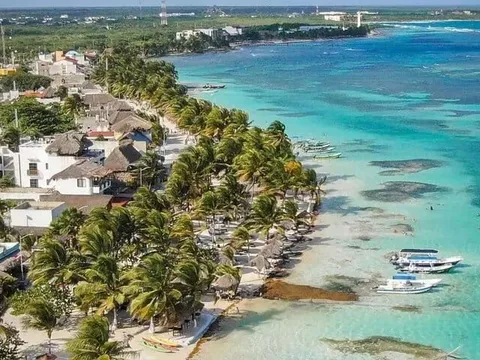 Mahahual2 experiences
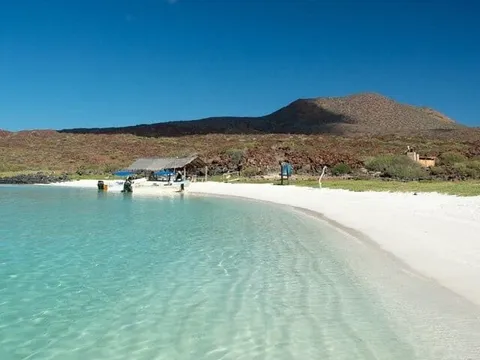 Loreto1 experience
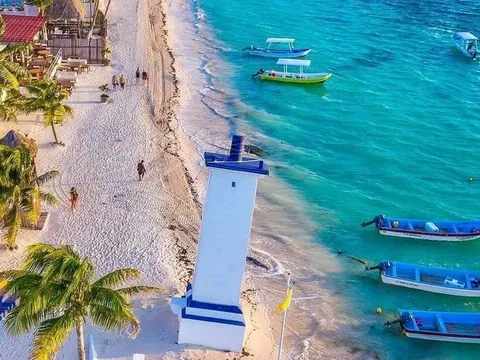 Puerto Morelos1 experience
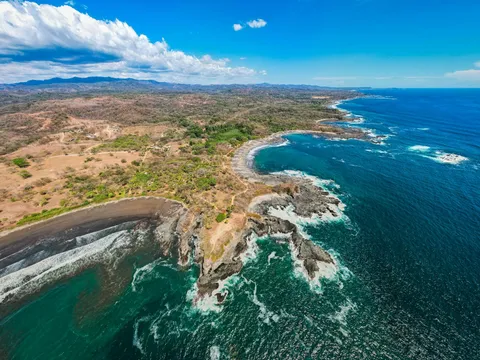 Costa Rica10 experiences
 Bocas del Toro2 experiences
 Panama2 experiences
 Zanzibar47 experiences
 Hurghada6 experiences
 Sharm el-Sheikh4 experiences
 Marsa Alam2 experiences
 Dahab1 experience
 Sri Lanka27 experiences
 Phuket19 experiences
 Dubai1 experience
- All port guides →
Frequently asked questions about Mallorca
When is a good time to visit Mallorca, and what is the weather like in Palma?
According to AEMET (the Spanish meteorological agency), these are the averages at Palma’s port for 1981–2010:
- Summer: average daily highs of about 26 to 30 °C from June to September; July is the driest month, with about 6 mm of rain.
- Spring and autumn: average daily highs of about 19 °C in April, 23 °C in May and 24 °C in October.
- Winter: mean temperatures of about 12 °C in January and February.
- Rain and sun: about 449 mm of rain and 2,779 hours of sunshine a year; October is the wettest month.
For sailing, Spain’s tourism board describes Mallorca’s climate as pleasant from April to October. These are averages, not a forecast.
What is the embat, and what does it mean for sailing in the Bay of Palma?
The Balearic tourism board describes the embat as a thermal wind that blows in the fine-weather months, between April and October, and is very common in Mallorca’s three large bays, Palma among them. According to the same source, it is a steady wind without gusts that builds during the day to around 16 knots and then eases.
That is the usual pattern, not a promise for your date. Check the AEMET marine forecast for the Balearic coast, and follow the skipper’s advice on board.
How do I get to Mallorca?
- By air: according to Aena, the airport operator, Palma de Mallorca airport is about 8 km from the city. Its traffic is mostly international, with many connections to mainland Spain too, and it peaks in summer.
- By sea: Spain’s tourism board lists ferry routes to Mallorca from Barcelona, Valencia and Dénia, and says the port of Palma also has ferries to the other Balearic Islands.
Routes and timetables can change, so check them with the airline or ferry company. Flights and ferries are not linked to our sailing trips: leave plenty of time between your arrival and your trip.
How do I get from the airport to Palma and to the meeting point?
Aena lists city bus route A1 between the airport and the centre of Palma, and route A2 between the airport and S’Arenal. The island’s TIB network, which covers intercity buses, train and metro, connects the airport with the main holiday resorts.
Our trip pages give the meeting point as bus stop 26, Port – Estació Marítima, in Palma. There is no hotel pick-up for the half-day sail, the sunset sail or the private full-day sail, so plan how you will get there and check your booking confirmation. Check bus routes, stops and timetables with the transport operator before you travel.
What is there to see in Palma and across the island?
Places described by the Balearic tourism board include:
- In Palma: the Gothic cathedral beside the sea, the Almudaina Royal Palace opposite it, the Lonja, the old town with its courtyards, and the seafront promenade of 5.5 km.
- Bellver Castle: a 14th-century circular castle with the city’s history museum and views of the bay.
- Serra de Tramuntana: the mountain range listed by UNESCO as a Cultural Landscape in 2011, with villages such as Valldemossa, Deià, Sóller and Fornalutx.
- The Sóller train: it has linked Palma and Sóller since 1912.
For the cathedral, its own website asks for suitable dress: no swimwear, no uncovered shoulders, and skirts or trousers that reach at least mid-thigh. Mallorcan food to try includes sobrassada, ensaimada and pa amb oli (bread with tomato and oil).
What can I expect from a sailing trip from Palma?
All three of our sailing trips are on a yacht for up to 10 guests, with a skipper and a host, and include drinks and tapas:
- The half-day sail, about 4 hours, shared or private: along the coast, with a swim stop, snorkel equipment and a paddleboard, passing the cathedral on the way back.
- The sunset sail, about 3 hours, shared or private: tapas, drinks, an optional swim stop when the weather permits and views of the cathedral lighting up.
- The private full-day sail, about 8 hours: a flexible itinerary for your group, lunch cooked on board, snorkel equipment and a paddleboard.
We do not promise a particular cove. The calendar on each page shows the open dates and times.
What rules protect the sea around Palma?
- Posidonia: Balearic Decree 25/2018 bans, as a general rule, anchoring boats on Posidonia oceanica, a Mediterranean seagrass. The exceptions include authorised low-impact mooring systems and cases of force majeure or safety.
- Bay of Palma marine reserve: according to the Balearic Government, it was created in 1982 and covers the coast between the El Arenal yacht club and Cape Regana down to a depth of 30 m, with seagrass meadows and sandy seabed. Fishing there is regulated, and part of it has special protection.
As a swimmer or passenger, we suggest you leave plants and animals where they are, keep your rubbish on board and follow the crew’s instructions.
Can I visit Cabrera National Park on these sailing trips?
No: our trip pages do not include Cabrera in any of the sailing trips from Palma. It is an archipelago south of Mallorca, a national park since 1991, with a large Posidonia meadow, according to Spain’s environment ministry and tourism board.
The Balearic tourism board says that boats run daily in summer from Colònia de Sant Jordi, in the south of Mallorca. It also says that private boats need a navigation permit, and a further permit to stay overnight. Check the park’s current rules before planning a visit.
What happens if the sea is rough or the weather is bad?
AEMET publishes a marine forecast for the Balearic coast, with warnings covering the next 48 hours, a written forecast for 24 hours and wind and wave maps that look further ahead. Check it before your trip.
Some parts of a trip depend on the conditions: the swim on the sunset sail is weather permitting, and the second swim stop on the half-day sail depends on weather and time. Our trip pages do not set out what happens if a sail cannot go ahead, so the operator will confirm any change. Cancellation terms for your own booking are shown on the trip page.
Are the trips suitable for children, and are they accessible?
- Half-day sail: the minimum age is 13 on the half-day trip.
- Sunset and full-day trips: our booking system sets no minimum age for the sunset sail or the private full day. If you are bringing young children, ask before booking about life jackets in their size and conditions on board.
- Mobility: the trip pages do not say that the yacht or the boarding point is wheelchair accessible, so ask before you book.
On land, the cathedral’s website says that the building is accessible to people with reduced mobility, except for the terraces.
How can I cope with seasickness, and what should I bring?
Salvamento Marítimo (Spain’s maritime rescue service), in a safety guide written for people in charge of boats, warns that seasickness should be taken seriously: it encourages hypothermia and dehydration and can leave a person completely unable to function. It also refers to effective medicines against it. If you are prone to seasickness, ask a doctor or pharmacist what would suit you before you set sail.
The trip pages suggest bringing swimwear, a towel, sunscreen, sunglasses and a jacket in case you feel cold. Drink water too, and tell the crew early if you feel unwell.
Are there jellyfish, and what should I do if one stings me?
Jellyfish can appear in Balearic waters. The Balearic Government’s 112 emergency service advises:
- Stay out of the water when jellyfish are multiplying, and do not touch dead ones or fragments.
- After a sting, get out of the water, do not rub the area and never use fresh water on it; rinse with seawater.
- Remove any remains of tentacles with tweezers, gloves or the edge of a card, and apply cold in a sealed bag, not directly on the skin.
- Go to hospital if you have symptoms such as nausea, vomiting, dizziness, cramps, headache or feeling generally unwell. A Portuguese man o’ war sting needs a doctor.
On board, tell the crew straight away. In an emergency, call 112.
What is the drinking age, and is alcohol served on board?
According to Balearic Decree-law 2/2026, offering, selling or handing alcoholic drinks to minors, meaning under-18s, is prohibited throughout the Balearic Islands.
Our sailing trips include an open bar with wine and beer as well as iced tea, soft drinks and water. Alcohol is therefore for adults only: being old enough to join the half-day sail does not mean being old enough to drink.
Which currency, languages and plugs will I find in Mallorca?
- Currency: the euro. Spain’s tourism board says that Visa and Mastercard are widely accepted, and that tipping is not required, although it is common in bars, restaurants and taxis.
- Languages: according to the Statute of Autonomy of the Balearic Islands, Catalan and Spanish are both official.
- Electricity: according to Spain’s tourism board, 220 V and 50 Hz, with European round-pin sockets. If your plugs are different, as British ones are, pack an adaptor.
