Boat trips and experiences in Barbados
4 experiencesPort guide →All of Barbados →
No experiences match these filters. Try another port or type.
From the blog
Guides and news
 Destinations · 27 October 2026 · 5 minRosario Islands from Cartagena: which tour to choose
 Destinations · 27 October 2026 · 5 minMontego Bay by catamaran: how to choose your trip
 Destinations · 26 October 2026 · 11 minThe Caribbean by Boat: Catamaran and Boat Trip Guide
 Destinations · 27 October 2026 · 4 minCatamaran from Playa Flamingo: morning, sunset or snorkel
More places to sail
Every destination has its own guide and its own trips.
 Ibiza4 experiences
 Valencia3 experiences
 Amsterdam4 experiences
 Athens5 experiences
 Ithaca4 experiences
 Zakynthos1 experience
 Paros1 experience
 Crete1 experience
 Split5 experiences
 Reykjavík1 experience
 Grand Cayman7 experiences
 Montego Bay6 experiences
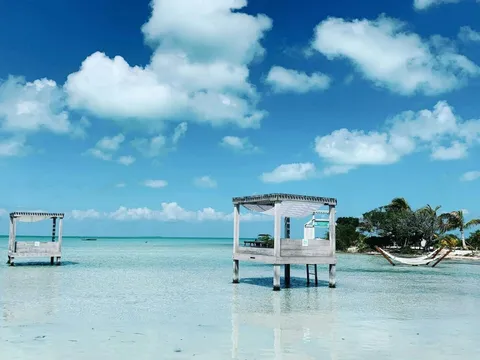 Belize3 experiences
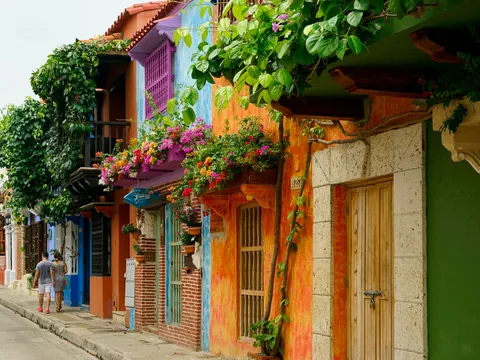 Cartagena3 experiences
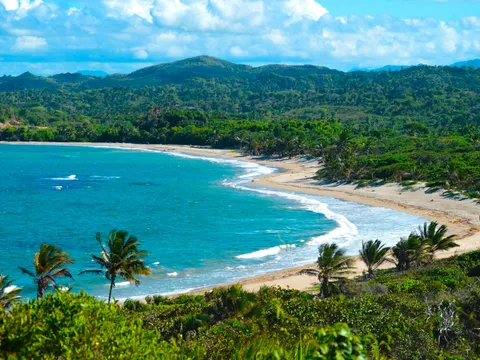 Puerto Plata2 experiences
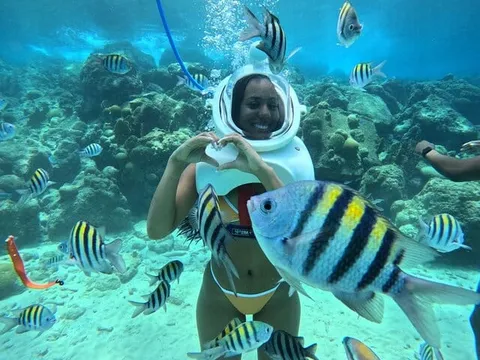 St Maarten1 experience
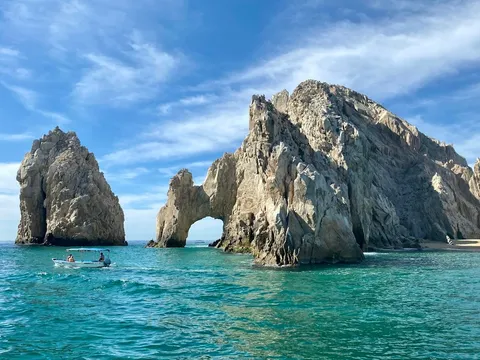 Cabo San Lucas18 experiences
 Cancun13 experiences
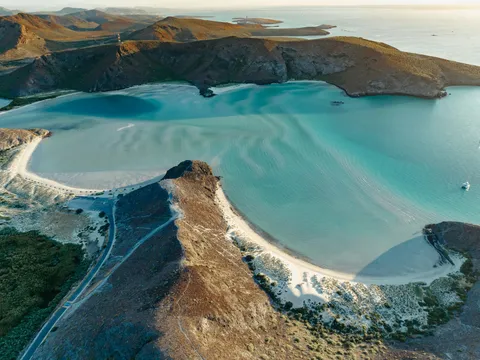 La Paz5 experiences
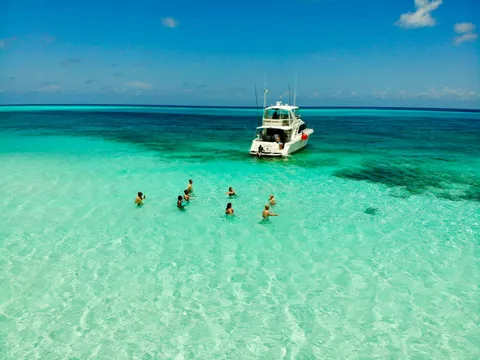 Cozumel4 experiences
 Puerto Vallarta3 experiences
 Bacalar3 experiences
 Tulum2 experiences
 Loreto1 experience
 Puerto Morelos1 experience
 Mahahual1 experience
 Costa Rica3 experiences
 Zanzibar7 experiences
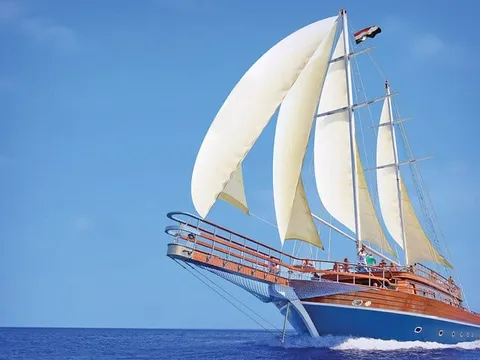 Hurghada6 experiences
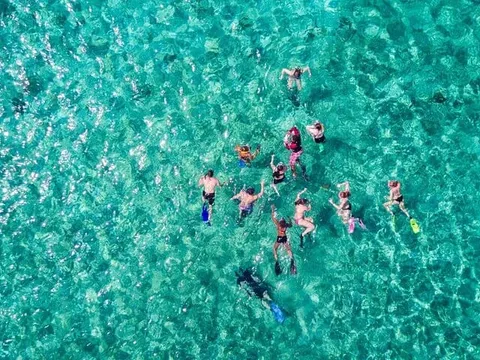 Sharm el-Sheikh5 experiences
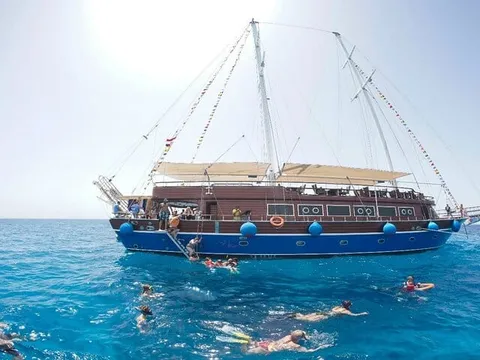 Marsa Alam3 experiences
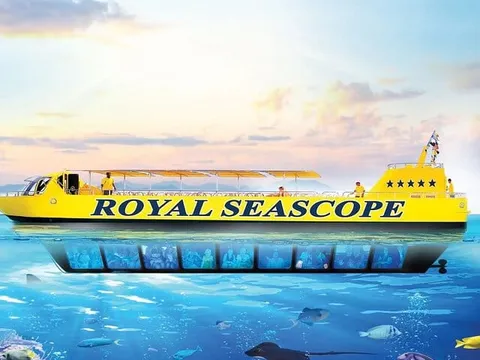 Dahab1 experience
 Phuket8 experiences
 Dubai6 experiences
- All port guides →
Frequently asked questions about Barbados
What is the best time to visit Barbados, and is there a hurricane season?
According to Visit Barbados (the official tourism body), the island has two seasons: the dry season, during the northern-hemisphere winter and spring, which is a little cooler with less rain, and the wet season, during summer and autumn, which is warmer with more rainfall. Showers are brief and the weather can change several times a day.
- Temperatures: the average daily high is around 30 °C and the sea stays between 26 and 29 °C all year.
- Sun and wind: about 3,000 hours of sunshine a year and north-east trade winds almost every day.
- Hurricanes: the Atlantic season starts on 1 June and runs to November. The director of the Barbados Meteorological Services said in 2024 that storms are forming further south and that their centres have passed closer to the island in recent years, so the odds of being affected are rising.
If you travel between June and November, follow the weather service’s warnings and check the conditions on the page of the trip you choose.
What is Crop Over, and when is it held?
Crop Over is Barbados’s big summer festival. According to Visit Barbados, it marks a tradition some 200 years old that celebrated the end of the sugar cane harvest, with dusk-till-dawn parties, craft markets and street food. It ends with the Grand Kadooment, a parade of costumed bands along Spring Garden Highway.
- Dates: the 2026 edition ran from 3 July to 4 August. Each year’s dates are published on Visit Barbados’s official website; check them before planning your trip.
- Holiday: according to a public-holiday calendar, Kadooment Day is a national holiday on the first Monday in August.
What do I need to enter Barbados?
Requirements depend on your nationality, so confirm them with official sources before you travel. According to Visit Barbados:
- A passport valid for your whole stay and a return or onward ticket.
- The online Customs and Immigration form (travelform.gov.bb), completed before you arrive. Sources give different deadlines, so check the official site.
- The address where you will stay and proof of support.
- Visa: most countries do not need one; check the case of your own country on the Barbados immigration website.
- Under-18s travelling without a parent or guardian: a letter of authorisation.
Other rules worth knowing: it is illegal for anyone, children included, to wear or carry camouflage clothing or items; plant products (fruit, vegetables, plants, seeds) must be declared and inspected; and a law bans smoking in enclosed public areas.
How do I get from the airport to Bridgetown?
Grantley Adams International Airport is Barbados’s national airport and, according to the government, is less than 30 minutes from the capital, Bridgetown. There are taxi stands at the airport, at the seaport, in Bridgetown and elsewhere on the island; there are also public buses and rental cars (see the next question).
Taxis have no meters and the fare depends on the distance: ask for the fare and the currency before you set off.
Our trips leave from Independence Square in Bridgetown; the operator confirms the exact time and details before the trip. You can choose, for example, the shared boat trip with snorkelling and turtles or the private boat trip with snorkelling and turtles.
How do I get around Barbados?
Visit Barbados lists three options:
- Public transport: the large government buses are blue with yellow stripes, private minibuses are yellow with blue stripes, and “ZR” vans are white with maroon stripes. Fares are paid in Barbados dollars, so have the amount ready.
- Taxis: they have no meters. According to a private tourism guide, standard taxis carry a “Z” on the number plate. Always agree the fare before you get in.
- Rental car: in Barbados you drive on the left. With your valid licence you need a visitor’s permit, issued by rental companies or the Barbados Licensing Authority and valid for two months from the date of issue.
What currency is used, are cards accepted, and do you tip?
Currency: the Barbados dollar (BBD) is pegged to the US dollar at US$1 = BDS$1.98, according to Visit Barbados. US dollars are accepted island-wide and most shops and restaurants take major credit cards. Always confirm which currency a price is in, especially in a taxi.
Tipping: we found no general rule in official sources. Some restaurants and events advertised by Visit Barbados add a service charge to the bill, so look at the bill before you add more.
What language is spoken, and what plugs are used?
Language: English is the official language and the language of paperwork and government; in everyday conversation you will often hear Bajan, the local dialect, according to a tourism guide. English will see you through.
Electricity: the supply is 115/230 V at 50 Hz, with plugs that have two flat blades (sometimes plus a round earth pin). North American appliances need no voltage converter; for European ones, many hotels lend converters and you will need a plug adaptor.
Water: the Barbados Water Authority supplies the tap water, which Visit Barbados describes as safe to drink.
Can you touch sea turtles, and what are the rules?
Sea turtles are protected by law in Barbados. The Fisheries Act of 1993 and the Fisheries (Management) Regulations of 1998 ban their exploitation and the possession, purchase or sale of turtles or their products, with a fine of up to BBD 50,000 or two years in prison (according to WIDECAST). Visit Barbados says touching or feeding the turtles is not advised.
- Watch without touching, chasing or feeding them, and follow the crew’s instructions.
- Snorkelling is safer when few boats are around, and Visit Barbados recommends it for confident swimmers. If you do not feel sure in the water, masks, snorkels and flotation devices are provided on our trips, and the operator’s team helps less confident swimmers.
- If you see a turtle nesting on a beach, do not approach it and call the 24-hour line of the Barbados Sea Turtle Project.
- Hotel lights can disorient hatchlings, so turn them off or point them away from the beach at night.
We found no official rule on the exact distance to keep from turtles or on sunscreens.
Where and when can you see turtles in Barbados?
Hawksbill, green and leatherback turtles live in Barbados. According to Visit Barbados, the best places to see them are Carlisle Bay, Holetown, Dover Beach and Drill Hall:
- Carlisle Bay: you can snorkel or dive with green turtles, and operators offer guided trips.
- Holetown: at Alleyne’s Beach they are seen close to shore.
- Dover Beach: waters with hawksbill turtles.
- Drill Hall: a nesting beach on the south coast, where hatchlings emerge.
Nesting is a different matter: hawksbills nest on beaches at night, roughly from spring to autumn, and leatherbacks on the east and south coasts in the first half of the year. Visit Barbados’s two pages give slightly different months, so we do not give exact dates. Seeing a turtle swimming is not guaranteed in any season: they are wild animals.
On our snorkelling trips by shared boat or private boat you may also see tarpon and tropical fish, according to the trip pages.
What is the sea like on the west, south and east coasts?
According to Visit Barbados, each coast has its own character:
- West coast (the “Platinum Coast”): calm, sheltered Caribbean water; swimming is generally safe all year. It is famous for its sunsets.
- South coast: it depends on the area. The south-west is calmer and the south-east rougher, where the Atlantic hits. Carlisle Bay and Enterprise Beach are named among the best places to swim.
- East coast: exposed to the Atlantic and unsheltered; swimming is discouraged. It is surf country (the Soup Bowl at Bathsheba), and where reefs form natural pools there are spots where you can enjoy the water.
Visit Barbados’s water-sports page adds that the south and west coasts have calm, clear water with excellent visibility. Our snorkelling trips follow the Caribbean coast, the most sheltered: see the shared boat or the private boat.
How old do you have to be to drink alcohol in Barbados?
Eighteen. The Liquor Licences Act, 2021 defines a minor as anyone under 18, and section 27 prohibits any licensee or other person from selling or supplying liquor to a minor.
That is why, on our trips, alcoholic drinks (rum, beer and so on) are for guests over 18 only; minors get juices, soft drinks and water. If you travel with minors, bear in mind that this is local law, not just a rule of the boat.
Is it suitable for children, and is it accessible for visitors with reduced mobility?
It depends on the trip, and the conditions are on each trip page:
- Children: the shared boat trip with snorkelling and turtles distinguishes adults (12–80), children (3–11) and infants (0–2). Water skiing and inflatable rides have a minimum age of 8. The exact categories and limits are on each page.
- Reduced mobility: the pages of all four Barbados trips state that they are not wheelchair accessible. If you have doubts, contact us before you book.
On land, official information is limited: Visit Barbados’s page on Harrison’s Cave does not say whether it is wheelchair accessible, so ask the park before you go. The cruise port’s free shuttle has wheelchair-accessible units, according to Barbados Port Inc.
I am arriving by cruise ship in Bridgetown: what should I know?
According to Barbados Port Inc., the shuttle between the ship and the terminal is free and optional, with wheelchair-accessible units. To get to Bridgetown:
- On foot: leave by the main gate and follow the Trevor’s Way seafront footpath; Barbados Port Inc. itself describes it as a walk of about 20 minutes, safe and pleasant.
- By taxi: about 255 authorised taxis serve the port; look for the “Authorized Seaport Taxi” sticker. Agree the fare first, whether it is per person or per trip, and in which currency, and fix a pick-up time if you are returning to the ship. Traffic is heavier at weekday rush hours.
Our meeting point is Independence Square in central Bridgetown; the operator confirms the time and details before the trip. Allow plenty of time for the journey and check your ship’s departure time before you book the shared snorkelling boat trip or the private one.
What can you do if it rains, and what excursions can you take from Bridgetown?
Visit Barbados says average rainfall is under 6 mm a day, in brief showers, and that conditions change several times a day, so a shower rarely spoils a whole day. Still, it helps to have a plan B:
- Harrison’s Cave, at Allen View (St Thomas), about 8.4 km from Bridgetown: an electric tram runs through the cave past streams, waterfalls, stalactites and stalagmites. The official page gives no wheelchair-access information or minimum ages, so ask the park.
- Oistins Fish Fry, in this south-coast fishing town (Christ Church), is a grilled-fish supper with music and dominoes; according to a tourism guide, it runs on weekend nights and is busiest on Fridays. Arrive early, because there are waits later on.
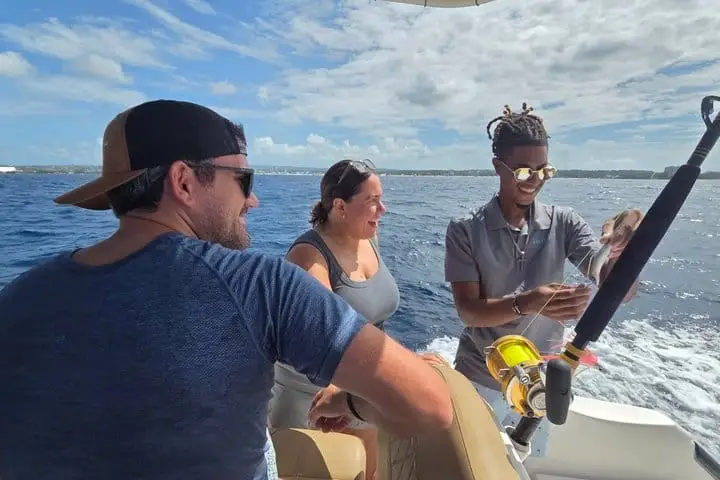
And if you want to get back on the water, have a look at the private light fishing trip, with captain and crew, tackle and bait included.
