
Boat trips and experiences in Bocas del Toro
2 experiencesPort guide →All of Panama →
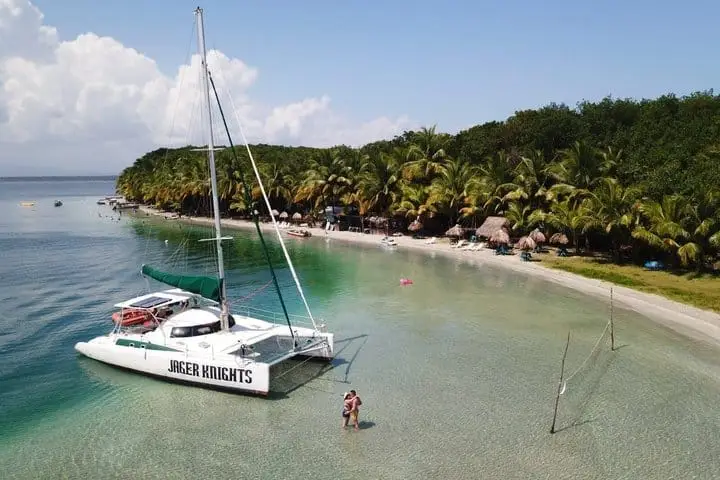
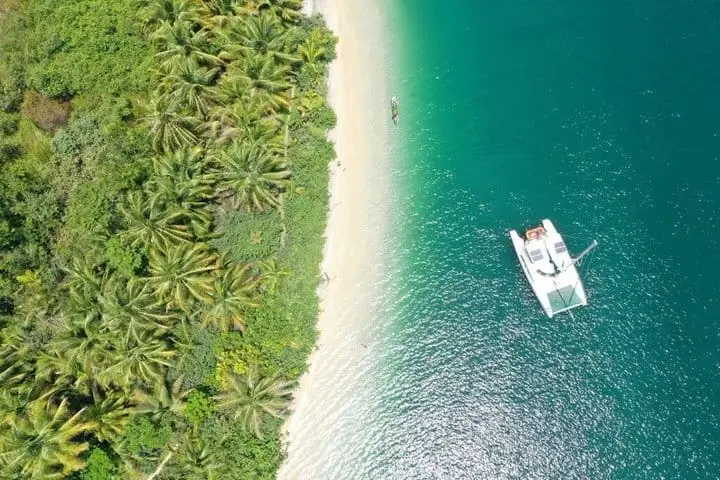
No experiences match these filters. Try another port or type.
From the blog
Guides and news
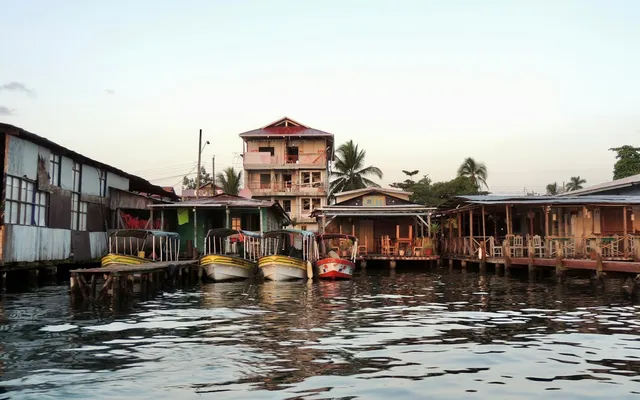
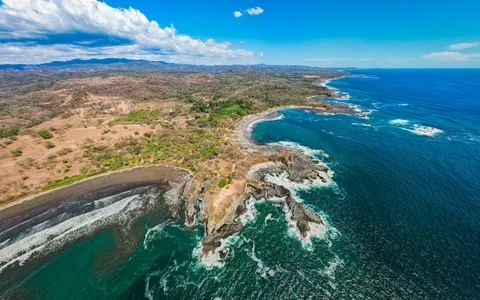 Destinations · 27 October 2026 · 4 minCatamaran from Playa Flamingo: morning, sunset or snorkel
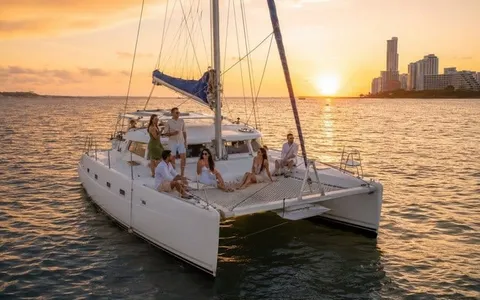 Destinations · 27 October 2026 · 5 minRosario Islands from Cartagena: which tour to choose
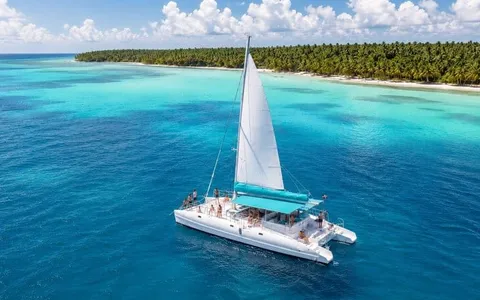 Destinations · 26 October 2026 · 11 minThe Caribbean by Boat: Catamaran and Boat Trip Guide
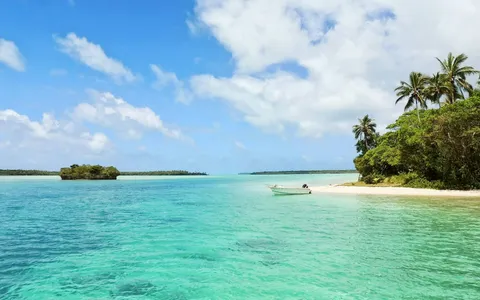 Destinations · 27 October 2026 · 5 minMontego Bay by catamaran: how to choose your trip
More places to sail
Every destination has its own guide and its own trips.
 Ibiza4 experiences
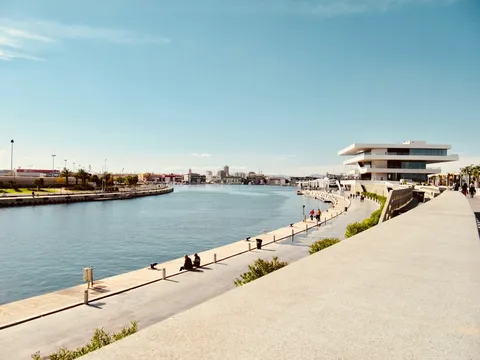 Valencia3 experiences
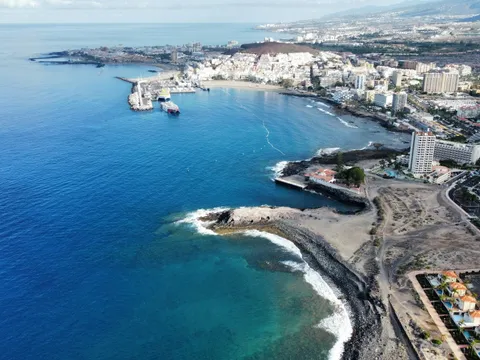 Tenerife2 experiences
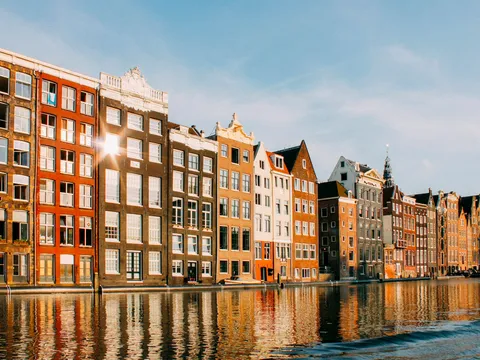 Amsterdam4 experiences
 Athens5 experiences
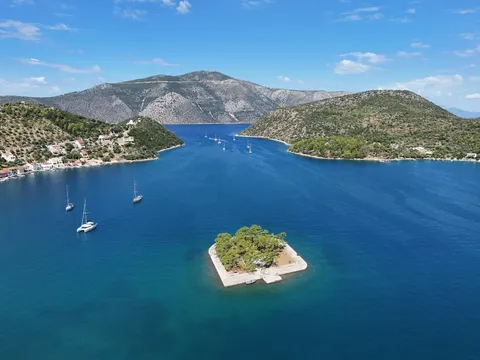 Ithaca4 experiences
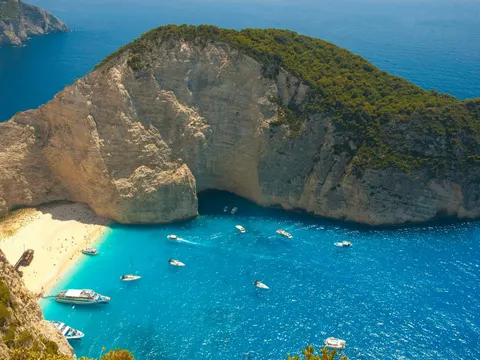 Zakynthos1 experience
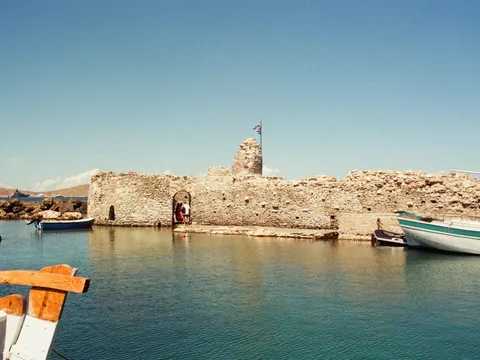 Paros1 experience
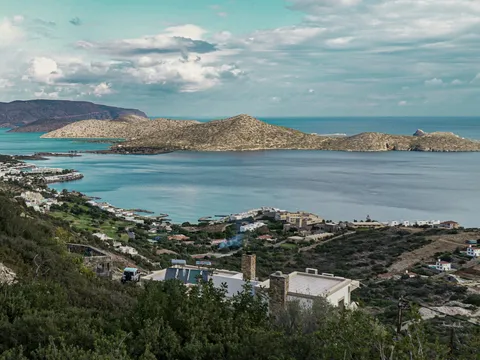 Crete1 experience
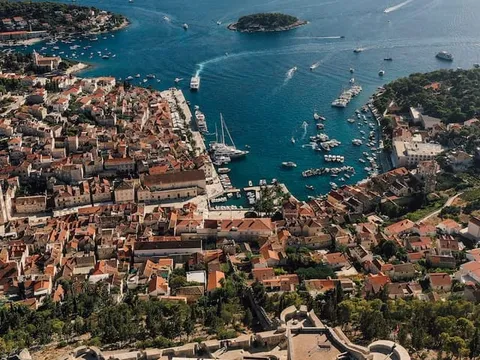 Split5 experiences
 Reykjavík12 experiences
 Akureyri2 experiences
 Puerto Plata13 experiences
 Samaná12 experiences
 Cartagena9 experiences
 Grand Cayman7 experiences
 Montego Bay6 experiences
 Belize4 experiences
 Barbados4 experiences
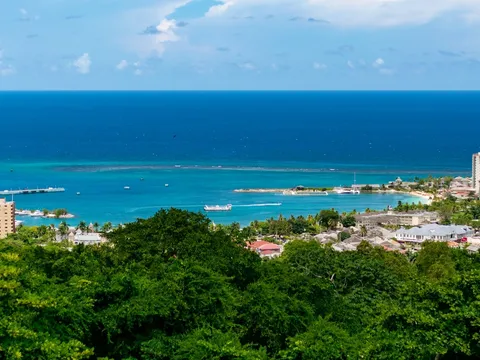 Ocho Rios4 experiences
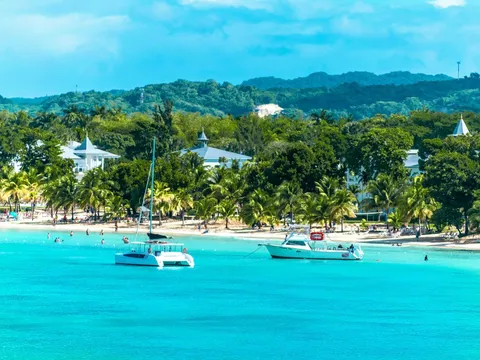 Negril3 experiences
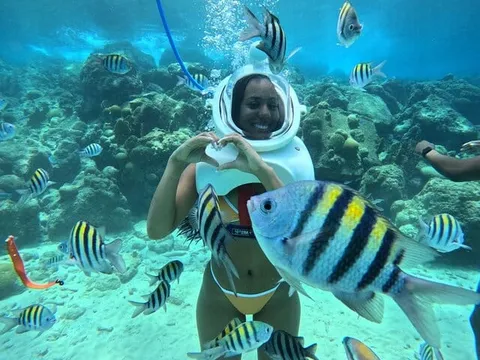 St Maarten1 experience
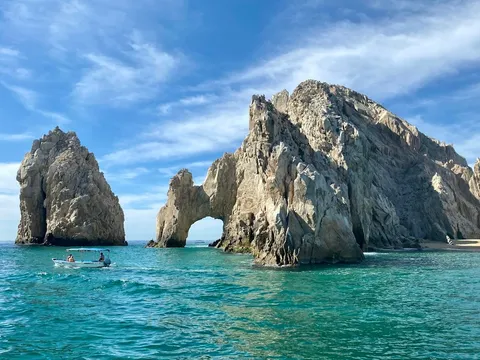 Cabo San Lucas40 experiences
 Cancun20 experiences
 Cozumel10 experiences
 Bacalar6 experiences
 La Paz5 experiences
 Puerto Vallarta3 experiences
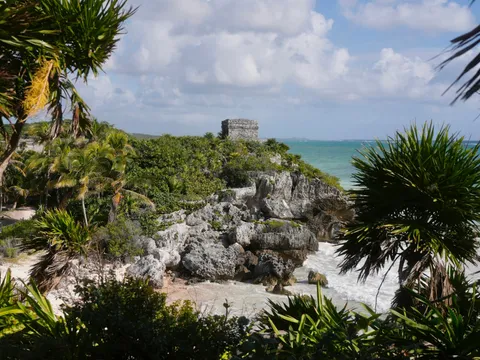 Tulum2 experiences
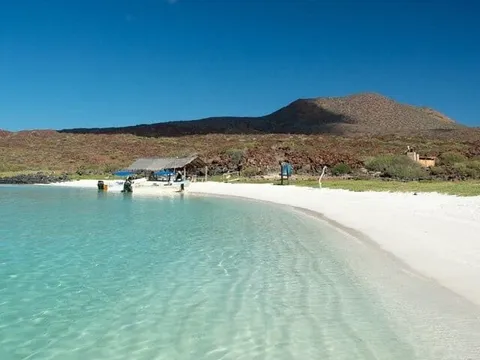 Loreto1 experience
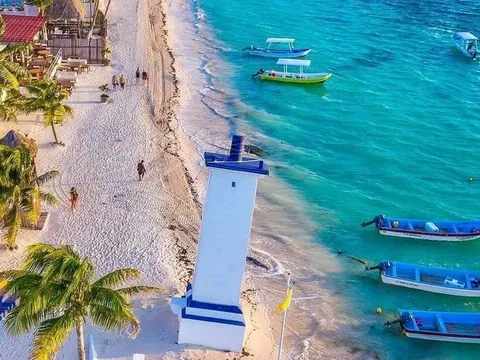 Puerto Morelos1 experience
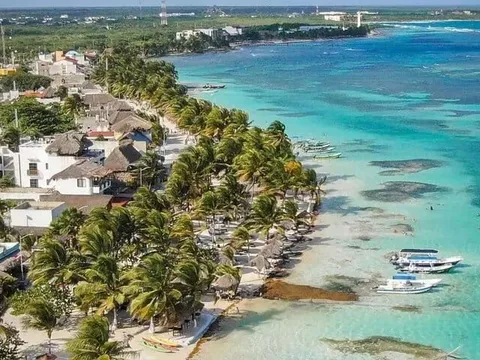 Mahahual1 experience
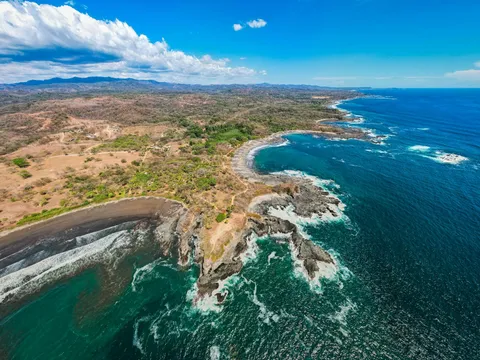 Costa Rica10 experiences
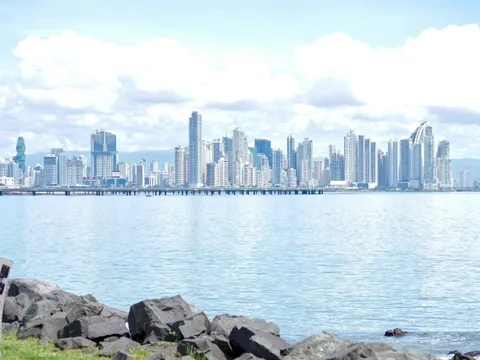 Panama2 experiences
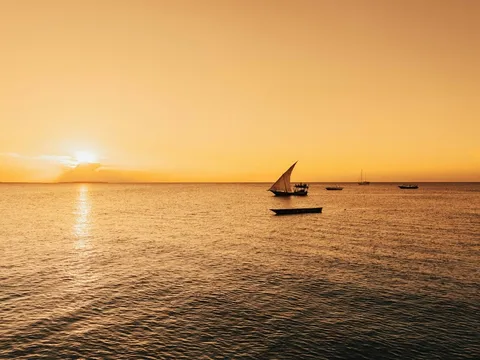 Zanzibar22 experiences
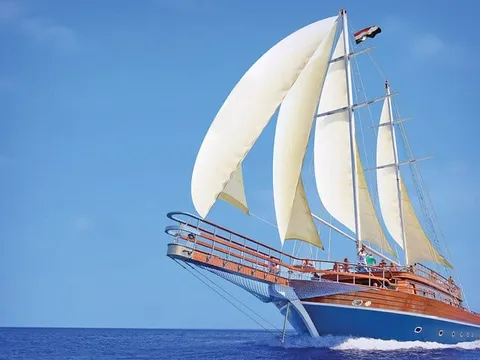 Hurghada6 experiences
 Sharm el-Sheikh5 experiences
 Marsa Alam3 experiences
 Dahab1 experience
 Phuket8 experiences
- All port guides →
Frequently asked questions about Bocas del Toro
When is the best time to visit Bocas del Toro, and what is the weather like?
The climate is tropical and wet. According to Wikipedia, Isla Colón averages about 26.5 °C and the province has highs of about 31 °C and lows of about 21 °C. It rains in every month, but the archipelago page puts the drier months at January to April and late August to October, and the wetter ones at April to August and November to December.
- Driest and wettest: in the climate chart on Wikivoyage, March is the driest month and December the wettest. Treat it as a guide: the sources do not agree to the month on where the seasons begin and end.
- Turtles: the Panama Tourism Authority puts the nesting season in the national park from April to October.
- Hurricanes: the UK Foreign Office says hurricanes do not directly affect Panama but often cause heavy rain.
Our trips run all year, always depending on conditions: see the trip pages.
What happens if it rains, the sea is rough or the weather changes?
The trip pages say the route (Starfish Beach or Dolphin Bay, and then the Solarte coral gardens) depends on availability and operational conditions, and that on the private charter the captain follows the route depending on weather, sea and operational conditions, considering your preferences when possible. They do not state what happens with rain or a rough sea, and we will not invent a policy.
- The 6-hour shared catamaran day needs a minimum of 8 guests to sail; if the minimum is not reached, you can reschedule for free or get a refund.
- The private catamaran charter is for your group only, up to 22 guests.
- Bring a light waterproof layer: it can rain in any month.
If you have doubts about your particular day, message us before you book.
How do I get to Bocas del Toro?
The Panama Tourism Authority describes three ways from Panama City. By air, the flight from Marcos A. Gelabert airport (Albrook) to the airport on Isla Colón takes about 45 minutes. By land, you go to the port of Almirante, the main entry point from the mainland, and a water taxi of about 35 minutes takes you to Isla Colón. By car from Panama City it takes about 9 hours; buses leave the Albrook terminal several times a day and there is private parking at the port.
- Albrook is the domestic airport; international flights land at Tocumen.
- From Costa Rica, the Sixaola River forms part of the border and travellers use the bridge between Guabito and Sixaola. The UK Foreign Office warns that protests can cause road blocks and affect the border crossing.
- We give no timetables, fares or airlines because they change: check them before you travel.
What are the main islands, and how do I move between them?
According to the Panama Tourism Authority and Wikipedia, Isla Colón is the hub of the archipelago and its most populated island, home to Bocas Town. Isla Carenero is a small, forested island without roads, about 2 minutes by boat from Bocas Town. Bastimentos is the largest island of the archipelago and gives access to the national marine park. Isla Solarte, also called Nancy’s Cay, is close to Bocas Town. The southern group includes Popa and Cayo de Agua.
- Between islands: according to Wikivoyage, water taxis from Bocas Town reach Carenero, Bastimentos, Cristóbal and Solarte.
- On Isla Colón: Wikipedia mentions yellow pickup trucks and minibuses marked “Transporte Colectivo”.
- Our free pick-up covers eligible hotels on Isla Colón and Isla Carenero; if you stay on another island, you make your own way to the Boteros dock in Bocas Town.
What is the Isla Bastimentos National Marine Park, and are the Zapatilla Cays part of it?
According to Wikipedia, the park was established in 1988 and is managed by the Ministry of Environment (MiAMBIENTE). It covers about 132 km² (sources give 13,226 or 13,266 hectares). The Panama Tourism Authority lists beaches, mangroves, coral reefs and tropical forests, classes it as an IUCN category II national park and notes that it was declared a Hope Spot by Mission Blue.
The Zapatilla Cays are inside the park: the tourism authority calls them “picture-postcard keys” and recommends snorkelling or diving tours there. Our catamaran day does not go to the park or to Zapatilla; if you want to see them, book a separate excursion with a local operator.
Are there dolphins in Dolphin Bay, and how should I watch them?
According to a study in PLOS ONE, the bottlenose dolphins of Bocas del Toro belong to the “inshore form” and have a haplotype not found in other Caribbean populations. The paper describes two interacting communities: one with high residency, mainly in Dolphin Bay, and one that is highly mobile. These dolphins sustain the largest dolphin-watching industry in Panama.
- Pressure: the authors say boat numbers have risen since 2004 and that national guidelines exist that many boats do not follow. We give no population figure because the studies differ.
- What we ask: keep a calm distance, do not try to touch or feed them and follow the crew’s instructions.
- No promises: they are wild animals, and neither Dolphin Bay nor any other stop guarantees a sighting.
How can I look after the starfish, turtles and coral?
The archipelago’s waters hold coral reefs, mangroves and seagrass beds, and the park’s beaches are nesting sites for sea turtles. According to Wikipedia, capturing sea turtles or their eggs is prohibited, and the Panama Tourism Authority highlights the hawksbill, an endangered species, on Cayo Zapatilla from April to October.
- Starfish: guides agree on not touching them or lifting them out of the water. We could not read an official rule, so we give it as advice, which we ask you to follow.
- Coral: do not stand on it, touch it or take shells or pieces away.
- Fishing: Wikipedia notes that fishing is regulated by Law 204 of 2021, with a lobster season from 1 March to 1 July.
What do I need to enter Panama?
The requirements depend on your nationality and change, so confirm them with your own foreign ministry and with Panama’s immigration service before you travel. As a reference: the UK Foreign Office asks for a passport valid for at least 6 months after the day you leave and with a blank page, and you may be asked for a return or onward ticket and proof of funds; the Spanish Ministry of Foreign Affairs speaks of a passport with more than three months of validity, an exit ticket and proof of means. The two sources disagree on validity, so it is wise to meet the stricter one. We give no amounts.
- You can stay up to 3 months without a visa, according to the UK Foreign Office, although arrivals by sea have different rules.
- If you arrive from a country with a yellow fever risk, a vaccination certificate is required.
- Leaving for a neighbouring country and coming back to extend your stay is risky.
What currency is used, what language is spoken, and what plugs are used?
The official currency is the balboa, pegged 1:1 to the US dollar; Panama issues only coins, and the banknotes in circulation are American. Bring dollars, including small notes. We could not check card acceptance on the islands, and the UK Foreign Office warns that people have been attacked after withdrawing cash from ATMs: be discreet.
- Language: Spanish is the official language. The province also has its own form of English, Bocas del Toro Creole.
- Plugs: according to Wikipedia, types A and B, with a nominal 120/240 V at 60 Hz. Check your devices.
- Tips: they are not included in our trips; we give no amounts.
What do the official sources say about health and vaccines?
Ask your health service or an international vaccination clinic in good time: the UK Foreign Office recommends doing so at least eight weeks before you travel. Among the health risks in Panama it lists dengue, malaria, Zika and chikungunya.
- Mosquitoes: the Spanish Foreign Ministry says dengue is relatively frequent, especially in the rainy season, and recommends repellent and mosquito nets. On malaria it reports cases mainly in Guna Yala and Darién, without naming Bocas del Toro; ask your doctor all the same.
- Water: the same source says water is drinkable in provincial capitals, and Bocas Town is the capital of its province; the UK Foreign Office asks you to follow local recommendations in rural and island areas. Ask at your accommodation and, if in doubt, drink bottled water.
- Medical care: there is a hospital in Bocas Town, but facilities outside the capital are limited; both sources recommend insurance with medical evacuation. Emergencies: 911; ambulance: 103.
Is it safe to travel to Bocas del Toro, and what official advice is there?
The Spanish Ministry of Foreign Affairs lists Bocas del Toro among the tourist areas where robberies have been reported and places it in a medium-risk area, advising caution against theft and assault, especially after dark. The UK Foreign Office mentions pickpockets in busy areas and people attacked after withdrawing cash from ATMs, and does not name Bocas del Toro on its safety pages.
- Sea: the UK Foreign Office warns that some beaches have strong currents and undertows, that signs are rare and that people drown every year. Swim in calm places and listen to the crew.
- Protests: they can be unpredictable, block roads and affect the border; follow local media.
- Earthquakes: they are a risk in Panama, and the Spanish ministry notes that seismic activity mainly affects Chiriquí and Bocas del Toro.
Check the current versions of the advice before you set off.
Are the trips suitable for children, babies and visitors with reduced mobility?
The pages of the 6-hour shared catamaran day and the private catamaran charter set no minimum age, but both say they are not wheelchair or stroller accessible, that infant seats are not available and that they are not recommended for pregnant travellers. On the private charter, infants must not sit on laps.
- You reach the boat by water taxi or from the dock, so you need to be able to step on and off boats.
- If in doubt, message us before you book and read the trip page.
What else can I do in Bocas del Toro besides the boat?
Wikipedia lists on Isla Colón the main park of Bocas Town, the Governor’s Building, the La Gruta bat cave and the beaches of Itsmito (La Feria), Big Creek, Bluff, Mimitibi, Boca del Drago and Starfish. On Bastimentos there are Wizard Beach, reached by a path from Old Bank in dry weather, and Red Frog Beach, with a water taxi from a marina on the south side.
- Nature: Isla Colón, Bastimentos, Cristóbal, Popa, Solarte and Cayo de Agua form an Important Bird Area.
- Science: the Smithsonian research station on Isla Colón holds lectures open to the public by visiting scientists.
- Culture: the Panama Tourism Authority offers visits to Indigenous communities.
- Festivals: the Feria del Mar takes place on Isla Colón; sources disagree on the dates, so confirm them.
