
Boat trips and experiences in Samaná
12 experiencesPort guide →All of Dominican Republic →
No experiences match these filters. Try another port or type.
From the blog
Guides and news
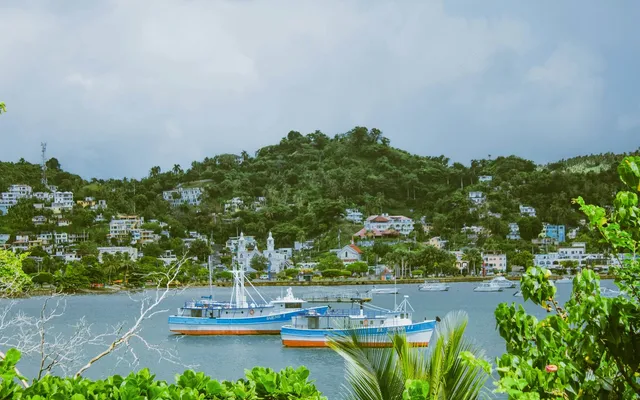
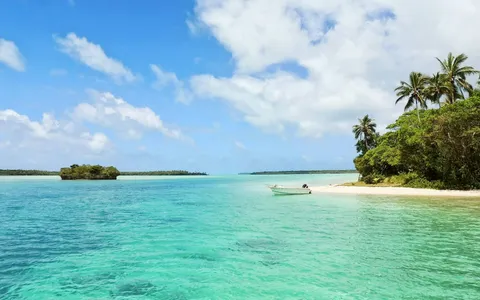 Destinations · 27 October 2026 · 5 minMontego Bay by catamaran: how to choose your trip
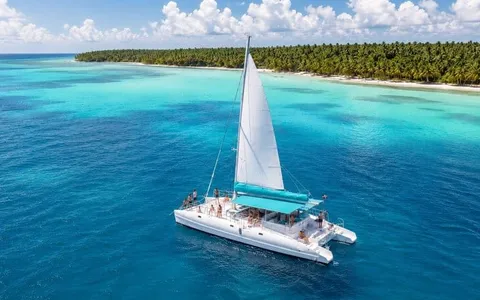 Destinations · 26 October 2026 · 11 minThe Caribbean by Boat: Catamaran and Boat Trip Guide
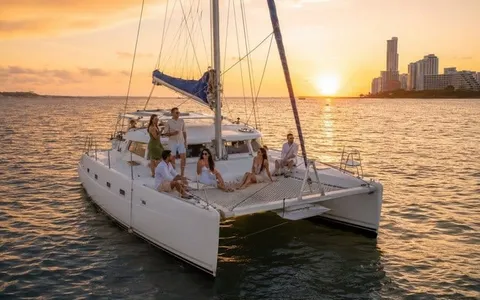 Destinations · 27 October 2026 · 5 minRosario Islands from Cartagena: which tour to choose
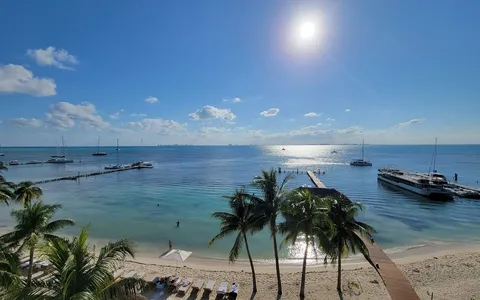 Destinations · 27 October 2026 · 5 minCancún to Isla Mujeres: ferry or catamaran?
More places to sail
Every destination has its own guide and its own trips.
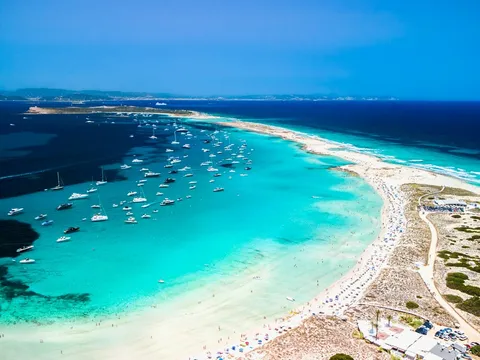 Ibiza4 experiences
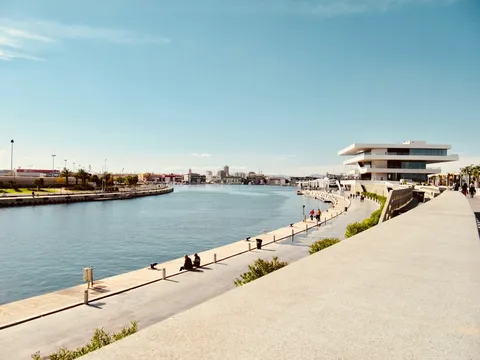 Valencia3 experiences
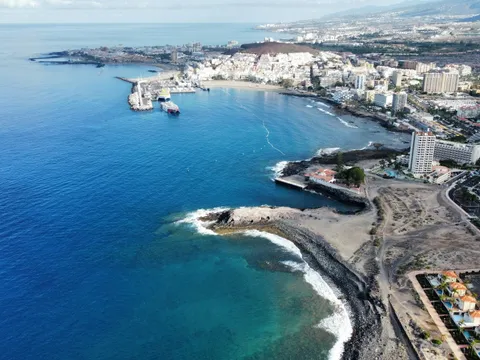 Tenerife2 experiences
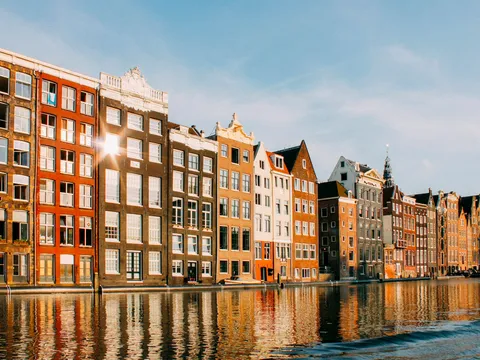 Amsterdam4 experiences
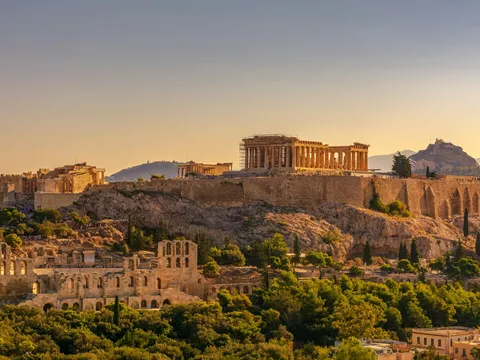 Athens5 experiences
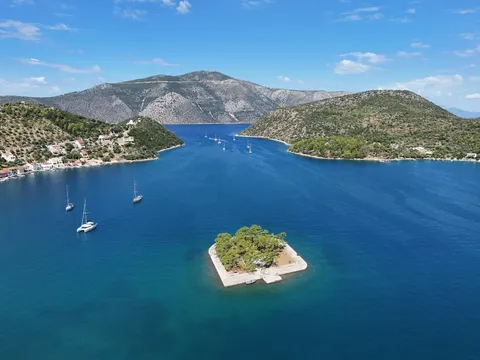 Ithaca4 experiences
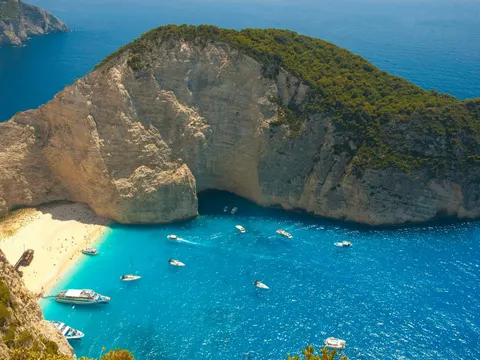 Zakynthos1 experience
 Paros1 experience
 Crete1 experience
 Split5 experiences
 Reykjavík12 experiences
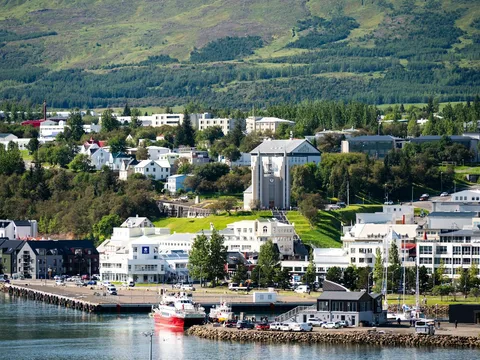 Akureyri2 experiences
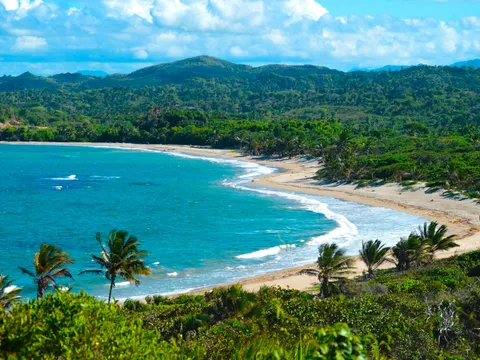 Puerto Plata13 experiences
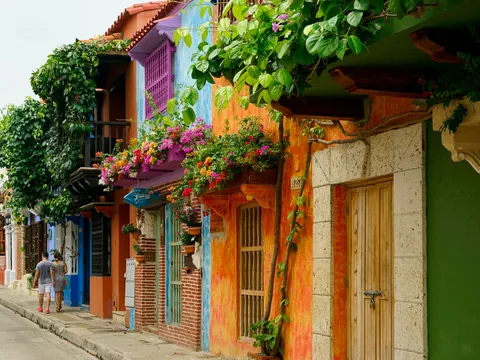 Cartagena9 experiences
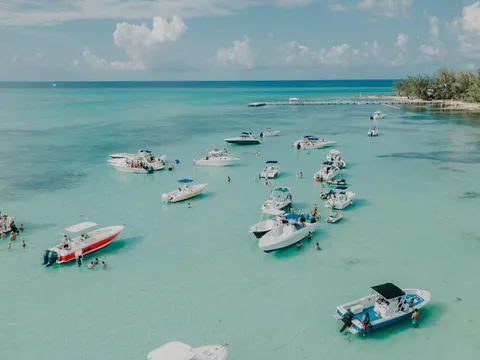 Grand Cayman7 experiences
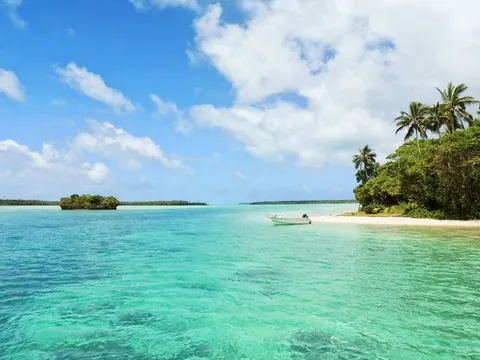 Montego Bay6 experiences
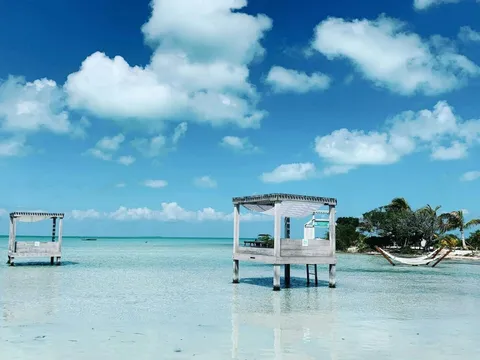 Belize4 experiences
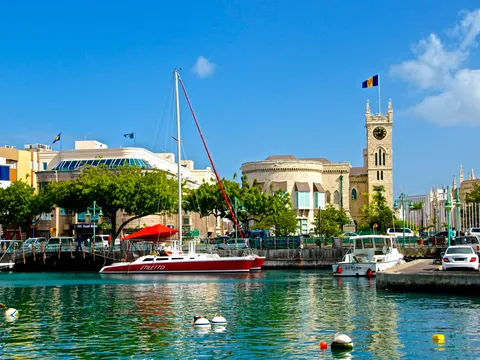 Barbados4 experiences
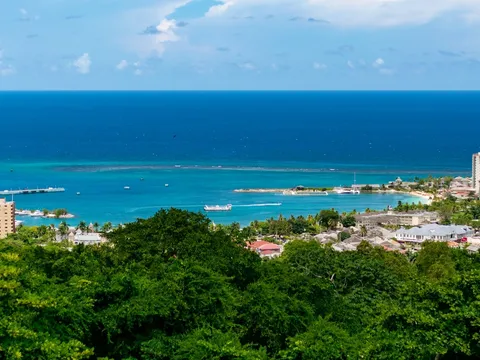 Ocho Rios4 experiences
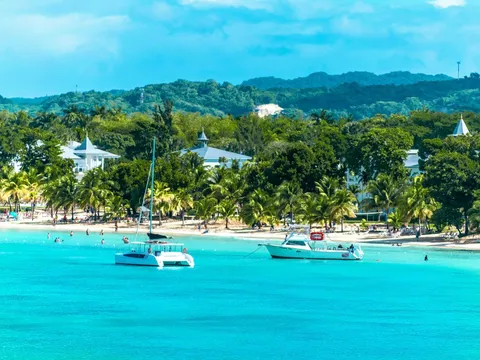 Negril3 experiences
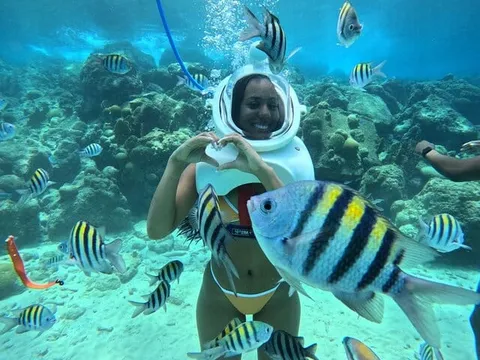 St Maarten1 experience
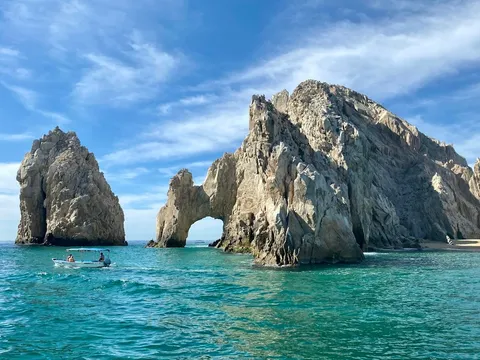 Cabo San Lucas40 experiences
 Cancun20 experiences
 Cozumel10 experiences
 Bacalar6 experiences
 La Paz5 experiences
 Puerto Vallarta3 experiences
 Tulum2 experiences
 Loreto1 experience
 Puerto Morelos1 experience
 Mahahual1 experience
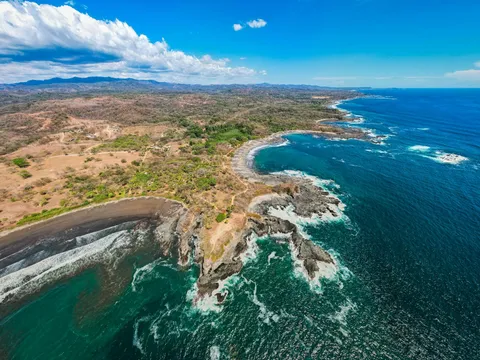 Costa Rica10 experiences
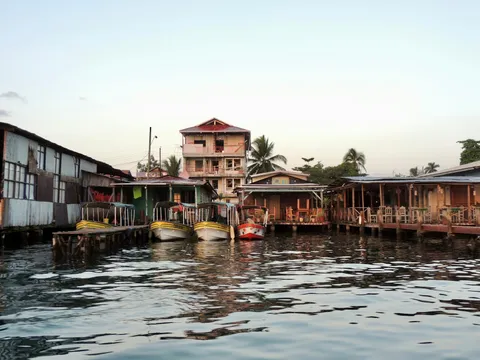 Bocas del Toro2 experiences
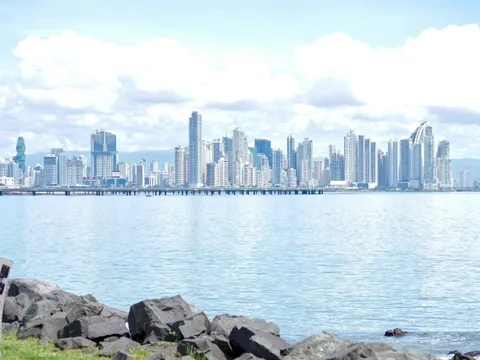 Panama2 experiences
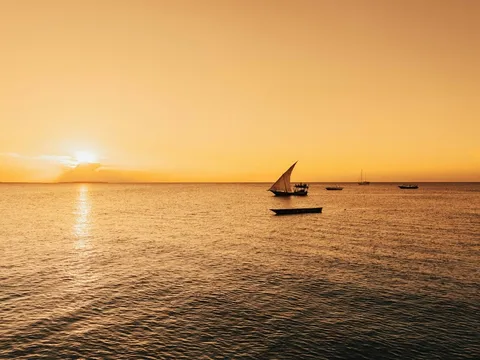 Zanzibar22 experiences
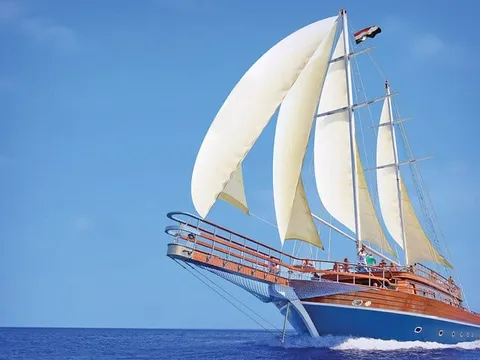 Hurghada6 experiences
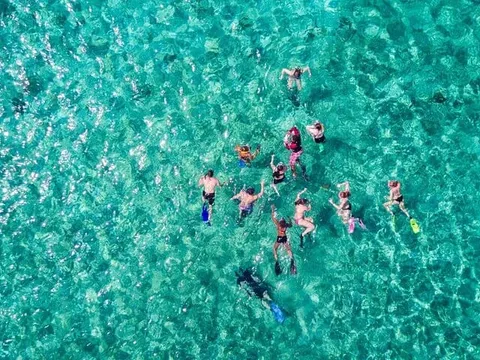 Sharm el-Sheikh5 experiences
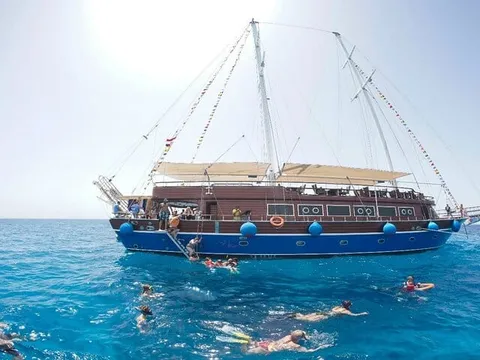 Marsa Alam3 experiences
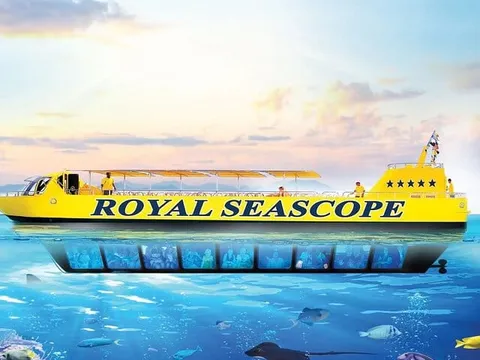 Dahab1 experience
 Phuket8 experiences
- All port guides →
Frequently asked questions about Samaná
When is the best time to visit Samaná, and what is the weather like?
According to the NOAA 1961 to 1990 figures reproduced by Wikipedia, Samaná town has a mean annual temperature of 26.2 °C and about 2,212 mm of rain a year spread over roughly 180 days. February is the driest month (about 110 mm) and November the wettest (about 257 mm); the recorded extremes run from 14.5 °C to 39.2 °C. The province has a tropical rainforest climate, and Los Haitises National Park, on the far side of the bay, gets about 1,900 to 2,000 mm a year.
- Hurricanes: the official Atlantic season runs from 1 June to 30 November (US National Hurricane Center). The UK Foreign Office says the sea can be dangerous in hurricane season and advises following sea-condition warnings.
- Whales: the humpbacks are in the bay in winter; see the question on the season.
These are historical averages from a land station, not a forecast. The pages of our trips do not explain what happens in bad weather and we will not invent a policy: read the conditions on each page and ask before you book.
When is the whale season, and who regulates it?
The Ministry of Environment and Natural Resources opens the season every year, from 15 January. Diario Libre reported in January 2026 that the ministry had officially opened it for Samaná Bay and the Marine Mammal Sanctuary of the Silver and Navidad Banks (Bancos de La Plata y de La Navidad). The closing dates we found vary by year and source (15 March in a 2015 note, 31 March in 2022 for the bay), so we give no official closing date. Our whale trips list the season as 15 January to 31 March.
- Permits: according to that article, a sanctuary management committee handles permits, vessel inspections and captain training, and the ministry will issue 46 environmental permits in 2026 (43 thematic authorisations and 3 operations from Puerto Plata). Operators must be authorised.
- Viewing rules: we found no official minimum distance in the sources we could read, so we give none. Always follow your crew’s instructions.
- Fee: the trip pages say the whale sanctuary fee is not included and is paid separately; we give no amount because it can change.
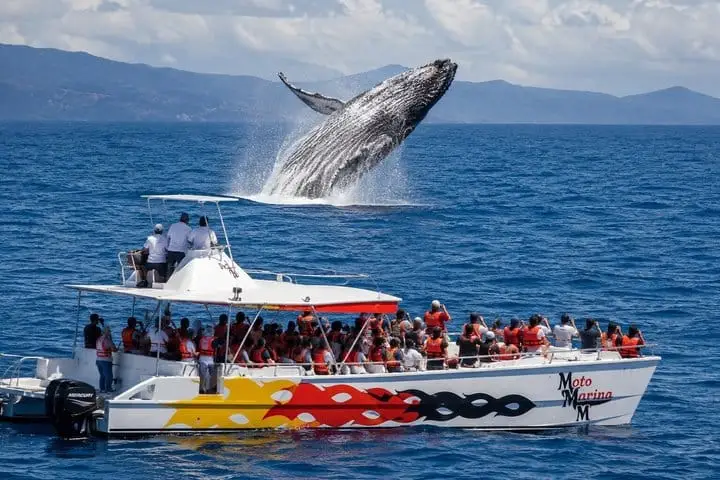
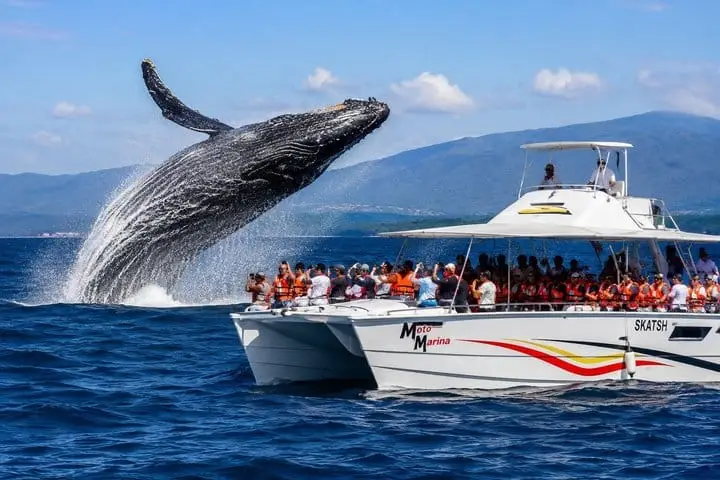
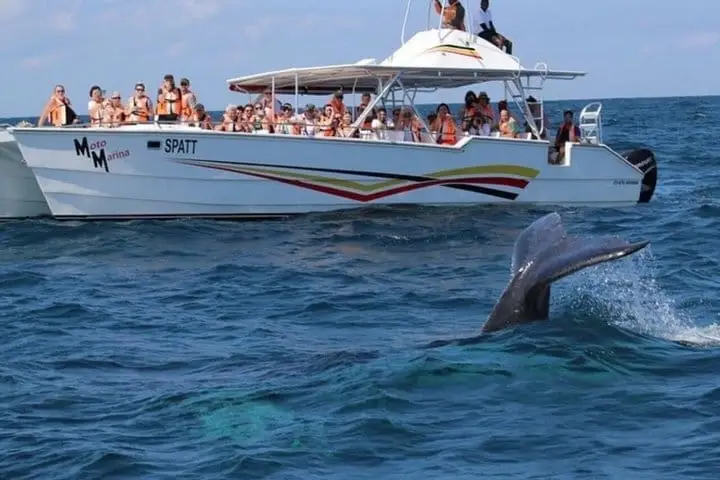
There is the full-day whale trip with lunch on Cayo Levantado, the half-day whale trip and the whale trip for cruise passengers. Sightings are never guaranteed.
Where do the humpback whales come from, and what do they do in the bay?
According to Wikipedia, the North Atlantic humpbacks that winter in the West Indies feed in summer off New England, eastern Canada and western Greenland, and can travel up to about 8,000 km one way. In winter, the breeding season, mothers move into shallower coastal water to give birth, usually to a single calf of about 4.3 m at birth, and males sing complex songs that can last between 4 and 33 minutes.
Wikipedia also describes the species’ surface behaviour: breaching, tail slapping and flipper slapping. The pages of our trips mention breaches and tail slaps, and the cruise-passenger page adds courtship displays, whale songs and mothers with calves among the possible sightings, with narration in English, Spanish, French and Italian. “Possible” means possible: no page guarantees what you will see.
A good place to start is the half-day whale trip.
How do I get to Samaná, and how do I get around?
The peninsula’s international airport is Samaná El Catey (AZS), which opened on 6 November 2006 near Sánchez. According to Wikipedia it is about 30 minutes by car from Las Terrenas, about 40 from Samaná town and roughly an hour from Las Galeras. Arroyo Barril airport, about 10 miles by road from the town, handles domestic flights. We give no flight routes because they change.
- By road: a motorway to Santo Domingo opened in 2008, and Las Terrenas is about 225 km from the capital. The UK Foreign Office says the road death rate is high and that driving outside the main cities at night can be dangerous.
- Taxis: use an authorised airport or hotel taxi service or a registered provider; ride-hailing apps are widely available, according to the same office.
We give no fares or road journey times we could not check in official sources. Our trips start at Moto Marina in Samaná town: your accommodation or transfer provider will tell you how long it takes to get there.
What is Los Haitises National Park?
According to Wikipedia, it is a national park of 826 km², enlarged from 208 km² by a 1996 decree. It was created on 3 June 1976, and most of it lies in Hato Mayor province, with the rest in Monte Plata and Samaná. It is a platform karst formed in the Miocene, with conical hills, sinkholes, many caves and the greatest abundance of Caribbean mangrove, dominated by red and white mangrove. It is a very wet area, with about 1,900 to 2,000 mm a year.
- Rock art: some caves hold pictographs and petroglyphs; Wikipedia notes that their makers are not identified and that some may predate the Taíno.
- Birds: the park is home to brown pelican, magnificent frigatebird and the world’s largest population of Ridgway’s hawk; Cayo de los Pájaros is known for the frigatebirds and pelicans circling above it.
- Access: most visitors arrive by sea from Sabana de la Mar, Sánchez or Samaná.
With us you can go on the full-day trip to Los Haitises and Cayo Levantado, the cruise-passenger excursion (which names the Cueva de la Línea and the Cueva del Ferrocarril) or the private yacht trip (which names the San Gabriel and La Arena caves). The park entrance fee is not included and is paid separately; we give no amount.
What are Cayo Levantado and Cayo La Farola?
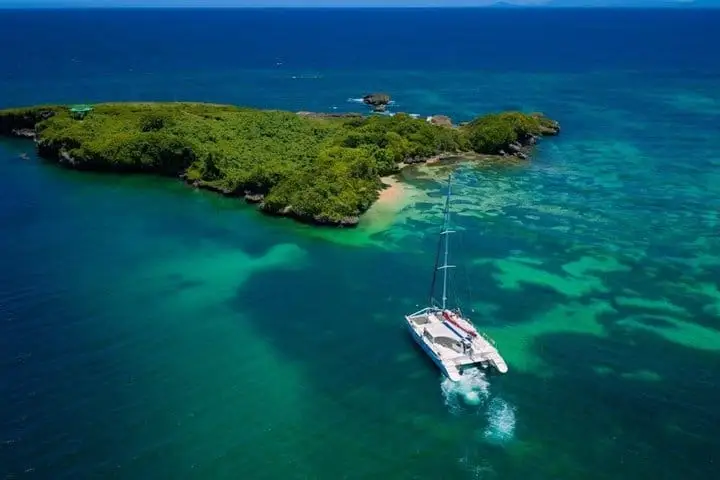
Cayo Levantado is a small island in Samaná Bay that, according to Wikipedia, measures about 0.5 km north to south by 0.9 km east to west and rises to 26 m at its highest point. It is informally called “Bacardi Island” because it appeared in Bacardi rum advertisements. Cayo La Farola is another key in the bay; the page of our snorkelling trip describes it as a reef with coral and fish and visibility of up to 20 m, which we cannot guarantee.
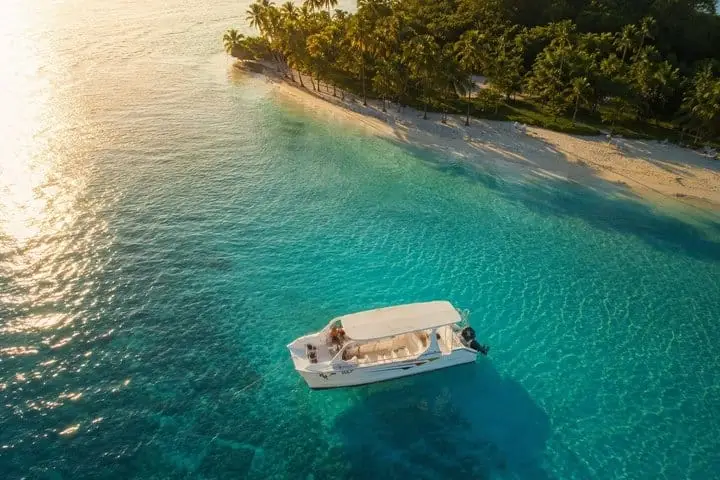
- With a landing: several trips go ashore at Cayo Levantado, such as the whale trip with lunch on the beach, the private Cayo Levantado day trip and the private sailing charter; lunch depends on each page.
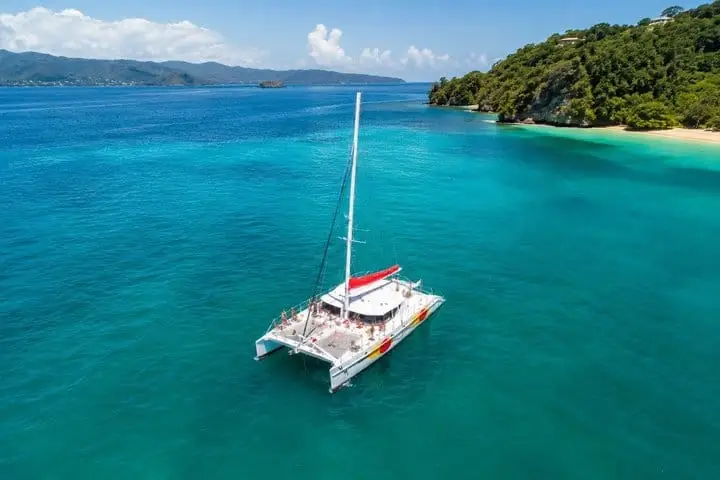
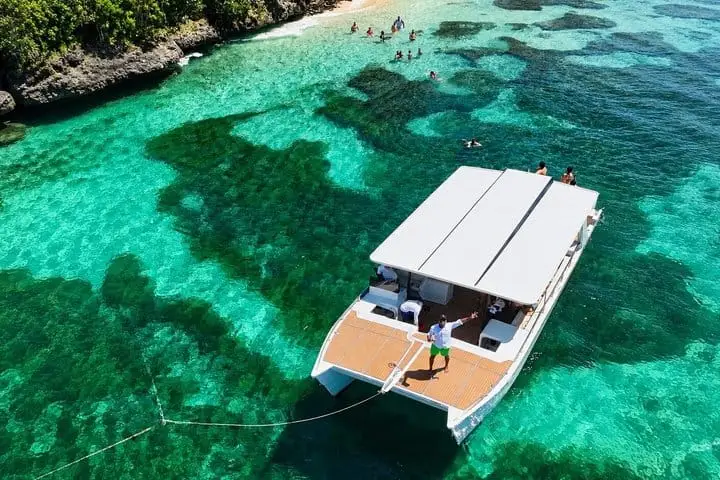
- With snorkelling: the sailing trip with snorkelling at Cayo La Farola includes snorkel gear and lunch on Cayo Levantado; the five-hour snorkelling trip anchors off Cayo Levantado without a landing.
What each page includes (lunch, drinks, gear) differs from trip to trip: read it before you book.
I’m arriving on a cruise ship: how do the excursions work?
Three of our excursions are designed for cruise passengers: the half-day whale trip, the Cayo Levantado beach day (Mondays, Wednesdays and Fridays only) and the Los Haitises and Cayo Levantado excursion. The pages say the crew meets you near the cruise pier (Samaná Bayport, Samaná Town Marina or Embat Dock), within a 4 to 8 minute walk of the boarding area, and that you must give your ship’s name when you book.
- Back-to-ship guarantee: the pages mention a guarantee that you return to your ship; read it on each page, because the conditions are theirs.
- Times: the whale excursion is listed from 09:30 to 13:30; check each page’s start time and compare it with the all-aboard time your cruise line gives you.
- Fees: the whale sanctuary fee or the national park fee, depending on the excursion, is not included.
What do I need to enter the Dominican Republic?
Requirements depend on your nationality and change, so check them with your country’s foreign ministry or consulate before you travel. As an example, the UK Foreign Office says for British passport holders:
- Form: you must complete an online entry and exit form (the e-ticket) before arriving and before leaving, up to 7 days ahead, and you receive a QR code.
- Visa: no visa is needed for tourism for 30 days, extendable by paying up to 120 days.
- Passport: it must remain valid for the duration of your visit.
- Yellow fever: depending on your circumstances a certificate may be needed; check vaccines at least 8 weeks before travel.
- Customs: you must declare anything that may be prohibited or subject to tax or duty.
This is the position for one nationality; the conditions for others may differ.
What currency is used, what language is spoken, and what plugs are used?
Currency: the Dominican peso (DOP, sometimes written RD$). According to Wikipedia, apart from the peso only the US dollar is legal tender, and dollars and euros can be used in private deals if both parties agree, mostly in tourism. The notes in circulation run from 50 to 2,000 pesos. We give no exchange rates or tipping customs because we could not check them.
Language: Spanish is the official language. In Las Terrenas, Wikipedia describes French as the town’s second language. Our trip pages speak of a multilingual crew and, on the whale trips, narration in English, Spanish, French and Italian.
Time and plugs: the time zone is UTC−4. Sockets are types A, B and C, at around 120 V and 60 Hz, according to Wikipedia; check that your device accepts that voltage.
What do the official sources say about health and safety?
We are not a medical or security source. The UK Foreign Office says in its travel advice (check the current version, because it changes):
- Crime: the rate is high; avoid remote areas after dark and keep payment cards in view or pay in cash.
- Beaches and activities: lifeguards and rescue equipment may not be available, and providers of adventure tourism may not meet UK standards; check the operator’s standards and your insurance before taking a boat tour.
- Health: tap water is not drinkable; it lists malaria, Oropouche virus disease and dengue as risks, says public medical facilities are limited and private hospitals good but expensive. It recommends travel health insurance covering treatment and repatriation, and checking vaccines at least 8 weeks before travel.
- Emergencies: the emergency number is 911, according to the Mexican foreign ministry’s travel guide.
The pages of our trips list life jackets and marine insurance; none of that replaces your own travel insurance.
Are the trips suitable for children, babies and visitors with reduced mobility?
The pages give no minimum age, but they warn that the Samaná trips are not wheelchair or stroller accessible, that there are no infant seats and that they are not recommended for pregnant travellers. All list life jackets (on the Los Haitises trip, in all sizes) and marine insurance.
- The half-day whale trip lasts about 4 hours and does not include lunch.
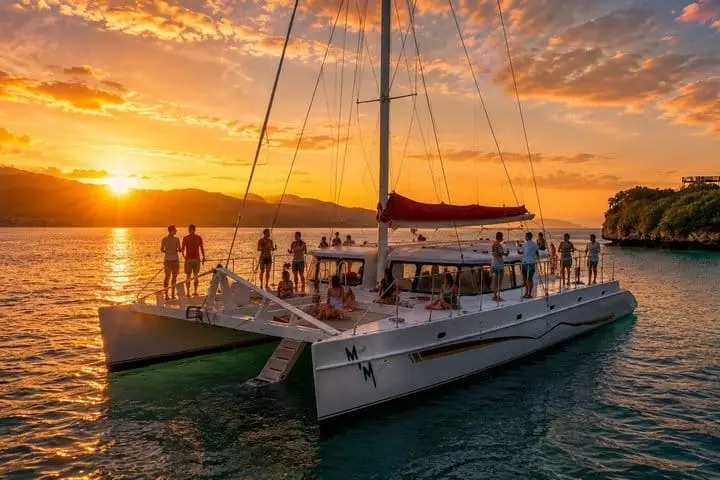
- The five-hour snorkelling trip and the 3-hour sunset cruise are shorter than a full day; the sunset cruise has an open bar, so check the page if you travel with children.
Ask before you book if your situation needs something specific: the operator will tell you whether it can be adapted.
What is there to see on land besides the trips?
Some ideas, with the sources we could consult:
- El Limón waterfall: according to the Caribbean Birding Trail, three falls of up to 47 m, about 24 km by road from Samaná; from the village it is a walk of about 5.6 km, and the trails can be muddy, especially where horses have passed.
- Las Terrenas: according to Wikipedia, a coastal town founded in 1946, about 225 km from Santo Domingo, with white-sand beaches and an influential French community.
- Las Galeras: at the eastern end of the peninsula, on Rincón Bay; there are beaches such as Frontón and Rincón.
- The Samaná bridges: according to Spanish Wikipedia, they link the mainland with the cays of Linares and Vigía.
- The “Samaná Americans”: descendants of American families who settled here in the 1820s, according to Wikipedia.
If you want to see the town’s waterfront from the water, look at the sunset cruise with open bar and music.
