
Boat trips and experiences in Kos
2 experiencesPort guide →All of Greece →
No experiences match these filters. Try another port or type.
From the blog
Guides and news
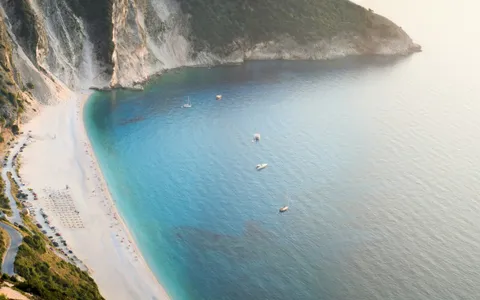 Destinations · 27 October 2026 · 7 minKefalonia by boat: cruises, beaches and islands
 Destinations · 11 November 2026 · 11 minEgypt’s Red Sea by Boat: 5 Places You Shouldn’t Miss
 Destinations · 27 October 2026 · 5 minBarcelona from the sea: sailing from Port Olímpic
 Destinations · 27 October 2026 · 5 minIbiza and Formentera by boat: anchoring and posidonia
More places to sail
Every destination has its own guide and its own trips.
 Tenerife26 experiences
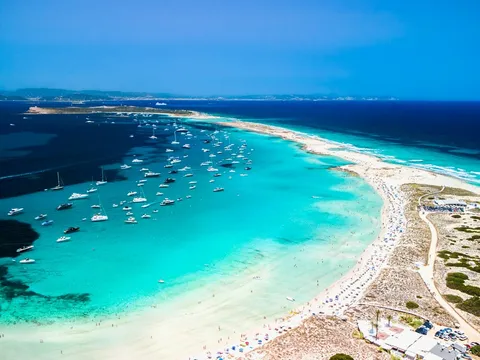 Ibiza11 experiences
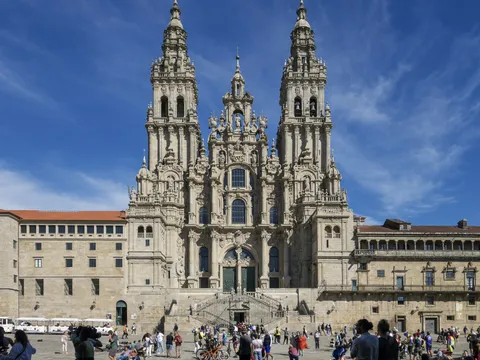 Santiago de Compostela4 experiences
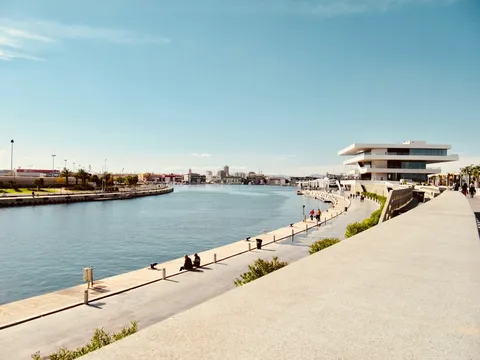 Valencia3 experiences
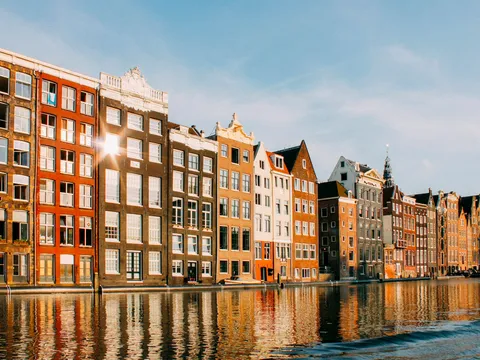 Amsterdam4 experiences
 Santorini19 experiences
 Paros9 experiences
 Athens8 experiences
 Crete8 experiences
 Skiathos6 experiences
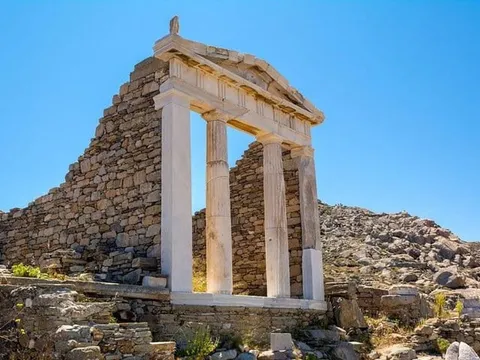 Naxos5 experiences
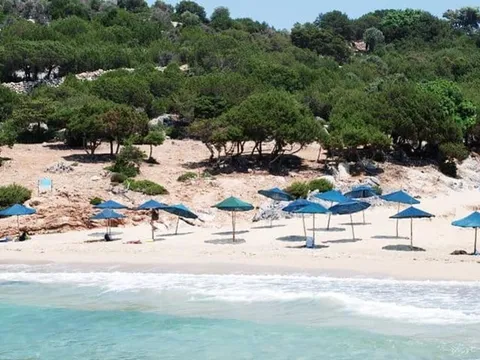 Samos5 experiences
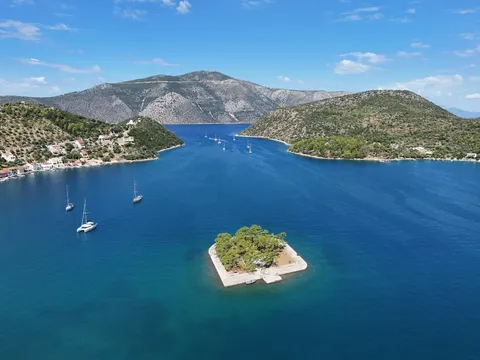 Ithaca4 experiences
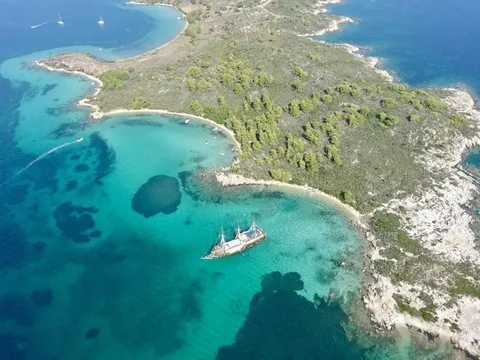 Halkidiki4 experiences
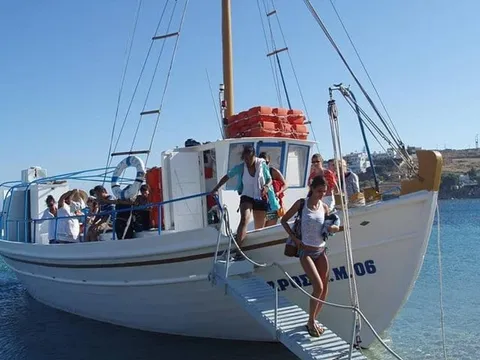 Mykonos4 experiences
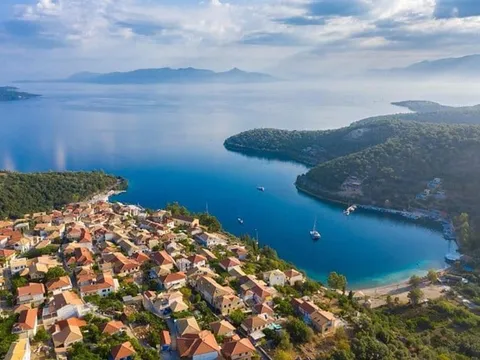 Lefkada4 experiences
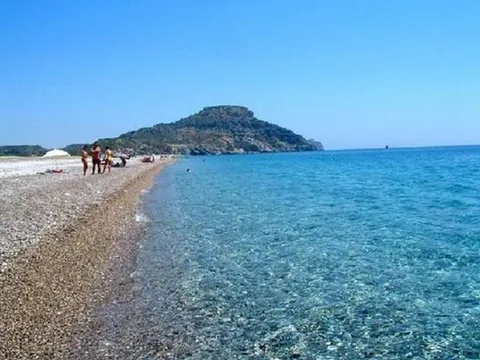 Rhodes4 experiences
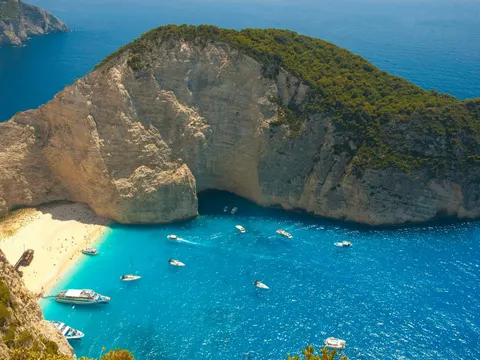 Zakynthos3 experiences
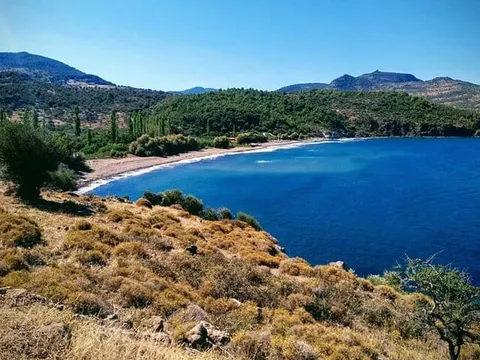 Lesbos3 experiences
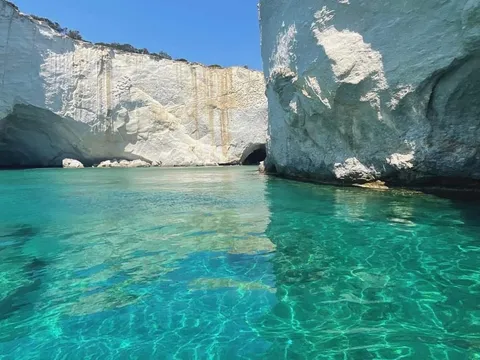 Milos2 experiences
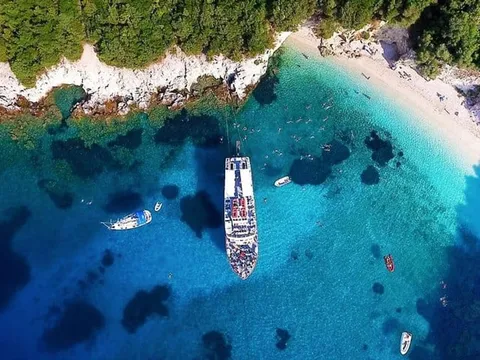 Corfu2 experiences
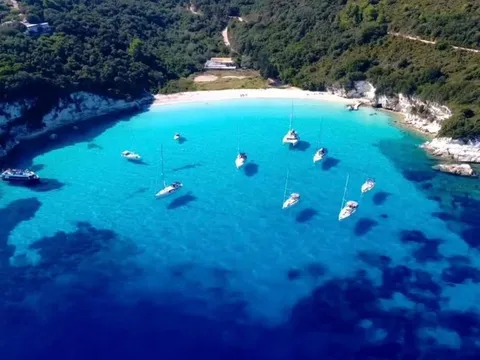 Parga1 experience
 Split5 experiences
 Cyprus3 experiences
 Reykjavík12 experiences
 Akureyri2 experiences
 Puerto Plata13 experiences
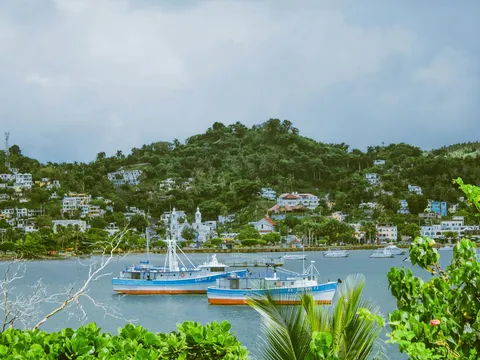 Samaná12 experiences
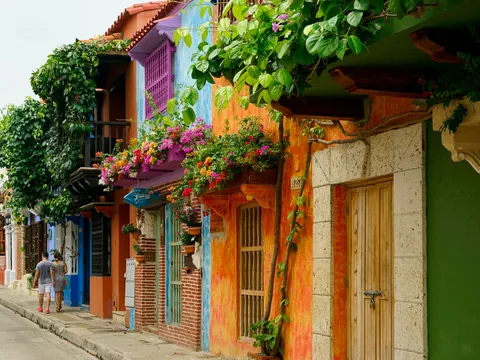 Cartagena9 experiences
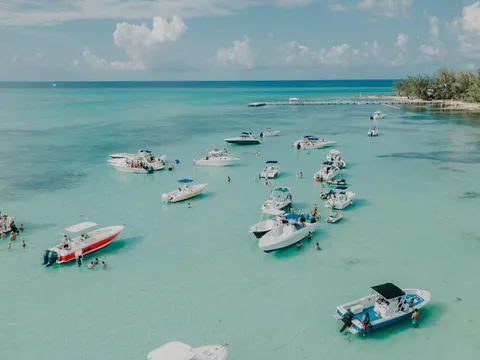 Grand Cayman7 experiences
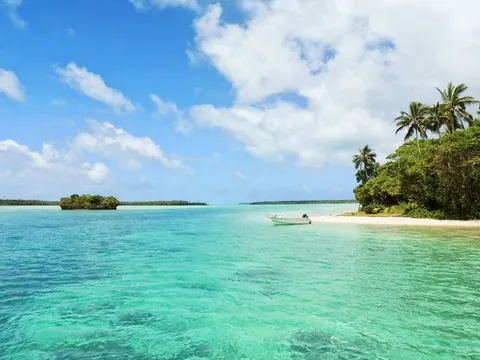 Montego Bay6 experiences
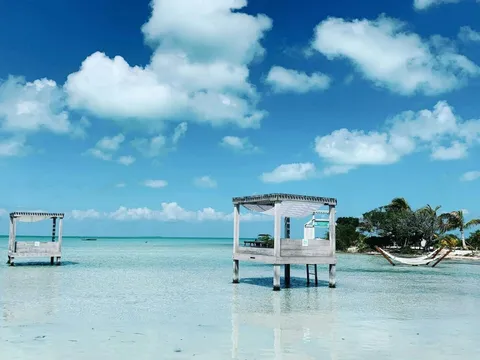 Belize4 experiences
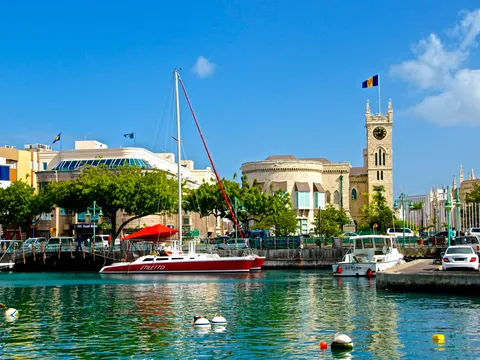 Barbados4 experiences
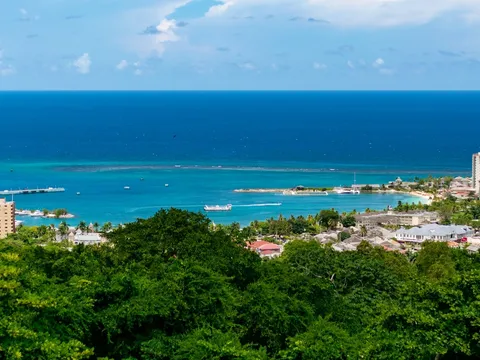 Ocho Rios4 experiences
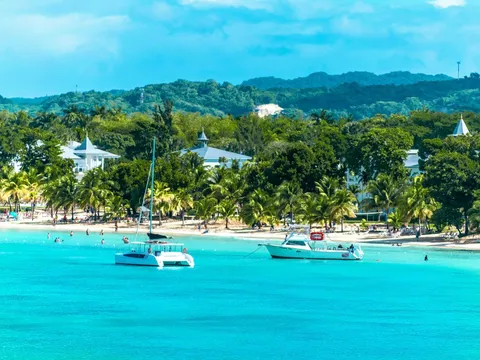 Negril3 experiences
 St Maarten1 experience
 Cabo San Lucas40 experiences
 Cancun20 experiences
 Cozumel10 experiences
 Bacalar6 experiences
 La Paz5 experiences
 Puerto Vallarta3 experiences
 Tulum2 experiences
 Loreto1 experience
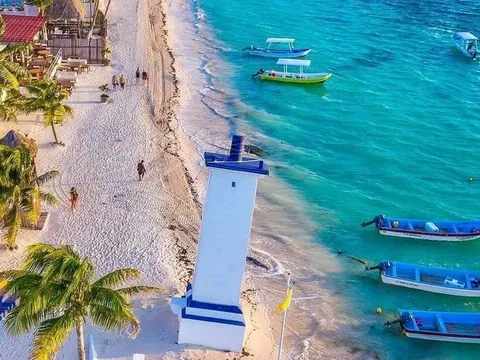 Puerto Morelos1 experience
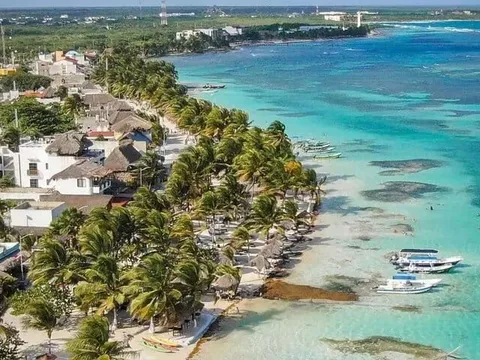 Mahahual1 experience
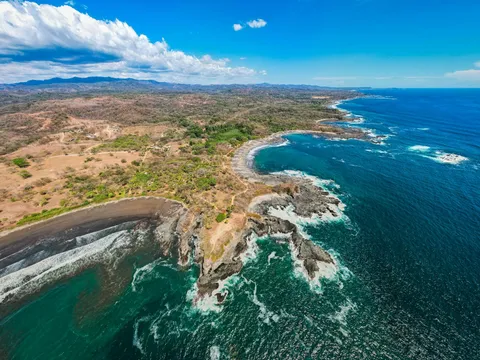 Costa Rica10 experiences
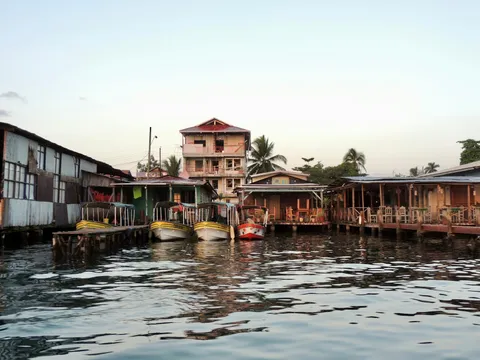 Bocas del Toro2 experiences
 Panama2 experiences
 Zanzibar38 experiences
 Hurghada6 experiences
 Sharm el-Sheikh5 experiences
 Marsa Alam2 experiences
 Dahab1 experience
 Phuket19 experiences
 Dubai1 experience
- All port guides →
Frequently asked questions about Kos
What is Kos known for?
According to Visit Greece, Kos is the third largest island of the Dodecanese and an open-air museum of ancient and medieval monuments. It says Hippocrates, the father of medicine, was born here and that the town has Italian-period buildings, knights’ fortifications and mosques.
The Municipality of Kos calls the Asklepieion, the sanctuary of Asclepius, the most significant archaeological monument on the island.
When is the best time to visit Kos?
The Hellenic National Meteorological Service (HNMS) describes Greece’s climate as Mediterranean, with a cold, rainy season from mid-October to the end of March and a warm, rainless season from April to October. It says the hottest period is the last ten days of July and the first of August, with mean maximum temperatures of 29 to 35 °C across the country, and that sea breezes and the seasonal northerly winds of the Aegean moderate the heat.
We found no official climate figures for Kos itself. Our trips are on sale from May to October 2027: check the calendar of each one.
How do I get to Kos?
Greek Airports lists Kos Island International Airport “Hippocrates” (KGS), and Visit Greece gives about 1 hour for the flight from Athens and about 1 hour 40 minutes from Thessaloniki. Kos can also be reached by sea: ferry companies and timetables change with the season, so check them with the company or the local port authority.
From the airport, Greek Airports says KTEL Kos buses serve Kos Town, Kardamena and Kefalos, and taxis are available, often at fixed rates for Kardamena and Kefalos.
Which of our Kos trips should I choose?
Both trips take about a day and use a boat, but they are different experiences:
- Nisyros, the volcanic island: about 8 hours. A bus to the port of Kardamena, a boat crossing, then a bus to the volcano and free time in Mandraki. It is a tour with a boat leg.
- Kalymnos and Pserimos day cruise: about 8 hours 30 minutes. A sailing day from Kos port on a traditional wooden boat, with swimming stops and a barbecue lunch.
Is the Nisyros volcano active, and is it safe to visit?
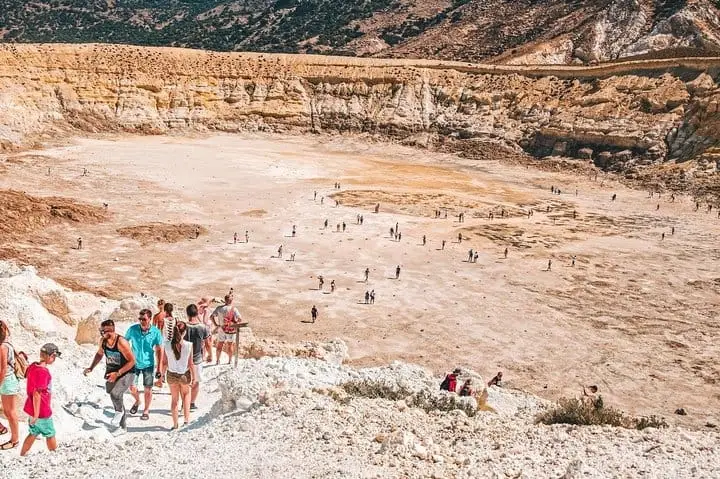
Visit Greece describes Nisyros as an island known for its volcano, with a caldera about 4 km across and Stefanos as its most famous and accessible crater. It records the last strong activity in 1888 and says the Volcanological Museum is in Nikia and a permanent monitoring station, the Volcanological Observatory, in Emporios.
The Aegean Islands tourism portal says visitors walk over hot ground and crevasses along marked yellow lines, so stay on the marked path. Our trip page warns of a strong smell of sulphur.
Who should not do the Nisyros trip?
The trip page says it is not recommended for pregnant travellers or people with heart conditions, and recommends comfortable shoes. It is not wheelchair accessible, there is no public transportation nearby, and infant seats are unavailable. The volcano entrance fee is not included and is paid separately.
What happens on the Kalymnos and Pserimos day?
The trip page describes a traditional wooden kaiki boat leaving from Kos harbour for Pserimos, Kalymnos and Plati. At Pserimos you can walk to the church, visit the beach stalls, swim and snorkel; in Kalymnos, which the page calls famous for sponge diving, you can explore the harbour town of Vathy; at Plati you can swim or jump from the boat. A barbecue lunch with vegetarian options is included, drinks can be bought, and towels are not provided.
What is the Asklepieion and can I visit it?
The Municipality of Kos describes it as a place of worship of Asclepius and a centre of healing and medical teaching, built on three terraces on a hillside about 3.4 km south-west of Kos town. It says the site was found in 1902 by the German archaeologist Rudolf Herzog and the local historian Iakovos Zarraftis.
It is not part of our trips. Check opening times on the official pages before you go.
Is there hotel pick-up?
The Nisyros trip includes a transfer by air-conditioned bus to the port, according to the trip page, which adds that extra charges may apply for pick-ups from hotels, villas or private rentals outside the proximity of its pick-up route. The Kalymnos and Pserimos trip meets at Kos port and offers no pick-up. The operator confirms the exact meeting point before your date.
What happens if the sea is rough or the wind is strong?
HNMS says the seasonal northerly winds of the Aegean blow mainly in the warm season. The trip pages for Kos do not say what happens when weather stops a departure, so the operator confirms any change of itinerary or date. Check with the operator before you travel if the forecast looks windy.
Can children come, and are the trips accessible?
The trip pages give a minimum age of 3 for both trips. Neither is wheelchair accessible, the Kalymnos trip is not stroller accessible, and infant seats are unavailable on both.
The UK government reminds parents that people drown in the sea in Greece every year and advises close supervision of children in the water.
I get seasick. What can I do?
The NHS advises sitting in the middle of a boat, looking at a fixed point such as the horizon, getting fresh air, avoiding heavy meals and alcohol shortly before or during the trip, and not reading or using screens. A pharmacist can recommend tablets or patches. Check the forecast and talk to the operator if you are worried.
What should I know about money, plugs and emergencies?
According to Visit Greece, Greece uses the euro, the electricity is 230 V at 50 Hz and the plugs are type F. The emergency number is 112, and the page also lists 100 for the police, 199 for the fire service, 166 for ambulances and 1571 for the tourist police.
The UK government says a red flag on an organised beach means you must not enter the water.
