⏱ 10 h · 👥 up to 30
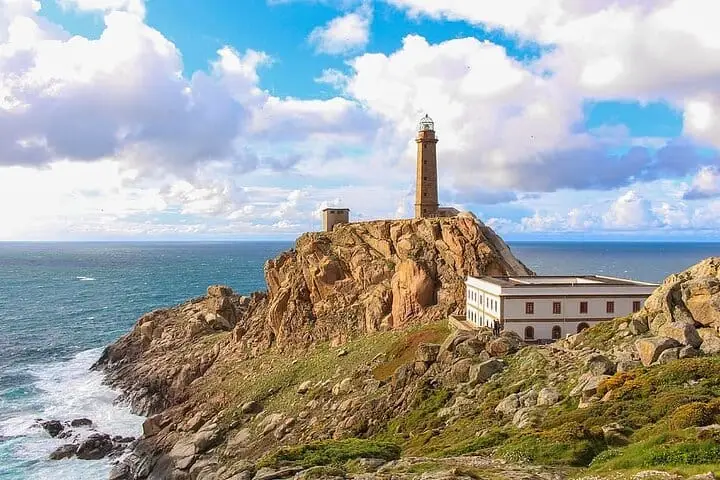
Finisterre, Muxía & Cabo Vilán Day Trip from Santiago with Boat Cruise
from €59 / person

4 experiencesPort guide →All of Spain →
⏱ 10 h · 👥 up to 30
from €59 / person
⏱ 9 h 30 min · 👥 up to 30
from €60 / person
⏱ 10 h · 👥 up to 30
from €68 / person
No experiences match these filters. Try another port or type.
From the blog
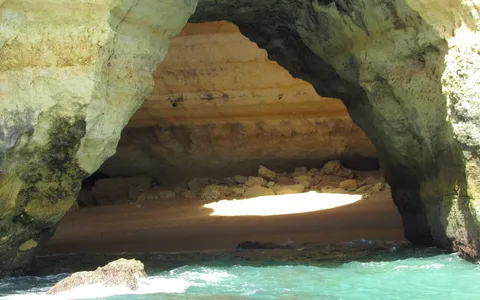 Destinations · 26 October 2026 · 8 minBenagil Cave 2026: Rules and How to Visit It Properly
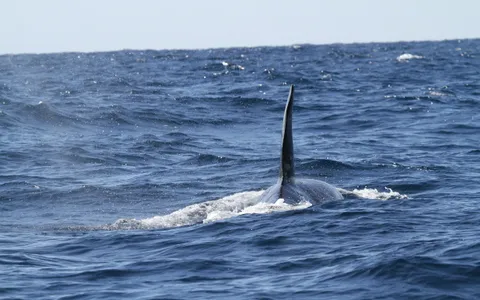 Sailing guides · 5 November 2026 · 16 minWhere are the Iberian orcas? Maps, seasons and tracking
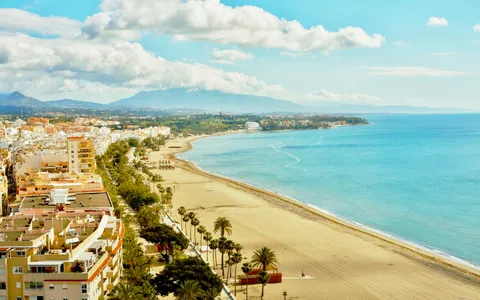 Destinations · 26 October 2026 · 5 minEstepona to Sotogrande by bus (M-240): times and fares
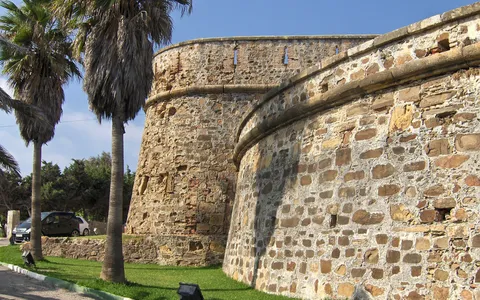 Destinations · 26 October 2026 · 4 minCastillo de la Duquesa and the Roman villa in Manilva
Every destination has its own guide and its own trips.
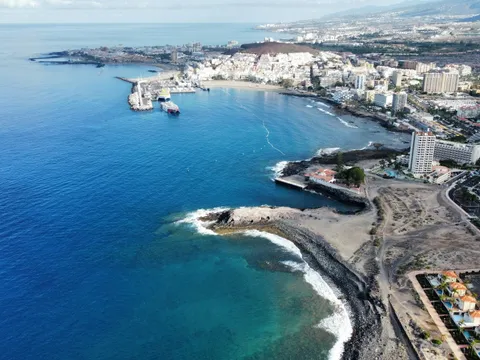 Tenerife15 experiences
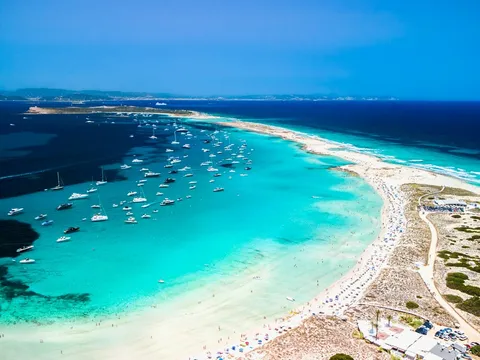 Ibiza4 experiences
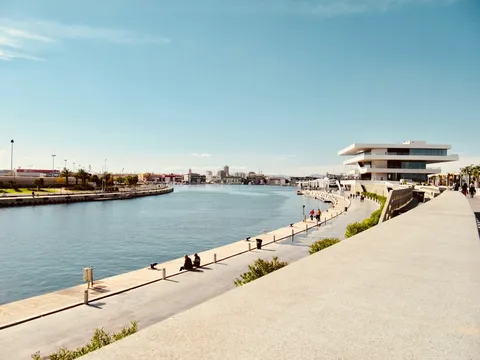 Valencia3 experiences
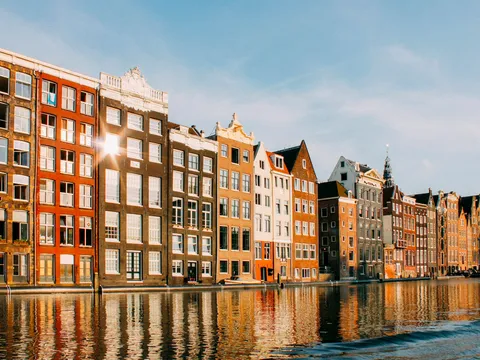 Amsterdam4 experiences
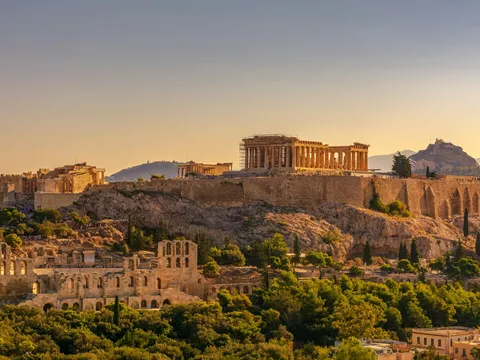 Athens5 experiences
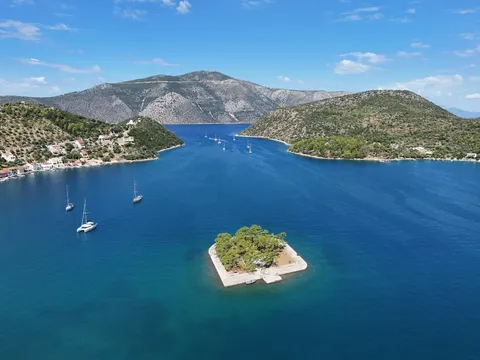 Ithaca4 experiences
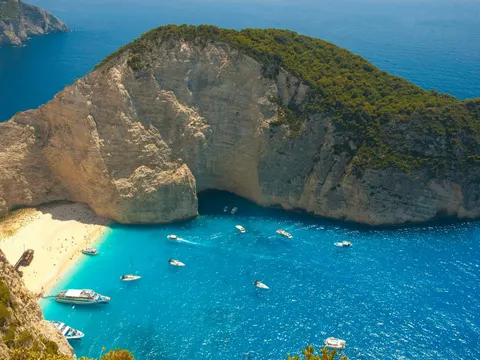 Zakynthos1 experience
 Paros1 experience
 Crete1 experience
 Split5 experiences
 Reykjavík12 experiences
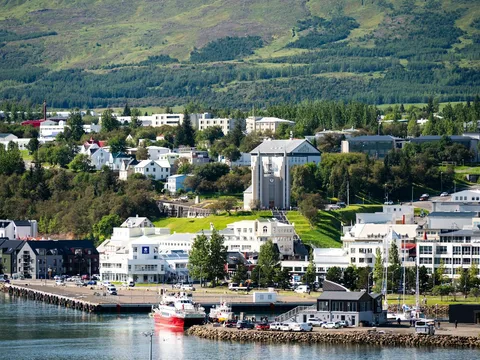 Akureyri2 experiences
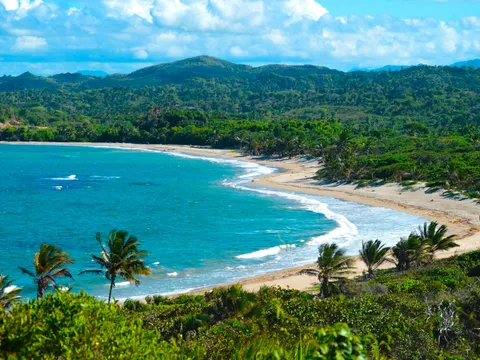 Puerto Plata13 experiences
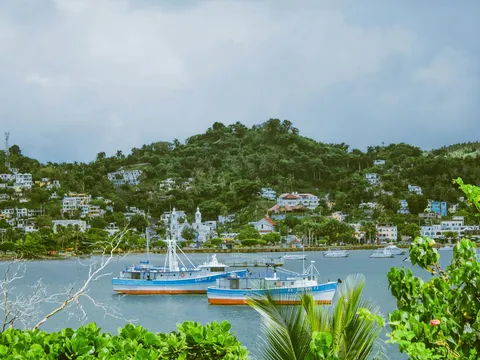 Samaná12 experiences
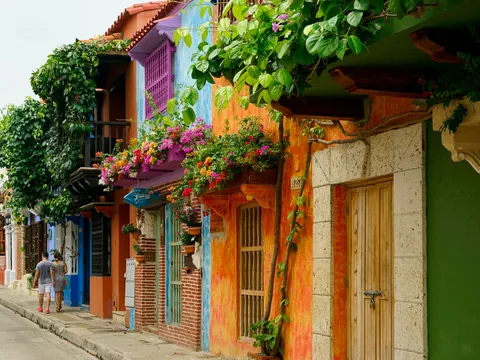 Cartagena9 experiences
 Grand Cayman7 experiences
 Montego Bay6 experiences
 Belize4 experiences
 Barbados4 experiences
 Ocho Rios4 experiences
 Negril3 experiences
 St Maarten1 experience
 Cabo San Lucas40 experiences
 Cancun20 experiences
 Cozumel10 experiences
 Bacalar6 experiences
 La Paz5 experiences
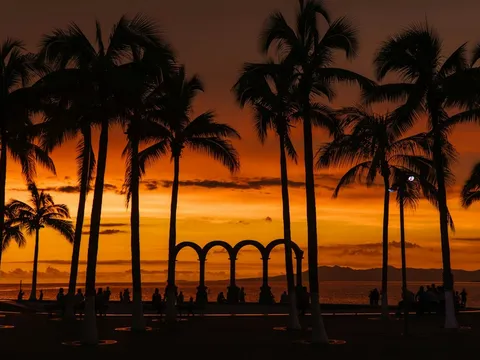 Puerto Vallarta3 experiences
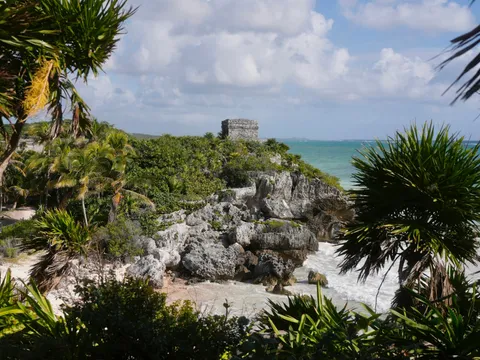 Tulum2 experiences
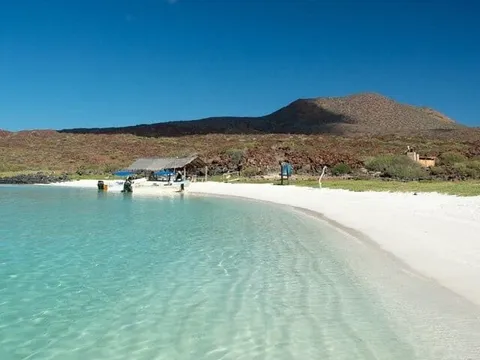 Loreto1 experience
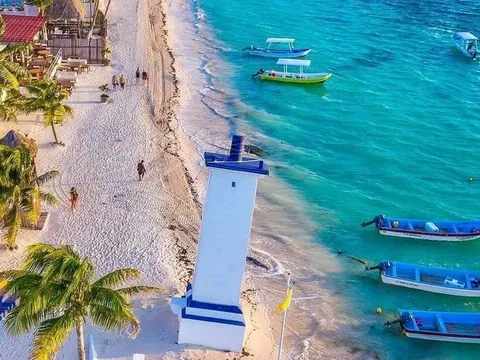 Puerto Morelos1 experience
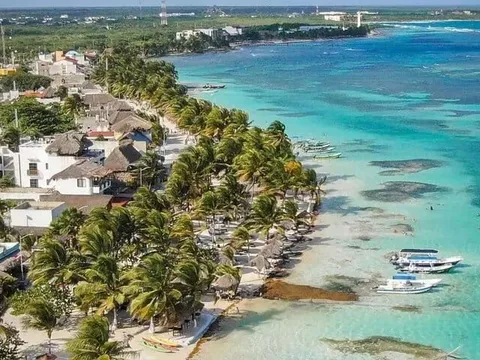 Mahahual1 experience
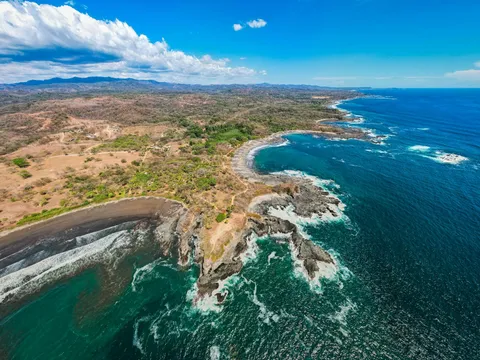 Costa Rica10 experiences
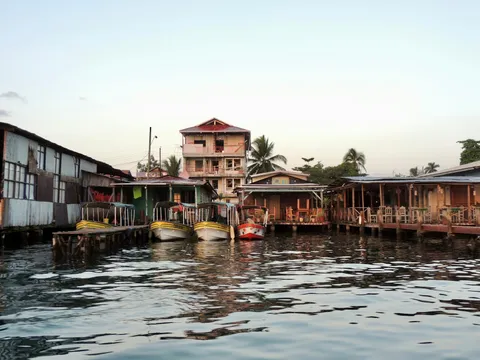 Bocas del Toro2 experiences
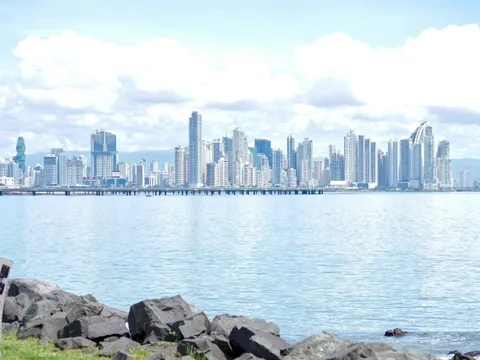 Panama2 experiences
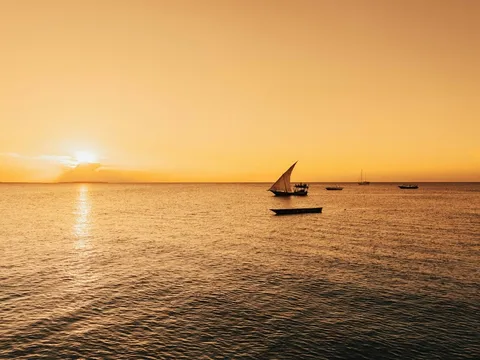 Zanzibar38 experiences
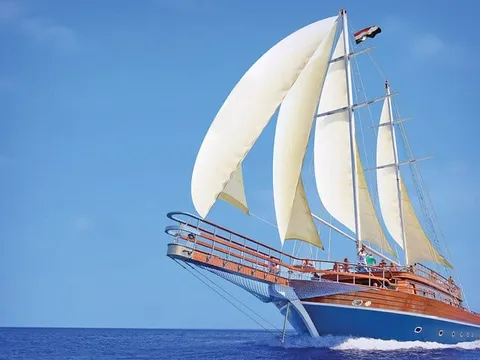 Hurghada6 experiences
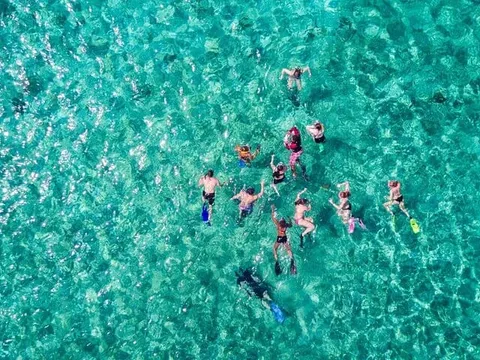 Sharm el-Sheikh5 experiences
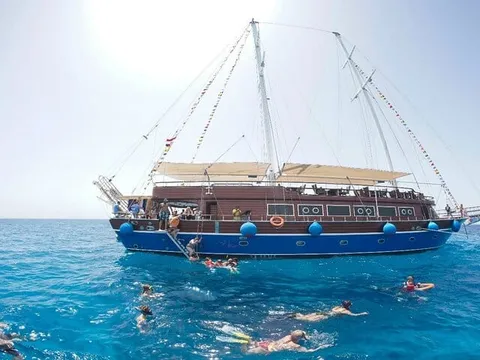 Marsa Alam3 experiences
 Dahab1 experience
 Phuket19 experiences
 Dubai1 experience
Galicia is one of the wetter parts of Spain, so plan for rain in any month. AEMET’s standard climate values for Santiago de Compostela Airport (1981–2010; the station is at 370 m, so it describes the airport rather than the city centre or the coast) show:
Summer is the driest and sunniest stretch in these figures, but showers still happen: even July averages nearly six rain days. The Atlantic Islands National Park also counts 15 May to 15 September, plus Easter, as its high season for the Cíes. Check the dates shown on each trip page before you plan around the weather.
Santiago de Compostela is the capital of Galicia, in the north-west corner of Spain. According to the city tourism office:
We found no official timetables, fares or journey times to give you here: check them with the carriers.
All four of our excursions leave from the operator’s office in Santiago’s old town, so staying in or near the old town keeps the start simple. The Ribeira Sacra trip also offers optional pick-up from three points in Santiago. Confirm the meeting point and the time on your trip page and booking confirmation.
The Camino de Santiago is the pilgrimage to the tomb of the Apostle in Santiago’s cathedral. The Pilgrim’s Office issues the Compostela, the certificate of the pilgrimage. According to its website:
Because the Compostela requires walking, riding or cycling the route, a coach excursion does not count towards it.
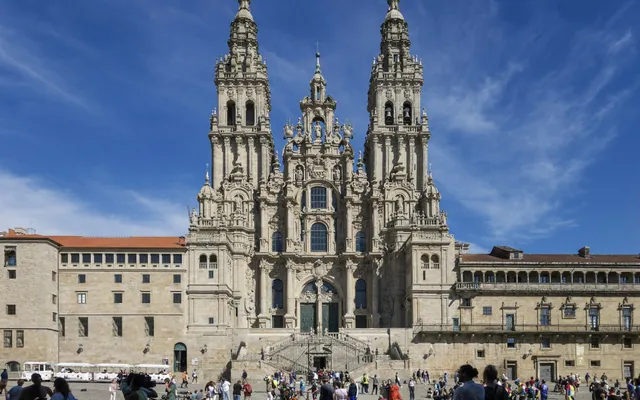
The old town was declared a UNESCO World Heritage Site in December 1985, according to Turismo de Galicia. In the cathedral you can see the Baroque Obradoiro façade by Fernando de Casas, the Pórtico da Gloria and the Apostle’s crypt; the Holy Door is opened only in a Compostela Holy Year. The cathedral’s website has a section for booking visits, so check what applies on your day.
The Costa da Morte (“Coast of Death”) is a stretch of Galician coast that, according to Turismo de Galicia, takes its name from the many shipwrecks that have happened there.
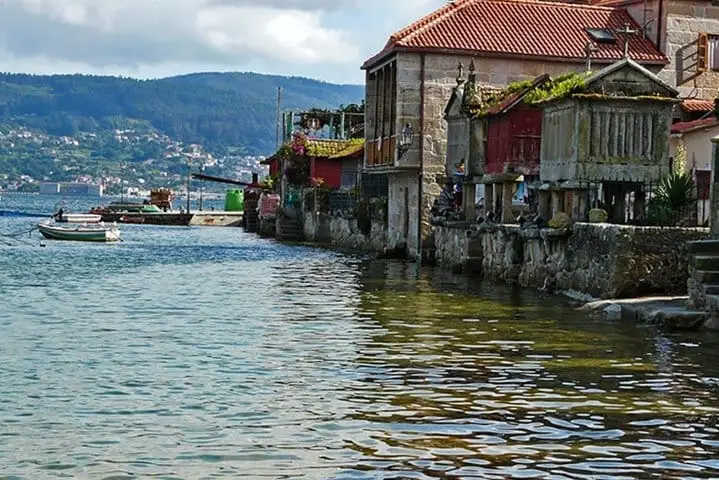
The Finisterre, Muxía and Cabo Vilán trip with a boat cruise visits all three. Its boat leg leaves from Finisterre port, and the trip page lists wine, vermouth, water, soft drinks and homemade empanadas on board. Meals in the villages are not included.
The rías are former river valleys flooded by the sea along Galicia’s coast, and Rías Baixas is also the name of a wine Designation of Origin.
The Rías Baixas excursion with winery and mussel boat combines a winery with Albariño tasting, Cambados, a boat ride through O Grove with mussel tasting, A Toxa and Combarro. The boat leg is included if you buy the trip with the boat; lunch is not included.
The Cíes are part of the Illas Atlánticas de Galicia National Park (Cíes, Ons, Sálvora and Cortegada), which includes seabird breeding reserve zones. The park’s pages do not spell out a single reason for the permit, but they set daily limits:
That is why the Cíes Islands day trip lists the official access permit among what is included and why every traveller must bring a passport or ID. Which system applies depends on your date, and the operator confirms the arrangements. A booking is limited to 15 people.
According to the park and the Spanish Ministry for the Ecological Transition (MITECO):
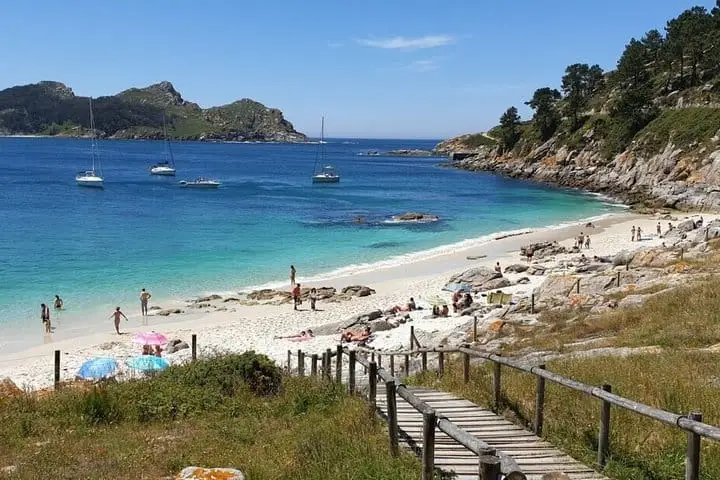
The archipelago has three main islands (Monteagudo, Faro and San Martiño) at the mouth of the Vigo estuary. The west side has cliffs rising more than 150 m, the east side has beaches, and the Rodas beach barrier links Monteagudo and Faro. The Cíes Islands trip gives free time on the islands; food and drinks are not included, so bring your own water and a bag for your rubbish.
CERVIM, the international centre for mountain and steep-slope viticulture, lists the characteristics of heroic viticulture as vineyards at altitudes over 500 m, on slopes steeper than 30%, planted on terraces or embankments, or on small islands in difficult growing conditions.
According to Turismo de Galicia, the DO Ribeira Sacra covers 20 municipalities in southern Lugo and northern Ourense, along the Miño, Sil and Cabe rivers, which meet in deep canyons. Its vineyards climb the sunny banks in terraces almost down to the river, and the steep terrain is why its viticulture is called heroic. Red grapes are the majority, with Mencía, Brancellao and Merezao preferred. The name goes back at least to the 12th century, and the area has many monasteries, such as San Estevo de Ribas de Sil (now a Parador) and San Pedro de Rocas.
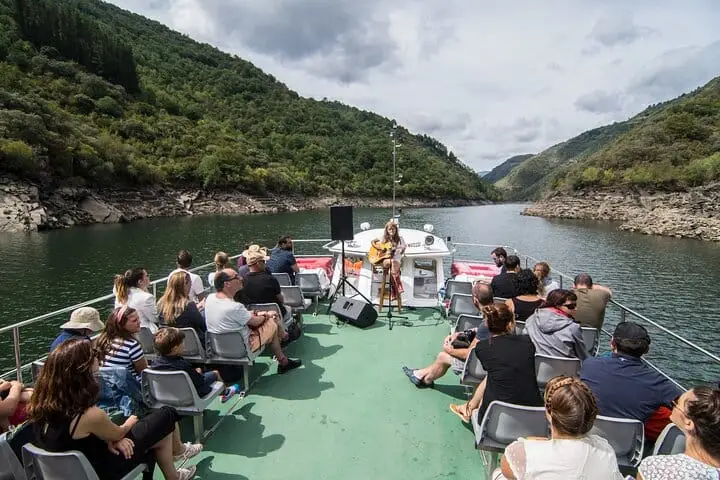
You can see the terraces from the water. Turismo de Galicia lists catamaran services on the Miño (from Belesar) and on the Sil (from the Santo Estevo pier, and from Abeleda, Ponte do Sil and Os Chancís), notes that their hours change with the month, and says the Sil canyon is narrower than the Miño’s, with often spectacular vertical walls. The Ribeira Sacra trip with a boat ride includes a boat trip on the Sil, a viewpoint, Castro Caldelas, Monforte de Lemos, the monastery of San Vicente do Pino and a winery tasting; lunch is not included.
Currency: the euro; the EU lists Spain among the euro-area countries. We found no official guidance on card payments or tipping, so we give none.
Language: Galician (galego) is Galicia’s own language, and Galician and Castilian (Spanish) are both official, under Article 5 of the Statute of Autonomy. You will see place names in Galician on signs and official pages, for example Fisterra for Finisterre. The guides on our excursions work in English and Spanish.
Electricity: Spain’s tourism board gives 220 volts and 50 Hz, with sockets of the round-pin system as elsewhere in Europe. Check that your appliances work on that voltage, and bring an adaptor if your plugs are different.
Eighteen. Galicia’s Law 6/2025 of 23 December on the protection of the health of minors and the prevention of addictive behaviours was published in the Diario Oficial de Galicia on 7 January 2026 and entered into force two months later. It repeals Law 11/2010 on the prevention of alcohol consumption by minors, which, according to the new law’s preamble, had raised the minimum age to drink alcohol to 18.
That is the rule behind the drinks on our trips. The Finisterre cruise lists wine and vermouth on board, with water and soft drinks; the Rías Baixas winery tasting and the wine tasting at the end of the Ribeira Sacra trip involve wine, and that trip’s page states that alcoholic beverages are only allowed for guests aged 18 and over. If you travel with anyone under 18, ask the operator which non-alcoholic options are available.
Each trip has one water leg: a boat cruise from Finisterre, a boat ride in the Arousa estuary, a ferry to the Cíes, and a catamaran on the Sil. The trip pages do not describe what happens if one of them cannot run, so ask the operator, who confirms whether the boat or ferry leg goes ahead on your day.
On the islands, the park also advises against swimming when the sea is not calm.
The trips are priced per person in three categories: adult, child (3–11) and infant (0–2). Several details on the trip pages matter if you travel with little ones:
Look at the exact conditions on each trip page before booking.
All four trip pages list the trips as not wheelchair accessible, and the Ribeira Sacra trip is also listed as not stroller accessible. We found no official information on the accessibility of the boats or piers, so we cannot say more: ask the operator before booking.
For the full conditions of the other two trips, see the Finisterre trip and the Rías Baixas trip pages.
The Atlantic Islands National Park suggests drinking plenty of water, bringing sunglasses, a cap and sunscreen, wearing sports shoes and comfortable clothing, and bringing a raincoat or warm layer for the boat trip. That is a sensible kit for any of these days: AEMET’s figures for the airport station show a mean minimum of 13.3 °C and about 5.5 rain days even in August, so a summer day can turn cool and wet. The Ribeira Sacra trip page asks only for comfortable clothes.
On motion sickness, MedlinePlus (US National Library of Medicine) suggests picking a smoother spot, such as the upper deck of a boat or a front seat on a vehicle, and looking at the horizon instead of reading or looking at something in the vehicle. It notes that motion sickness is more common in children, pregnant women and people taking certain medicines, who may want to check with a health professional before travelling. We found no official guidance on specific medicines, so ask your doctor or pharmacist what suits you before the journey.
Remember that the coach part of the day is long: on the Finisterre trip and the Rías Baixas trip the boat is just one part of it.

Sailing advisor
Sailing Beyond Limits
AI assistant. It checks real availability and prices. Don’t share payment details: you book on our website.
Cookies and privacy
We use cookies to measure how the site is used and to improve it. You can accept or reject them: the site works the same either way. Cookie policy