
Boat trips and experiences in Parga
1 experiencePort guide →All of Greece →
No experiences match these filters. Try another port or type.
From the blog
Guides and news
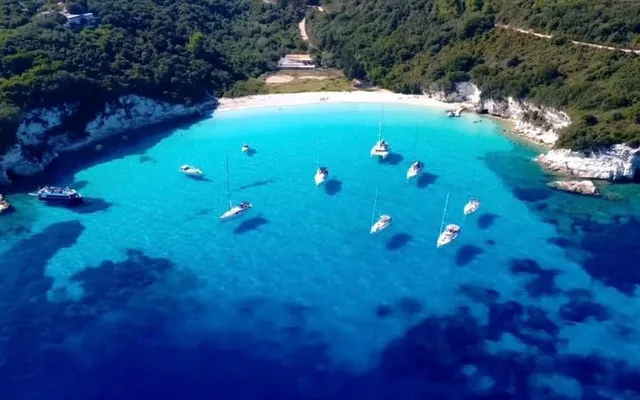
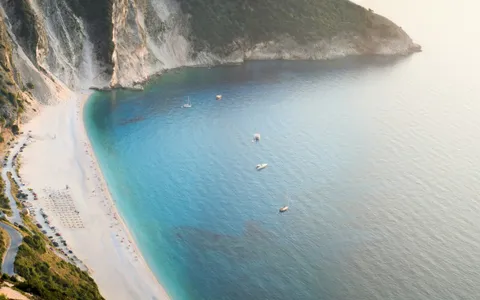 Destinations · 27 October 2026 · 7 minKefalonia by boat: cruises, beaches and islands
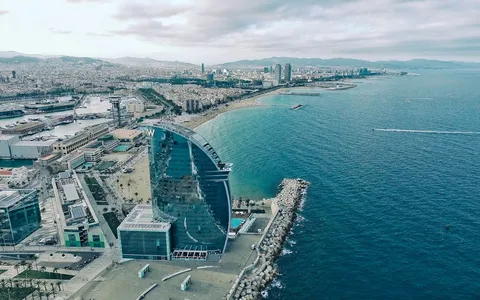 Destinations · 27 October 2026 · 5 minBarcelona from the sea: sailing from Port Olímpic
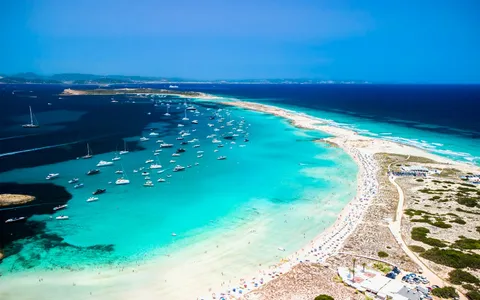 Destinations · 27 October 2026 · 5 minIbiza and Formentera by boat: anchoring and posidonia
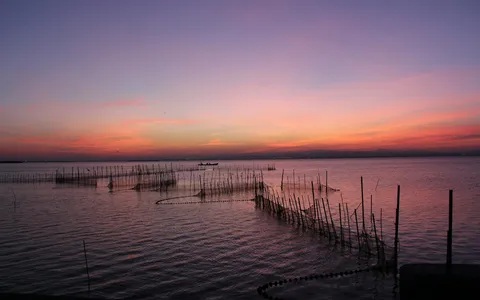 Destinations · 27 October 2026 · 5 minAlbufera at sunset: a boat ride from Valencia
More places to sail
Every destination has its own guide and its own trips.
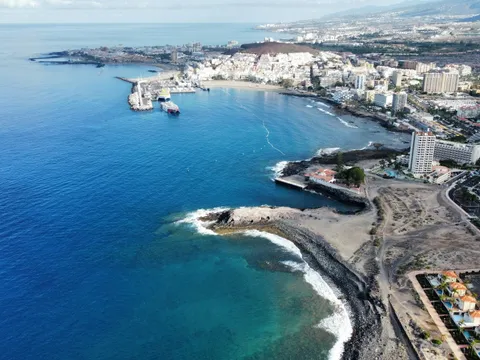 Tenerife26 experiences
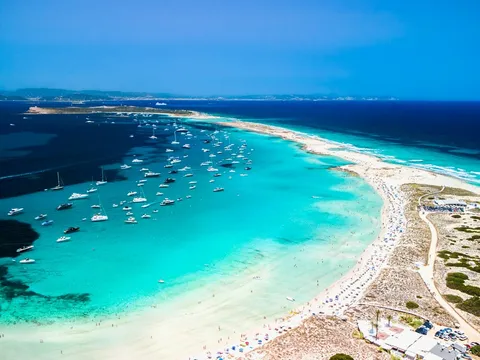 Ibiza11 experiences
 Santiago de Compostela4 experiences
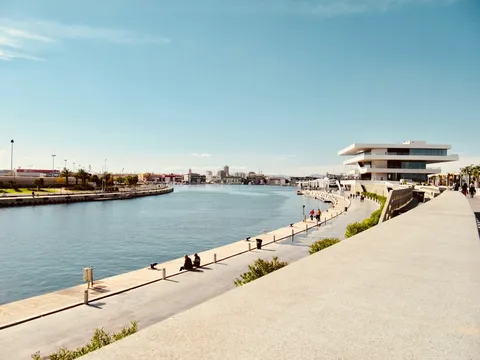 Valencia3 experiences
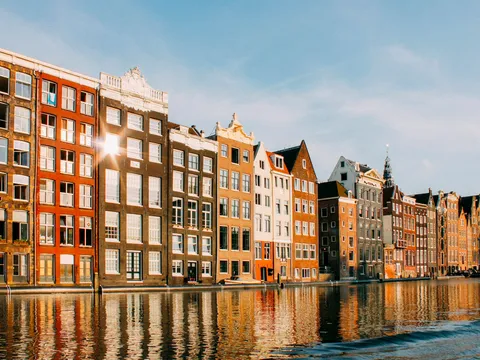 Amsterdam4 experiences
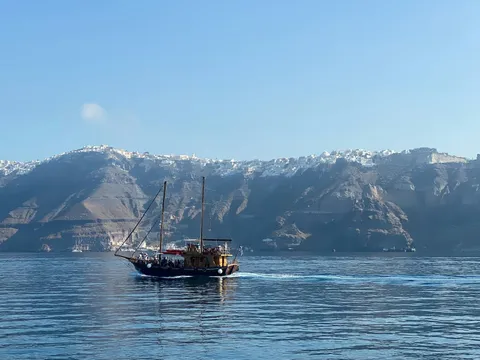 Santorini19 experiences
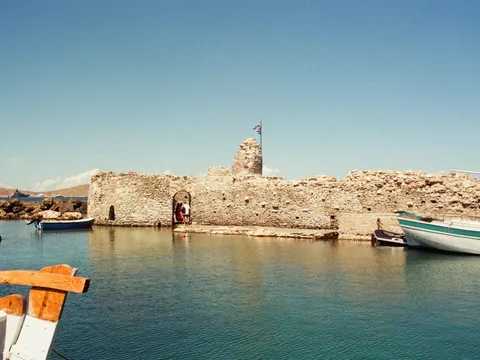 Paros9 experiences
 Athens8 experiences
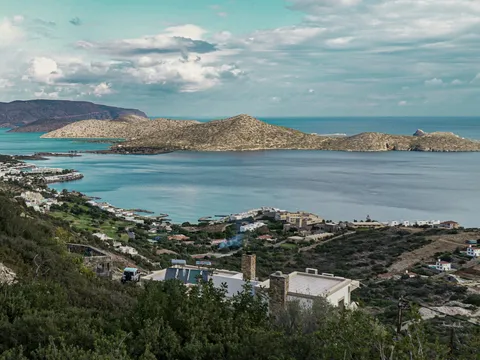 Crete8 experiences
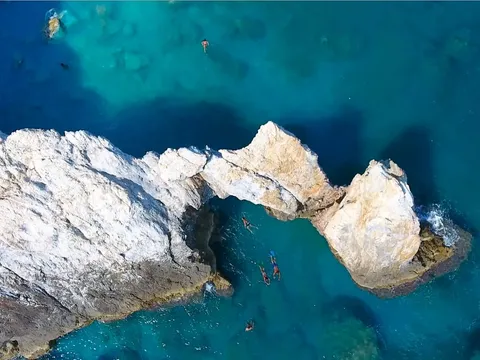 Skiathos6 experiences
 Naxos5 experiences
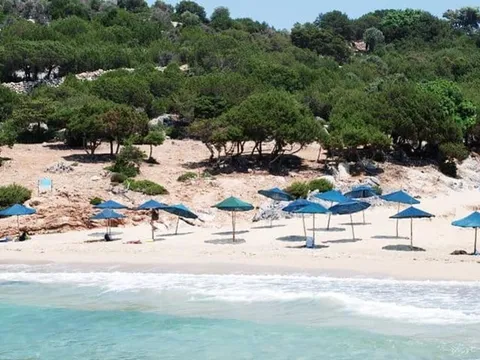 Samos5 experiences
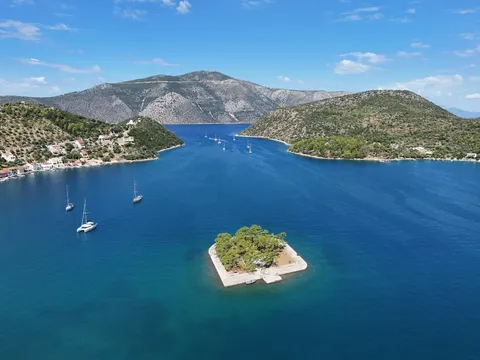 Ithaca4 experiences
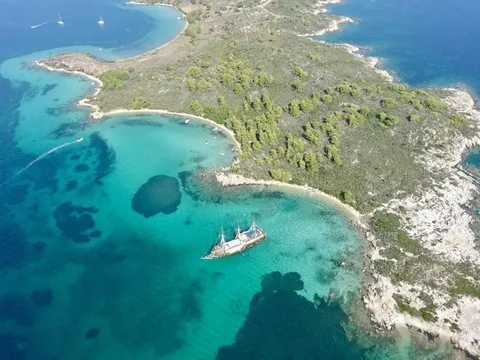 Halkidiki4 experiences
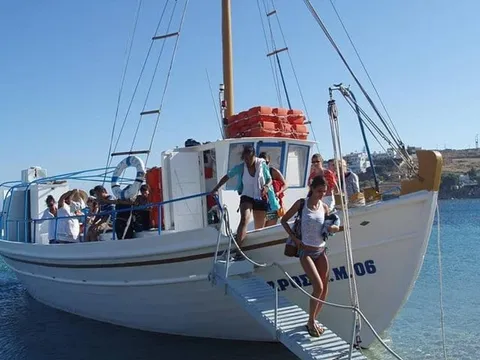 Mykonos4 experiences
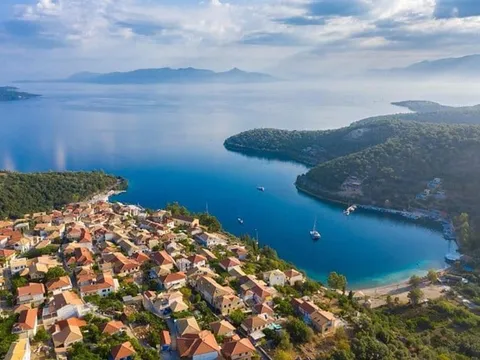 Lefkada4 experiences
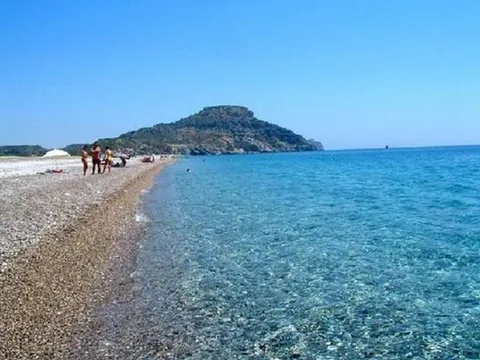 Rhodes4 experiences
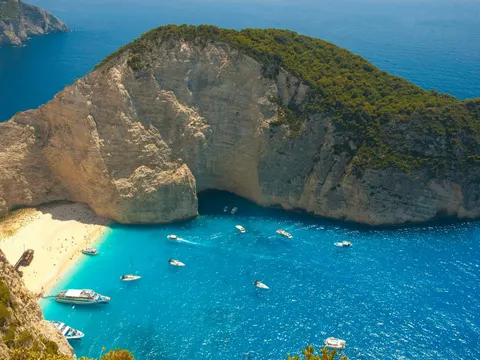 Zakynthos3 experiences
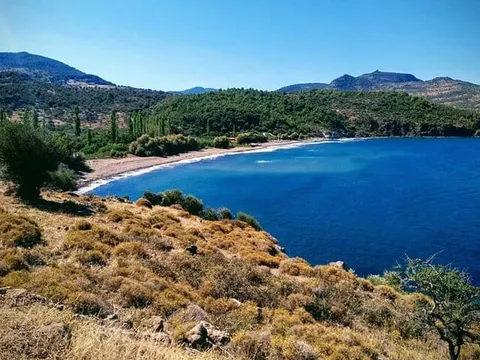 Lesbos3 experiences
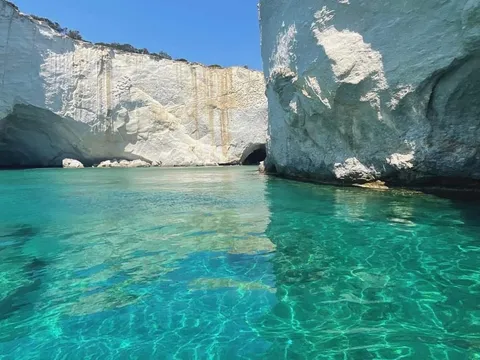 Milos2 experiences
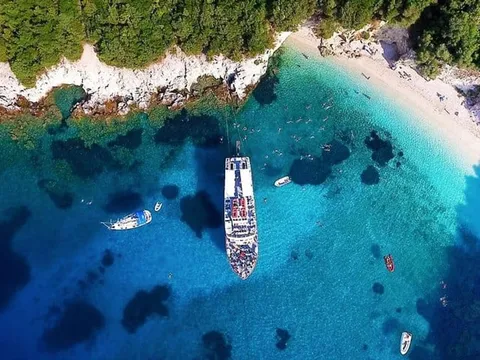 Corfu2 experiences
 Kos2 experiences
 Split5 experiences
 Cyprus3 experiences
 Reykjavík12 experiences
 Akureyri2 experiences
 Puerto Plata13 experiences
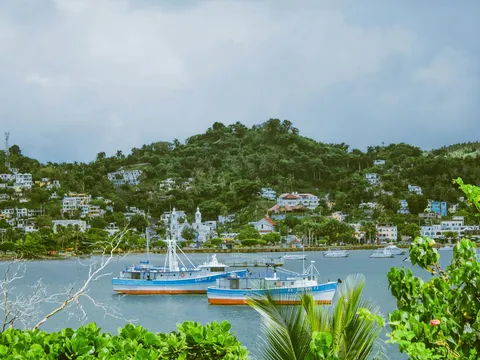 Samaná12 experiences
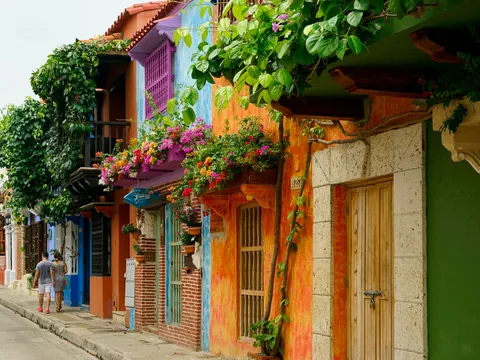 Cartagena9 experiences
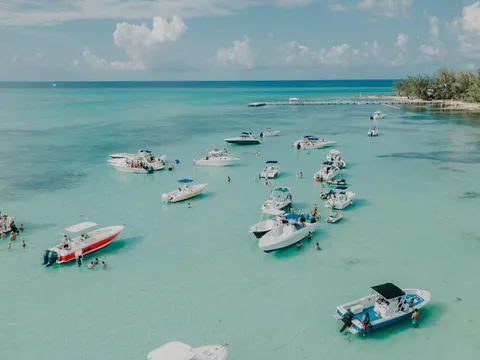 Grand Cayman7 experiences
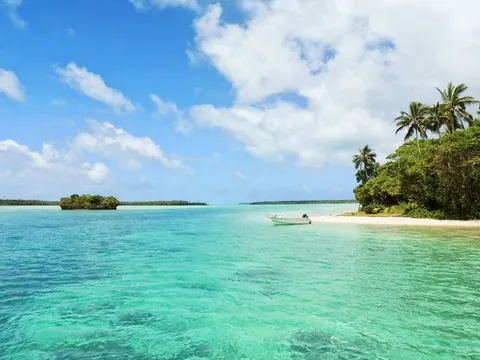 Montego Bay6 experiences
 Belize4 experiences
 Barbados4 experiences
 Ocho Rios4 experiences
 Negril3 experiences
 St Maarten1 experience
 Cabo San Lucas40 experiences
 Cancun20 experiences
 Cozumel10 experiences
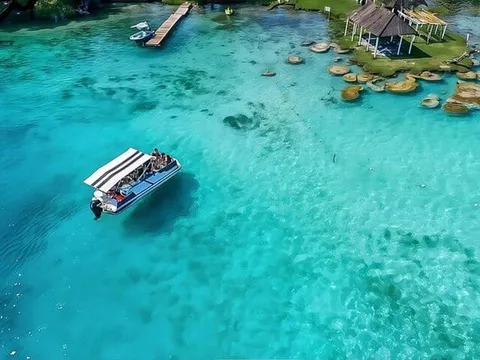 Bacalar6 experiences
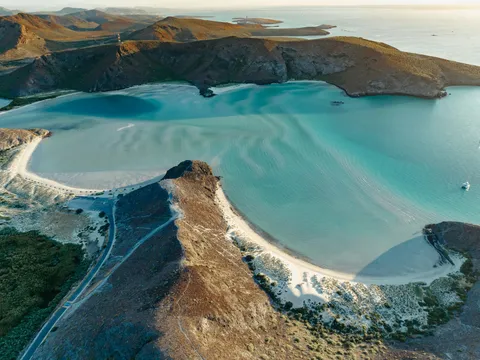 La Paz5 experiences
 Puerto Vallarta3 experiences
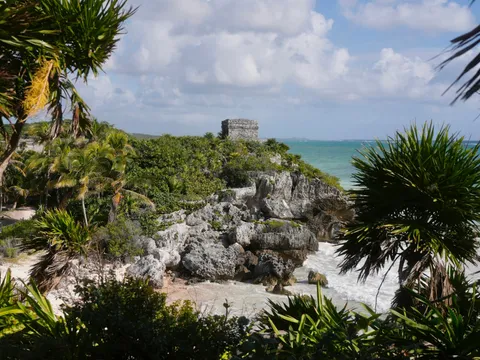 Tulum2 experiences
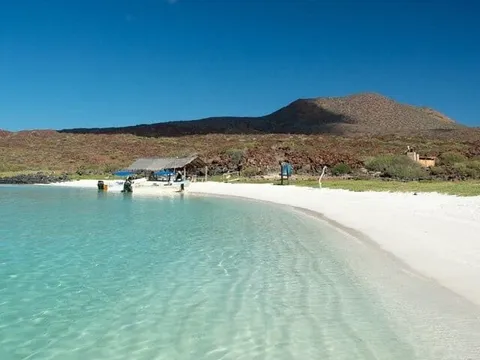 Loreto1 experience
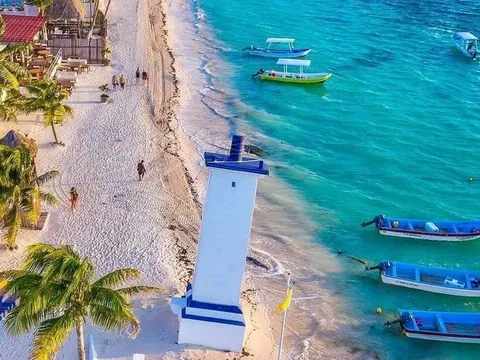 Puerto Morelos1 experience
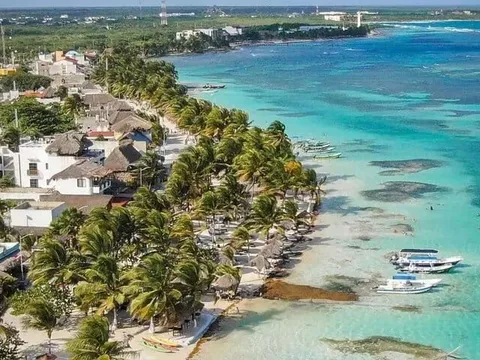 Mahahual1 experience
 Costa Rica10 experiences
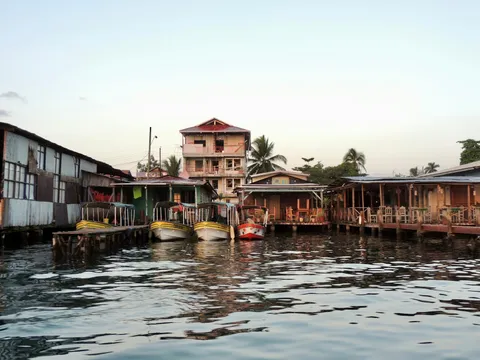 Bocas del Toro2 experiences
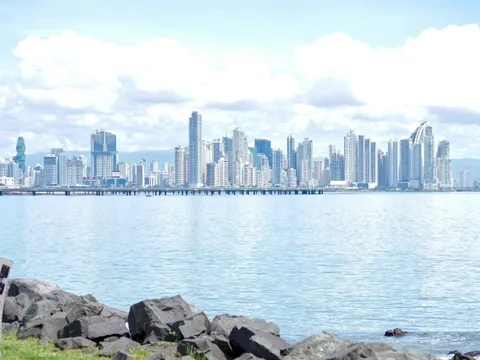 Panama2 experiences
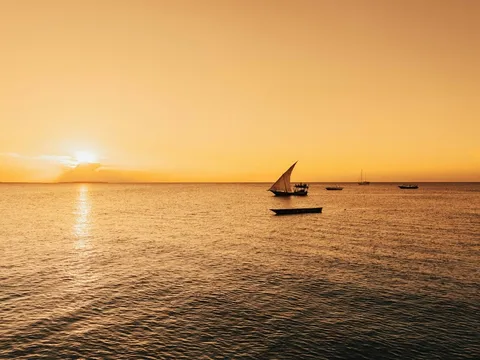 Zanzibar38 experiences
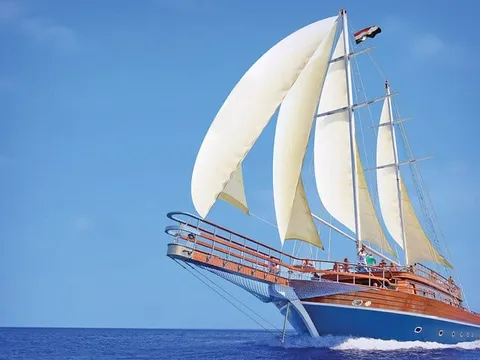 Hurghada6 experiences
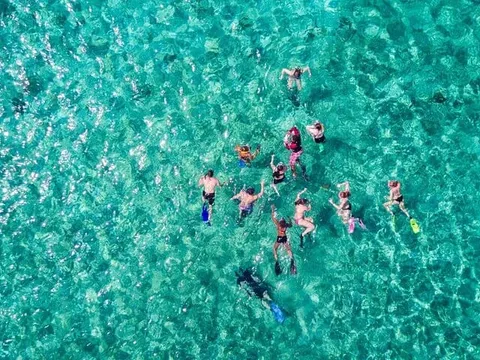 Sharm el-Sheikh5 experiences
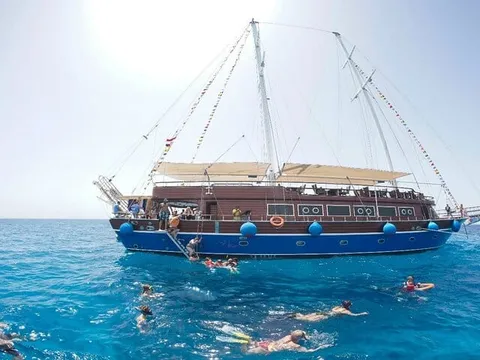 Marsa Alam2 experiences
 Dahab1 experience
 Phuket19 experiences
 Dubai1 experience
- All port guides →
Frequently asked questions about Parga
What is Parga and what is there to see on a first visit?
Parga is a town on the north-western coast of Greece, on the Ionian Sea in the region of Epirus. According to Visit Greece, it is built in an amphitheatre shape around a bay, with a green islet, Panagia, in the water and a Venetian castle above the old town.
- The old town: cobbled streets, arches, flower-filled neighbourhoods and well-kept houses.
- The Venetian castle, with the old town’s colourful mansions climbing towards its walls.
- The bay and its coves: Visit Greece mentions clear water, sandy coves and nearby hills, without naming beaches.
- The sea: from the port, our day cruise to Paxos and Antipaxos takes you to two Ionian islands.
What exactly is the Paxos and Antipaxos trip from Parga?
It is a boat day of about 8 hours across the Ionian Sea, not a coach tour. The day cruise to Paxos and Antipaxos follows the plan on its trip page:
- a stop at Antipaxos, the smaller island, for about 30 minutes of swimming;
- a stop of about 30 minutes at the Blue Caves, if sea conditions allow;
- free time in Gaios, the main village of Paxos, to explore, shop or have lunch at a taverna;
- the return by boat to Parga.
A local operator runs it. The calendar on the trip page shows the departure times.
Where do we meet, and is there hotel pick-up?
The boat leaves from Parga port. The trip page says the trip has no hotel pick-up or drop-off, so you make your own way to the port. The operator confirms the exact meeting point and the name of the boat; plan to be there ahead of the departure time shown in the calendar. The map in our Parga guide shows the town and the bay.
How do I get to Parga?
Parga is a small mainland town, so you arrive by road. Visit Greece says intercity KTEL buses connect Parga with Ioannina, Preveza, Arta and nearby towns, and advises travellers from Athens or Thessaloniki to go first to Ioannina or Preveza and continue to Parga by local bus or shuttle. The journey from Ioannina takes about 2 to 2.5 hours, it adds.
The airport page we read is for Aktion airport (Preveza/Lefkada, PVK), run by Fraport Greece; its page lists a fixed taxi rate to Parga, which you should confirm before riding. Check bus times locally: strikes can disrupt transport, says the UK government.
What is the weather like, and when is the best time to go?
The climate tables on meteo.gr that we could read have no station for Parga, so we use Corfu for the Ionian coast (averaging period not stated). They show mean temperatures of 9.6 °C in January, 26.4 °C in July and 26.1 °C in August, and about 1,087 mm of rain a year: 181 mm in November, 180 mm in December and only 7 mm in July.
Visit Greece calls the Ionian Islands the greenest in Greece because of their high rainfall. Our Parga trip is on sale from May to October 2027, so the warm months are the ones that matter. Check the live calendar for dates.
What are the Blue Caves, and will we always visit them?
On our trip page, the Blue Caves are sea caves on the way to Paxos, where the boat stops for about 30 minutes, weather permitting. Visit Greece highlights the sea caves of Paxos too, but spells the name “Graves”: the two pages may be using different names for the same coast.
The stop is not guaranteed: the trip page says the Blue Caves stop may be skipped if sea conditions are rough.
What are Paxos and Antipaxos like?
They are two small Ionian islands. Visit Greece names Gaios as the village of Paxos and, for Antipaxos, describes an earthly paradise with the beach of Voutoumi and crystal-clear water.
- Antipaxos: our cruise stops about 30 minutes for a swim. The trip page does not name the beach.
- Gaios, on Paxos: free time for the streets, local shops and a taverna lunch.
The trip page also notes some walking in Gaios, so wear comfortable shoes.
What happens if the sea is rough or the weather is bad?
The trip page says the tour may be cancelled or rescheduled in bad weather, and that the Blue Caves stop may be skipped if the sea is rough. The pages we read do not say what happens to a booking in those cases, so the operator confirms it: contact them as soon as you have a doubt.
Check the forecast the day before, and remember the safety advice of the UK government: a red flag at a beach means you must not enter the water.
Do I need to be a good swimmer?
The trip page asks that you are comfortable in the water for the swimming stops. The stop at Antipaxos is the main one, about 30 minutes; the Blue Caves stop is also a sea stop. If you are not a confident swimmer, ask the operator before booking what flotation is available: the page does not say.
Can I go with children, or if I have limited mobility?
The trip page sets no minimum age and offers adult, child and infant categories, but says infant seats are not available. It also says the trip is not wheelchair accessible and not suitable for people with limited mobility, and that there is some walking in Gaios.
For small children, the UK government advises keeping them within arm’s reach near the water.
What should I bring, and what helps with seasickness?
The trip page asks for swimwear and a towel, sunscreen, a hat and sunglasses, comfortable shoes for Gaios, a waterproof bag for valuables and seasickness medication if you are prone to it. It also warns that you will spend a few hours on the boat.
The NHS suggests sitting in the middle of a boat, looking at a fixed point such as the horizon, getting fresh air, and avoiding heavy meals and alcohol shortly before or during travel. Ask a pharmacist about tablets or patches; the NHS page says patches are for adults and children over 10.
Is lunch included, and what about money and plugs?
No. Food and drinks, entrance fees for any attractions, optional activities and personal expenses are not included, according to the trip page. In Gaios you can have lunch at one of the tavernas.
Visit Greece says the currency is the euro, and that Greece uses 230 V, 50 Hz and type F plugs.
What should I know about safety and emergencies?
Visit Greece lists 112 as the European emergency number, 166 for ambulances, 199 for the fire service and 1571 for the tourist police, which it says is open 24 hours.
The UK government adds that wildfire risk is high from April to October, that heat can be extreme, and that regular strikes, sometimes at short notice, can disrupt ferries and buses. Wear a hat and sunscreen on the deck and carry plenty of water.
