Iberian orcas in the Strait: who they are and what to do if you sail
8 min read
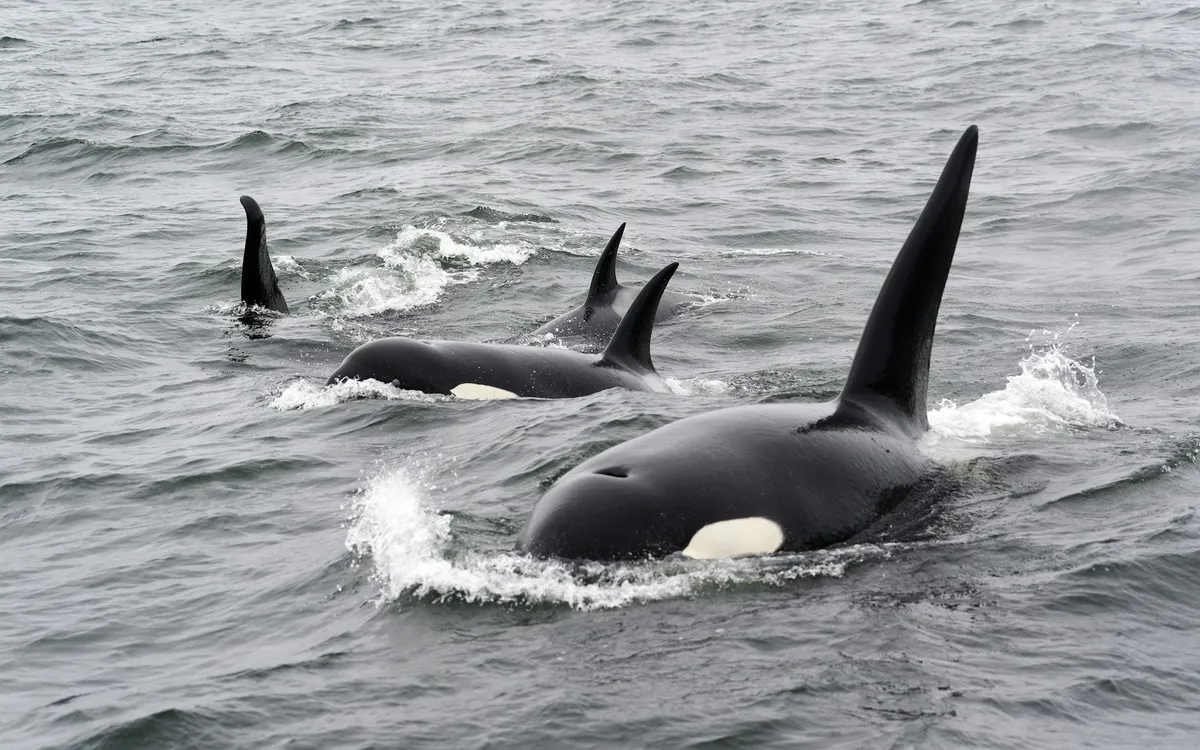
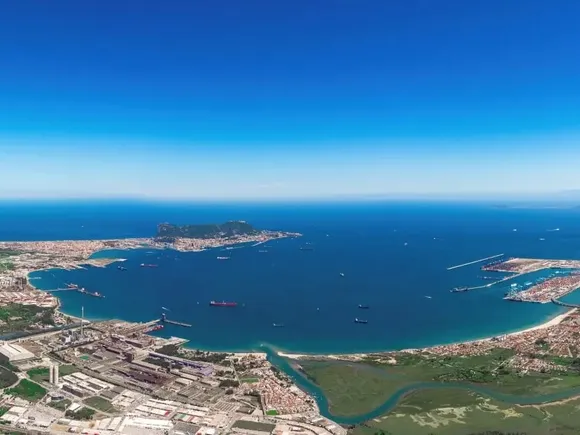
Between the Strait of Gibraltar and the Gulf of Cádiz lives one of the smallest and best-studied orca populations in the world: the Iberian orca. Since 2020 it has become known for a reason that made headlines: some of them interact with sailing boats. This guide explains who this population is, when and where to take extra care, what the Ministry and scientists say and what to do if you sail in the area, without drama and with official sources.
A note on language before we start: Spain’s Ministry for the Ecological Transition (MITECO) stresses that these interactions are not aggressive and are associated with play or social behaviour, so it advises against talking about «attacks».
Who the Iberian orca is
It is an Atlantic orca subpopulation that uses the Strait of Gibraltar and the waters of the Gulf of Cádiz. The most recent study, published in Marine Mammal Science (2026) by a team of 34 authors who analysed 18,554 identification images and 26 strandings between 2011 and 2023, concludes the following:
- How many: a stable abundance, with 37 individuals in 2023. Other sources give slightly different figures (39 in 2011 and 35 in 2023, according to the Atlantic Orca Working Group), because they cover different years and counting methods: the prudent way to put it is about 35 to 39.
- How they are doing: calf survival has improved compared with before 2011, but adult survival has declined, especially for females. Females take on average 8.3 years between births and the population grows very little (0.46 %). Most births occur in summer and autumn.
- Size: they are generally smaller than the average of other orca populations around the world.
- What they eat: they depend on Atlantic bluefin tuna, according to the study itself and the working group.
- New threats: the study points to fishing activity and recent interactions with recreational boats.
Conservation status
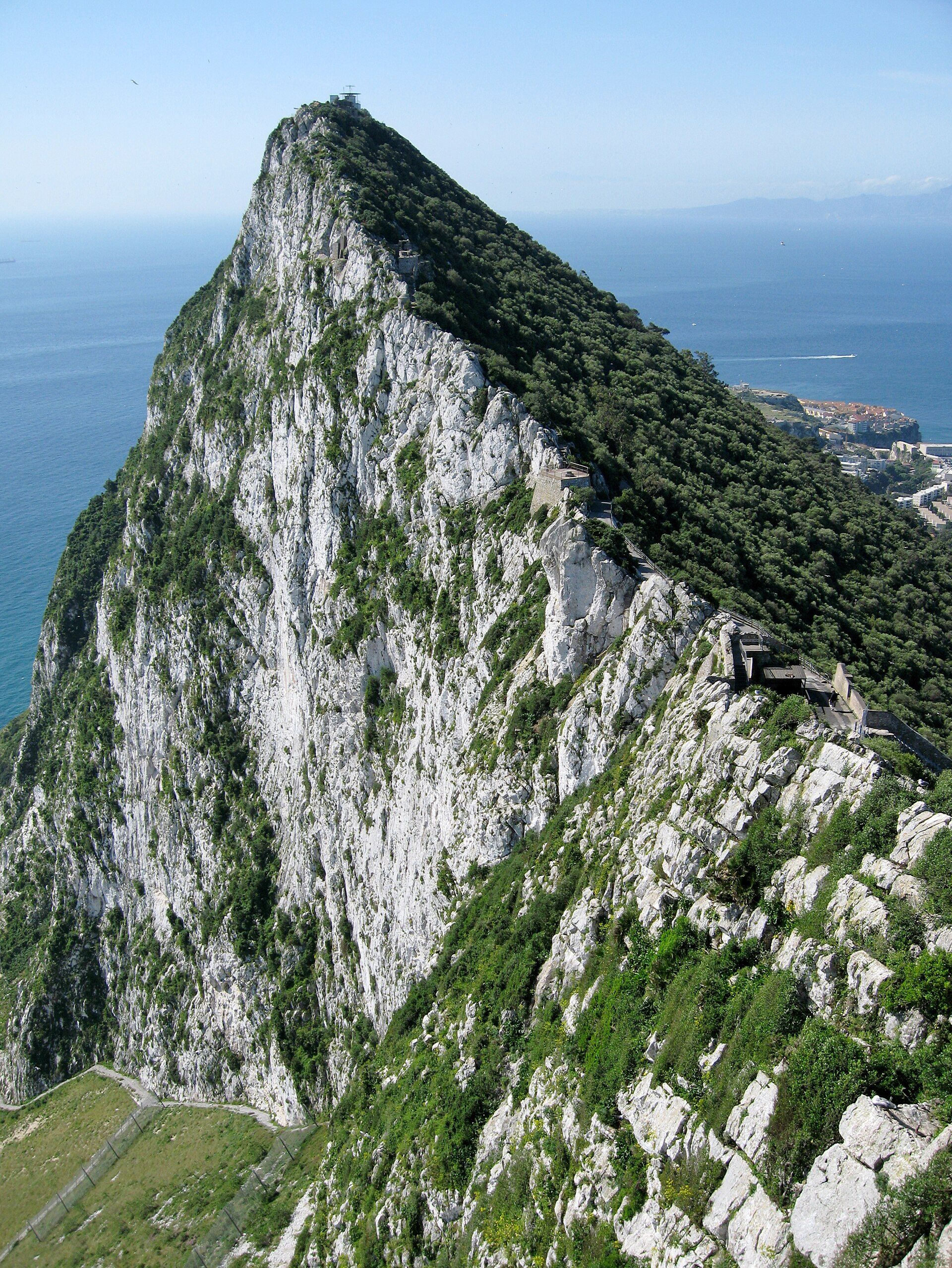
The Spanish Catalogue of Threatened Species classifies it as vulnerable. Internationally, according to the abstract of the 2026 study, the subpopulation was assessed as «critically endangered» (CR) by the IUCN using data up to 2011 and still meets that category because of its low abundance (criterion D).
Where and when to take extra care
According to MITECO, these orcas regularly use Spanish Atlantic waters from the Strait along the Gulf of Cádiz and their movements follow the bluefin tuna. The recommendations for mariners apply all year, but the ministry asks for extra caution from April, and there is a difference between its own releases that is worth knowing:
- The official page on the orca population and the release of 14 August 2026 say April to August.
- The release of 1 April 2026 says April to October, and adds that in the Strait and the Gulf of Cádiz interactions kept falling in the summer of 2025.
Since they do not agree on the final month, the prudent approach is to count on April to October and always check the current version on the Ministry’s website.
What are the «interactions with sailing boats»?
Since the summer of 2020, interactions of some individuals with sailing vessels have been documented, mainly in the Strait and the Gulf of Cádiz. What the official documentation records:
- The Scientific Committee of the International Whaling Commission (IWC) has reviewed them since 2021 and has described them as serious and persistent.
- In February 2024 (6 to 8) an international workshop with experts from Spain, Portugal and Morocco was held in Madrid. The recommendations for mariners that were published come from that workshop.
- Since the summer of 2022, MITECO and CIRCE have run a pilot project (within LIFE INTEMARES) to reduce interactions with sailing boats, testing devices and navigation techniques. The Ministry fitted six orcas with satellite tags and shared approximate weekly maps with the authorities so that mariners could avoid risk areas.
What the Ministry recommends if you sail
The recommendations, published by MITECO and the Ministry of Transport (14 May 2024):
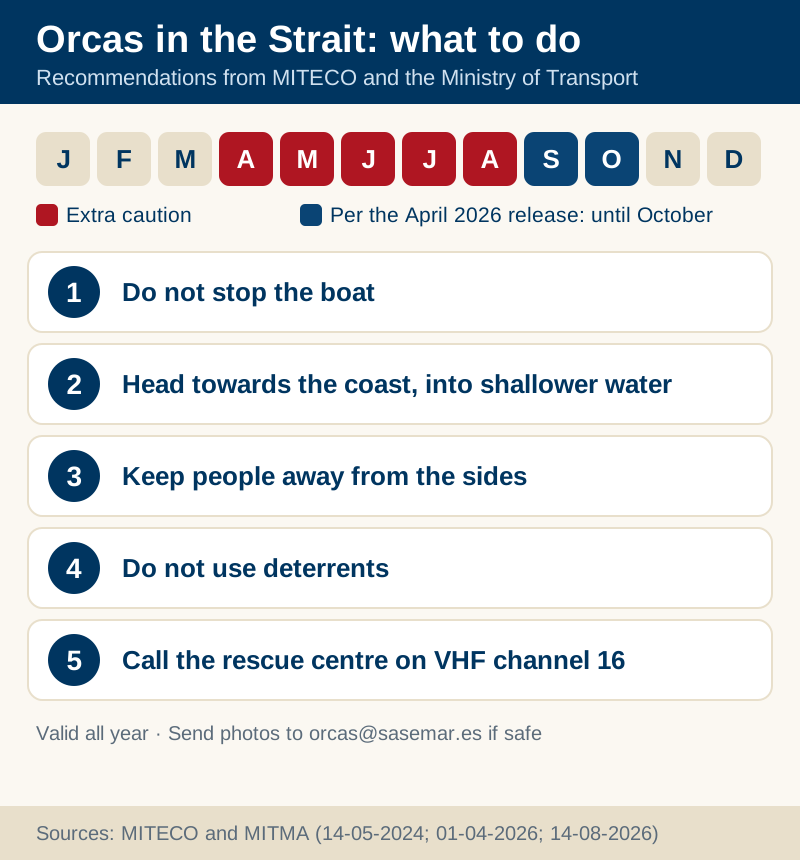
- Avoid the delimited area in the months of highest risk and, in general, sail as close to the coast as safety allows.
- If an interaction occurs, do not stop the vessel: head towards the coast, into shallower water (under engine or sail).
- Safety on board: keep people away from the sides and in the best-protected places against sudden movements, falls and moving parts.
- Do not use deterrents or any behaviour that could harm or disturb the animals.
- Notify the nearest Rescue Coordination Centre (CCS) on VHF channel 16 (or the working channel). If it is safe to do so, send photos of the animals to orcas@sasemar.es.
These are recommendations; the Ministry does not speak of a ban on sailing. And they are different from the rules for watching cetaceans: the 60 m minimum distance set by Royal Decree 1727/2007 and the conduct rules we explain in our guide to the rules for watching dolphins.
Recent news: investigation over possible pellet marks
On 14 August 2026, MITECO announced that it had opened preliminary investigation proceedings after an orca with possible pellet marks on its dorsal fin was sighted in Gibraltar waters. According to the release, the ministry learned of it on 11 August from the organisation WeWhale, which works in the area under authorisation. It reminds readers that any harmful action against this population can bring serious or very serious sanctions (the release cites fines of up to €2 million) and even criminal liability. These are preliminary proceedings: so far there is no conclusion.
Can you see orcas on a boat trip?
With caution: commercial cetacean watching requires prior authorisation from the Ministry (AROC activity), and in the critical area of the Ensenada de Barbate, Conil and Banco Majuán, watching cetaceans is prohibited from 1 March to 31 August (Order APM/427/2017). Orcas are also wild animals, and no operator can guarantee a sighting. If a trip promises you one, ask about its authorisation.
To understand it better
The video only loads when you press «play»; until then nothing connects to YouTube.
Research continues
In June 2026 MITECO authorised a research campaign in the Strait and the Bay of Cádiz, until the end of the year, with photo-identification and acoustic and behavioural studies, which also includes other cetacean species (according to the regional press). The 2026 study stresses the need for long-term monitoring.
We sail from Sotogrande and Estepona. If you are interested in the dolphins that live in the area, see our dolphin-watching trips, the Sotogrande guide and the article Common, striped and bottlenose dolphins to learn to tell them apart.
Frequently asked questions
Do Iberian orcas attack boats?
The Ministry says the interactions are not aggressive and are associated with play or social behaviour; that is why it advises against the word «attack». That does not mean they are not serious for those at sea: that is why the official recommendations exist.
How many orcas are there?
Between 35 and 39 depending on the sources and years; the 2026 study gives 37 in 2023, with stable abundance.
When is an encounter most likely?
MITECO asks for extra caution from April; its releases give August or October as the end. Check the current version.
What do I do if they surround my boat?
Do not stop; head for the coast and shallower water, keep people away from the sides, do not use deterrents and call on VHF 16. These are the official recommendations; always check the current version.
Can you sail the Strait in summer?
Yes. The recommendations apply all year and the Ministry asks for more care from April onwards, but they are recommendations. Check the map and news on its official page before you set out.
Can they be seen from Sotogrande or Estepona?
The area the Ministry delimits is the Gulf of Cádiz and the Strait. We have found no official orca sighting data for the coast of Sotogrande or Estepona, so we make no claim about them.
Sources
- Esteban, R. et al. · «Demographic Parameters of Iberian Killer Whales Between 2011 and 2023», Marine Mammal Science 42(1), 2026 (published online 22-10-2025; abstract read on Crossref).
- MITECO · Strait of Gibraltar and Gulf of Cádiz orca population (Spanish).
- MITECO and MITMA · Recommendations to mariners (14-05-2024) (Spanish).
- MITECO · «Orca interactions fall in Spain…» (01-04-2026) and release on the preliminary investigation (14-08-2026) (Spanish).
- CEMMA / GTOA · What are orcas? (Iberian orca) (Spanish).
- El Estrecho Digital · MITECO authorises a campaign on the Iberian orca (05-06-2026) (research campaign, attributed to the press; Spanish).
- BOE · Royal Decree 1727/2007 and Order APM/427/2017 (Spanish).
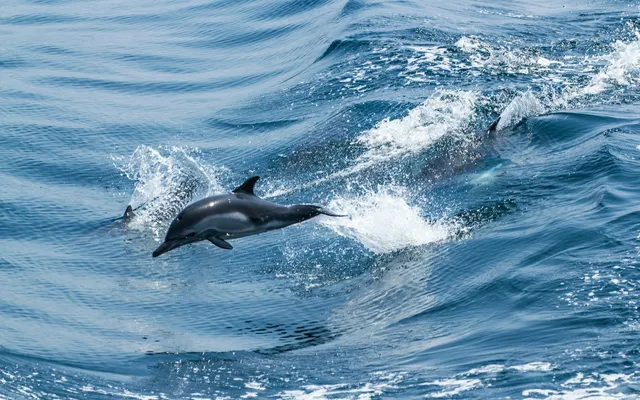
- Photos: Mike Doherty (Unsplash; orcas, illustrative image) and Olaf Tausch (CC BY 3.0, Wikimedia Commons). Infographic: our own work based on MITECO and MITMA recommendations.
Last checked: 26 October 2026. We could not open the IUCN Red List page; the category is cited through the 2026 study. Official recommendations and maps are updated: always check the Ministry’s page before sailing.