Phi Phi Island Tour from Phuket: Maya Bay and When to Go
8 min read
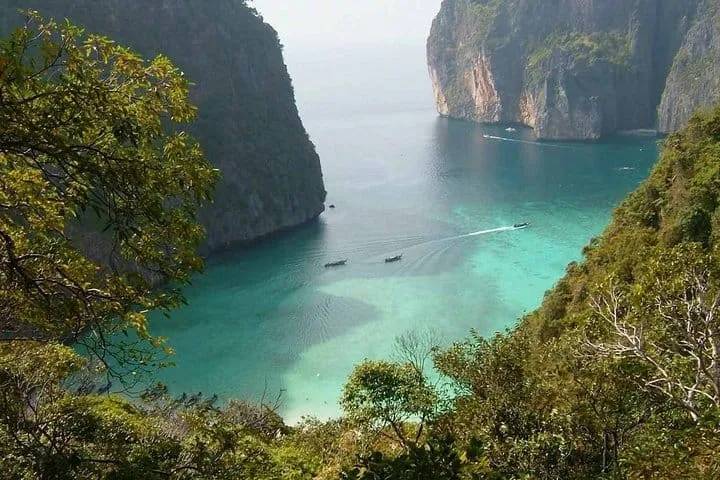
The Phi Phi Islands are the classic boat day from Phuket, and also the one that has changed the most in recent years. Maya Bay, the cove where the film The Beach was shot, was closed to visitors from 2018 to 2022; today you can see it, but under rules that limit how long you stay and whether you can swim. Add a monsoon season, an annual closure and a choice between a sunrise and a sunset trip, and “just book a Phi Phi tour” is less simple than it looks.
This guide explains how the islands work today, when to go and which trip fits you. The trips we link are run by Simba Sea Trips, an independent local operator; we list them on this website with live availability and secure online payment. What we say about Maya Bay, the parks and the weather comes from the official or press sources listed at the end; what we say about the trips comes from the trip pages.
What you are actually visiting
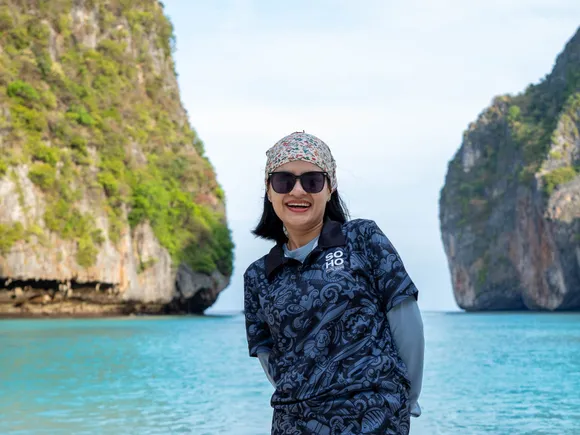
The Phi Phi Islands belong to the Hat Noppharat Thara – Mu Ko Phi Phi National Park, a marine park of about 388 km² in Krabi province with white-sand beaches, coral reefs and limestone cliffs, according to the Thai National Parks site. Phi Phi Don is the largest island, good for swimming and snorkelling; Phi Phi Leh, the smaller one, is home to Maya Bay, Pileh Lagoon and Viking Cave.
From Phuket you get there by speedboat. On our trips the day starts with a hotel pick-up and a briefing at Boat Lagoon Marina, on the east side of the island, and the speedboat takes you across to the islands.
Maya Bay today: what changed
Maya Bay became world-famous after The Beach was filmed there in 1999, and the visitor boom that followed is blamed for heavy damage to its reef. The authorities announced a closure in 2018, made it indefinite later that year, and the bay reopened in early 2022 after almost four years, with new rules: boats no longer enter the bay, swimming is not allowed, and each visit is limited to one hour with a cap on the number of people at a time.
Two more things to know:
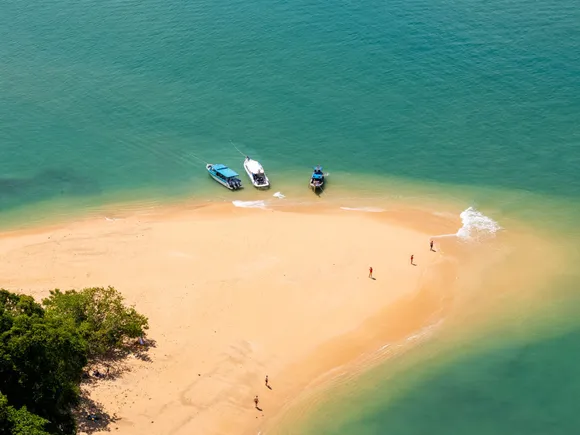
- There is a yearly closure. The park authority lists Maya Bay as closed to visitors every year from 1 August to 30 September (Thai National Parks, page showing fees valid as of June 2026). In those two months our Phi Phi trips visit Bamboo Island instead and you see Maya Bay from the boat, without walking on its beach, as the operator explains on the trip pages.
- The sharks came back. Blacktip reef sharks returned to the shallows while the bay was closed. In 2023 The Thaiger reported, citing Reuters, up to 40 of them in the bay and about 4,000 visitors a day, and authorities and conservationists want visitors out of the water so as not to drive away the young sharks that shelter in the shallows.
Rules, caps and fees are set by the park authority and can change, so treat this as the situation on the day we published it and check the trip page for the operator’s latest note.
When to go
Phuket has a tropical monsoon climate. Wikipedia’s climate table (built on Thai Meteorological Department data) puts the dry season at roughly December to March, February as the driest month (about 24 mm of rain) and September, October and August as the wettest (about 361, 320 and 287 mm). The Phi Phi park authority itself says that November or December to May is best for snorkelling, with calmer and clearer water, and that boat services may be cancelled in bad weather.
In practice:
- November to February: the most reliable months for sea and visibility, and the busiest. The Phi Phi sunset trip runs from November to April.
- March and April: hot and still dry, a good moment before the rains.
- May to October: more rain and swell, trips can change with the weather, and Maya Bay is closed in August and September.
Sunrise, full day or sunset: two ways to do Phi Phi
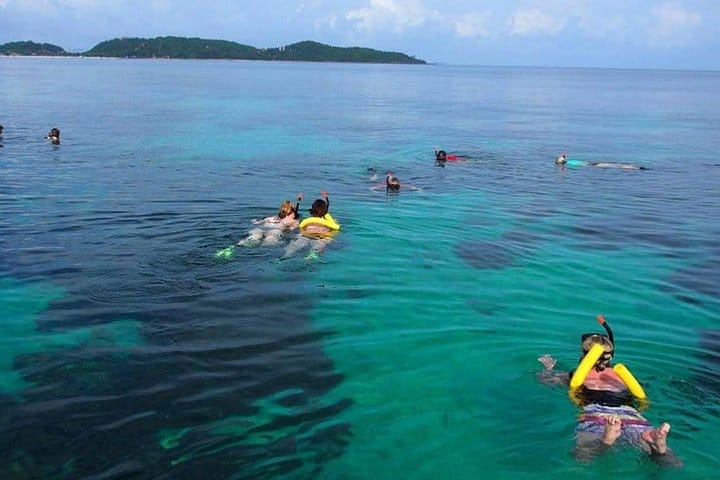
- Phi Phi sunrise, small group. The boat leaves at about 06:00 so you reach Maya Bay early, before the day-trip boats. The day adds a swim in Pileh Lagoon, two snorkelling stops of about 45 minutes, Viking Cave and Monkey Beach seen from the boat, time on the private island of Rang Yai and a buffet lunch. About eight hours, with breakfast and transfer included.
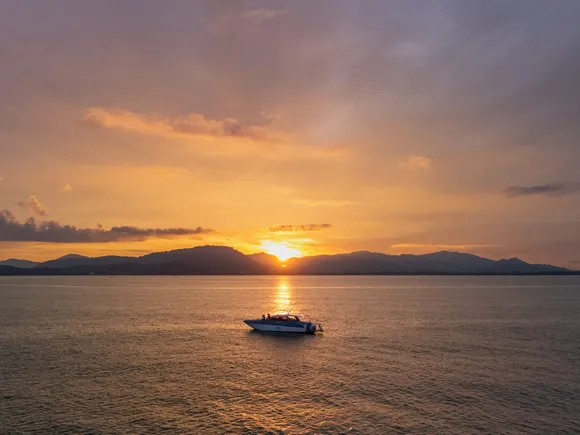
- Phi Phi sunset and shark spotting, small group (November to April). A longer day, about eight and a half hours, with snorkelling at Bamboo Island and Shark Bay, a beach picnic, a cruise past Viking Cave and Pileh Lagoon, Maya Bay and the sunset over the Andaman Sea. The trip page lists snorkelling equipment, park fees and accident insurance as included.
Our Phi Phi and Phang Nga trips from Phuket
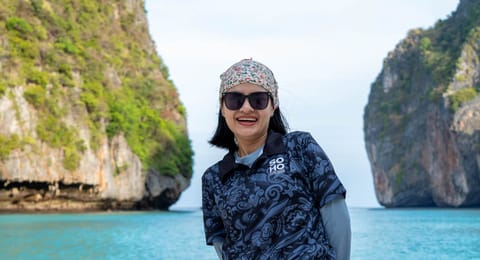 Phi Phi Sunrise from Phuket: Maya Bay Before Crowds8 h · Hotel pick-upfrom €145.23 / personCheck availability
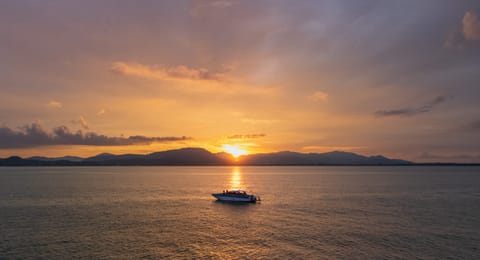 Phi Phi Sunset & Shark Spotting from Phuket8 h 30 · Hotel pick-upfrom €131.56 / personCheck availability
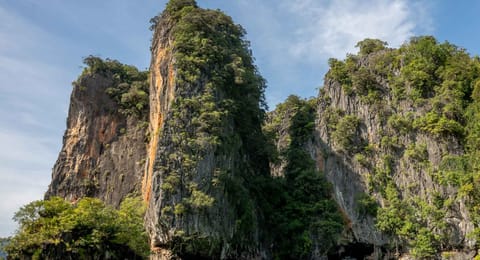 James Bond Island & Phang Nga Bay, Small Group8 h · Hotel pick-upfrom €123.08 / personCheck availability
Prices and ages
Both Phi Phi trips are small-group shared trips priced per person, with lower prices for children aged 4 to 12 and free places for infants up to 3. The calendar on each trip page shows the price for your group on the day you choose.
Combine it with Phang Nga Bay
If you have a second day, Ao Phang Nga National Park is the natural pair: established in 1981, about 400 km², a Ramsar wetland since 2002 and home to the largest native mangrove forest left in Thailand. Its best-known islet, Khao Phing Kan, is the “James Bond Island” of The Man with the Golden Gun (1974); since 1998, regulations keep tourist boats from getting too close to the needle-like Ko Tapu to prevent erosion, so you admire it from a distance.
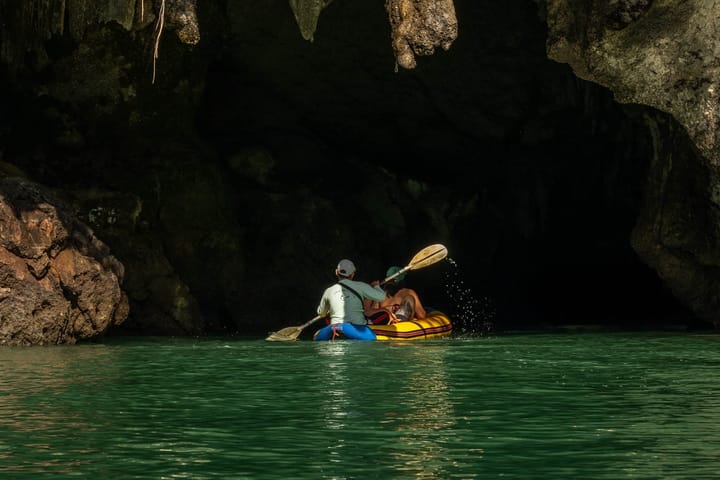
Our small-group Phang Nga trip takes about eight hours and combines kayaking into the hidden lagoon of Koh Panak and the caves of Koh Hong, James Bond Island, a swim at Kudu Island and a Thai lunch on the beach; the trip page lists national-park fees as included.
Practical checklist
- Pick-up: free around Kata, Karon, Patong, Kamala, Surin and Bangtao; other areas may cost extra (about 1,000 THB per vehicle on some trips). The operator sends the exact time the day before.
- Bring: your passport number (not the passport itself), swimwear, a towel, sunscreen, hat, a camera and some cash for tips and drinks.
- Not included: alcoholic drinks and tips for the crew.
- Guides: English and Thai.
- Health: not recommended for pregnant travellers or people with heart or back problems; not wheelchair accessible; children must be accompanied by an adult.
- Minimum numbers: the operator may reschedule a trip if fewer than six seats are booked, as stated on each trip page.
Before you travel to Thailand
According to the UK government’s travel advice for Thailand, which we read on 30 October 2026, British travellers need a passport valid for at least six months with a blank page, can enter visa-free for tourism for up to 30 days (from 15 September 2026) and must complete the online Thailand Digital Arrival Card within three days before arriving. Other nationalities have different rules, so check your own government’s advice and the official Thai sources before you go, and travel with insurance that includes medical cover.
Know where you are staying? Read the full Phuket destination guide or browse all our trips from Phuket.
Quick answers
- Can you swim at Maya Bay? No: swimming in the bay is not allowed under the rules in force since the reopening. The sunrise trip includes a swim at Pileh Lagoon and snorkelling stops elsewhere.
- Is Maya Bay open in August? No. It is closed every year from 1 August to 30 September.
- How long is a Phi Phi day trip from Phuket? About eight hours on our trips, including the hotel pick-up and the crossing.
Sources
- Hat Noppharat Thara – Mu Ko Phi Phi National Park, Thai National Parks (annual closure, area, season).
- Maya Bay, Wikipedia (filming, 2018–2022 closure, reopening rules).
- Managing blacktip reef sharks in Maya Bay, The Thaiger, 28 March 2023.
- Phuket Province, Wikipedia (climate table from Thai Meteorological Department data).
- Ao Phang Nga National Park and Khao Phing Kan, Wikipedia.
- Entry requirements for Thailand, UK government.
- Our trip pages (supplier information in Bókun), read on 30 October 2026.